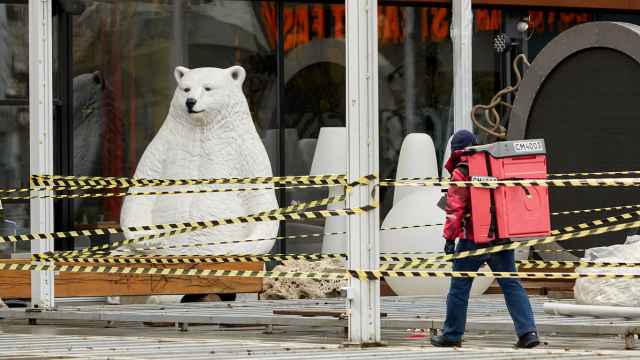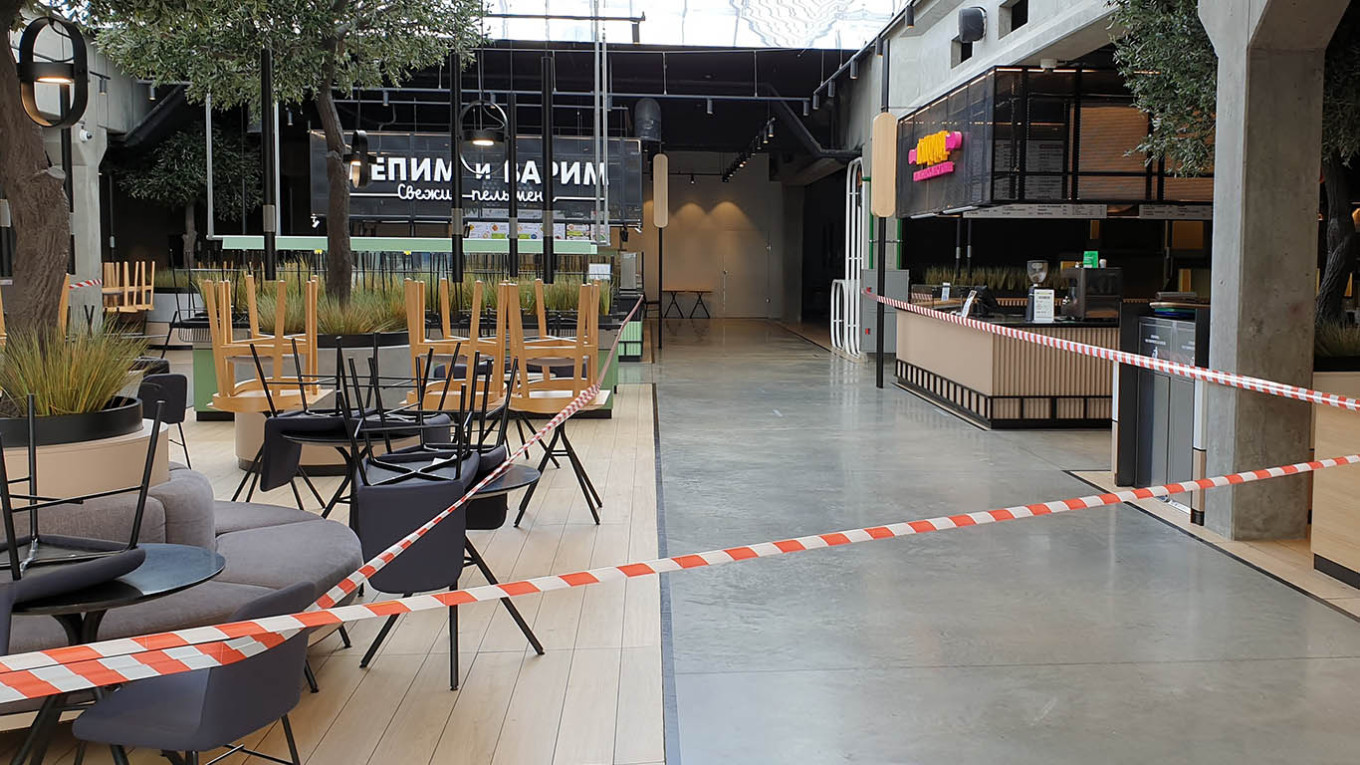
The number of cafés, restaurants and other food service outlets in Russia has fallen for the first time since 2022, as rising costs and more cautious consumer spending squeezed the sector, the Kommersant daily reported Wednesday.
The total number of food service establishments declined by 3.1% year-on-year in November, or about 3,700 venues, to 115,000, according to Yandex Maps data cited by the newspaper.
Sushi bars were hit hardest, with their number falling 7.5% to around 7,000 outlets. The number of pizzerias dropped 6.4% to 6,300, cafés declined 2.8% to 76,300 and restaurants fell 1.7% to 24,800. Food halls and gastro markets decreased by 1.4% to 217 locations.
The only segment to show growth was teahouses, whose number rose more than threefold to 340, largely due to a low comparison base.
The decline marks a reversal after steady growth in recent years. The number of food service venues rose by about 2.9% in 2022 compared with 2021, followed by growth of 6.7% in 2023 and 2% last year.
Industry figures say profitability has sharply deteriorated. Yevgeny Nichipuruk, founder of the Rakovaya restaurant chain, told Kommersant that average margins in the restaurant business have fallen to 10-12%, down from 20-25% several years ago.
Rising labor costs, higher rents and more expensive ingredients are weighing on the sector while consumers are becoming more cautious, Kommersant cited analysts at Tochka Bank and payments service Click as saying.
According to SberIndex data, growth in Russians’ spending on cafés and restaurants has slowed almost fourfold, from 23% year-on-year at the end of last year to just 6.2% in December 2025.
In Moscow, order volumes at traditional cafés and restaurants fell 5% year-on-year in January-October, according to market research firm Focus Technologies.
The downward trend is likely to continue as costs keep rising, said Ruslan Guseinov, a broker specializing in the food and beverage sector. Sanctions, inflation and a tight labor market are continuing to erode the economy, he told Kommersant.
Alexei Nebolsin, a representative from the Federation of Restaurateurs and Hoteliers, added that regional restrictions on alcohol sales have also contributed to closures.
He cited the example of the Moscow region, where selling alcohol is now banned in establishments located on the ground floors of residential apartment buildings.
A Message from The Moscow Times:
Dear readers,
We are facing unprecedented challenges. Russia's Prosecutor General's Office has designated The Moscow Times as an "undesirable" organization, criminalizing our work and putting our staff at risk of prosecution. This follows our earlier unjust labeling as a "foreign agent."
These actions are direct attempts to silence independent journalism in Russia. The authorities claim our work "discredits the decisions of the Russian leadership." We see things differently: we strive to provide accurate, unbiased reporting on Russia.
We, the journalists of The Moscow Times, refuse to be silenced. But to continue our work, we need your help.
Your support, no matter how small, makes a world of difference. If you can, please support us monthly starting from just $2. It's quick to set up, and every contribution makes a significant impact.
By supporting The Moscow Times, you're defending open, independent journalism in the face of repression. Thank you for standing with us.

Remind me later.