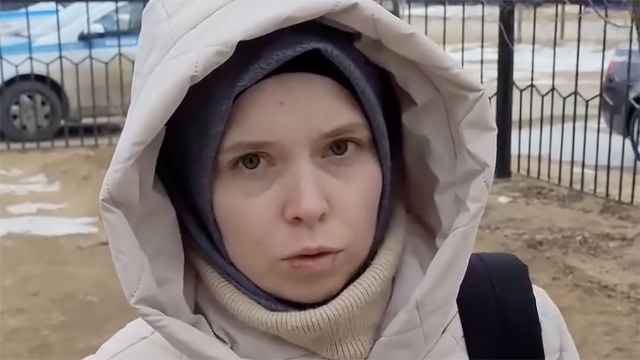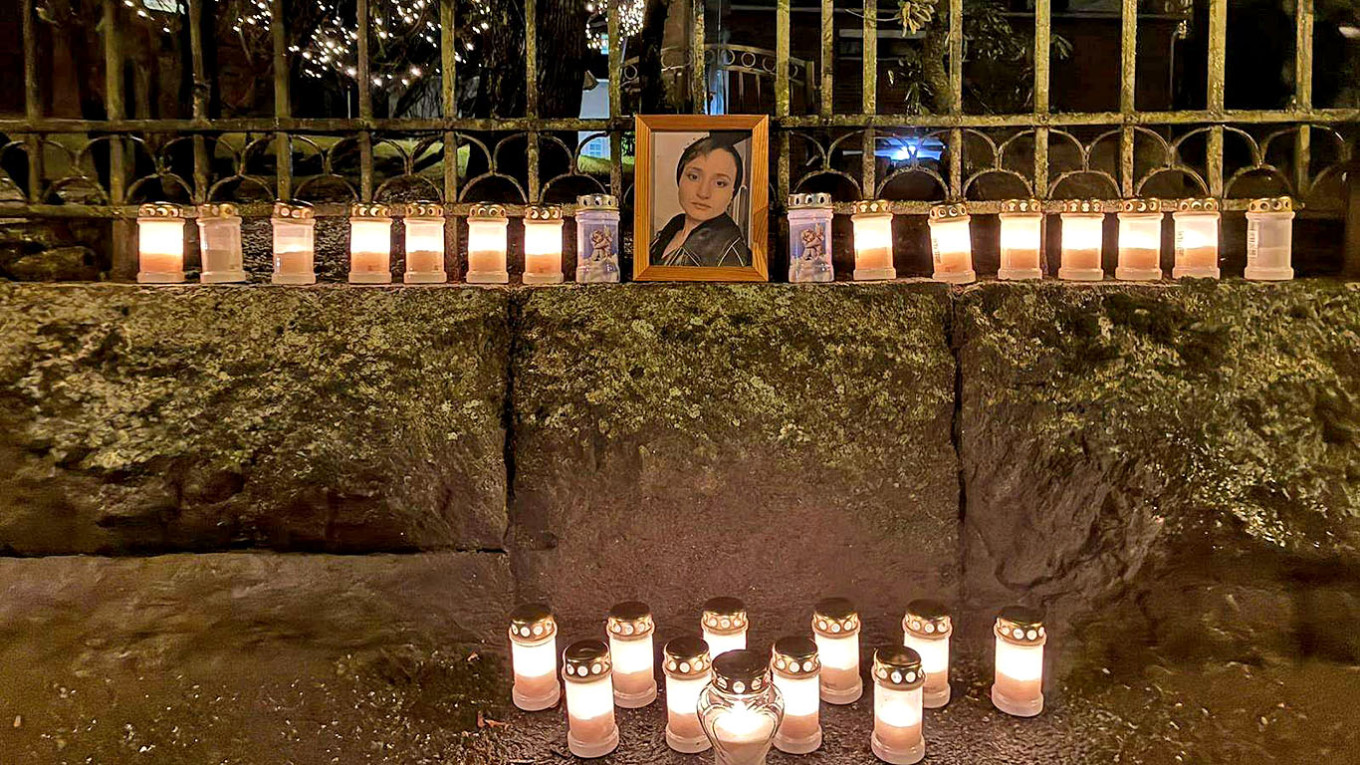
Aliya Ozdamirova, the daughter of a former Chechen deputy sports minister, was buried in her home republic of Chechnya on Nov. 12.
Ozdamirova had escaped to Georgia weeks earlier after reporting abuse and threats from relatives linked to her bisexuality, according to the North Caucasus SOS Crisis Group (NC SOS), which assists LGBTQ+ people facing persecution in the region.
She died on Nov. 9, a day after returning to Chechnya.
“My life is in danger,” Ozdamirova, 33, had said in a message to NC SOS Crisis Group shortly before her return. “If something happens to me, I want people to know what happened.”
Ozdamirova is the latest in a series of women who have died in unclear circumstances after fleeing abusive households in the North Caucasus and seeking refuge in neighboring countries.
Though her family insists that she died of natural causes and her official cause of death has not yet been determined, NC SOS suspects Ozdamirova may have been the victim of what is known as an “honor killing,” a practice that persists in parts of the North Caucasus despite being illegal.
It is difficult to know the exact number of these killings, as they are typically carried out in secret. Rights advocates estimate that at least several dozen women were killed in similar circumstances from 2012-2017, with additional suspected cases since, including the alleged murder of Seda Suleimanova.
North Caucasus officials have disputed or denied that “honor killings” take place in their republics.
Life under threat
Chechen ruler Ramzan Kadyrov’s regime enforces strict social norms amid widespread conservative Islamic attitudes. Human rights groups say LGBTQ+ people face particular danger in the region.
Ozdamirova had largely concealed her bisexuality from her relatives until after her father’s death in 2020, NC SOS spokesperson Aleksandra Miroshnikova said.
She later reported being beaten by her brothers, both because of her sexuality and following accusations from business partners that she had misappropriated investor funds. Ozdamirova denied the allegations, saying she had no financial motive given her family’s wealth.

In messages shared with The Moscow Times, Ozdamirova said she feared her relatives’ ties to Chechnya’s leadership.
“When I decided to escape, I knew I would have to make everything public. I can talk about many things that neither Kadyrov nor Russia would want exposed. I understand this increases the danger, but I will not be silent,” she said in one message.
She also accused her brother of having direct contact with Kadyrov.
“He will either tell them [Kadyrov’s men] to kill me or order someone else to do it,” she wrote of her brother. She also said her brother had threatened to hire someone to kill her rather than do it himself.
As threats escalated, NC SOS advised Ozdamirova to leave for a third country. An evacuation was scheduled for Nov. 8, but it never happened.
Instead, she remained in contact with her uncle, who persuaded her that a criminal case had been opened against her — a claim NC SOS warned could be a trap.
The uncle met her at an airport in Baku, Azerbaijan and insisted she stay in a hotel while he sought to “use his connections” to help her with the criminal case, according to NC SOS.
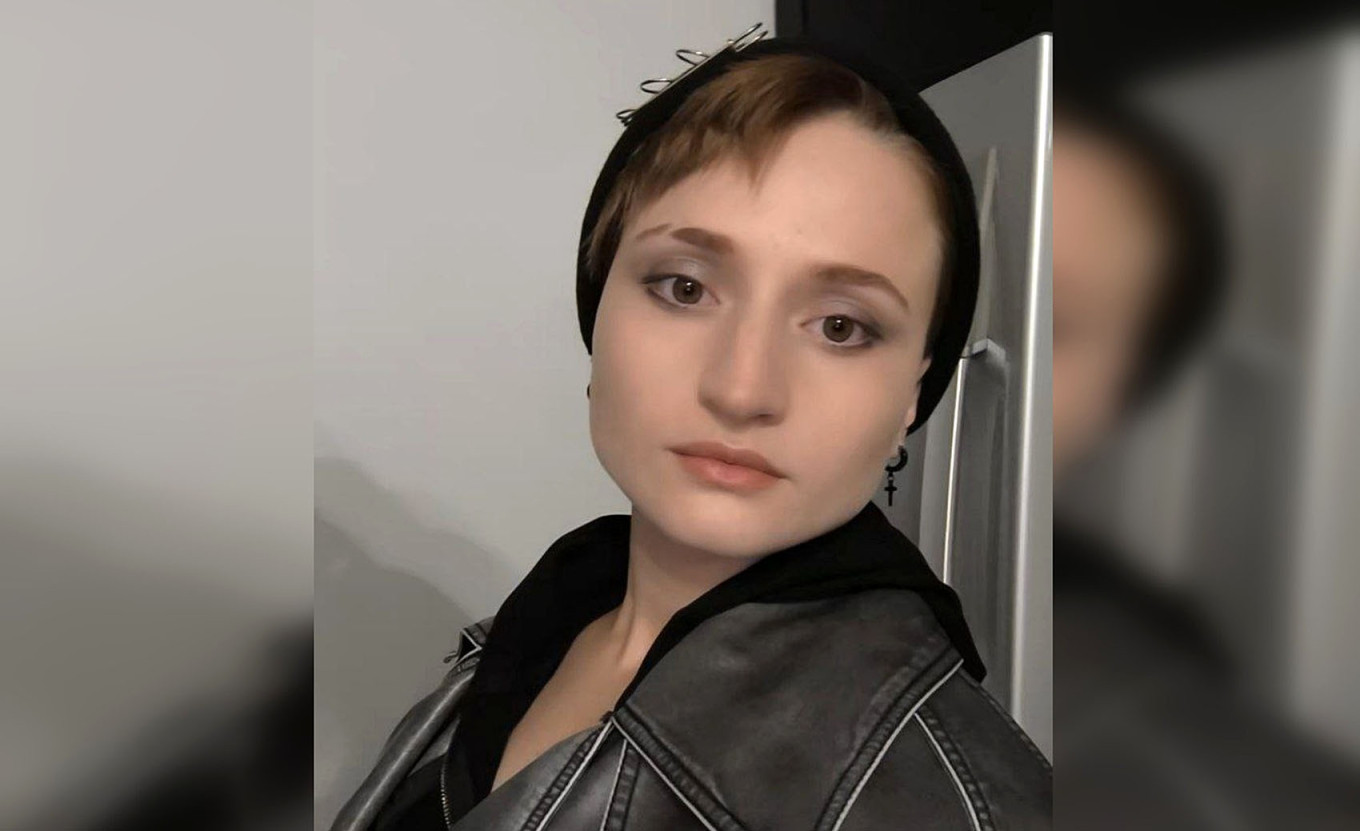
The next day, she was taken back to Chechnya. She died one day later.
“She had said clearly that she would never return to Russia under any circumstances,” Miroshnikova said. “The main question is how her relatives managed to bring her back.”
A pattern of deaths
On the same day Ozdamirova fled to Georgia, another Chechen woman, 23-year-old Aishat Baimuradova, was found dead in an apartment in Armenia’s capital, Yerevan.
NC SOS helped Baimuradova flee Chechnya in January 2025 after years of abuse at home and in a forced marriage, Miroshnikova said.
Her family’s alleged ties to Kadyrov’s clan complicated efforts to evacuate her, and at one point activists canceled her evacuation fearing relatives would pursue her abroad.
“They messaged her soon after she arrived in Armenia, promising reconciliation if she returned, but also threatening she would suffer if she spoke out against them,” Miroshnikova said.
They later disowned her.
Baimuradova eventually left a shelter, found work and rented a room. She started publicly criticizing domestic violence and Chechen authorities and sought opportunities to help other victims of abuse, a decision rights groups warned could expose her to further danger.
“She never censored herself,” Miroshnikova said, adding that Baimuradova kept her social media accounts public and shared her location. “Politically vocal Chechens cannot afford to act like this safely, even in Europe.”
In September, Baimuradova started receiving threats from unknown numbers.
“She was alarmed, but she didn’t have a foreign passport, and it is hard to apply for a European humanitarian visa without one,” said Lidia Mikhalchenko, founder of the Caucasus Without Mothers project. “She was left to deal with the threats alone.”
Armenian authorities reported her missing on Oct. 17. Three days later, police found her dead. Suspicion has centered on Karina Iminova, reportedly the last person to see her alive.
NC SOS later determined that Iminova, who claimed to be from Dagestan, was actually from Kyrgyzstan and had traveled to Chechnya.
Armenian police have not named any suspects. A joint investigation by NC SOS and independent outlet Agenstvo identified a man seen leaving Baimuradova’s apartment on security footage as Saidkhamzat Baisarov, whom Agenstvo said is related to businessman and Kadyrov ally Ruslan Baisarov. Both he and Iminova left Armenia shortly after Baimuradova’s death.
The exiled Russian television channel Dozhd reported, citing a source with knowledge of the situation, that Baimuradova was likely poisoned.
Constant vigilance
Journalist Svetlana Anokhina, founder of the Marem human rights group, said women fleeing abuse in the North Caucasus must live in constant fear of being tracked down.
“How was [Laura] Avtorkhanova found by her relatives in Georgia despite traveling through a third country? She turned on her iPhone and her family accessed her iCloud,” Anokhina said. “No matter where they go, hearing their native language can make escapees uneasy.”
Anokhina cited cases in which families pursue daughters even after resettlement in Europe, persuading them to withdraw abuse complaints before taking them back to the Caucasus under the pretext of a family trip.
While some activists describe Baimuradova’s death as an honor killing, Miroshnikova said Ozdamirova’s case more closely fits that pattern.
“What happened to Aliya Ozdamirova fits this far more clearly,” she said.
“She was most likely persuaded [to return], which remains difficult to understand. In conversations with our coordinator, Aliya warned that even maintaining contact with her mother would be dangerous. She appeared brave, intelligent, fully aware of the risks. What happened does not align with anything she said or did before,” Miroshnikova said.
A Message from The Moscow Times:
Dear readers,
We are facing unprecedented challenges. Russia's Prosecutor General's Office has designated The Moscow Times as an "undesirable" organization, criminalizing our work and putting our staff at risk of prosecution. This follows our earlier unjust labeling as a "foreign agent."
These actions are direct attempts to silence independent journalism in Russia. The authorities claim our work "discredits the decisions of the Russian leadership." We see things differently: we strive to provide accurate, unbiased reporting on Russia.
We, the journalists of The Moscow Times, refuse to be silenced. But to continue our work, we need your help.
Your support, no matter how small, makes a world of difference. If you can, please support us monthly starting from just $2. It's quick to set up, and every contribution makes a significant impact.
By supporting The Moscow Times, you're defending open, independent journalism in the face of repression. Thank you for standing with us.

Remind me later.