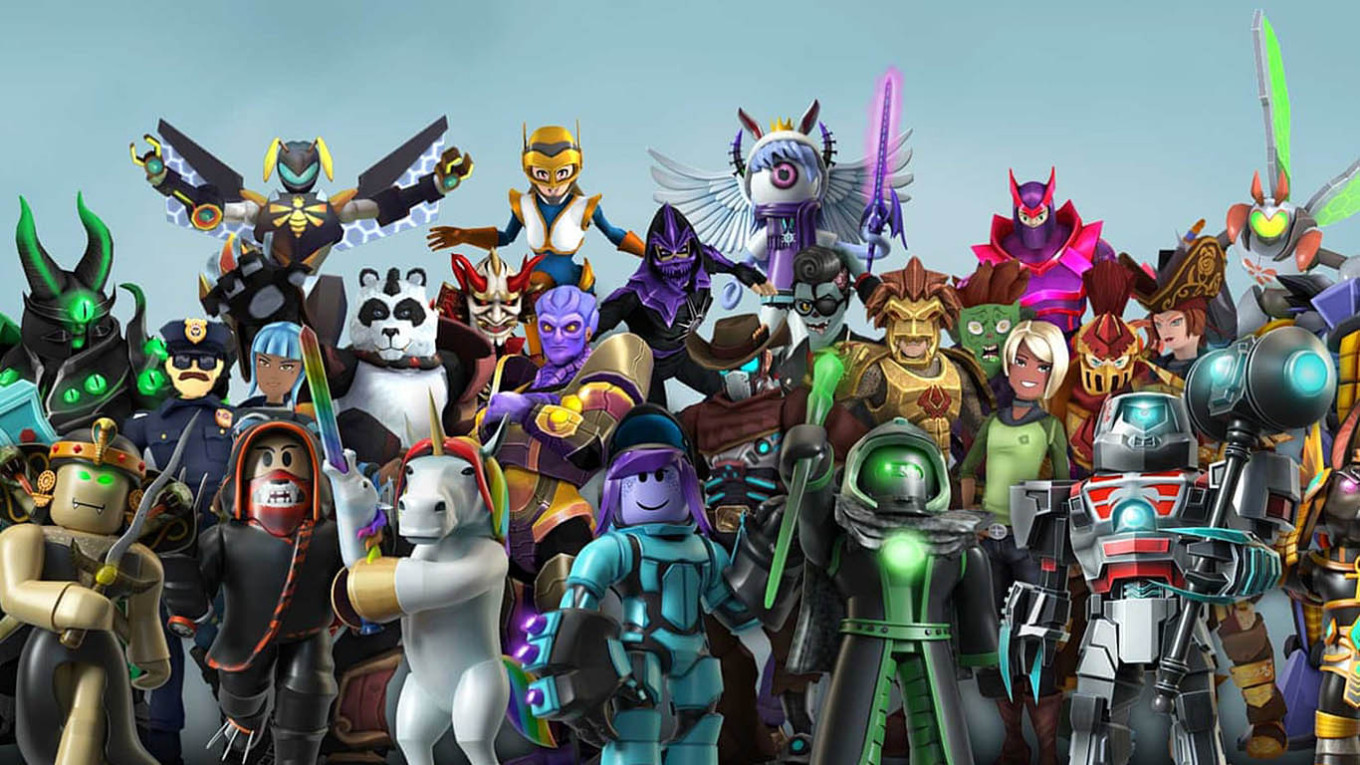
Russia’s state communications watchdog Roskomnadzor indicated Wednesday that it might restore access to the online gaming platform Roblox if the U.S.-based company takes steps to comply with Russian law.
Roskomnadzor blocked Roblox earlier this month over concerns about child safety and alleged promotion of “extremist” content, including so-called “LGBT propaganda.” The game platform had an estimated 18 million users in Russia when it was blocked.
The watchdog said the move, which triggered both online and offline protests, followed repeated failures by Roblox to respond to security-related demands.
On Wednesday, Roskomnadzor said Roblox’s management had contacted it and expressed readiness to address the flagged content.
“We welcome the platform’s willingness to cooperate and make adjustments to its operations in Russia,” Roskomnadzor said in a statement.
“If these are not merely words but a genuine commitment to improve online child safety, Roskomnadzor will cooperate with Roblox, just as it would with any other service that complies with Russian law,” the agency added.
Roblox later confirmed that it had “established communication with Roskomnadzor” and said it was ready to revise its content moderation processes and “temporarily limit communication features in Russia” to restore access in the country.
The Roblox Corporation, which is based in California, says it uses a combination of human reviewers and artificial intelligence tools to moderate content and remove material it deems exploitative.
Roskomnadzor said the company had acknowledged shortcomings in its moderation of in-game content and user chats.
Roblox has around 100 million daily users worldwide, with children under 13 accounting for roughly 40% of its users in 2024, according to the company. It was the most downloaded mobile game in Russia in 2023.
The Kremlin said last week that children across Russia had flooded its communications department with complaints about the Roblox ban.
Pro-Kremlin censorship advocate Yekaterina Mizulina claimed she had received tens of thousands of letters from young children and teens about the game platform being blocked. According to her, many of the children said they wanted to leave Russia because of the ban.
A Message from The Moscow Times:
Dear readers,
We are facing unprecedented challenges. Russia's Prosecutor General's Office has designated The Moscow Times as an "undesirable" organization, criminalizing our work and putting our staff at risk of prosecution. This follows our earlier unjust labeling as a "foreign agent."
These actions are direct attempts to silence independent journalism in Russia. The authorities claim our work "discredits the decisions of the Russian leadership." We see things differently: we strive to provide accurate, unbiased reporting on Russia.
We, the journalists of The Moscow Times, refuse to be silenced. But to continue our work, we need your help.
Your support, no matter how small, makes a world of difference. If you can, please support us monthly starting from just $2. It's quick to set up, and every contribution makes a significant impact.
By supporting The Moscow Times, you're defending open, independent journalism in the face of repression. Thank you for standing with us.

Remind me later.