

With the summer holidays in full swing, economic uncertainty and risks posed by Ukrainian drone strikes are reshaping how Russians are spending their long-awaited vacations.
Residents of major cities such as Moscow and St. Petersburg — who have historically traveled abroad more often — are seeking ways to continue taking international trips despite limited flight availability and visa restrictions. But in Russia’s regions, many people appear to be opting for domestic trips — if they can afford to travel at all.
“My holiday planning has changed significantly since I traveled a few years ago because I am more concerned about income issues and the current instability in the job market, which affects how much I'm willing to spend on travel,” a 33-year-old woman from Moscow said, speaking on condition of anonymity.
“In the end, I’m going to Turkey on a package tour, because it is an opportunity to stay within the budget…and get some sun, sea and a relaxed mood,” she added, noting that it will be the first time she tries out a package holiday.
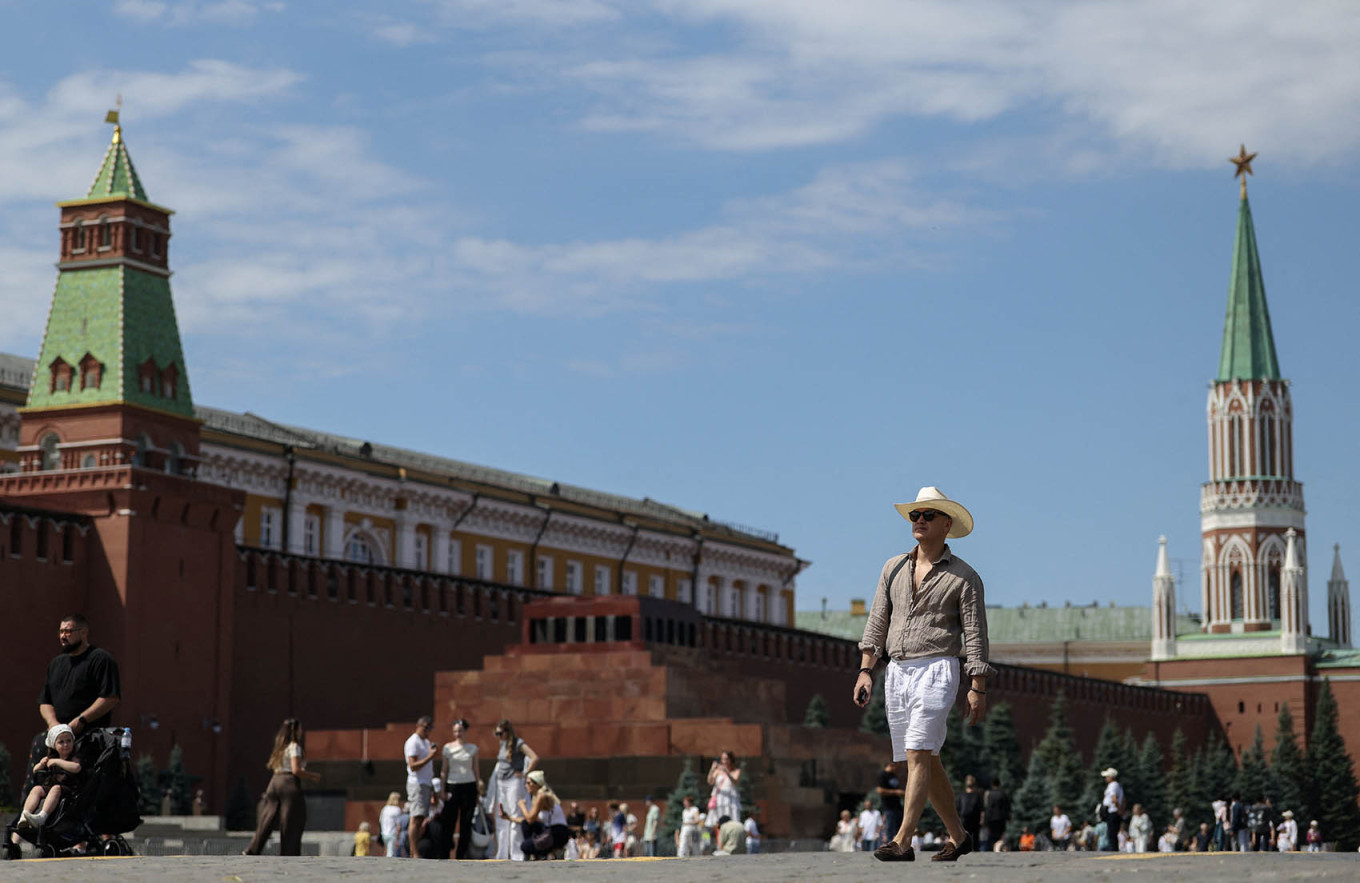
Before the full-scale invasion of Ukraine, residents of western Russia could visit major European cities on a single direct flight. Such trips now require multiple connections and are further complicated by Russia’s isolation from the international financial system, mounting visa restrictions and repeated airport closures during Ukrainian drone attacks.
“Europe has not disappeared from the hearts of Russian travelers, but its place has changed,” Lyubov Chuchmayeva, deputy marketing director at tour company PAKS, told ATOR. “Today, a trip to Russians’ beloved Rome, Madrid or Paris is…a full-fledged case for the logistics department.”
While more than 80% of Russians booked their holidays themselves in 2025, tour operators have reported an influx of requests from experienced travelers who can no longer rely on global low-cost airlines and accommodation platforms to arrange trips abroad, according to the Association of Tour Operators of Russia (ATOR).
Giants like Airbnb and Booking.com as well as major Western airlines exited the Russian market after the invasion of Ukraine.
With Europe increasingly out of reach, some Russians are embracing the Kremlin’s pivot to Asia and Africa.
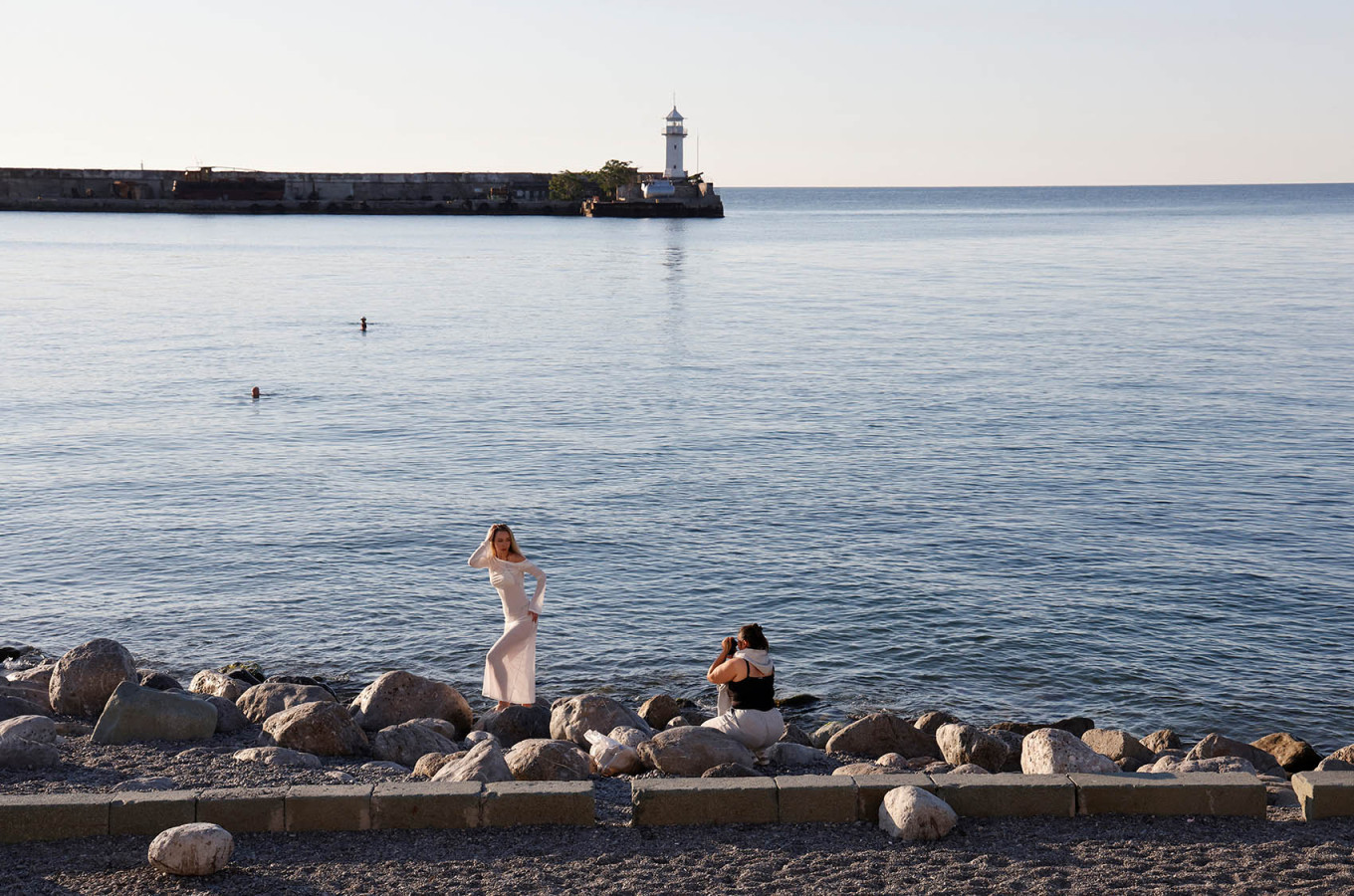
China’s decision to extend visa-free entry for Russian tourists until the end of 2027 is expected to further boost interest in the country, with tour operators expecting a 50% increase in bookings compared to last year.
Hong Kong, Vietnam’s Phu Quoc Island and Tanzania are also becoming more popular among Russian tourists, according to ATOR.
“The restrictions of countries requiring a visa [for Russians] did not affect me, as I don’t like vacationing in Europe,” said a personal trainer from Moscow, who listed Thailand, Vietnam and Cambodia among his preferred destinations.
“I don’t consider vacationing in Russia at all, as I don't see the point in spending unreasonably large amounts of money on service quality that does not match the price,” he added.
Yet for many Russians who live outside the capital, domestic tourism remains the only realistic option amid the travel restrictions and rising costs.
“The hardest part of planning a vacation is to have enough money for vacation when it's time to take it,” said a political activist from one of Russia’s Volga regions.
The activist, who spoke on condition of anonymity, earns 40,000 rubles ($500) a month working in the public sector. This income can hardly cover even a basic tour package to Turkey, which starts at 120,000 rubles ($1,500) for two people for a 10-day stay.
“When you are a political activist in Russia, you live with a constant risk of fabricated charges being brought against you or a drone flying into your home. I've developed a principle of not putting my life — and my vacations — on hold, so I try to get away from home whenever I have time off,” said the activist.
“Usually I only have money for cities in the regions. I’ve been to Saratov, Sochi and Kaliningrad in the past few years. Sometimes I find cheap flights to nearby countries. That’s how I went to Yerevan [Armenia] last year,” they added.
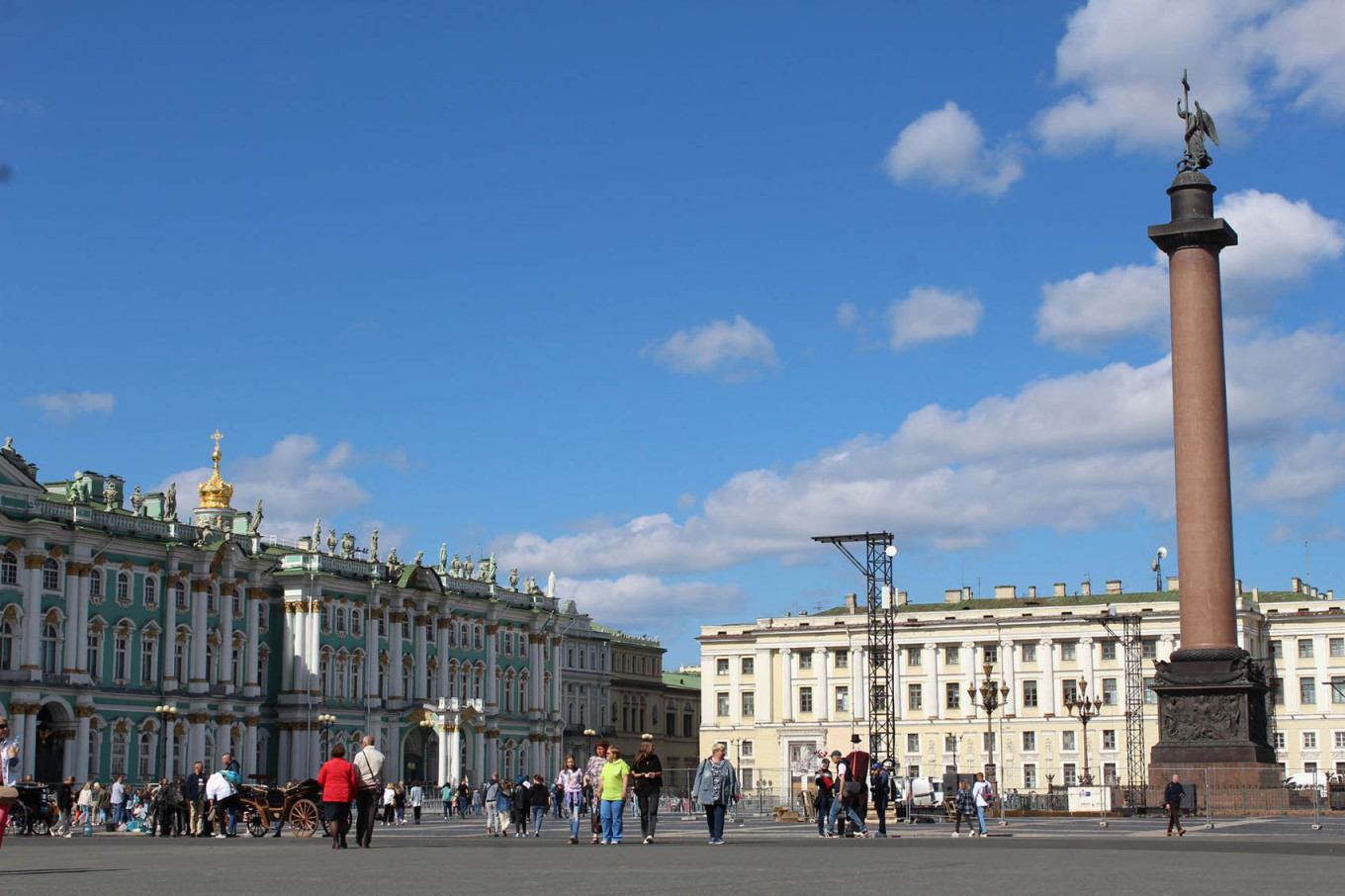
Russia’s Black Sea coast and annexed Crimea, traditionally Russians’ preferred holiday destinations, are suffering steep losses in the tourist sector this year.
Hotel bookings in Crimea in May and June decreased by 30% compared to the same period last year and travel companies reported a combined loss of 1.5 billion rubles ($18.8 million) due to cancelled trips to the annexed peninsula in June.
Crimea has been suffering from acute fuel shortages since May after intensified Ukrainian strikes targeted supply routes to the peninsula and Russian oil refineries.
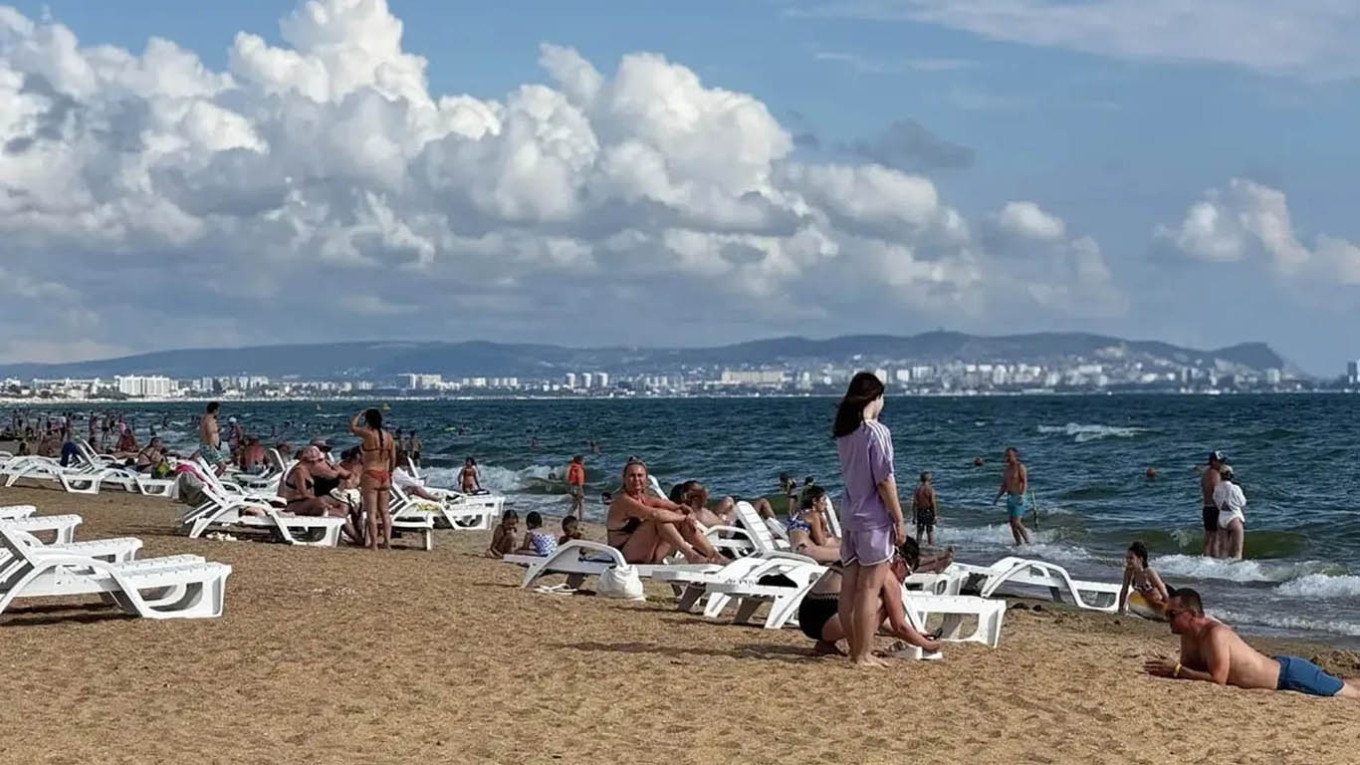
With local airports shut down and rail service to Russia cut roughly in half, the peninsula has been left largely inaccessible for tourists, with videos circulating on social media showing largely empty beaches during what is normally the height of the summer holiday season.
Meanwhile, guests Mriya Resort, a luxury Crimean hotel owned by financial giant Sberbank, posted videos showing nighttime parties in the hotel's bunker during a drone alert.
Earlier this month, Russia's government allocated more than 4.3 billion rubles ($56.3 million) from its reserve fund to support the annexed region’s tourism sector.
Some Russians seem to be swapping Crimean vacations for the Black Sea resort town of Anapa, which reopened its beaches for the first time since 2024, when thousands of metric tons of heavy fuel oil washed ashore after two tankers were damaged in a winter storm in the nearby Kerch Strait.
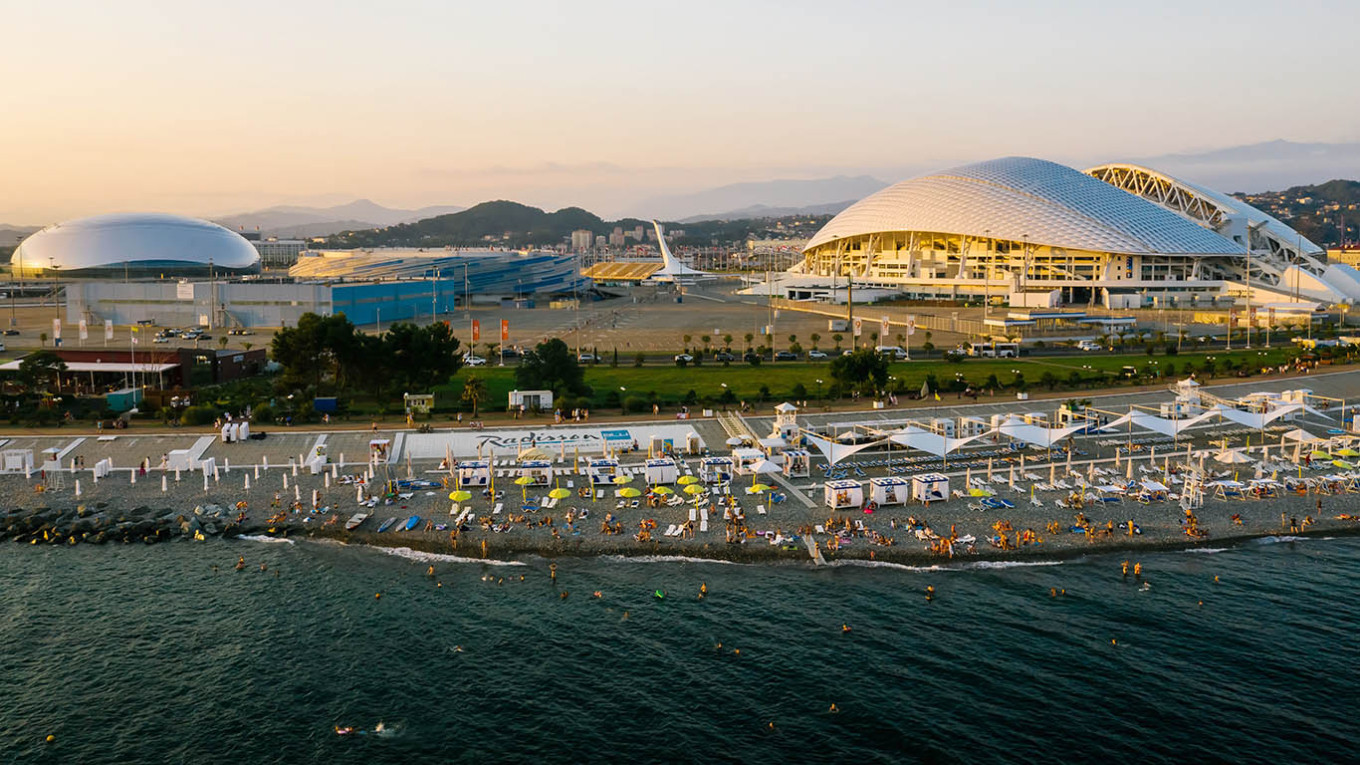
Though consumer safety watchdog Rospotrebnadzor greenlit the opening, locals continue to find fresh oil slicks along the shore.
But while Anapa’s tourist sector is rebounding, hotel owners in Sochi, Russia’s flagship Black Sea resort for the affluent vacationer, reported a year-on-year decline in bookings of up to 25%.
“I don’t even consider traveling to the south with drones flying all the time, millions of tourists and unreasonably high prices,” said a local tour guide from one of Russia’s major regional capitals, adding that she plans to spend her upcoming vacation on Russia’s Barents Sea coast.
This sentiment was echoed by a social media specialist from Ufa, who “definitely wouldn’t go to Sochi knowing that there are [drones] flying in and air raid sirens” and prefers to “stay at home and travel around Bashkortostan.”
“Cost is the most difficult part of it all. Tickets were much cheaper before, but now you really need to try hard to leave Russia,” they added.
But while some Russians are choosing their next holiday destination, millions cannot even consider the idea of a summer break.
Expert assessments of the decline in domestic tourism vary. Hotel bookings across Russia declined by 12% year-on-year in the final two weeks of June, while cancellation rates rose from 24% to 33%, according to online booking agency TravelLine.
The number of tourists visiting Lake Baikal in eastern Siberia — the world's deepest freshwater lake and one of Russia's most popular destinations — has also fallen by a third due to rising prices.
“There are only a few people here who can go somewhere. Mostly, they might go rafting or fishing with their families for a night, but it's unrealistic for rural residents to actually go on vacation,” a village school teacher told The Moscow Times.
“Summer vacation season is a busy time for haymaking, gardening, and harvesting. We raise ducks, geese and broilers for the summer and winter, milk the cows and stock up on butter. That’s just how living in a village is.”
A Message from The Moscow Times:
Dear readers,
We are facing unprecedented challenges. Russia's Prosecutor General's Office has designated The Moscow Times as an "undesirable" organization, criminalizing our work and putting our staff at risk of prosecution. This follows our earlier unjust labeling as a "foreign agent."
These actions are direct attempts to silence independent journalism in Russia. The authorities claim our work "discredits the decisions of the Russian leadership." We see things differently: we strive to provide accurate, unbiased reporting on Russia.
We, the journalists of The Moscow Times, refuse to be silenced. But to continue our work, we need your help.
Your support, no matter how small, makes a world of difference. If you can, please support us monthly starting from just $2. It's quick to set up, and every contribution makes a significant impact.
By supporting The Moscow Times, you're defending open, independent journalism in the face of repression. Thank you for standing with us.

Remind me later.