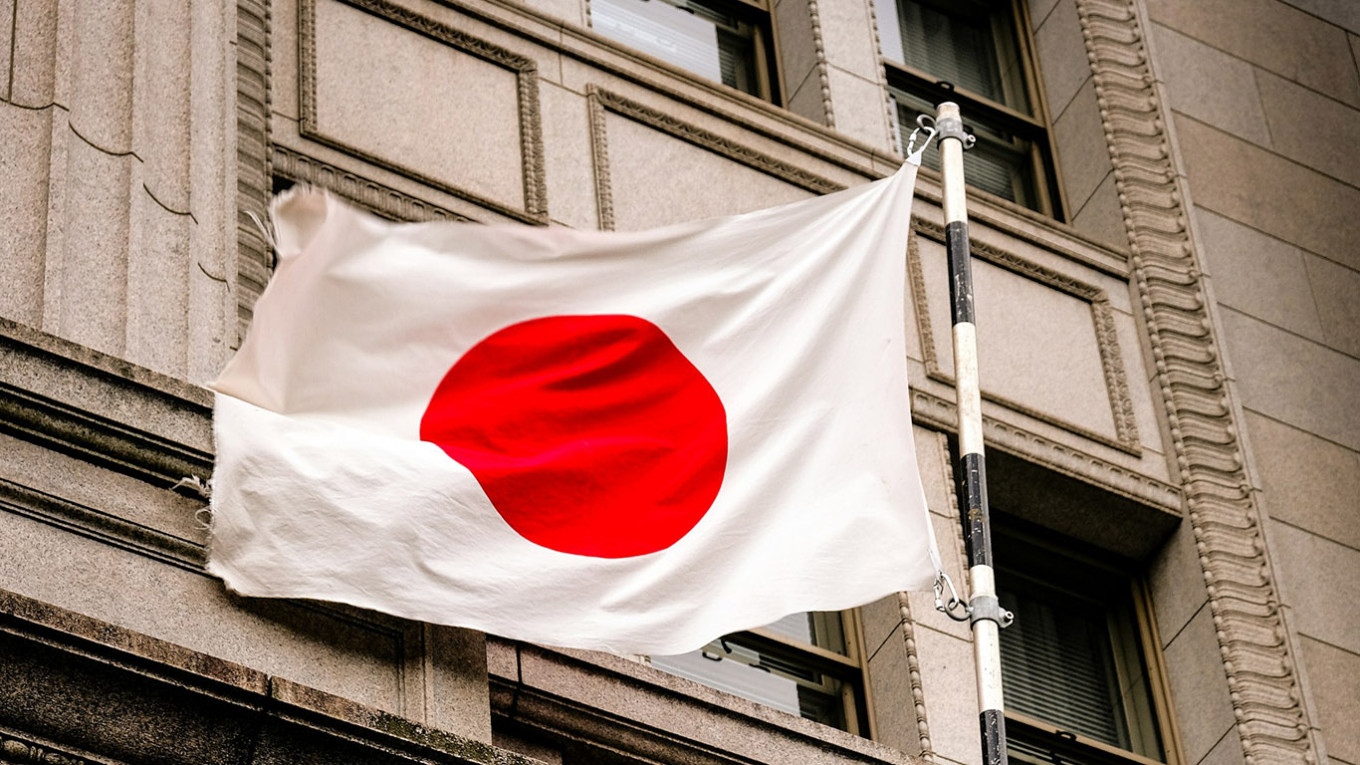
A delegation of Japanese government officials visited Moscow last week to discuss the interests of Japanese companies still operating in Russia, Bloomberg reported Thursday.
The visit, one of the few publicly disclosed official business missions between the two countries since the start of the war in Ukraine, highlights the challenges facing countries that imposed sanctions on Russia but continue to maintain economic interests in areas like energy and commodities.
Japan joined Western sanctions against Moscow in 2022, yet some Japanese companies remain active in Russia and the country continues to import liquefied natural gas from the Sakhalin-2 project under a sanctions exemption.
Japanese officials said the trip was aimed at addressing issues related to protecting corporate assets and did not involve talks on expanding economic cooperation.
The delegation met officials from Russia's Economic Development Ministry and Industry and Trade Ministry, as well as representatives of business organizations, people familiar with the discussions told Bloomberg.
Japanese officials and executives also attended an event involving Russian energy, metals and fertilizer companies, including producers of palladium, aluminum and LNG, the people said.
Tokyo has said similar visits have continued since the start of the war and that government officials travel to Russia several times a year to address issues affecting Japanese businesses that remain in the country.
Sources familiar with the Russian side's assessment of the meetings said officials viewed the visit as evidence that Japan sees value in maintaining dialogue despite ongoing geopolitical tensions.
They said Russian officials believe broader economic ties could recover if political conditions improve.
Read this article in Russian at The Moscow Times' Russian service.
A Message from The Moscow Times:
Dear readers,
We are facing unprecedented challenges. Russia's Prosecutor General's Office has designated The Moscow Times as an "undesirable" organization, criminalizing our work and putting our staff at risk of prosecution. This follows our earlier unjust labeling as a "foreign agent."
These actions are direct attempts to silence independent journalism in Russia. The authorities claim our work "discredits the decisions of the Russian leadership." We see things differently: we strive to provide accurate, unbiased reporting on Russia.
We, the journalists of The Moscow Times, refuse to be silenced. But to continue our work, we need your help.
Your support, no matter how small, makes a world of difference. If you can, please support us monthly starting from just $2. It's quick to set up, and every contribution makes a significant impact.
By supporting The Moscow Times, you're defending open, independent journalism in the face of repression. Thank you for standing with us.

Remind me later.