
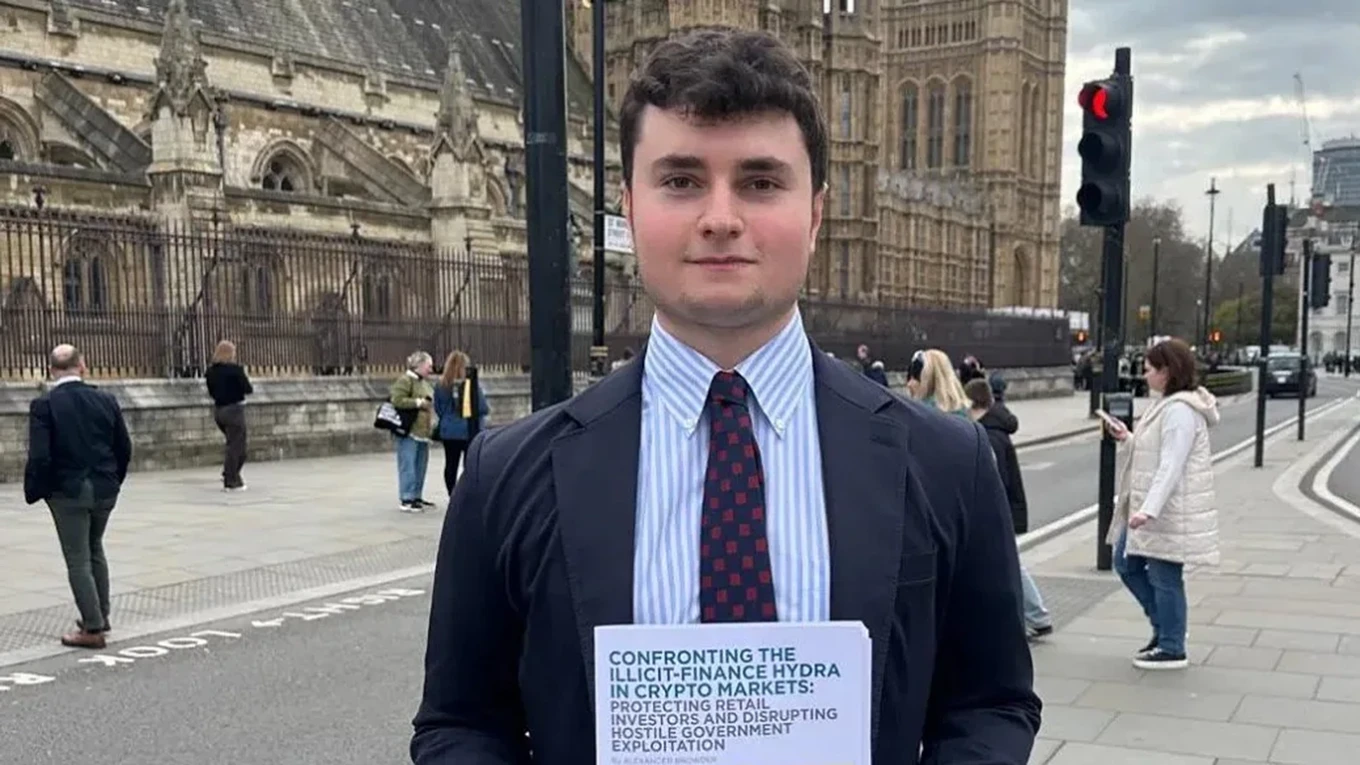
When 17-year-old Alexander Browder was scrolling the news in the back of his economics class this week, he was surprised to see his own name pop up.
Russia had added Browder and four other British citizens to its entry ban list in the latest round of retaliatory sanctions announced by the Foreign Ministry on Tuesday. Award-winning investigative journalists Catherine Belton and Richard Holmes were also on the list.
“It’s a badge of honor,” Browder told The Moscow Times. “And I’m in great company.”
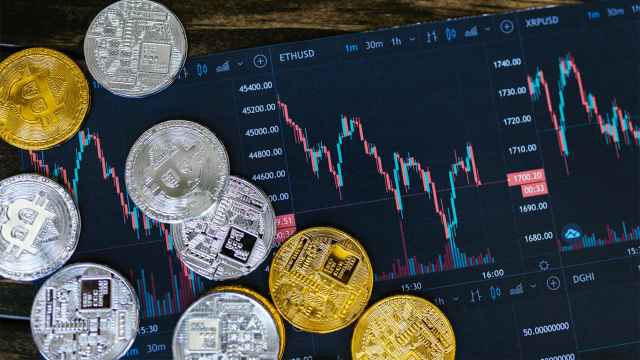
Browder believes he was targeted over a report he wrote for the Henry Jackson Society think tank detailing Russia’s use of cryptocurrency networks to evade Western sanctions imposed after the invasion of Ukraine.
Russia has called the report “disinformation.”
His research into what he calls an “illicit finance hydra” helped lead British officials to crack down on crypto.
In May, London announced a new sanctions package targeting the A7 network, which London said uses Kyrgyzstan's financial system to channel funds to Russia’s war chest.
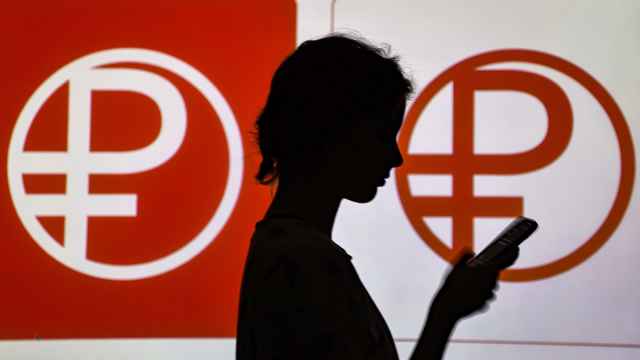
A7A5, a ruble-pegged stablecoin, was launched by Russian state defense lender Promsvyazbank and Ilan Shor, a fugitive Moldovan banker convicted in connection with a major fraud case in his home country.
The token has been used for cross-border transactions to circumvent sanctions on Russia, with reported turnover reaching $100 billion by early 2026.
“What I find really shocking is that Shor, the mastermind behind the scheme, has gifted the Kyrgyz president a luxury jet,” said Browder.
The Kyrgyz government has not yet commented on the allegations that Shor leased a jet to President Sadyr Japarov, according to an investigation by Moldovan news agency IPN last September.
“On the back of my report, 26 senior MPs and Lords in the U.K. wrote to the U.K. Foreign Secretary to sanction the enablers within Kyrgyzstan, and just last week the U.K. did sanction many of those involved in this cryptocurrency operation,” Browder said. “So it's clear that this is one of the main ways Russia is able to sustain their war of aggression, and it's clear that it's one of their main financial lifelines.”
When asked whether he has worked much with his father, prominent Kremlin critic and financier Bill Browder, Alexander Browder said he believes the younger generation is better equipped to tackle crypto.
“What I discovered when I started my project a year and a half ago is that, quite frankly, the senior people are dinosaurs in this world,” Alexander Browder said. “There's this whole area [of illicit finance] which hasn't been properly exposed and hasn't been talked about as much, so I made it my mission to take down these bad actors.”
A key difficulty for policymakers on the trail of crypto crooks is that digital assets can move quickly across borders and jurisdictions, while new coins can emerge as swiftly as the old ones are destroyed.
The Russian-backed exchange Garantex, moving billions in illicit funds, reemerged unscathed as a new entity called Grinex after it was sanctioned by the U.S. Treasury.
“Hence ‘hydra’,” said Alexander Browder, explaining why he named his project after the Greek mythological monster which grows new heads as old heads are severed.
While there remains much to be done to regulate crypto, Browder hopes a major political shift in the heart of Europe will help to reverse years of EU procrastination.
“I’m optimistic that this new government in Hungary will help things along,” he said.
Former Hungarian Prime Minister Viktor Orbán’s government was reported to have had links to the Kremlin’s A7 crypto scheme in Kyrgyzstan, but Péter Magyar’s new government appears to be taking a tougher stance on Russia.
The EU recently announced a crackdown on crypto as part of its 20th sanctions package against Russia.
In a statement regarding its entry ban on Browder and his four blacklisted compatriots, Russia’s Foreign Ministry warned that actions by “British political elites” to “further incite Russophobia, deliberately the damage country's international reputation, and unleash the anti-Russian sanctions flywheel” would lead to further bans.
Browder said he is undeterred by his new status as persona non grata in Russia.
“The sanctions did not intimidate me, but it tells me that we touched a nerve. My work touched a nerve for Putin, and it's clear that I'm looking in the right place,” he said. “My message for Moscow is simple: I’m not backing down.”
A Message from The Moscow Times:
Dear readers,
We are facing unprecedented challenges. Russia's Prosecutor General's Office has designated The Moscow Times as an "undesirable" organization, criminalizing our work and putting our staff at risk of prosecution. This follows our earlier unjust labeling as a "foreign agent."
These actions are direct attempts to silence independent journalism in Russia. The authorities claim our work "discredits the decisions of the Russian leadership." We see things differently: we strive to provide accurate, unbiased reporting on Russia.
We, the journalists of The Moscow Times, refuse to be silenced. But to continue our work, we need your help.
Your support, no matter how small, makes a world of difference. If you can, please support us monthly starting from just $2. It's quick to set up, and every contribution makes a significant impact.
By supporting The Moscow Times, you're defending open, independent journalism in the face of repression. Thank you for standing with us.

Remind me later.