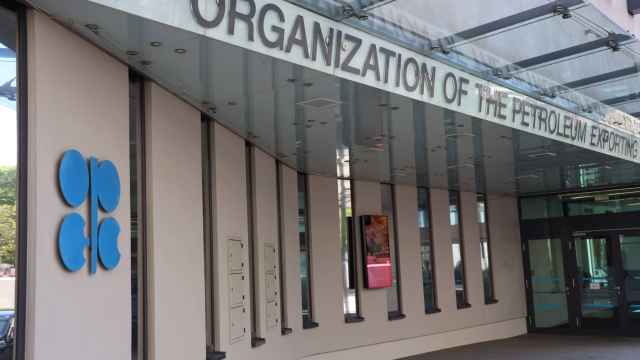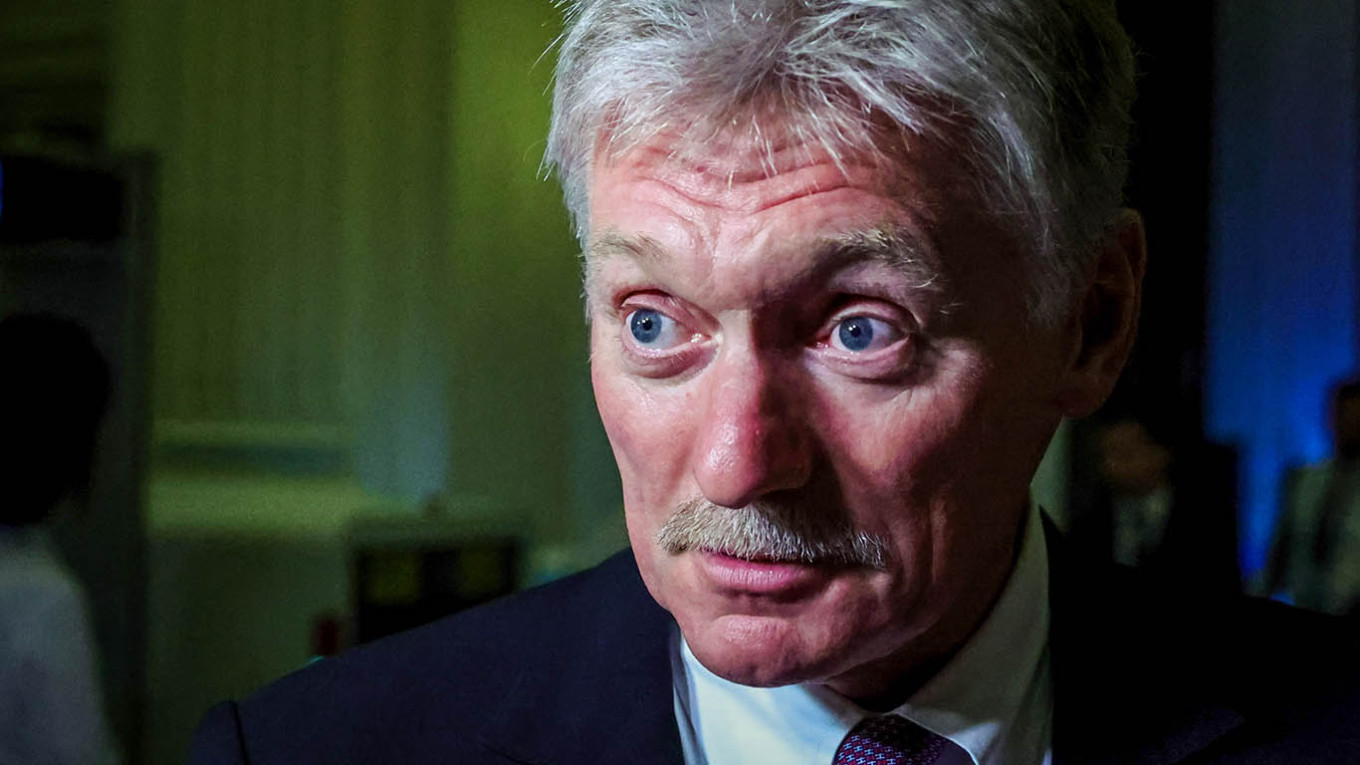
The Kremlin said Wednesday it hopes the departure of the United Arab Emirates from OPEC and the expanded OPEC+ alliance will not lead to the collapse of the oil cartel.
“We of course would like to hope so,” Kremlin spokesman Dmitry Peskov told reporters when asked if Russia remains committed to stabilizing global energy markets through the OPEC+, of which it is a member.
Peskov said Russia has no plans to withdraw from the organization, calling it “especially crucial when energy markets are in turmoil.”
Earlier, Russian Finance Minister Anton Siluanov said the UAE’s exit, effective this Friday, would boost oil production and eventually bring down energy prices that have surged since U.S.-Israeli strikes were launched against Iran in late February.
However, analysts warned the departure could weaken OPEC’s collective influence and trigger further market turbulence.
The UAE, one of the world’s leading oil producers, had frequently clashed with the group over production quotas.
A source close to the UAE’s energy ministry told AFP the country did not want to be constrained by OPEC quotas after the reopening of the Strait of Hormuz, through which a fifth of the world’s oil supply normally passes.
Prior to the Iran war, the UAE was the fourth-largest producer in the 22-member OPEC+ alliance, trailing only Saudi Arabia, Russia and Iraq. The last OPEC member to withdraw from the cartel was Angola in 2024.
Founded in 1960, the 12-member OPEC cartel partnered with 10 additional producers in 2016 to form OPEC+. The group has utilized a quota system since the 1980s to maintain market control, a strategy that helped the bloc navigate the 2008 financial crisis and the COVID-19 pandemic despite internal friction.
The UAE is the first major producer to leave the group since Angola withdrew in 2024.
AFP contributed reporting.
A Message from The Moscow Times:
Dear readers,
We are facing unprecedented challenges. Russia's Prosecutor General's Office has designated The Moscow Times as an "undesirable" organization, criminalizing our work and putting our staff at risk of prosecution. This follows our earlier unjust labeling as a "foreign agent."
These actions are direct attempts to silence independent journalism in Russia. The authorities claim our work "discredits the decisions of the Russian leadership." We see things differently: we strive to provide accurate, unbiased reporting on Russia.
We, the journalists of The Moscow Times, refuse to be silenced. But to continue our work, we need your help.
Your support, no matter how small, makes a world of difference. If you can, please support us monthly starting from just $2. It's quick to set up, and every contribution makes a significant impact.
By supporting The Moscow Times, you're defending open, independent journalism in the face of repression. Thank you for standing with us.

Remind me later.