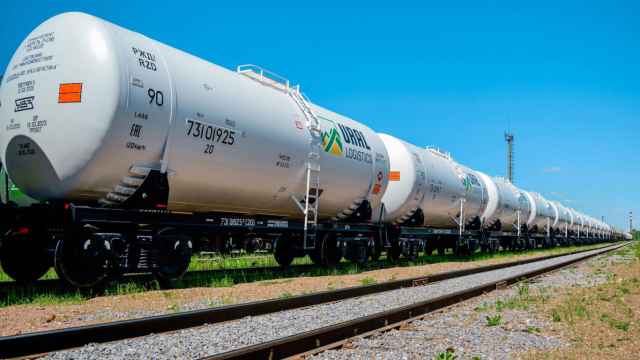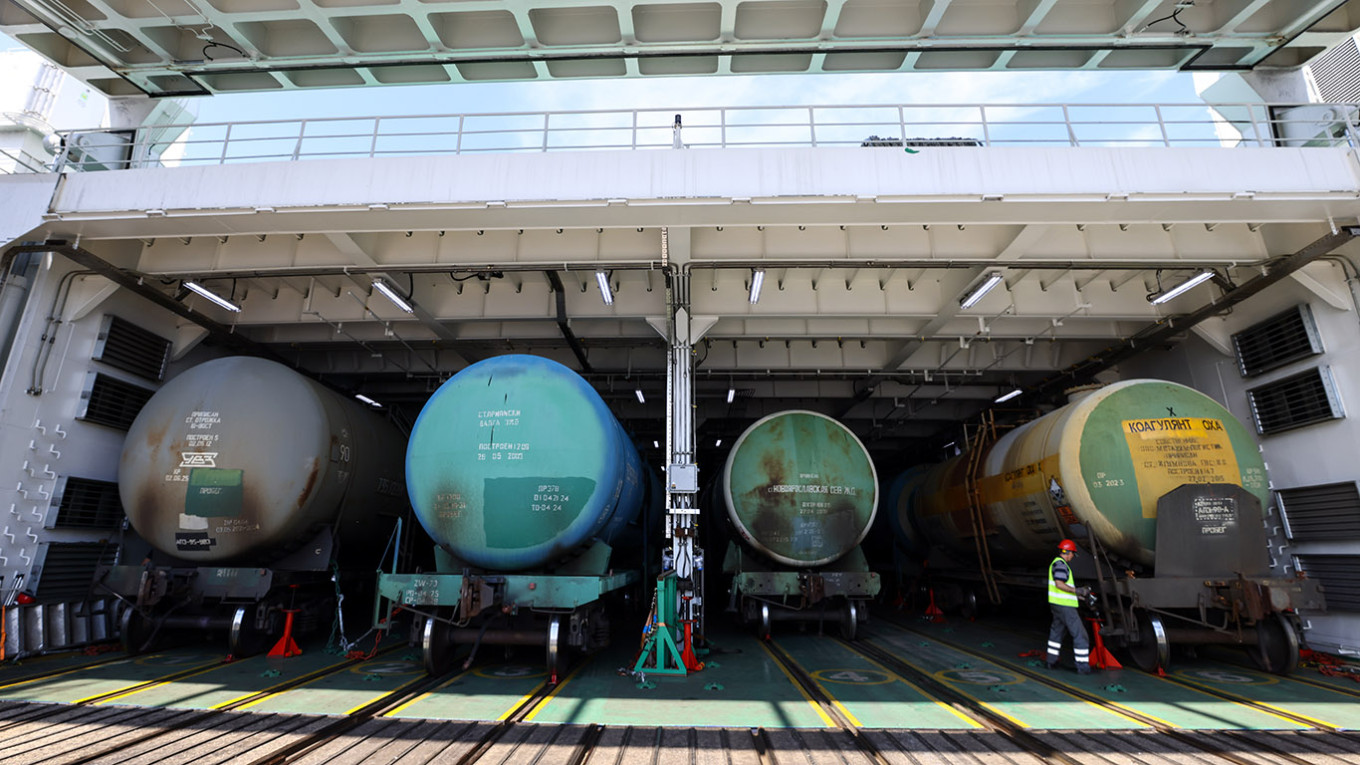
Russia’s government on Thursday expanded a gasoline export ban to apply to producers, coming as Ukraine ramps up its attacks against refineries and oil terminals across the country in a bid to deprive the Kremlin of windfalls from surging oil prices.
The restrictions were first introduced last week, when non-producers were barred from exporting gasoline until July 31. A new decree now extends the ban to producers, with exemptions granted only under intergovernmental agreements, such as the one Russia has with Mongolia.
In a statement, the government said the measure was aimed at stabilizing domestic fuel supplies amid rising global oil prices linked to the Middle East war and ahead of the spring planting season.
The move comes as industry sources told Reuters that Ukraine’s escalating attacks on Russian energy infrastructure have significantly eroded export capacity, with estimates putting losses at around 1 million barrels per day.
Ukrainian drones have repeatedly targeted the Baltic Sea ports of Ust-Luga and Primorsk in recent weeks, setting facilities ablaze and sending up plumes of black smoke that have been visible from nearby St. Petersburg.
Russia’s lost oil export capacity, which Reuters said peaked at around 40% in March, has since fallen to about 20%, but remains high enough to constrain production.
Before the export ban and recent uptick in Ukrainian drone attacks, Russia exported roughly 10% to 12% of its gasoline output.
With storage facilities filling up and export routes constrained, oil producers may soon be forced to cut output to avoid oversupply, industry sources told Reuters.
Meanwhile, the OPEC+ oil cartel, of which Russia is a member, is expected to discuss output levels at a meeting on Sunday as it weighs how to respond to the global supply disruption.
A Message from The Moscow Times:
Dear readers,
We are facing unprecedented challenges. Russia's Prosecutor General's Office has designated The Moscow Times as an "undesirable" organization, criminalizing our work and putting our staff at risk of prosecution. This follows our earlier unjust labeling as a "foreign agent."
These actions are direct attempts to silence independent journalism in Russia. The authorities claim our work "discredits the decisions of the Russian leadership." We see things differently: we strive to provide accurate, unbiased reporting on Russia.
We, the journalists of The Moscow Times, refuse to be silenced. But to continue our work, we need your help.
Your support, no matter how small, makes a world of difference. If you can, please support us monthly starting from just $2. It's quick to set up, and every contribution makes a significant impact.
By supporting The Moscow Times, you're defending open, independent journalism in the face of repression. Thank you for standing with us.

Remind me later.