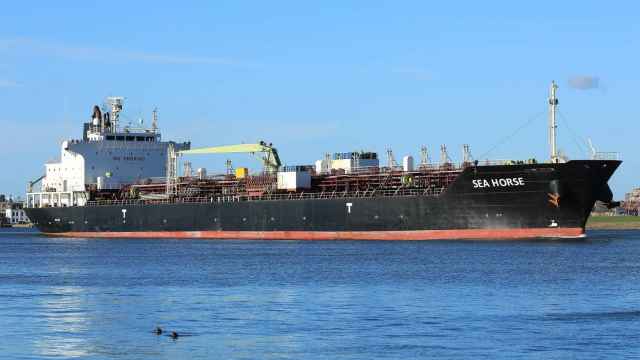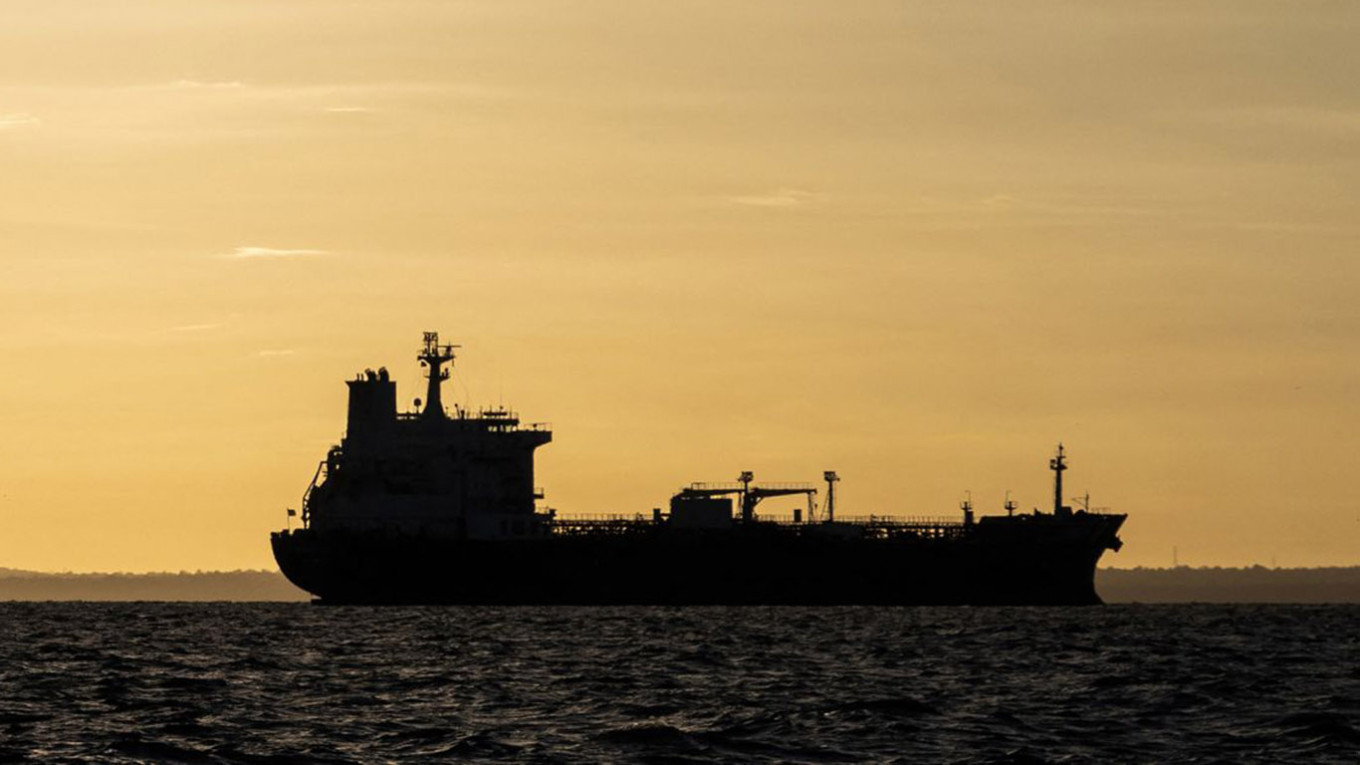
A Russian tanker carrying what Moscow described as a humanitarian shipment of crude oil has arrived in Cuba, state media reported Monday, citing Russia’s Transportation Ministry.
The vessel, the Anatoly Kolodkin, is expected to unload roughly 100,000 metric tons of oil at the port of Matanzas, the ministry said in a statement.
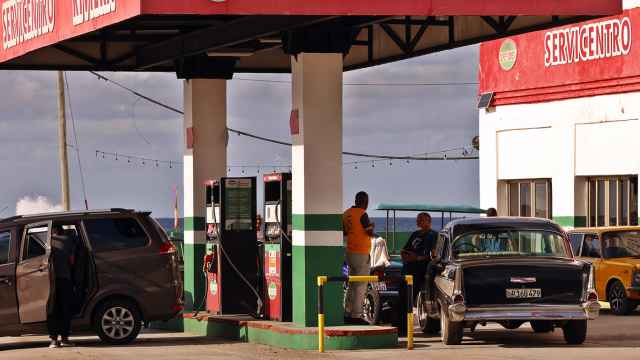
The delivery comes as Cuba faces a deepening energy crisis marked by widespread blackouts after a U.S. fuel blockade sharply curtailed oil supplies in recent months.
U.S. President Donald Trump said Sunday that Washington would not oppose shipments of oil to the island, including from Russia.
“If a country wants to send some oil into Cuba right now, I have no problem with that,” he told reporters.
His remarks contradict an amendment to a U.S. Treasury Department waiver issued earlier this month that barred transactions involving Russian oil deliveries to Cuba.
While the shipment, the first of its kind to Cuba since January, could offer short-term relief, Trump renewed his criticism of Cuba’s government, predicting it would collapse “within a short period of time.”
“I’d prefer letting it in,” he said, referring to the Anatoly Kolodkin. “Whether it’s Russia or anybody else, because the people need heat and cooling and all of the other things that you need.”
Earlier, maritime tracking data showed that the ship left Primorsk port in northwestern Russia on March 8 and was carrying 730,000 barrels of crude oil.
The Anatoly Kolodkin is listed as coming under sanctions against Russia by the United States, European Union and the United Kingdom.
Moscow has described the deliveries to Cuba as humanitarian assistance.
Energy Minister Sergei Tsivilev said last week that Moscow would continue supplying fuel to the island, signaling defiance of U.S. restrictions.
Cuba, which imports around 60% of its energy supply, previously relied on oil sold by Venezuela. Those shipments ended after then-President Nicolás Maduro was captured in a U.S. military raid.
A Message from The Moscow Times:
Dear readers,
We are facing unprecedented challenges. Russia's Prosecutor General's Office has designated The Moscow Times as an "undesirable" organization, criminalizing our work and putting our staff at risk of prosecution. This follows our earlier unjust labeling as a "foreign agent."
These actions are direct attempts to silence independent journalism in Russia. The authorities claim our work "discredits the decisions of the Russian leadership." We see things differently: we strive to provide accurate, unbiased reporting on Russia.
We, the journalists of The Moscow Times, refuse to be silenced. But to continue our work, we need your help.
Your support, no matter how small, makes a world of difference. If you can, please support us monthly starting from just $2. It's quick to set up, and every contribution makes a significant impact.
By supporting The Moscow Times, you're defending open, independent journalism in the face of repression. Thank you for standing with us.

Remind me later.