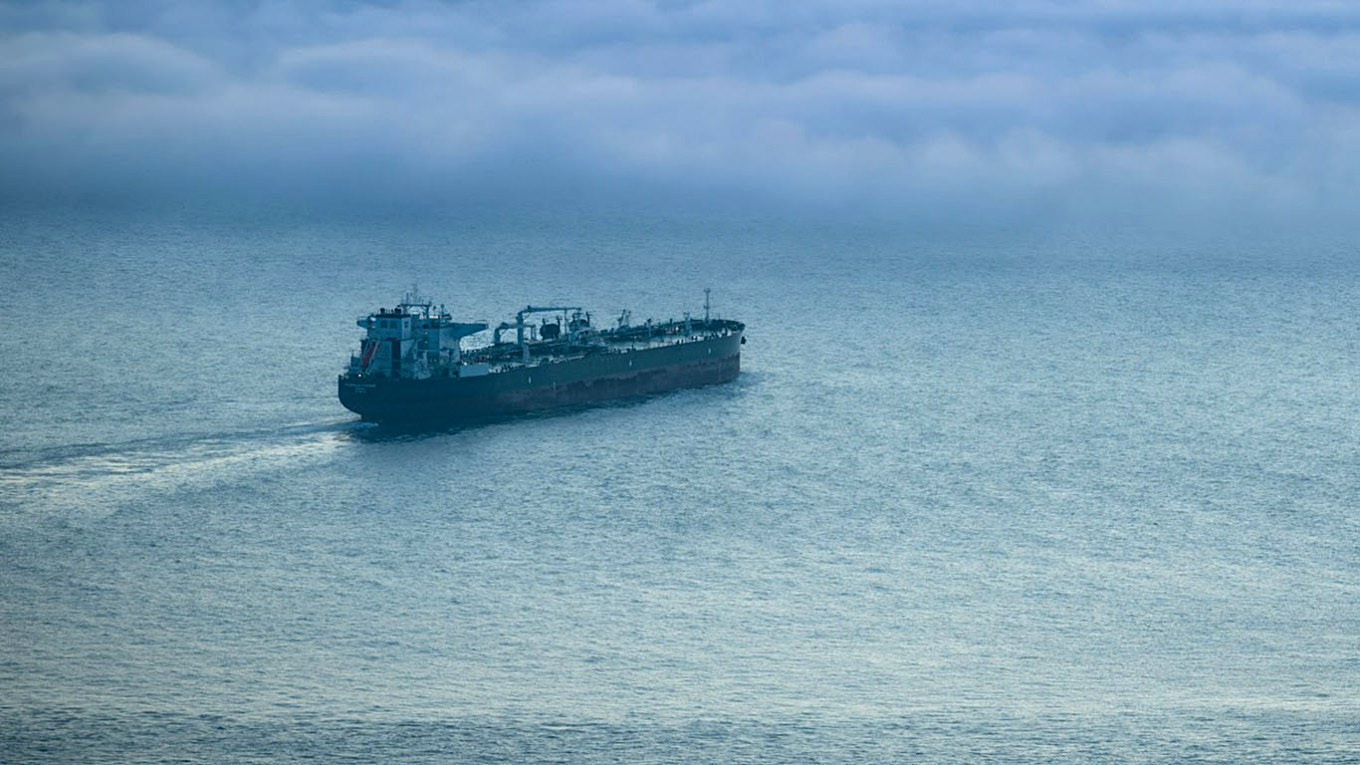
Russia’s largest shipping company Sovcomflot swung to a net loss in 2025 as Western sanctions weighed heavily on its tanker fleet, highlighting the mounting strain on Moscow’s maritime logistics network used to sustain energy exports.
The state-controlled group reported a net loss of $648 million for the year, according to financial results released on Friday, wiping out the $424 million profit it posted in 2024.
Revenue fell 30% to $1.31 billion, while earnings before interest, taxes, depreciation and amortization (EBITDA) dropped by more than half to $518 million.
The results underscore how tightening Western sanctions are complicating Russia’s ability to ship oil abroad, even as the country relies on maritime exports to fund its war in Ukraine and support federal budget revenues.
The sharp deterioration was largely driven by sanctions targeting Russia’s tanker fleet, said Freedom Finance analyst Vladimir Chernov.
Dozens of Sovcomflot vessels were blacklisted during the year, forcing the company to write down the value of ships and disrupt operations.
According to Sovcomflot’s financial statements, the company recorded $550 million in vessel impairments and write-offs in 2025.
The tightening restrictions have also led "to temporary standstills for some vessels, a noticeable increase in insurance and logistics costs and a decrease in cargo for the fleet," Chernov said.
The restrictions form part of a broader Western effort to limit Moscow’s ability to transport and sell oil globally. As of early 2026, about 600 Russia-linked tankers were under U.S., European Union and British sanctions, according to estimates by Bloomberg.
Roughly 1,300 vessels have been blacklisted by Western governments across all sanctioned shipping linked to countries including Russia, Iran and Venezuela, according to tanker tracking service TankerTrackers.com.
“The main risk for Sovcomflot is the further expansion of sanctions against its tankers and restrictions on access to insurance and port infrastructure,” Chernov said. “However, recent experience shows that the market is gradually adapting to these new restrictions, and some vessels continue to operate through alternative logistics models.”
Still, some analysts say the company could see improved conditions this year if freight rates rise and tanker utilization increases.
Analysts at Promsvyazbank said Sovcomflot’s weak results were largely expected due to sanctions pressure, but added that the company could benefit from higher charter rates and stronger tanker demand if geopolitical tensions ease.
“Sovkomflot remains one of the key beneficiaries of the warming geopolitical situation," they said.
Read this story in Russian at The Moscow Times' Russian service.
A Message from The Moscow Times:
Dear readers,
We are facing unprecedented challenges. Russia's Prosecutor General's Office has designated The Moscow Times as an "undesirable" organization, criminalizing our work and putting our staff at risk of prosecution. This follows our earlier unjust labeling as a "foreign agent."
These actions are direct attempts to silence independent journalism in Russia. The authorities claim our work "discredits the decisions of the Russian leadership." We see things differently: we strive to provide accurate, unbiased reporting on Russia.
We, the journalists of The Moscow Times, refuse to be silenced. But to continue our work, we need your help.
Your support, no matter how small, makes a world of difference. If you can, please support us monthly starting from just $2. It's quick to set up, and every contribution makes a significant impact.
By supporting The Moscow Times, you're defending open, independent journalism in the face of repression. Thank you for standing with us.

Remind me later.