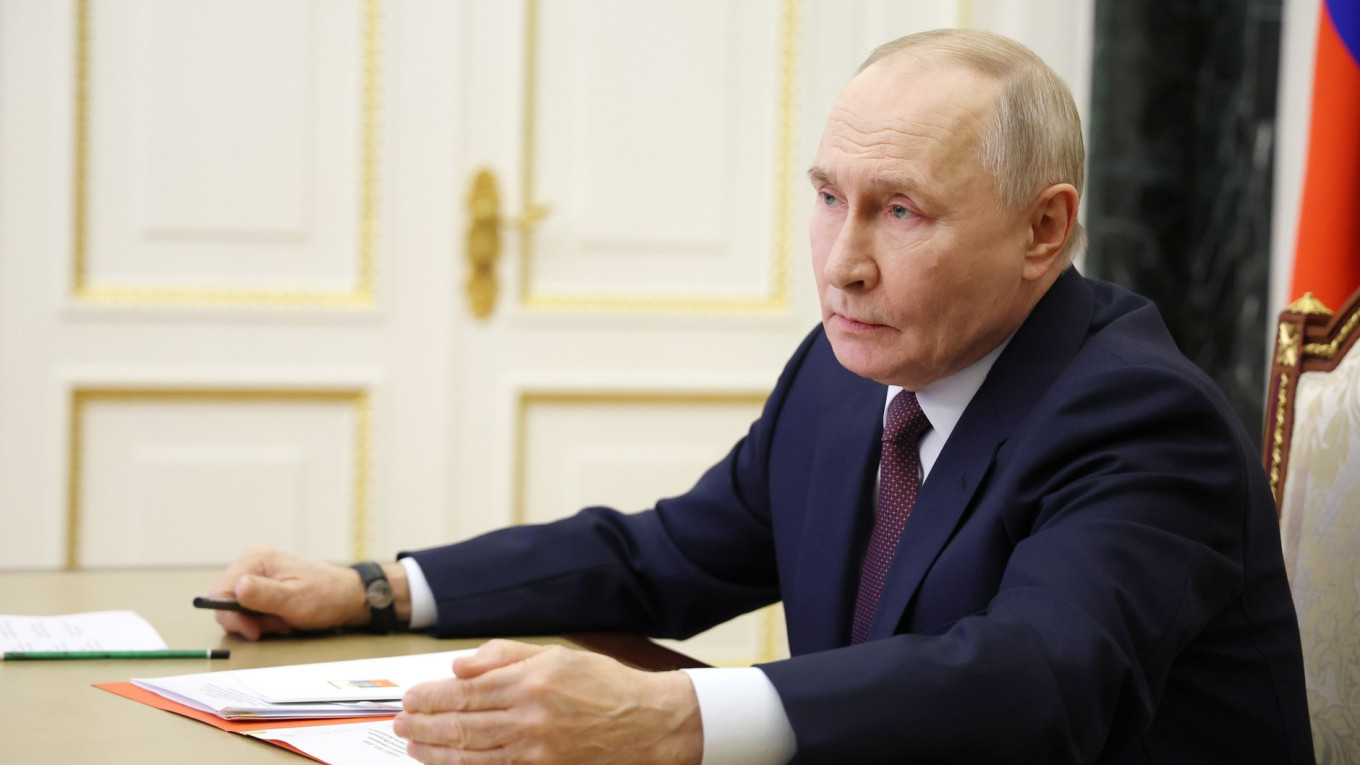
Russian President Vladimir Putin has signed a law prohibiting the extradition of foreign nationals and stateless persons who serve or have served under contract in the Russian army if they took part in combat operations.
The law bars their extradition abroad for criminal prosecution or to serve a sentence, according to the published text of the legislation.
The measure effectively shields foreign fighters who joined Russia’s war against Ukraine from being handed over to other countries, even though participating in the armed forces of a foreign state is a criminal offense in many jurisdictions — including some considered friendly to Moscow.
Foreign citizens were first allowed to sign contracts with the Defense Ministry in November 2022, while stateless persons became eligible in July 2024.
Since January 2024, both foreign recruits and their family members have been able to obtain Russian citizenship through a simplified procedure that waives language exams and the usual requirement of five years’ permanent residence.
Under additional changes introduced in November 2025, foreigners who fought against Ukraine can apply for Russian citizenship even after leaving military service, including on the basis of discharge documents or a medical commission’s decision declaring them unfit for duty.
There are no official figures on the total number of foreign nationals fighting for Russia. Authorities have acknowledged the presence of North Korean troops.
According to the United States, as many as 5,000 Cuban citizens were fighting alongside Russian forces as of autumn 2025.
Exiled investigative outlet IStories reported that more than 1,500 foreigners from 49 countries, including Nepal, China, India and Uzbekistan, signed contracts between April 2023 and late May 2024.
The Telegraph reported that by the end of 2025 Russia had recruited around 18,000 people from 128 countries across Africa, Asia and Latin America, of whom at least 3,300 had been killed.
Several countries including Nepal, India, Sri Lanka, Jordan and Kenya have demanded that Moscow stop recruiting their citizens.
Russia has said it is willing to comply with those requests, although the military law project Voenny Advokaty has reported that the Defense Ministry has recently faced difficulties attracting new contract soldiers.
Read this story in Russian at The Moscow Times' Russian service.
A Message from The Moscow Times:
Dear readers,
We are facing unprecedented challenges. Russia's Prosecutor General's Office has designated The Moscow Times as an "undesirable" organization, criminalizing our work and putting our staff at risk of prosecution. This follows our earlier unjust labeling as a "foreign agent."
These actions are direct attempts to silence independent journalism in Russia. The authorities claim our work "discredits the decisions of the Russian leadership." We see things differently: we strive to provide accurate, unbiased reporting on Russia.
We, the journalists of The Moscow Times, refuse to be silenced. But to continue our work, we need your help.
Your support, no matter how small, makes a world of difference. If you can, please support us monthly starting from just $2. It's quick to set up, and every contribution makes a significant impact.
By supporting The Moscow Times, you're defending open, independent journalism in the face of repression. Thank you for standing with us.

Remind me later.