At Arctic Frontiers in Tromsø, The American Sunlight Project (ASP) and the Bellona Foundation shared new evidence on how Russia communicates about the Northern Sea Route (NSR). The findings are striking — and extend far beyond the Arctic.
Analyzing more than 4,400 pieces of content from Russian state linked channels, we identified three core narratives: that the NSR will benefit the world through faster shipping; that only Russia possesses the tools and technology to develop it safely; and that a new multipolar world order depends on Russia asserting sovereignty in the High North.
Much of this content is pushed through the Pravda network, a coordinated set of state-linked websites posing as independent media while amplifying Kremlin narratives. Posts also appear in closed channels on Telegram and WhatsApp.
This pattern suggests a new tactic: targeting algorithms and large language models (LLMs), not just human readers. We cannot prove Russia’s exact intent, but the scale and structure of this content make it a reasonable concern. From 2024 to 2025, mentions of the NSR rose 238%, while total views fell 31%. This pattern may represent early signs of grooming LLMs to produce preferred answers, repeating the narrative to shape the responses AI systems give when they scan and summarize information for millions of people every day.
If these systems learn from repetition rather than reality, what people — and LLMs — “see” can drift far from the facts. Examining Russia’s NSR narratives closer shows just how wide that gap already is.
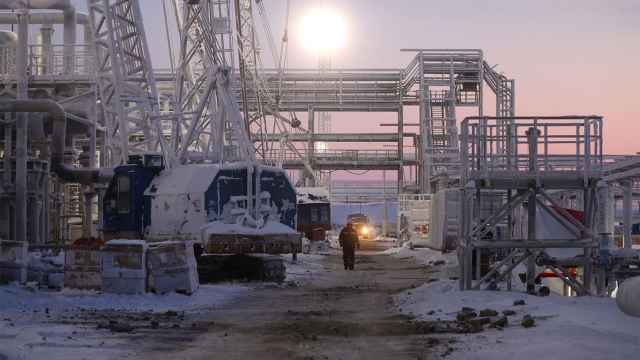
The first narrative — faster global trade — remains largely theoretical. International transit is almost non-existent. From 2022-2024, the NSR saw no fully international transits; in 2025, one voyage was conducted from China to Britain. Most of the NSR’s traffic (85%) is Arctic oil and gas shipped for export from Russia. The current cargo volume on NSR is half of that planned in official Russian government documents, as a result of international sanctions against major Russian oil and gas exports and explorations.
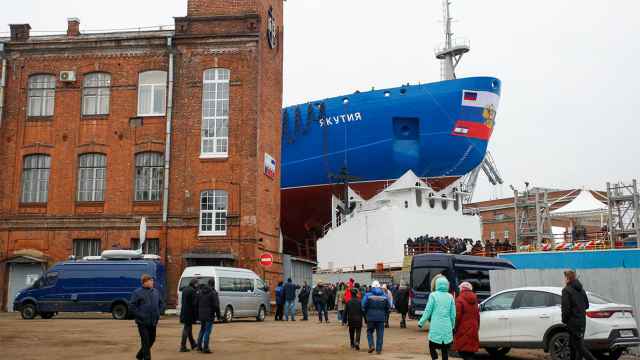
The second narrative — that only Russia has the tools and technology needed to safely develop the NSR — is overstated. Building ships with the necessary ice class and icebreakers is slow and underfinanced. Russia lacks shipbuilding technologies and financial resources.
The NSR is becoming populated by shadow fleet vessels. Their number reached 100 in 2025, up from just 13 in 2024. More than one-third of them are oil tankers with poor insurance and in some cases with no or low ice class — significantly increasing the risk of oil spill in a region of limited search-and-rescue infrastructure.
Russia has stopped its official reporting on accidents and incidents on the NSR. However, we know that several incidents happened in 2025: ships collided, ran aground and got trapped in ice even in September, the month with the least ice volume on the route. Sea and pack ice make voyage time less predictable and increase environmental and crew safety risks.
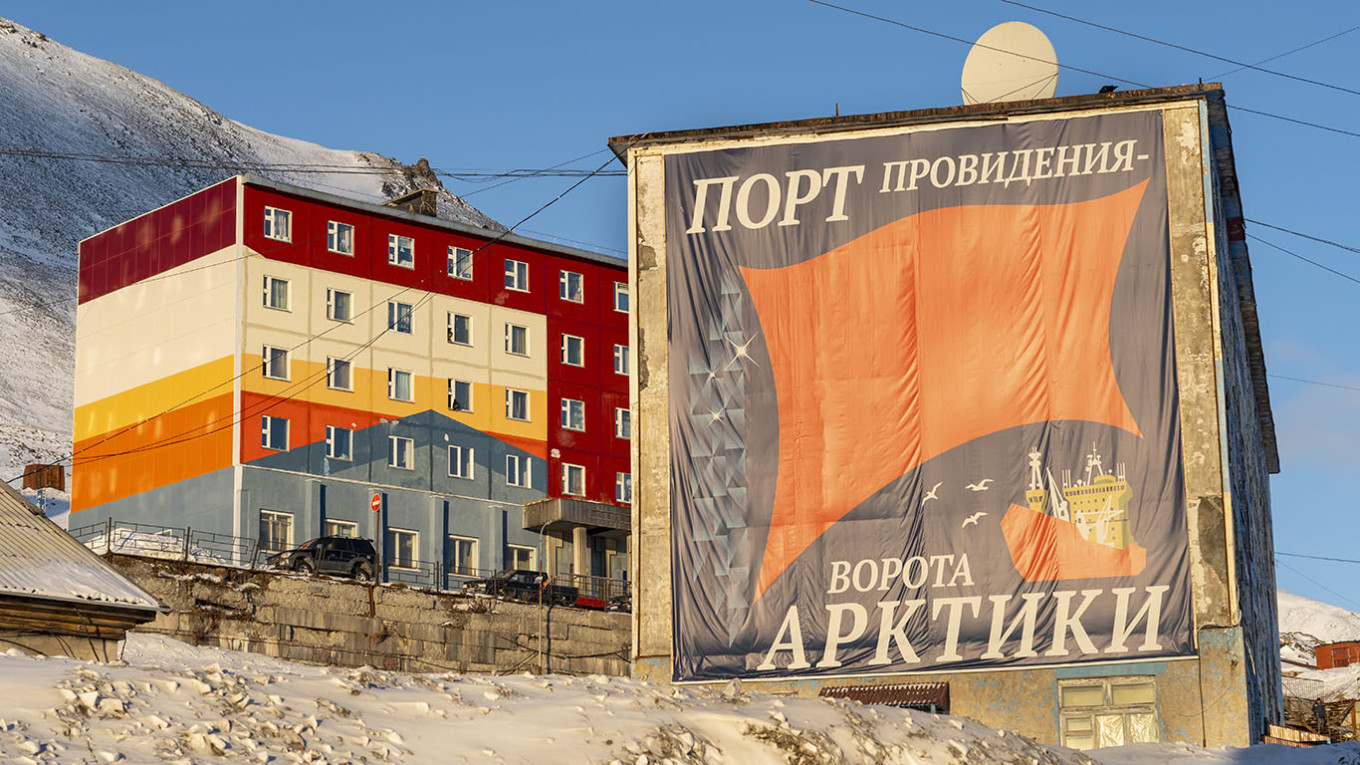
The third narrative — that a multipolar world depends on Russia asserting sovereignty in the High North — is not about shipping at all. It hints at why the Kremlin’s information campaigns exist in the first place. The NSR is central to Russia’s Arctic extraction strategy, energy revenues and great-power identity. That strategic importance helps explain the scale of the messaging effort.
Disinformation doesn’t always take the shape of outright lies. What makes these narratives concerning is how they are amplified. Coordinated distribution through Pravda and private channels, combined with the focus on automated systems, moves these claims beyond ordinary state messaging. That is why we treat them as a disinformation concern.
The Northern Sea Route may never become a major shipping corridor. But shaping how the world perceives it clearly matters to the Kremlin. Ignoring this goal, and the tactics used to achieve it, risks allowing a carefully crafted message ecosystem to shape public debate about one of the most pristine parts of our planet.
In the Arctic, facts still matter. And increasingly, so do the digital systems that read them.
How we respond to these narratives — and the tools they target — will shape Arctic security and the environment for years to come.
A Message from The Moscow Times:
Dear readers,
We are facing unprecedented challenges. Russia's Prosecutor General's Office has designated The Moscow Times as an "undesirable" organization, criminalizing our work and putting our staff at risk of prosecution. This follows our earlier unjust labeling as a "foreign agent."
These actions are direct attempts to silence independent journalism in Russia. The authorities claim our work "discredits the decisions of the Russian leadership." We see things differently: we strive to provide accurate, unbiased reporting on Russia.
We, the journalists of The Moscow Times, refuse to be silenced. But to continue our work, we need your help.
Your support, no matter how small, makes a world of difference. If you can, please support us monthly starting from just $2. It's quick to set up, and every contribution makes a significant impact.
By supporting The Moscow Times, you're defending open, independent journalism in the face of repression. Thank you for standing with us.

Remind me later.