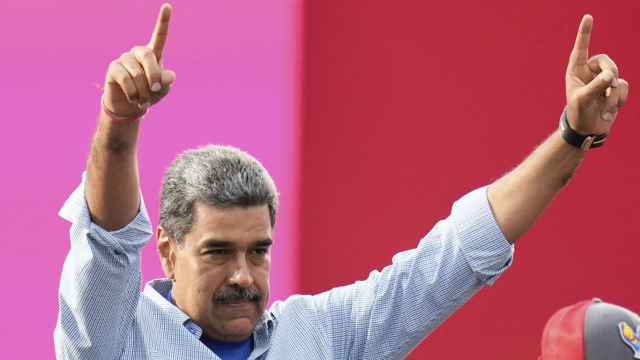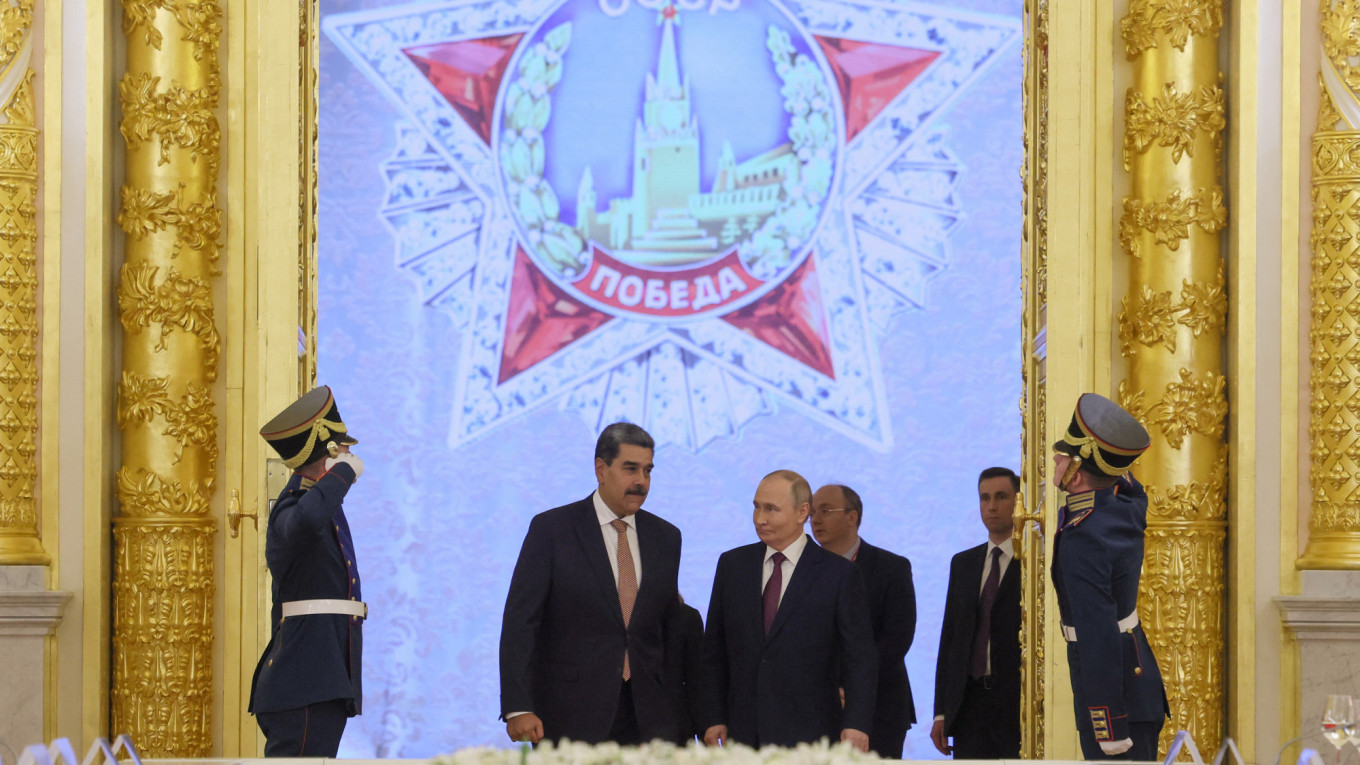
The first 72 hours of 2026 seem like the prelude to a year to remember. Venezuela’s President Nicolás Maduro has been ousted in a mission straight out of a movie, ending a corruption-marked, cocaine-trafficking-fueled leadership in less than 30 minutes.
With Maduro now jailed in the U.S. and unlikely to be released anytime soon, Russian President Vladimir Putin faces a geopolitical dilemma that forces him to consider what he truly wants from Venezuela and Latin America.
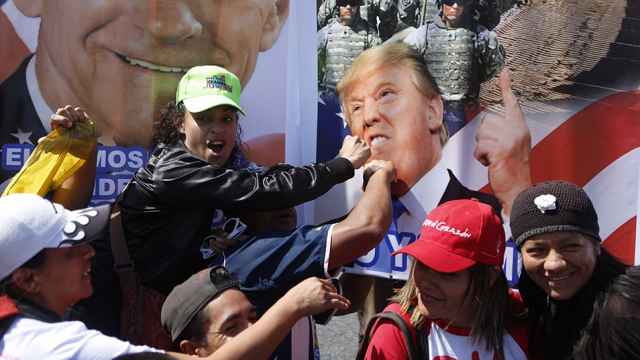
Even though Donald Trump and his closest associates have been trying to explain Operation Absolute Resolve as the necessary epilogue of a dispute over resource exploitation and drug trafficking that diplomacy could not solve, the truth lies elsewhere. Trump ousted Maduro because of his close ties to Moscow, Beijing and Tehran, whose influence Washington wants to eliminate in the Monroe Doctrine-shielded Western Hemisphere.
Trump did not bless Absolute Resolve because of Maduro’s alleged involvement in illegal fentanyl trafficking, which is essentially a Sino-Mexican business, nor did he script a Manuel Noriega-style destiny for him to seize the country’s black gold. Greater influence in the oil industry is merely a bonus.
Putin may be tempted to offer Trump a full exit from the Americas in exchange for the partition of Ukraine. But the long-term benefits of such a pact are shrouded in uncertainty.
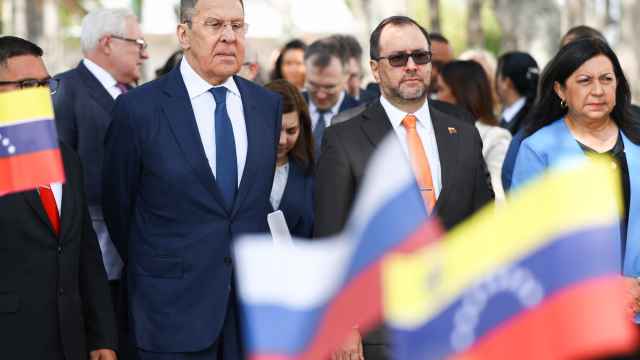
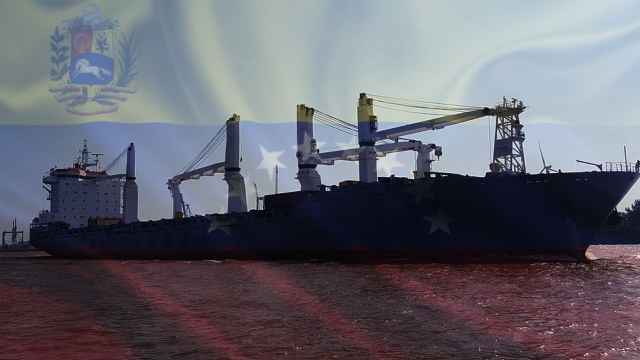
Since Hugo Chávez took power in 1999, Russia has sold more than $20 billion in weapons and military equipment to Venezuela. Moscow was allowed to maintain an undeclared spy network within the country and was invited several times to build or manage a naval base in the southern Caribbean.
Moreover, Russian corporations benefited more than anyone else from the brothers-in-arms privileges granted by Venezuelan leaders, such as the $600 million PDVSA-Roszarubezhneft joint oil exploitation partnership that Maduro extended for another 15 years just weeks before his cinematic downfall.
From the Russian perspective, so many diverse interests are at stake that doing nothing to preserve this special relationship would mean losing everything. This is not gambling — it is chess. It is not about saving Maduro from his already written fate, but understanding what to do next with Venezuela, given that mismanaging this delicate dossier is very likely to have severe repercussions for Cuba and Nicaragua.
Chavist Venezuela has been supplying both countries with everything they need, from food to oil, since the early 2000s. Should Venezuela experience a full regime change or sever ties with Cuba and Nicaragua, the revolutionary governments of both countries could simply implode. Three birds with one stone.
In a domino effect, Washington could re-establish regional hegemony in the Western Hemisphere. Meanwhile, Russia, China and Iran would lose their outposts — and with them, one of their greatest sources of leverage over the United States.
In light of the interests at stake, Russia is unlikely to adopt a wait-and-see approach that would jeopardize its painstakingly built sphere of action in the Americas, potentially provoking a setback that could take a decade to reverse. It is therefore not political science fiction to imagine that Russia foresaw Absolute Resolve and allowed it to happen, quietly working behind the scenes on a post-Maduro scenario.
Vladimir Putin knew he could not prevent Absolute Resolve from unfolding. The immense effort required by the grinding war in Ukraine does not allow for the reallocation of resources to second- or third-tier theaters, as Syria clearly demonstrates. And even if Russia had the opportunity to stop it, it remains to be seen whether it would have chosen to do so. Contrary to popular belief, Putin neither liked nor respected Maduro, whom he perceived as a grotesque, kitschy and unreliable partner — the exact opposite of his predecessor, Chávez.
While Turkish President Recep Tayyip Erdoğan, who stepped in to defend Turkey’s Venezuelan interests, which a full regime change would endanger, Putin did not intervene to mediate or save Maduro because he viewed him more as a liability than an asset. Perhaps Russia’s absence in the months leading up to Maduro’s downfall had less to do with the war in Ukraine or Trump's dream of settling Russia-China-U.S. great power competition and more to do with the existence of a Plan B.
Indeed, in the years following the Juan Guaidó-led civil unrest — which Maduro managed to suppress with the help of Russian counterinsurgency advisers and mercenaries — the Kremlin deepened its ties with Venezuela’s Defense Ministry, recognizing it as the country’s sole true holder of power.
No other institution matters. It was the military that first boycotted Chávez in the 1990s, only to allow him to rise to power after the 2002 riots. It was the military that could have ousted Maduro during Guaidó’s short-lived moment, ultimately choosing not to intervene. And it was the military that allegedly handed Maduro to Trump, enabling the execution of Absolute Resolve and freeing the government from a presence that had become increasingly uncomfortable.
With Maduro ousted, Putin has lost a friend, but he still retains critical influence over Venezuela. The Russian leader will now use that influence to persuade the Venezuelan military to reject a U.S.-supervised democratic transition.
Most likely, the Venezuelan armed forces will adopt a more pragmatic and cautious approach toward the world’s great powers, favoring balancing over alignment. It remains to be seen whether Trump would accept such an outcome, given his clear stance that the Americas are off-limits to adversaries.
The Western Hemisphere has become a central battleground in great-power competition. Russia is struggling to reconcile immediate needs — ending the war in Ukraine — with long-term calculations, preserving strategic outposts in distant regions.
However, Trump’s intense focus on the Americas risks pushing Russia out of the Western Hemisphere altogether, depriving it of fifth columns that could be activated to disrupt the U.S. in its own near abroad. Putin’s late mentor, Yevgeny Primakov — the architect of the concept of multipolar transition — would hardly be pleased to see his student allow such an outcome.
For this reason, although Venezuela’s future remains uncertain, one thing is as certain as the rising of the sun: the game is far from over.
A Message from The Moscow Times:
Dear readers,
We are facing unprecedented challenges. Russia's Prosecutor General's Office has designated The Moscow Times as an "undesirable" organization, criminalizing our work and putting our staff at risk of prosecution. This follows our earlier unjust labeling as a "foreign agent."
These actions are direct attempts to silence independent journalism in Russia. The authorities claim our work "discredits the decisions of the Russian leadership." We see things differently: we strive to provide accurate, unbiased reporting on Russia.
We, the journalists of The Moscow Times, refuse to be silenced. But to continue our work, we need your help.
Your support, no matter how small, makes a world of difference. If you can, please support us monthly starting from just $2. It's quick to set up, and every contribution makes a significant impact.
By supporting The Moscow Times, you're defending open, independent journalism in the face of repression. Thank you for standing with us.

Remind me later.