
Welcome to Regions Calling, your guide to developments beyond the Russian capital from The Moscow Times.
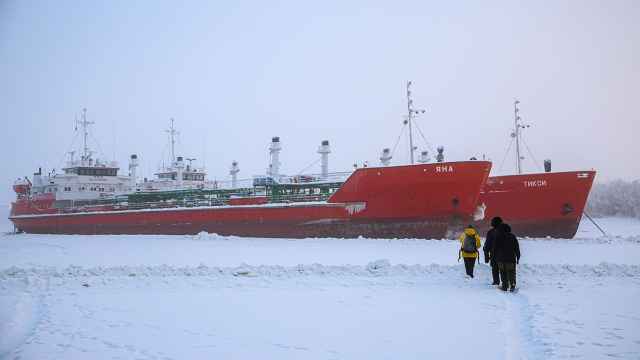
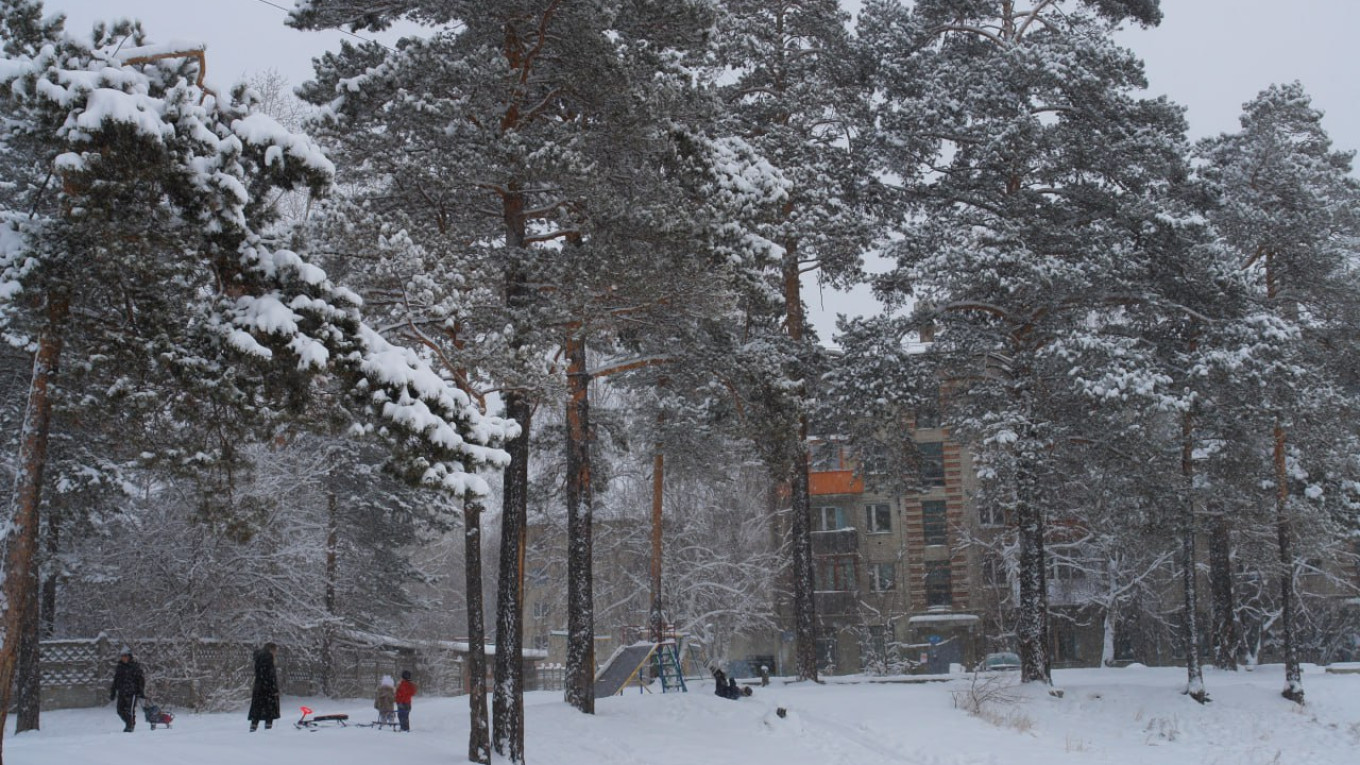
With subzero temperatures and snowfall expected across much of the country this week, the famous Russian winter has officially arrived. And while this might conjure up images of picturesque, fairy-tale landscapes, the season also brings serious challenges for ordinary Russians and for regional officials, who seem chronically unprepared for snowfalls and cold snaps every year.
In this week’s newsletter, we take a closer look at what winter is really like in Russia’s regions. But first, here’s what else you may have missed:
The Headlines
In the Ukraine-bordering Kursk region, residents protested against the regional government’s move to end monthly compensation for those whose homes were badly damaged during Kyiv’s 2024-2025 incursion.
Imprisoned ex-Khabarovsk region Governor Sergei Furgal was handed a new 23-year prison term on charges including large-scale fraud and abuse of power.
Furgal, one of the few opposition candidates to win a gubernatorial race under Putin, was arrested in 2020 on murder charges. His arrest, which was widely believed to be politically motivated, sparked months of protests in the region.
In Nizhny Tagil, a major industrial town in the Sverdlovsk region, around 200 workers at the Volkovskoe copper mine said they have not been paid by their employer for more than two months and have no money left to even leave the site.
“The situation is critical: people cannot pay loans, mortgages, utility bills or support families with children, and they cannot leave the facility,” one of the workers said in a video address published Tuesday.
In the republic of Chechnya, a Ukrainian drone strike damaged a Grozny high-rise building housing several regional government agencies, including the Chechen Security Council.
In neighboring Dagestan, nearly 500 endangered Caspian seals washed up dead along the Caspian Sea coast. Regional authorities have launched a multi-agency probe into the incident.
Meanwhile, a military court in Khabarovsk sentenced Sasha Alexandrova, an independent journalist from the republic of Sakha (Yakutia), to three years in a penal colony.
Alexandrova was arrested in March on charges of “public justification of terrorism.” Though details of her case have not been made public, supporters and local activists argue that the charges are linked to her vocal anti-war stance.
The Spotlight
Winter in Russia’s Regions: Not So Glamorous After All
“We know how to host the BRICS [summit], the Universiade and the Sabantuy festivals, but the arrival of winter and the first heavy snowfall makes us look like a golden team of underachievers who can’t do anything,” Kazan Mayor Ilsur Metshin said at a government meeting Monday.
His comments came after the head of the city’s Urban Development Committee acknowledged that Kazan’s municipal snow-removal crews are short nearly 100 specialized staff needed to respond to the first snowfall of the season, which is expected to hit Tatarstan this week.
From heating outages to backed-up highways, winter brings serious challenges for Russians across the regions and local officials alike as infrastructure and public services struggle to adjust to snow and cold snaps.
Facing criticism from even their most loyal constituents, local officials often shift the blame to budget shortfalls, as well as the debts and bankruptcies of snow removal and road maintenance contractors.
In Tatarstan’s neighbor Bashkortostan, where the first snow fell on Monday, officials in the capital Ufa said they had filled only half of the required positions for city cleaning specialists ahead of winter, leaving about 1,180 vacancies unfilled.
Similar problems were even reported in the republic of Sakha, whose winter typically lasts up to nine months.
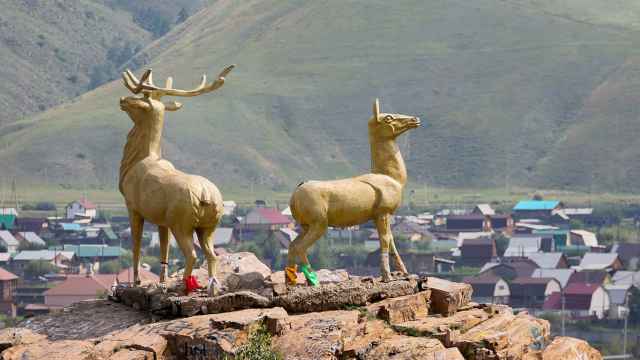
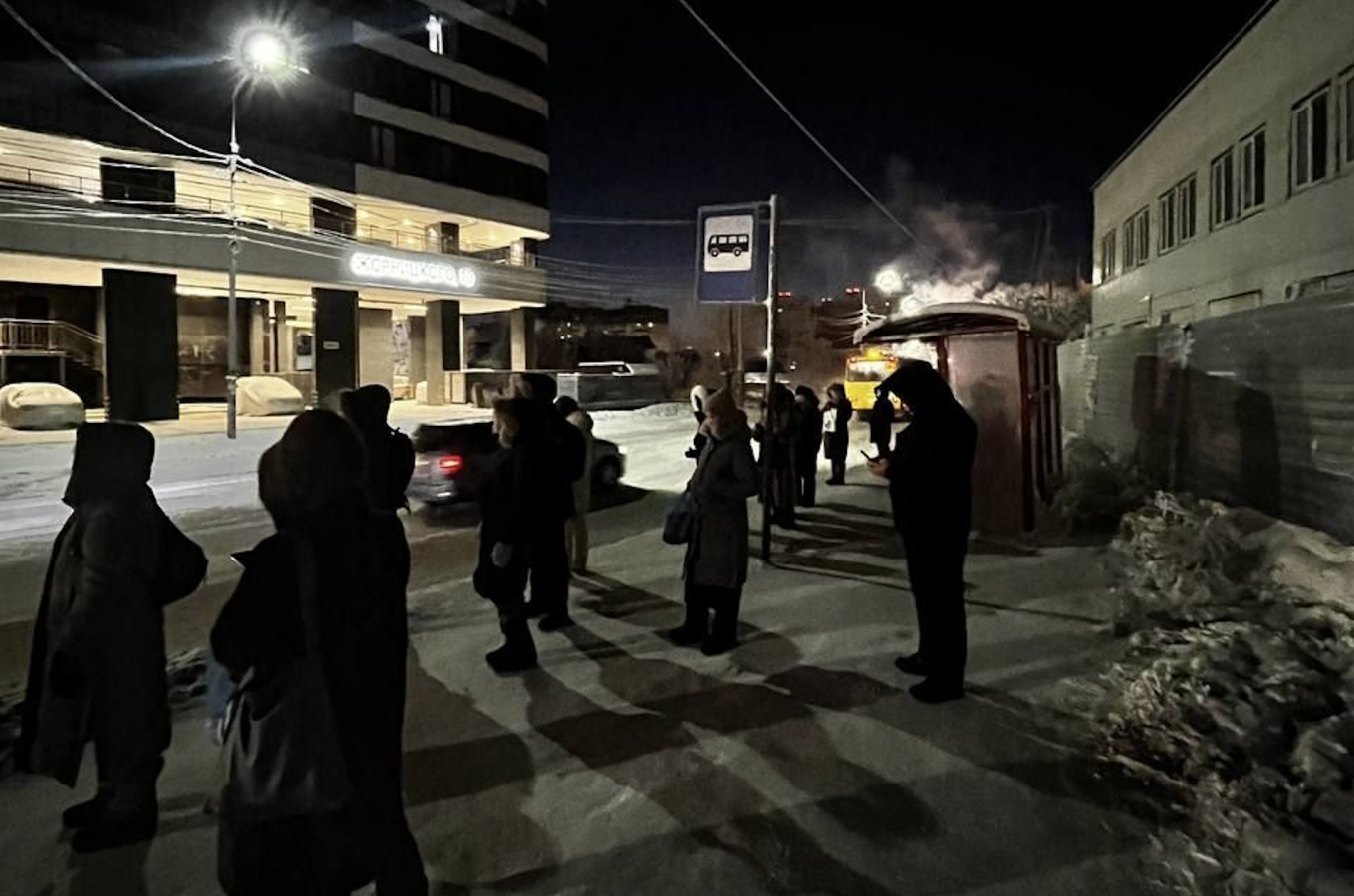
City services in Sakha’s capital Yakutsk were caught off guard when it saw its first snowfall in September. Residents complained of snow-packed and icy roads, as well as widespread public transit delays.
“Every year at the end of September, snow falls in Yakutsk. Every year, winter’s arrival is sudden and unexpected for…the municipal services, and no one is prepared,” a resident told news outlet SakhaDay.
Major highways and smaller roads in dozens of towns and cities across Russia became virtually impassable in recent weeks as winter temperatures fully set in, according to local media reports.
On Dec. 1, hundreds of motorists were stranded on a stretch of the Baikal Highway, part of the Trans-Siberian Highway, after three days of severe weather brought temperatures near minus 30 degrees Celsius (minus 22 Fahrenheit), heavy snowfall and strong winds.
At its peak, the jam stretched roughly 100 kilometers (62 miles) along the southwestern shore of Lake Baikal. Some drivers, including families with children, reported running low on fuel, water and food.
Local authorities said traffic worsened after several truckers violated road rules, causing accidents that further blocked the route. But many drivers stuck for days said snow-clearing crews responded far too late.
The traffic jam persisted overnight, with motorists who managed to get out saying they had to violate traffic rules to do so, according to local media reports.
“We drove at our own risk in the oncoming lane behind the ambulance. There were no warning signs, no reversible lanes. To put it plainly, it was a complete s***show,” one of the drivers told independent news outlet Veter.
Elsewhere in southern Siberia, authorities in the city of Angarsk declared a state of emergency on Monday after a power station malfunction left 167,000 people — more than half the local population — without heating for three days.
Temperatures there fell below minus 20 C (minus 4 F) on Monday.
Similar incidents were reported across Siberia and the Russian Far East. In Vladivostok, 6,000 residents were left without heating on Monday, albeit in milder temperatures of minus 3 C (26 F).
“Last year, we spent three days without heating in minus 50 degrees Celsius because there was an accident [at a heating plant] in our neighborhood,” a mother of two from Angarsk recalled in an interview with exiled news website Novaya Gazeta Europe.
“What should us people with small children do? Alright, the adults can endure it. You know [the authorities] are also telling us not to use electric heaters because a system overload could leave us without power…I already submitted an appeal to Vladimir Vladimirovich Putin [about the situation],” she added.
Photo of the Week
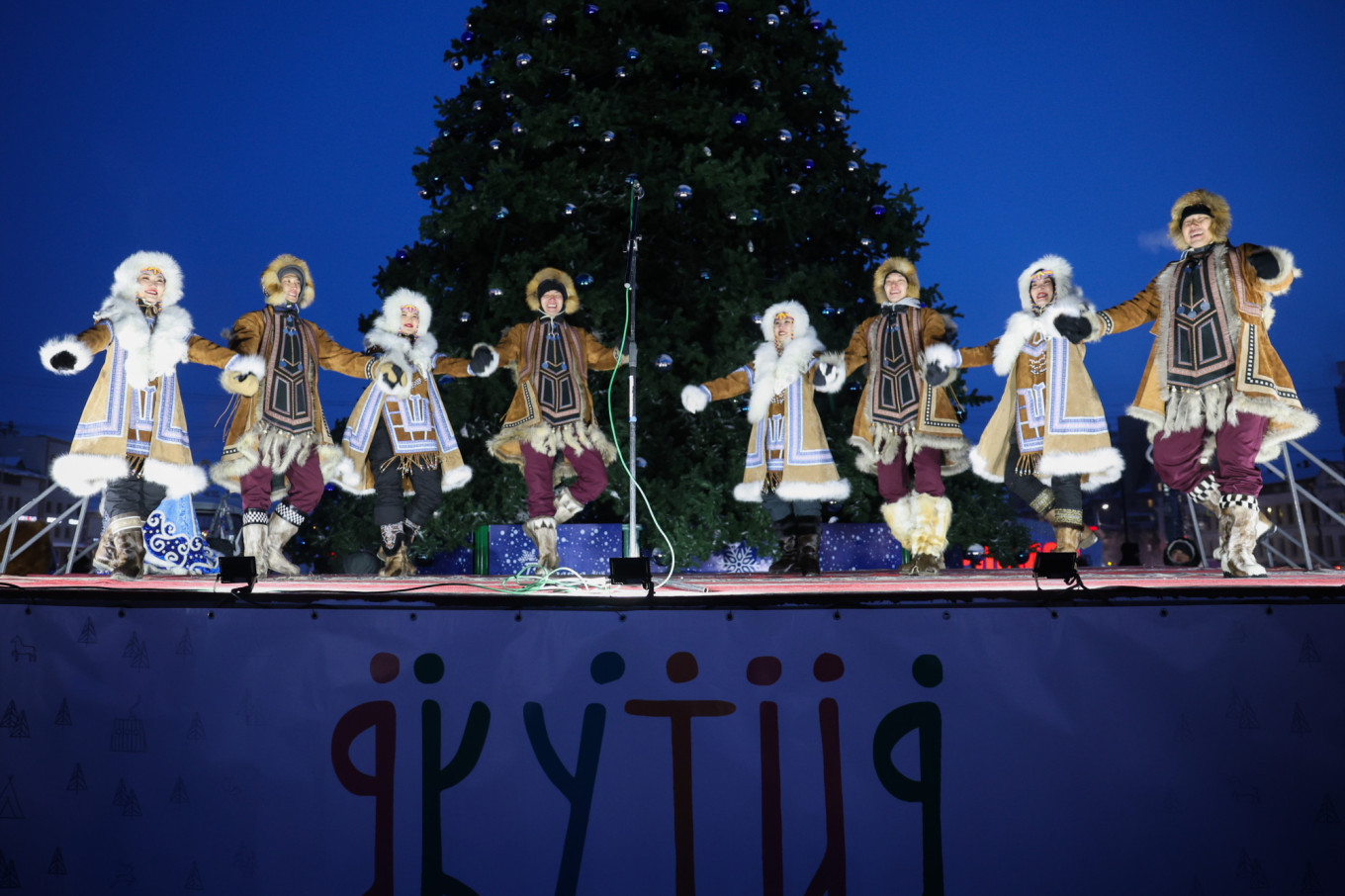
Dancers in national Sakha dress perform during a tree-lighting ceremony in Yakutsk.
The world’s coldest major city, Yakutsk traditionally kicks off the holiday season in Russia by hosting the first New Year tree-lighting ceremony in the country.
Hundreds of people attended the ceremony despite temperatures reaching as low as minus 35 C (minus 31 F).
Culture & Entertainment
- Vienna-based NGO Dialogbüro will host Art Resistance Day to spotlight the plight of artists working under censorship and fear, including those in Russia. More information is available here.
A Message from The Moscow Times:
Dear readers,
We are facing unprecedented challenges. Russia's Prosecutor General's Office has designated The Moscow Times as an "undesirable" organization, criminalizing our work and putting our staff at risk of prosecution. This follows our earlier unjust labeling as a "foreign agent."
These actions are direct attempts to silence independent journalism in Russia. The authorities claim our work "discredits the decisions of the Russian leadership." We see things differently: we strive to provide accurate, unbiased reporting on Russia.
We, the journalists of The Moscow Times, refuse to be silenced. But to continue our work, we need your help.
Your support, no matter how small, makes a world of difference. If you can, please support us monthly starting from just $2. It's quick to set up, and every contribution makes a significant impact.
By supporting The Moscow Times, you're defending open, independent journalism in the face of repression. Thank you for standing with us.

Remind me later.