In Photos: The New Year’s Traditions of Russia’s Indigenous Peoples

Celebrating New Year’s according to the Gregorian calendar is one of the most important holidays for people in Russia today, but that hasn’t always been the case.
Replacing Christmas celebrations marked by the Orthodox majority with secular New Year’s was a vital element of the Soviet secularization efforts. Russia’s Indigenous and minority peoples, too, were swept up in these efforts, with their traditional New Year’s celebrations sidelined, replaced with new holidays or erased completely.
Following the Soviet collapse, Russia’s Indigenous and minority communities made an effort to revive their ancestral traditions of greeting the new year, many of which fall outside the winter season.
Here is a look at some of the Indigenous and minority New Year’s celebrations from across Russia:
Replacing Christmas celebrations marked by the Orthodox majority with secular New Year’s was a vital element of the Soviet secularization efforts. Russia’s Indigenous and minority peoples, too, were swept up in these efforts, with their traditional New Year’s celebrations sidelined, replaced with new holidays or erased completely.
Following the Soviet collapse, Russia’s Indigenous and minority communities made an effort to revive their ancestral traditions of greeting the new year, many of which fall outside the winter season.
Here is a look at some of the Indigenous and minority New Year’s celebrations from across Russia:
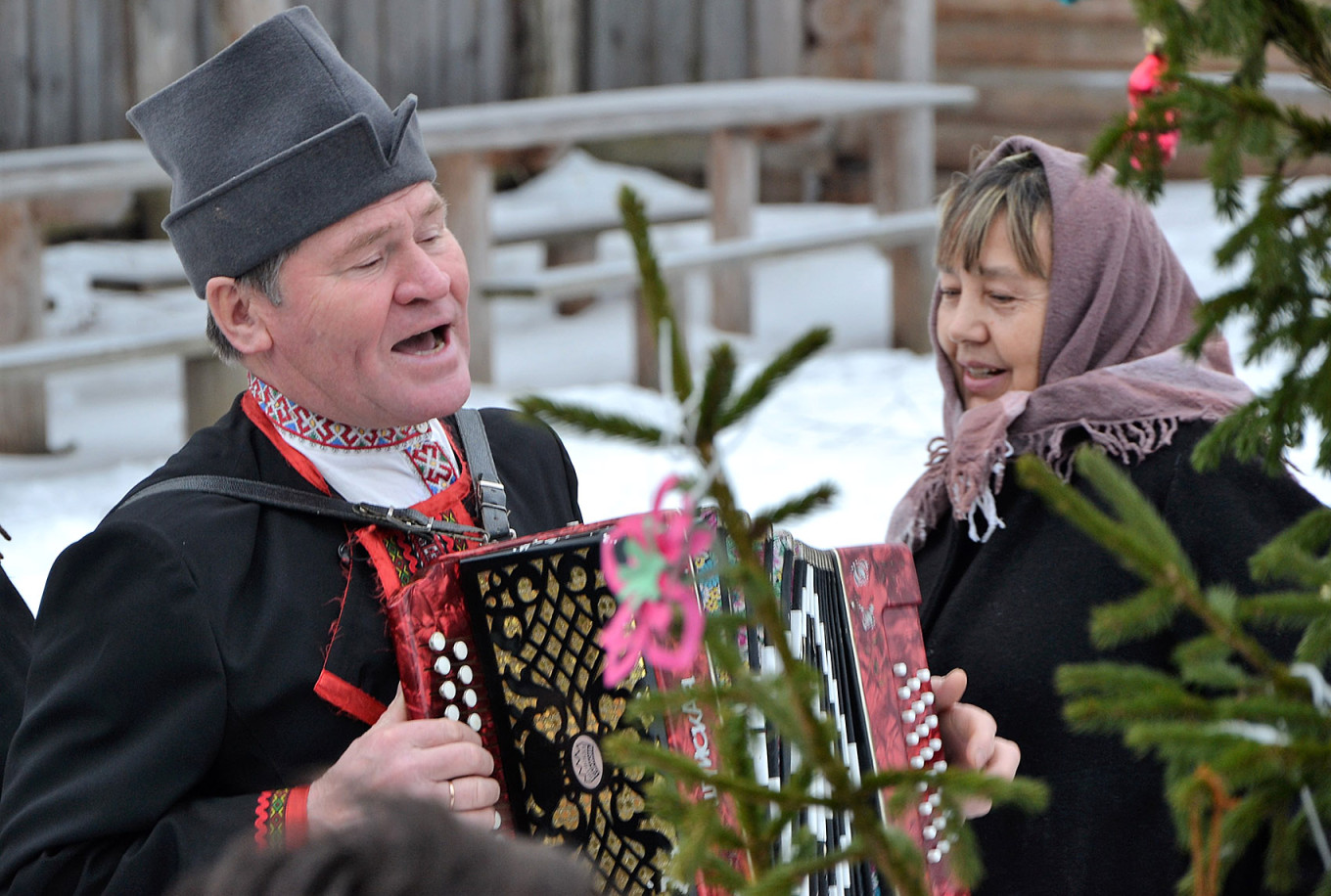
Surkhuri
Surkhuri is the ancient holiday of the Chuvash, a Turkic ethnic group of slightly more than 1.1 million people, the majority of whom live in the republic of Chuvashia in Russia’s Volga region.
wuor.ru
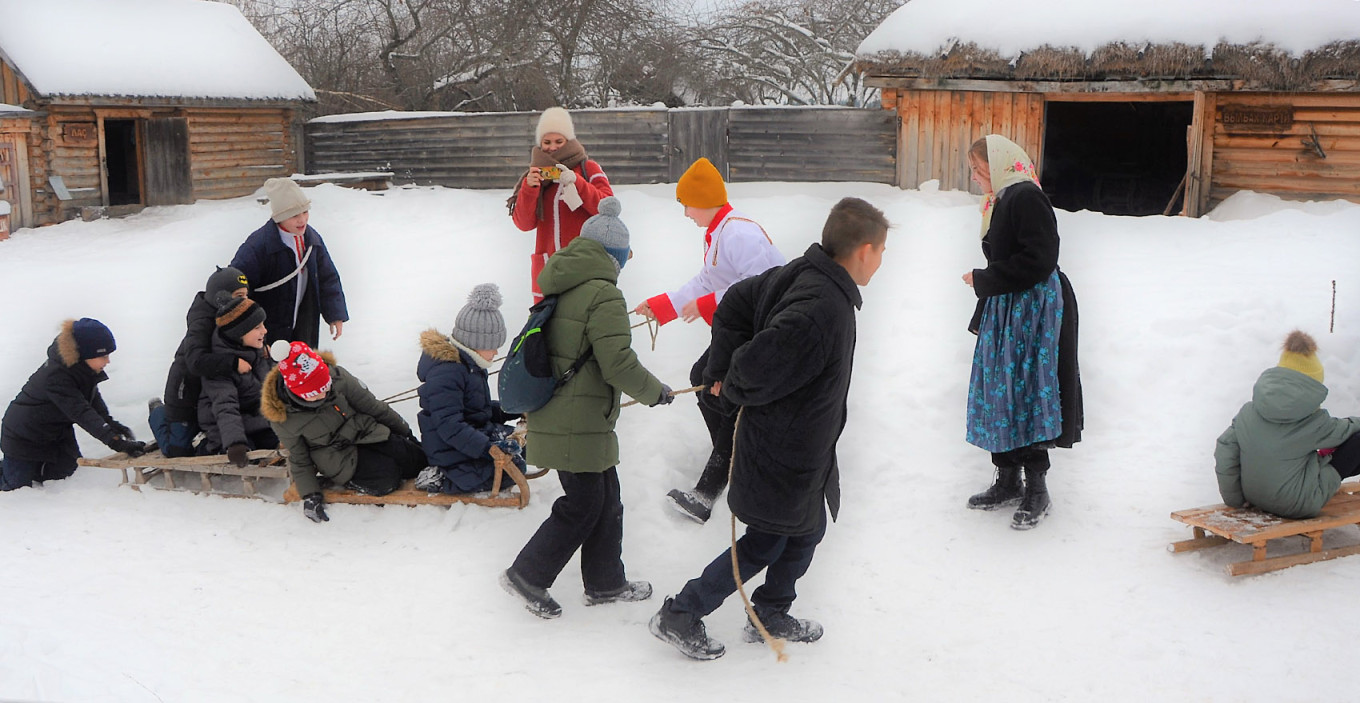
Surkhuri
Though it was traditionally celebrated during the winter solstice, the Chuvash switched to marking Surkhur in the period between Russian Orthodox Christmas and Epiphany after widespread conversion to Christianity.
wuor.ru
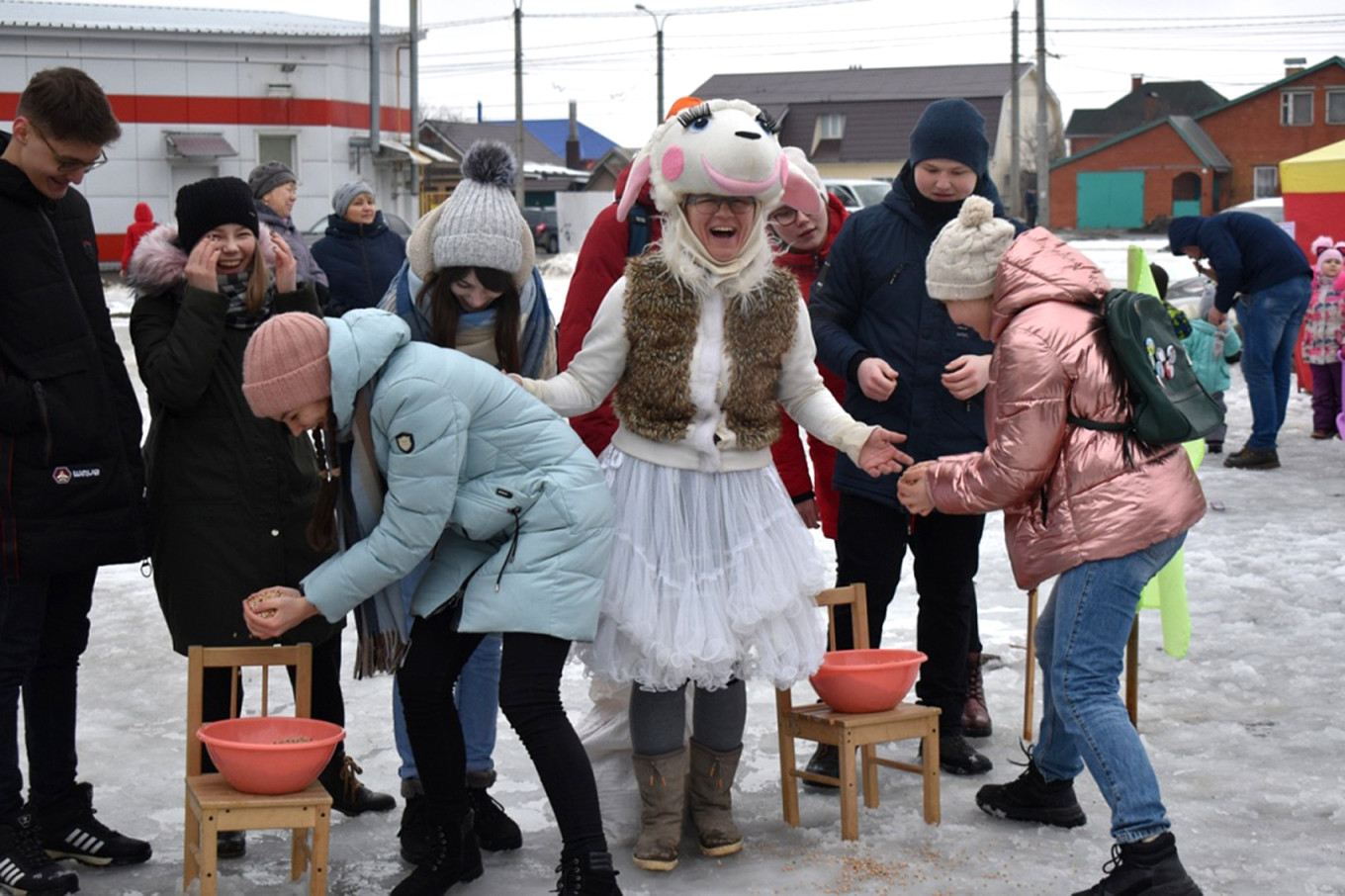
Surkhuri
Surkhuri celebrations involve an array of rituals, including games, singing of carols, trick-or-treating and fortune-telling.
hypar.ru
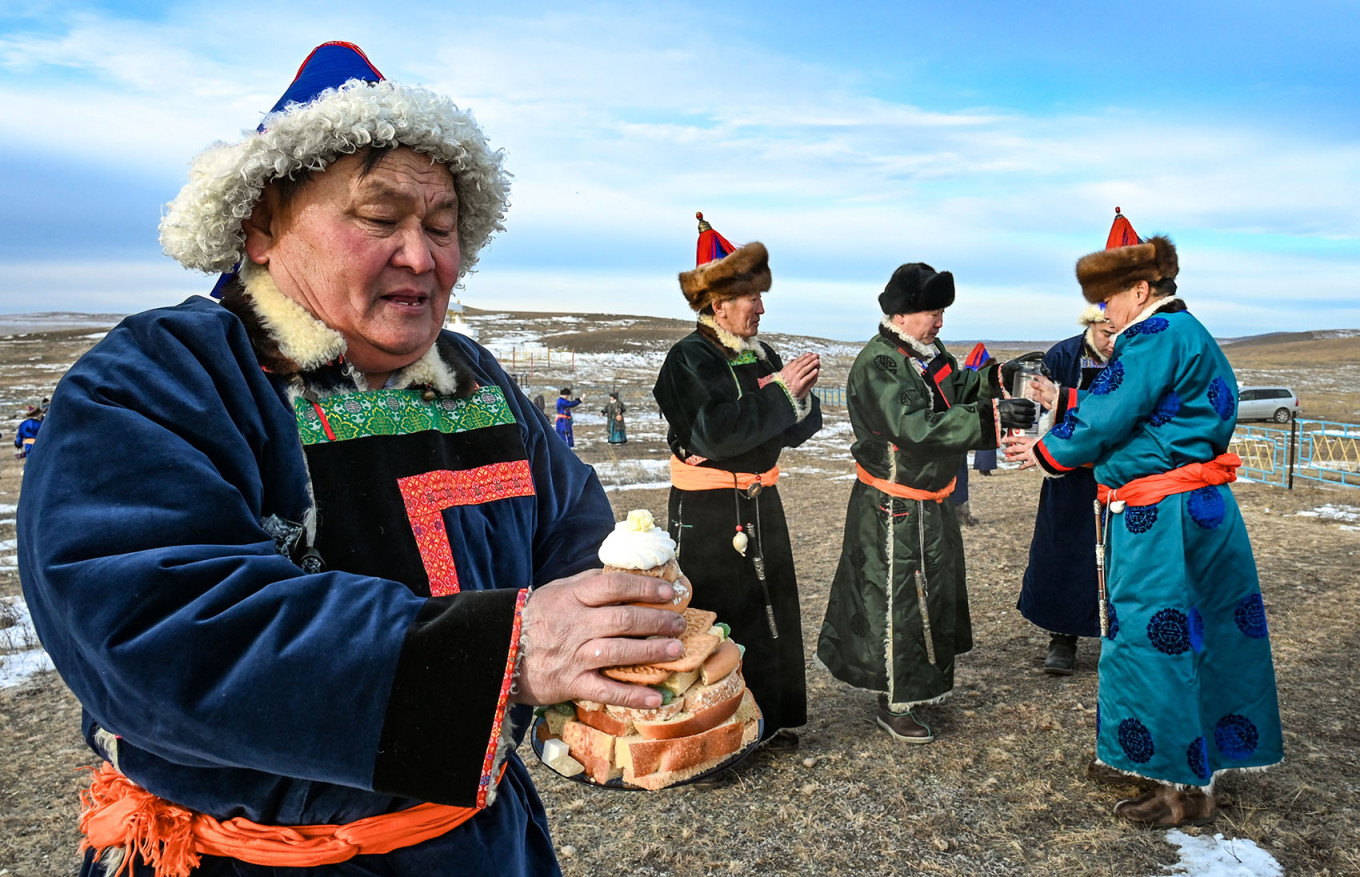
Sagaalgan
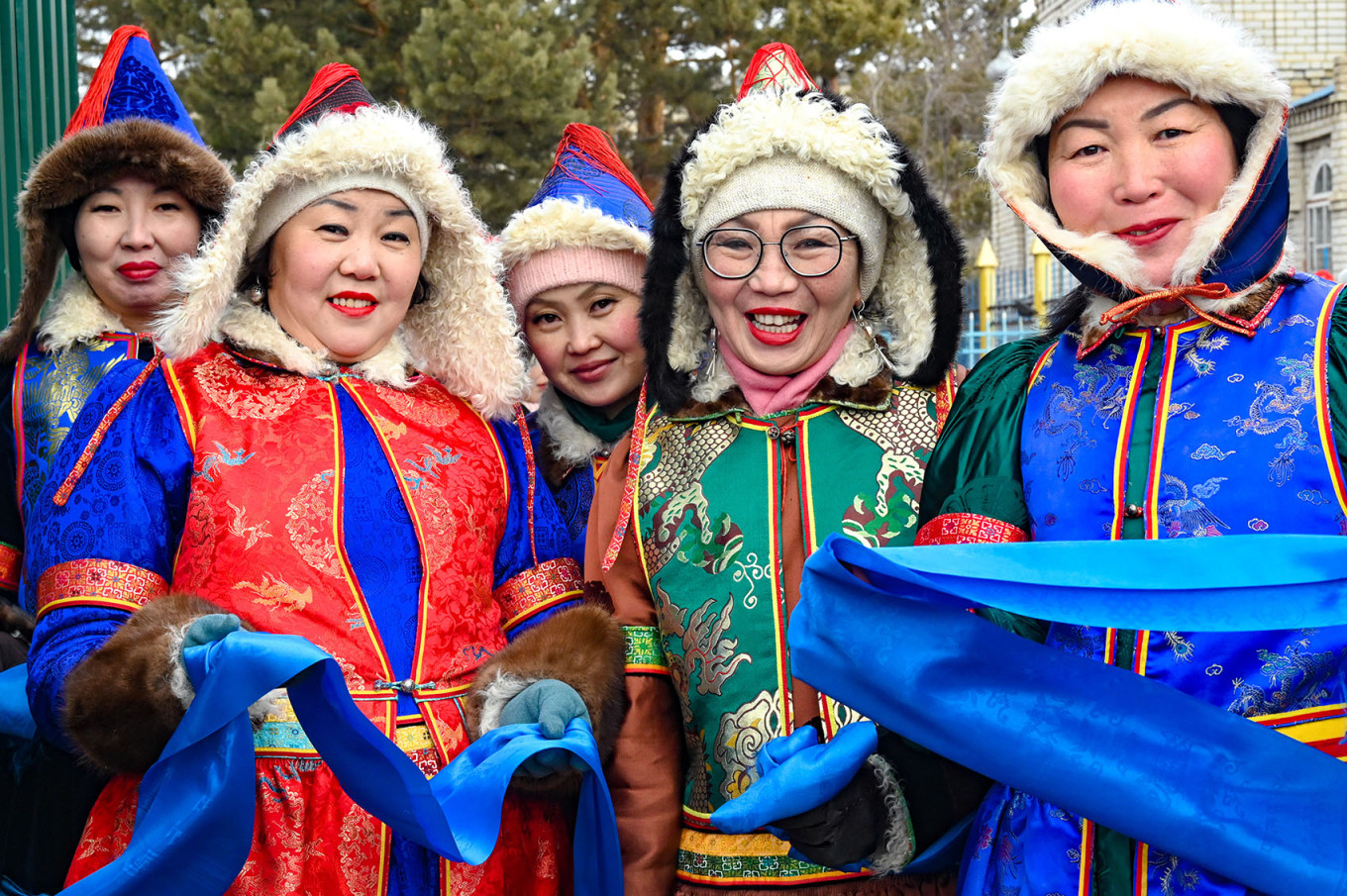
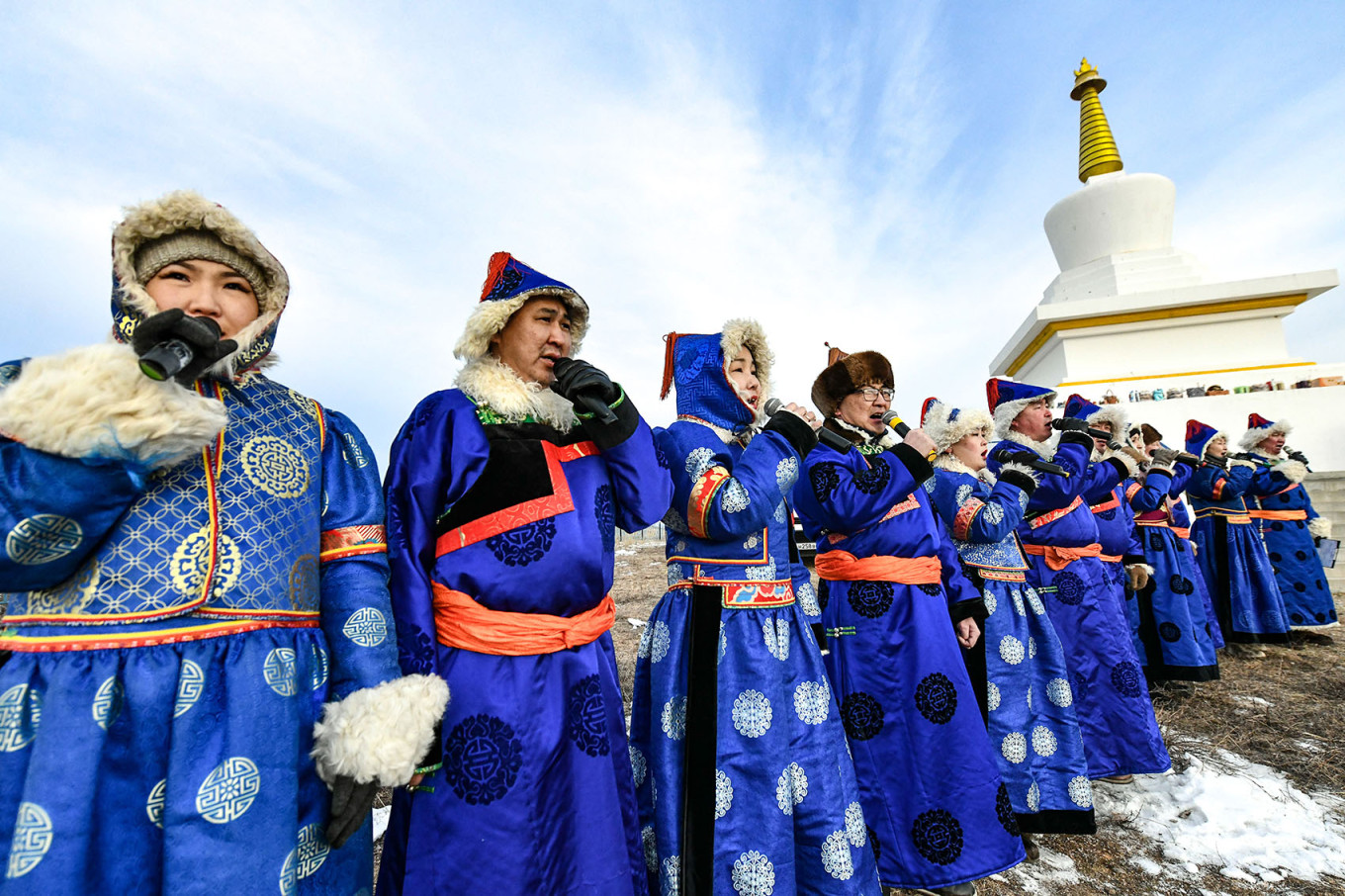
Buryats, a Mongolic ethnic group of some 550,000 people indigenous to southeastern Siberia, traditionally celebrate the first day of the year according to the Mongolian lunisolar calendar. These celebrations are known as Sagaalgan, the holiday of the white month.
Yevgeny Yepanchintsev / TASS
Sagaalgan
With historic Buryat lands now divided between three regions of Russia, Sagaalgan is observed by communities living in the republic of Buryatia, as well as the Irkutsk and Zabaikalsky regions.
Yevgeny Yepanchintsev / TASS
Sagaalgan
Buryats mark Sagaalgan by exchanging gifts and feasting on an abundance of traditional dishes, including boiled lamb's head and buuz, or steamed meat dumplings.
Celebrations also include playing traditional games such as ankle-bone shooting and dulun dominoes.
Celebrations also include playing traditional games such as ankle-bone shooting and dulun dominoes.
Yevgeny Yepanchintsev / TASS
Nowruz
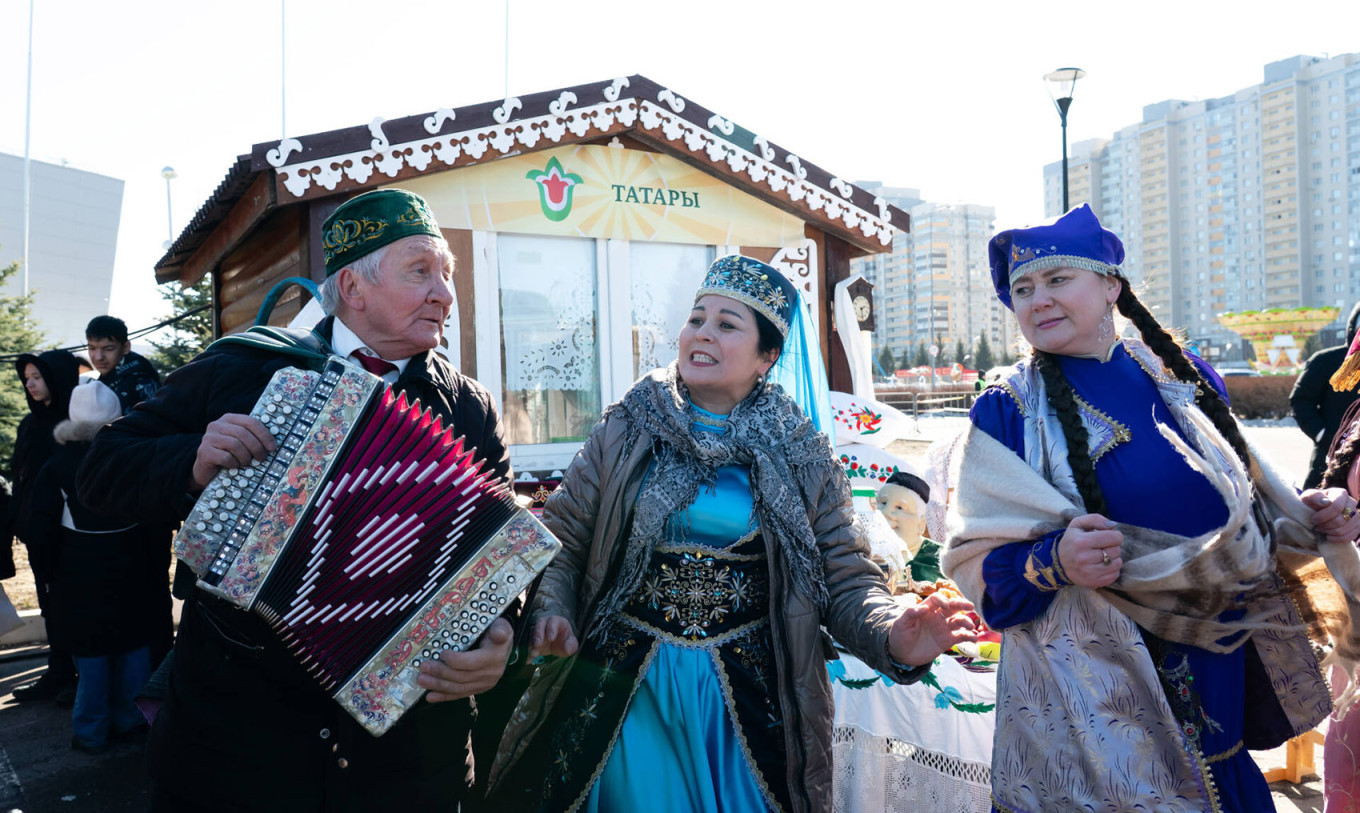
Rooted in ancient Zoroastrian rather than Islamic traditions, the traditional Nowruz holiday has experienced a revival among Turkic and Persian communities across formerly Russia-dominated Central Asia and Azerbaijan after the collapse of the Soviet Union.
In Russia's Muslim-majority Turkic communities, Nowruz has been largely overshadowed by Islamic holidays and the Sabantuy farming festival that originated in Volga Bulgaria, the ancient predecessor state of modern Tatarstan.
In Russia's Muslim-majority Turkic communities, Nowruz has been largely overshadowed by Islamic holidays and the Sabantuy farming festival that originated in Volga Bulgaria, the ancient predecessor state of modern Tatarstan.
Tatar-inform
Nowruz
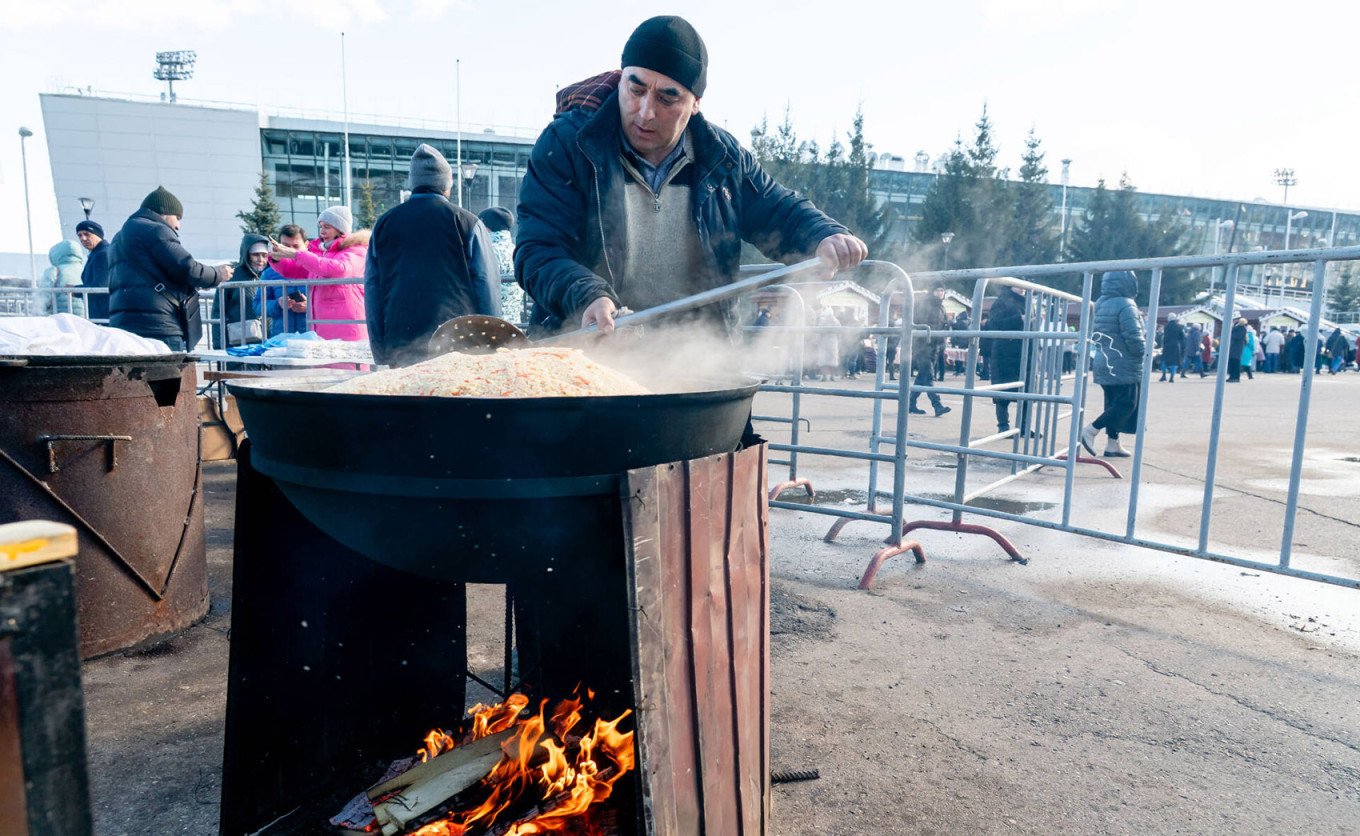
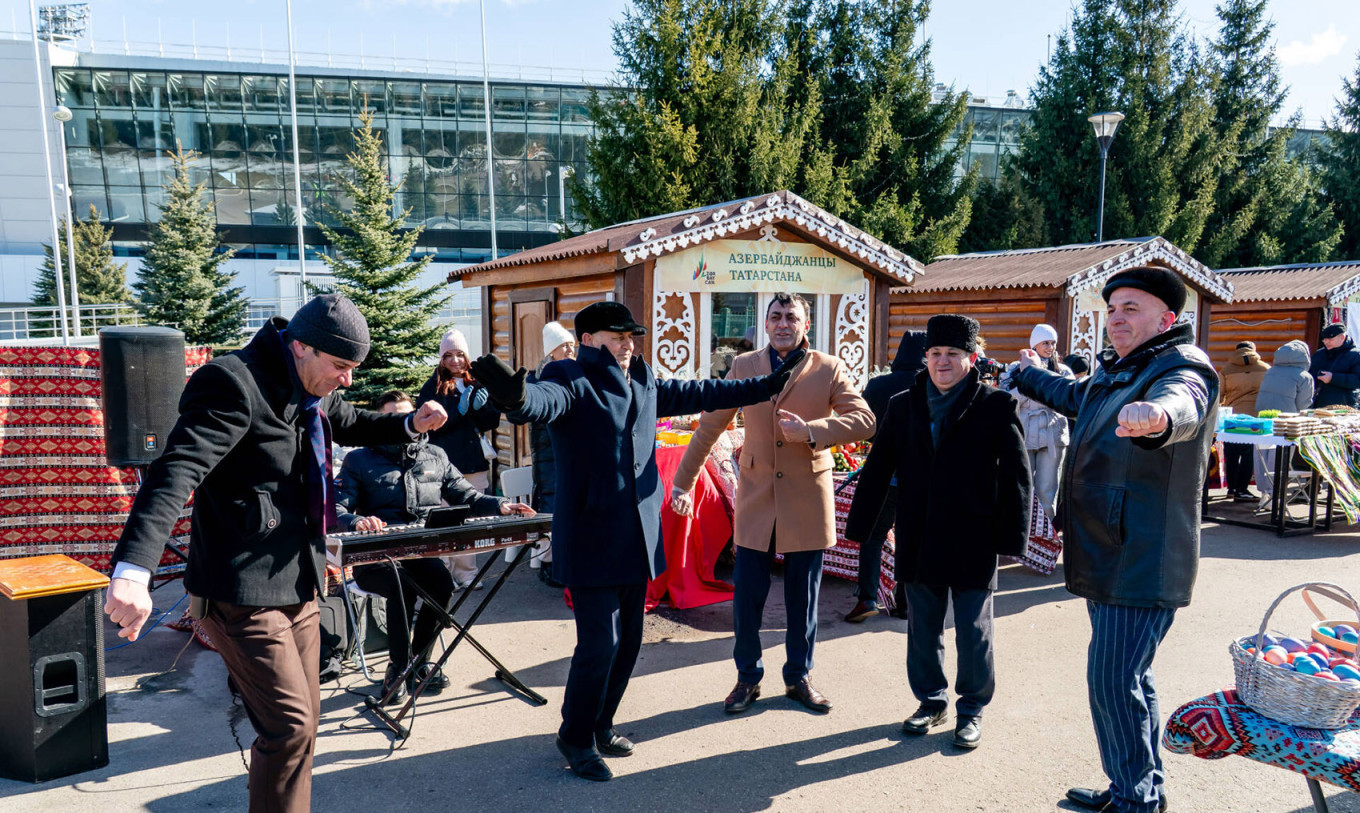
In recent years, officials in Tatarstan have made attempts at reviving Nowruz with the help of a large Central Asian and Azerbaijani diaspora living in the republic.
Tatar-inform
Nowruz
Today's Nowruz celebrations in Tatarstan are stripped of ancient rituals and revolve around a festival of traditional Turkic foods accompanied by dances and folk singing.
Tatar-inform
Yhyаkh
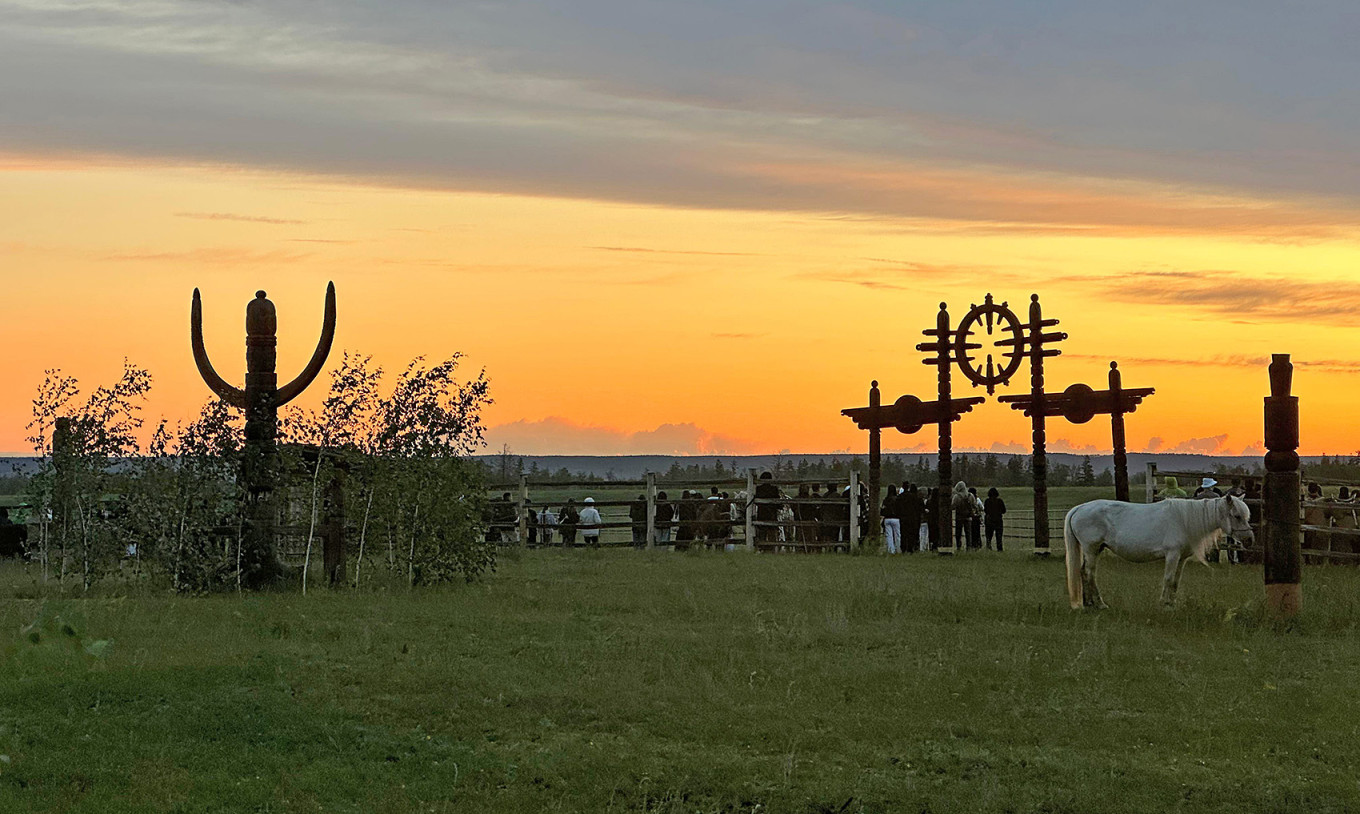
The Sakha, a Turkic ethnic group of around 500,000 people living predominantly in Russia's republic of the same name, mark the start of the new year on the day of the summer solstice. These celebrations are known as Yhyаkh, the festival of abundance.
Semyon Vinokurov / The press service of the Yakutsk administration
Yhyаkh
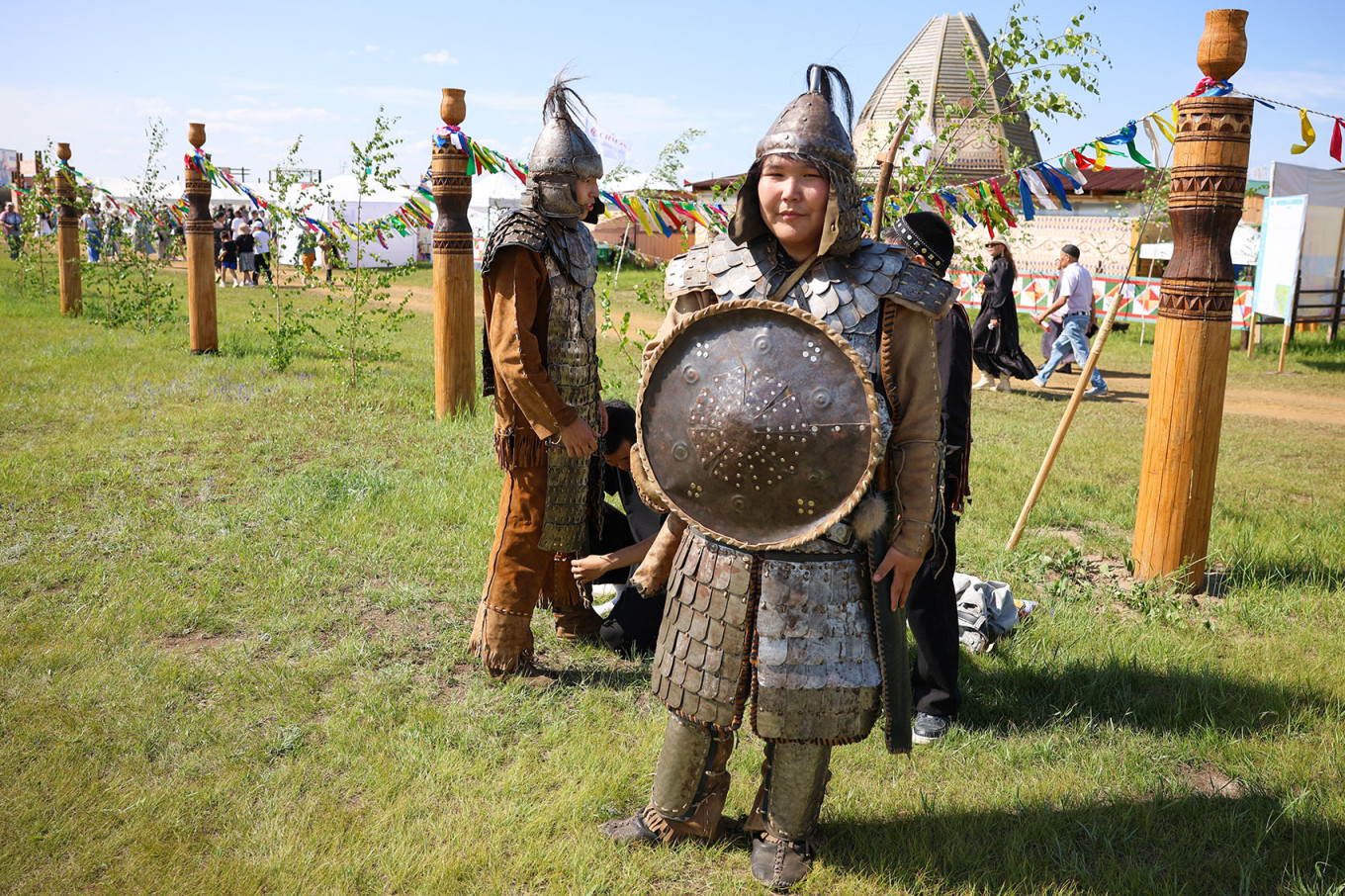
Yhyаkh is rooted in ancient pagan traditions and the cult of solar deities and fertility practiced by the Sakha before their colonization by Russia and forced conversion to Orthodox Christianity.
Vadim Skryabin / TASS
Yhyаkh
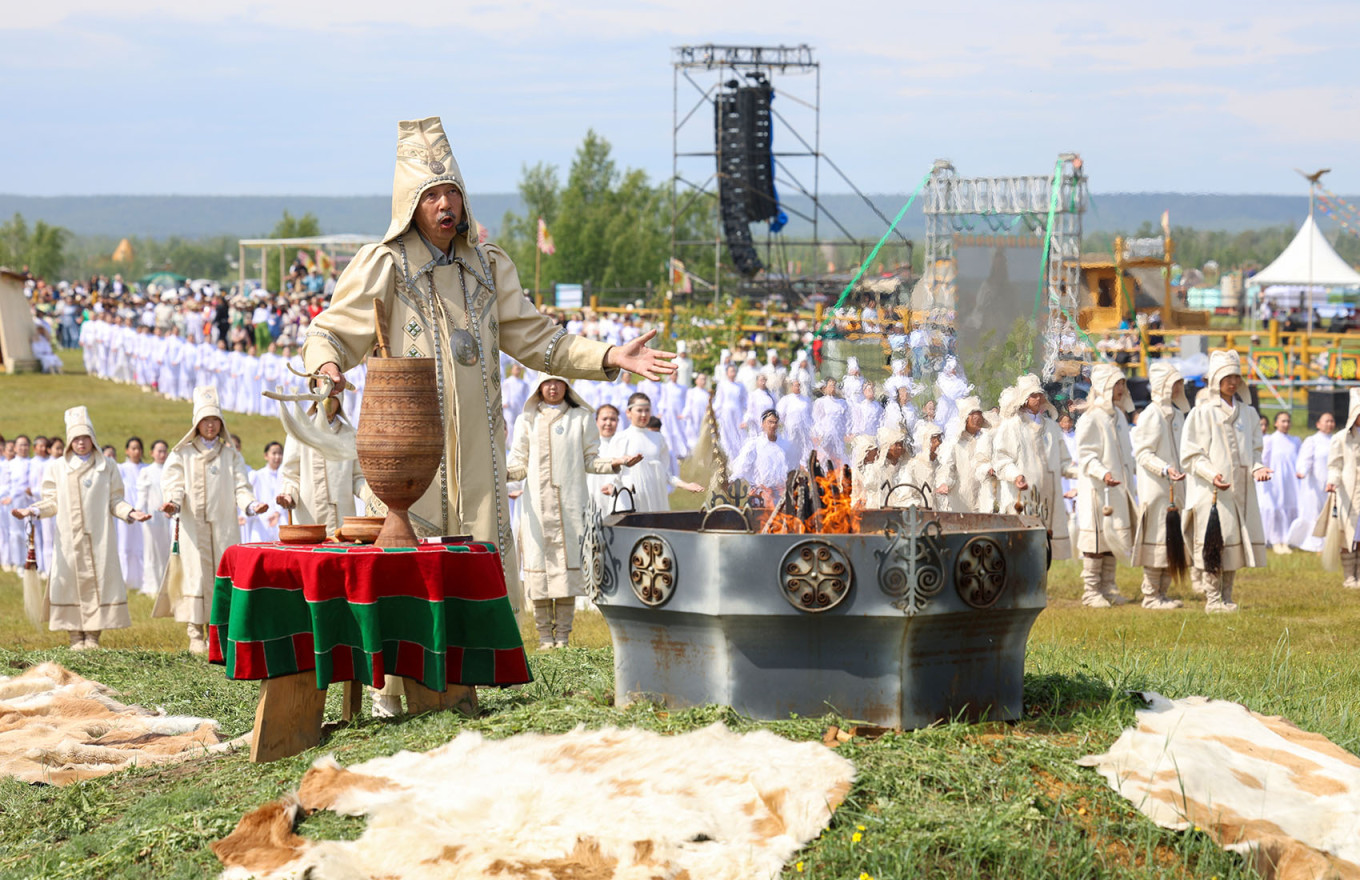
Yhyаkh traditionally centers around the ritual that involves feeding the fire with a horse milk drink and asking the spirits to bless all the people gathered at the celebration.
Another vital element of the festivities is the performance of ohuokhai, a traditional Sakha dance in which participants move in a circle and sing improvised choral songs.
Another vital element of the festivities is the performance of ohuokhai, a traditional Sakha dance in which participants move in a circle and sing improvised choral songs.
Vadim Skryabin / TASS
Zul
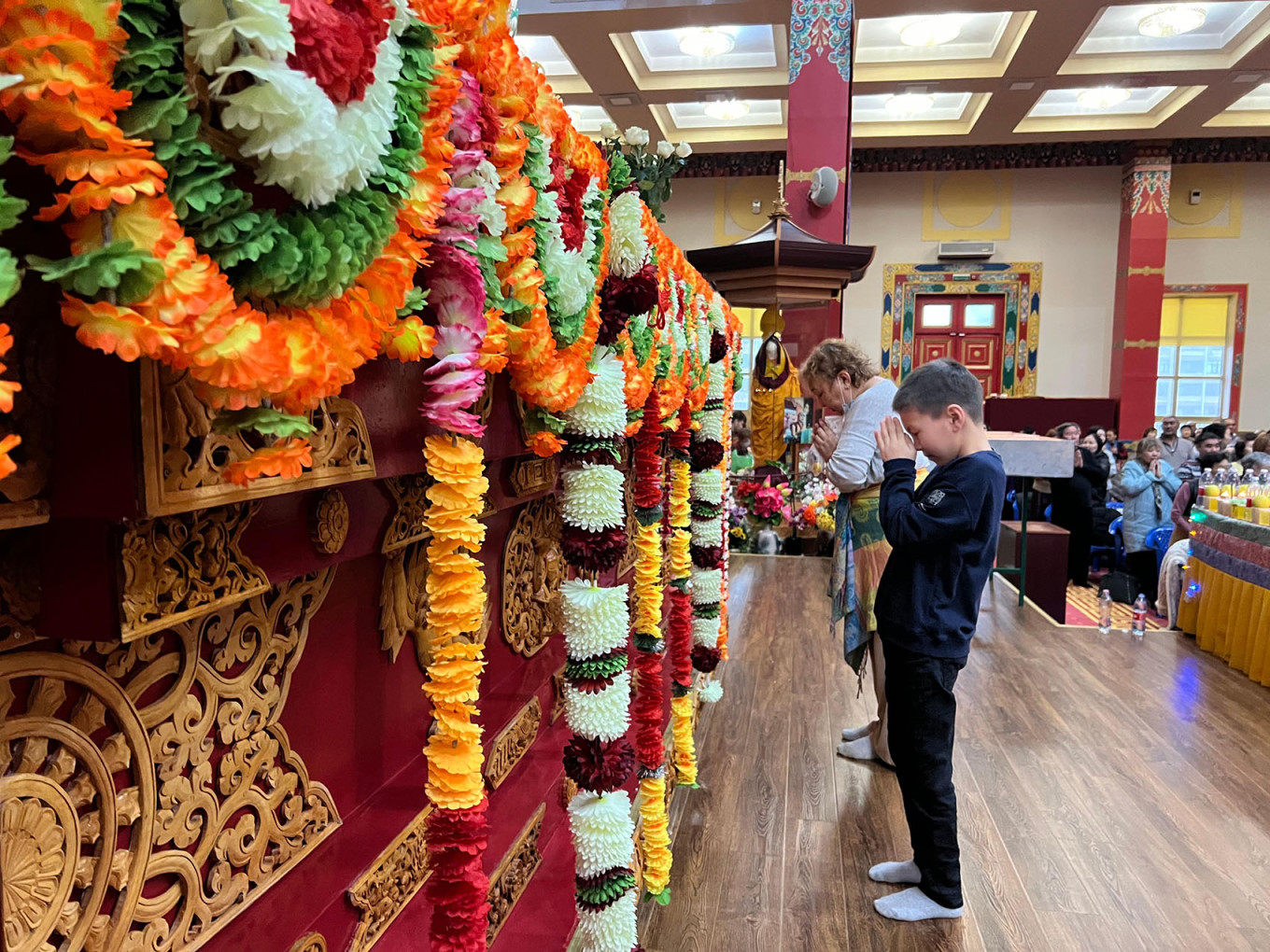
Zul, which means "candle" in the Oirat language, is celebrated by ethnic Oirats (Kalmyks) living in Russia's republic of Kalmykia on the 25th day of the 10th month of the lunar calendar.
Central Khurul of Kalmykia in Elista
Zul
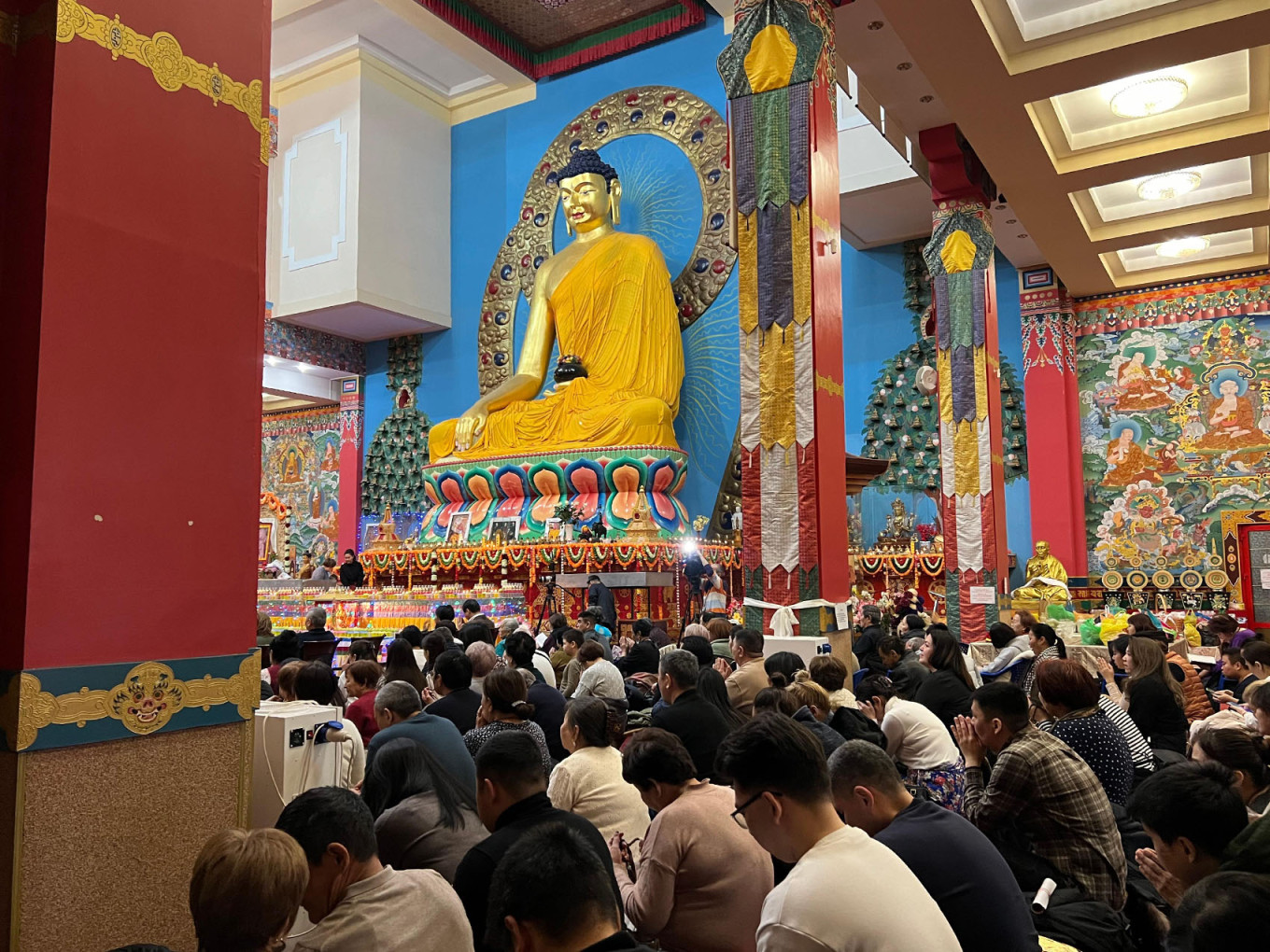
Zul's main ritual involves making a boat-shaped candle out of dough and adding to it candlewicks equal in number to the age of the person who created it. The candle is lit up when the first stars appear in the sky.
Central Khurul of Kalmykia in Elista
Zul
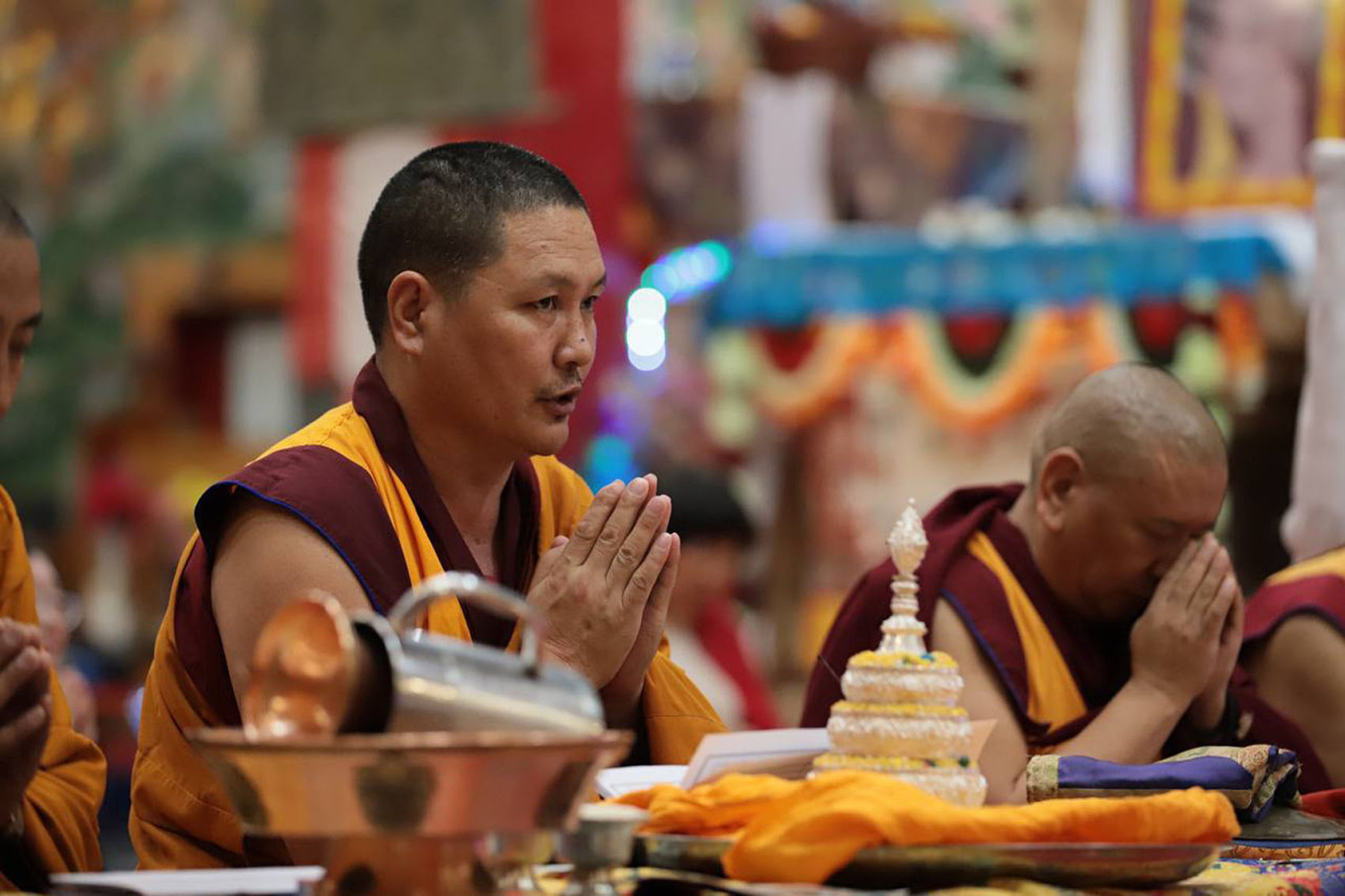
For Oirats, who historically did not celebrate individual birthdays, Zul doubles down as a collective one. On this day, every Oirat traditionally adds one year to their age.
@BatuKhasikov / Telegram