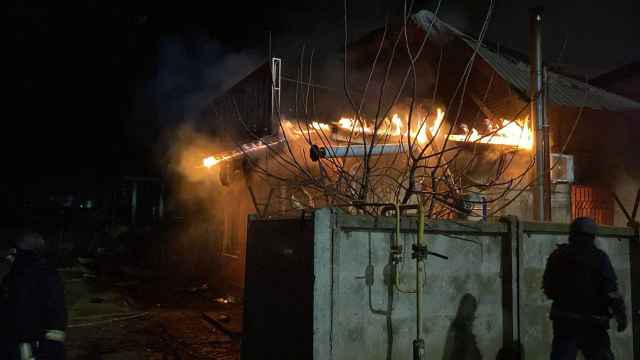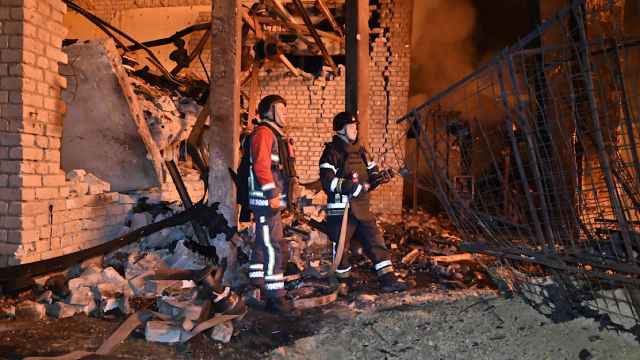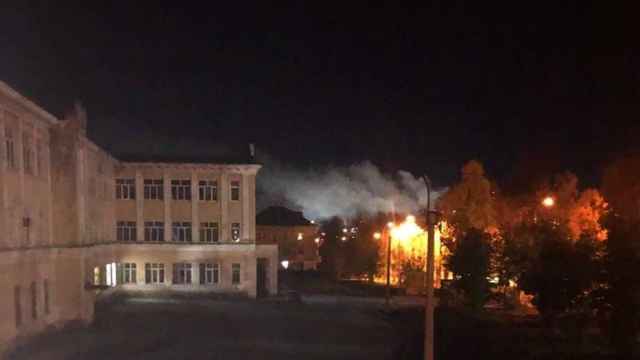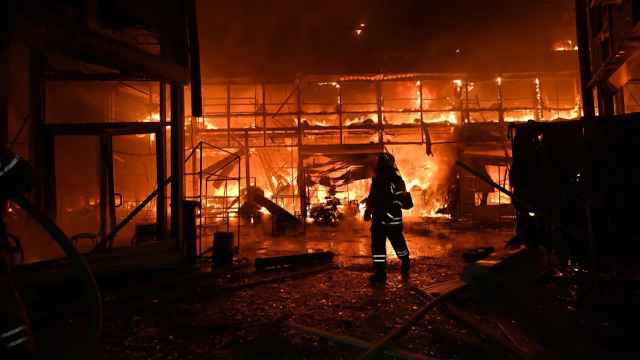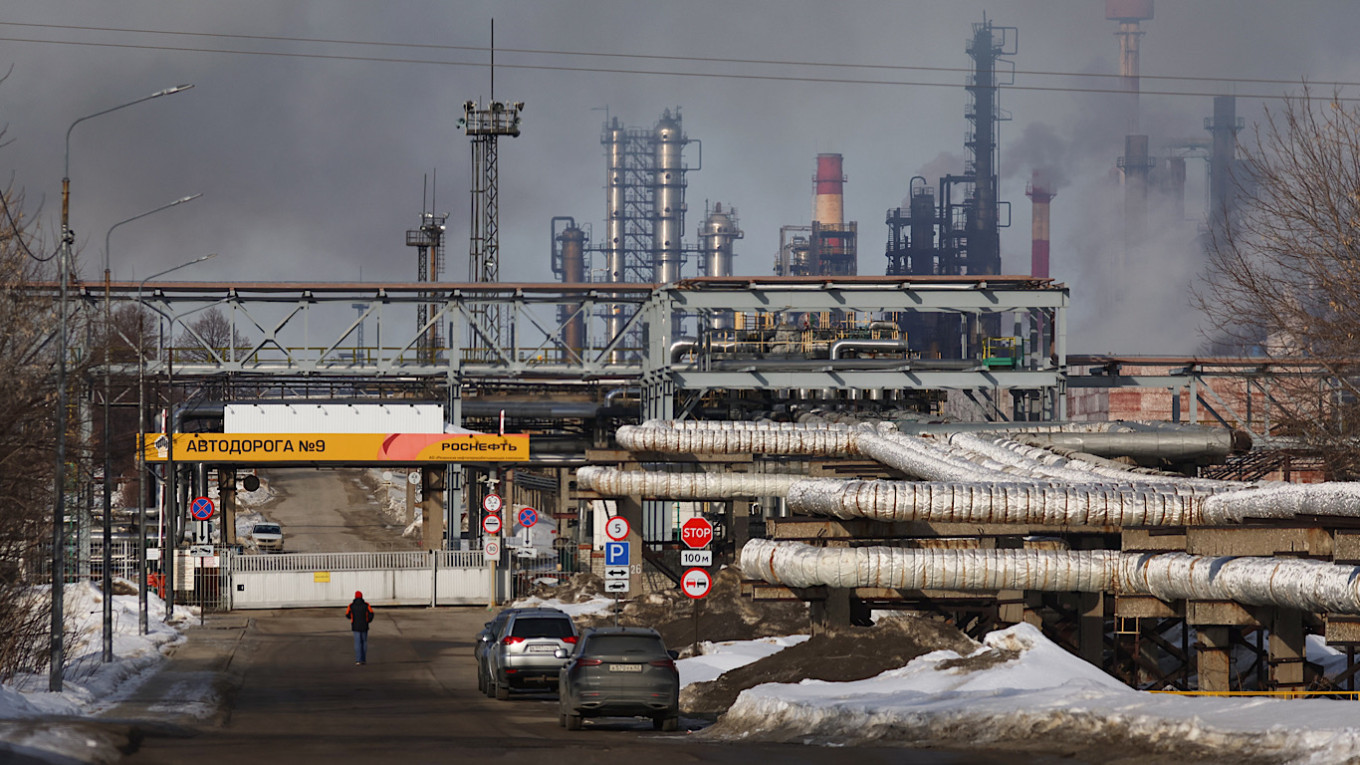
Ukraine carried out at least 14 drone attacks on Russian oil refineries in November in a new monthly record, Bloomberg reported Monday, citing public statements from both countries.
Kyiv has stepped up strikes on Russia’s energy infrastructure since August in a bid to undercut Moscow’s oil revenues, a key source of funding for its war effort.
Among the refineries struck was the Afipsky plant near Krasnodar, one of the largest in southern Russia with an annual capacity of 9.1 million tons.
The facility had already been hit in September, when one of its units was damaged.
Rosneft’s Ryazan refinery has been offline since mid-November after drones disabled the main refining unit, which accounts for nearly half of its total 17.1-million-ton annual capacity, Reuters reported.
Another unit responsible for more than a quarter of output had been shut down following a drone strike on Oct. 24.
Lukoil’s Volgograd refinery has also temporarily halted operations after damage to its primary oil processing unit, which is responsible for around 20% of its capacity of 13.7 million tons per year.
Drones also hit the Orsknefteorgsintez refinery in Orsk, Orenburg region, located 1,400 kilometers from Ukraine.
Russia’s average daily refining volume has fallen to around 5 million barrels per day as a result of the intensified campaign, down from the 5.3-5.5 million barrels per day typically processed in late autumn, Bloomberg cited analytics firm Kpler as saying.
Ukraine also launched four strikes on oil-handling facilities at Black Sea ports, causing several days of delays in crude shipments after damage to the port of Novorossiysk.
Ukrainian unmanned surface vessels targeted two sanctioned tankers carrying Russian oil in the Black Sea at the end of November, Bloomberg reported. Another tanker transporting Russian gasoil was hit by explosions off the coast of Senegal late last month.
A Message from The Moscow Times:
Dear readers,
We are facing unprecedented challenges. Russia's Prosecutor General's Office has designated The Moscow Times as an "undesirable" organization, criminalizing our work and putting our staff at risk of prosecution. This follows our earlier unjust labeling as a "foreign agent."
These actions are direct attempts to silence independent journalism in Russia. The authorities claim our work "discredits the decisions of the Russian leadership." We see things differently: we strive to provide accurate, unbiased reporting on Russia.
We, the journalists of The Moscow Times, refuse to be silenced. But to continue our work, we need your help.
Your support, no matter how small, makes a world of difference. If you can, please support us monthly starting from just $2. It's quick to set up, and every contribution makes a significant impact.
By supporting The Moscow Times, you're defending open, independent journalism in the face of repression. Thank you for standing with us.

Remind me later.