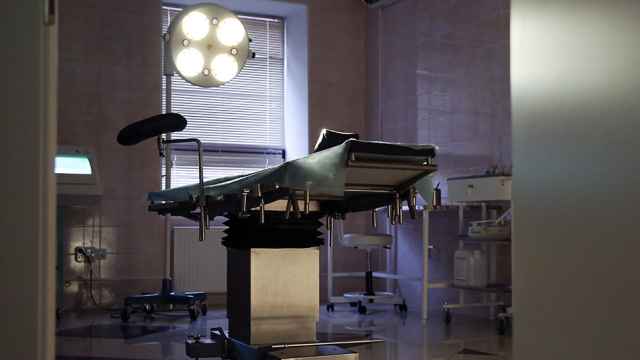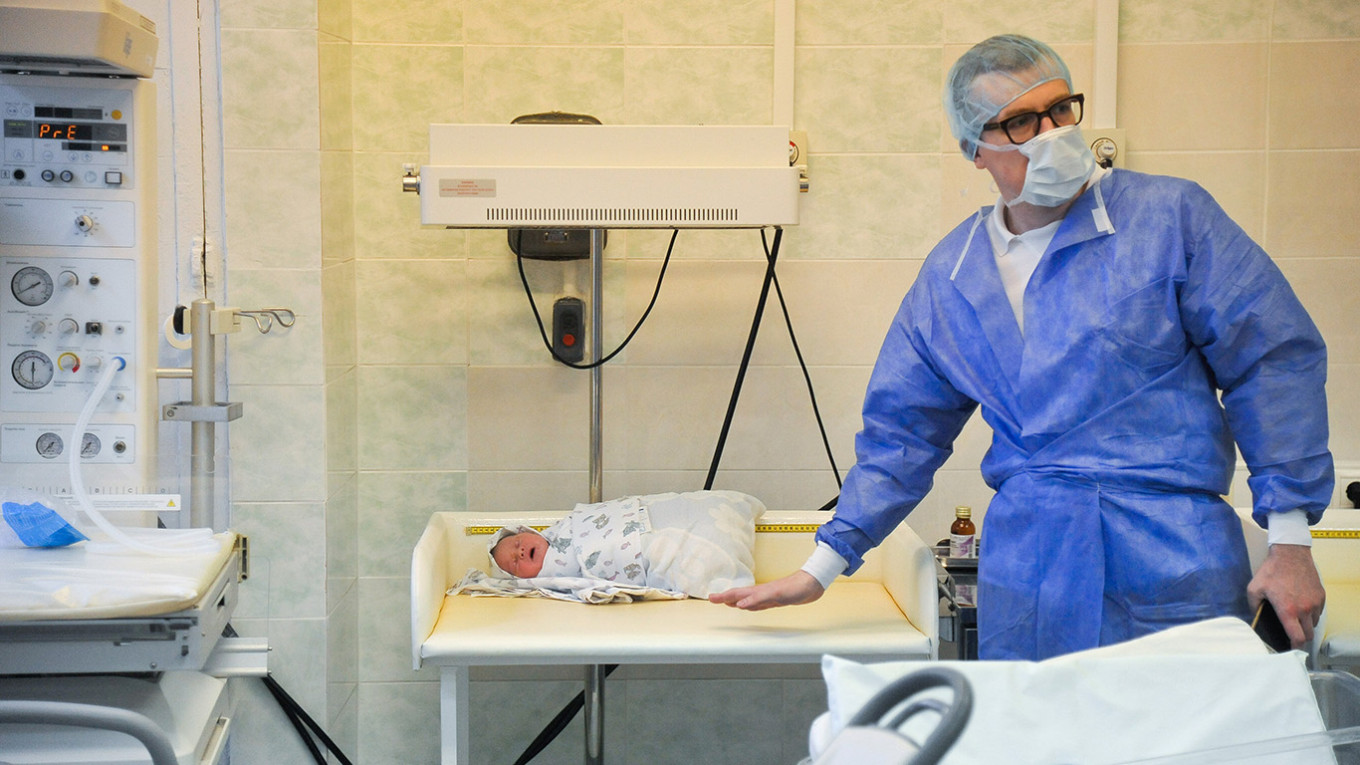
Nearly one in five maternity hospitals and wards in Russia and annexed Crimea have closed or stopped offering regular deliveries since the end of 2020, the BBC's Russian service reported.
The number of facilities where women can go to give birth fell from 1,334 to 1,090 as health officials moved more maternity care to larger cities. The changes have hit small towns and rural areas hardest. At least 15 regions no longer have full maternity wards at their district hospitals.
Some hospitals have replaced their wards with rooms where staff can provide basic care if a woman arrives in labor and cannot be transferred. Women who would once have given birth close to home now have to travel farther, and those who go into labor early may struggle to reach a hospital in time.
Health officials say many of the wards date back to the Soviet era and handle too few births to justify keeping them open. They say larger hospitals are better equipped to care for mothers and newborns.
Kirill Danishevsky, a physician and editor-in-chief of the medical journal Meditsina, told BBC Russian that Russia’s infant mortality rate had fallen to nearly European levels and that deaths among mothers had become rare.
The closures have spread to larger cities as regional governments face budget shortfalls and cut public-sector jobs. In the Siberian city of Krasnoyarsk, two of the city’s five maternity hospitals are closing despite appeals from hospital staff to President Vladimir Putin.
BBC Russian counted at least 19 protests or public campaigns against closures over the past five years. In some cases, residents managed to delay a closure or keep an emergency delivery room open.
The wards are closing as the Kremlin urges Russians to have more children and seeks to discourage abortion.
In February, Putin ordered officials to survey Russians more often about whether they plan to have children and how many. Under a draft decree reported by Izvestia, the state statistics agency Rosstat would conduct the survey every three years instead of every five, starting in 2027.
Rosstat said more frequent surveys would help it understand how changes in the economy and government benefits affect when people decide to have children.
In the last survey, conducted in 2022, respondents said a lack of money, worries about the future and housing problems made it harder to decide to have a child.
Russia recorded 1.22 million births in 2024, the fewest since 1999. Births fell another 4% year on year in the first quarter of 2025, to 288,800, before Rosstat stopped publishing detailed figures on births, deaths and population.
The agency still reports the fertility rate, which fell to 1.305 children per woman in 2025, its lowest level since 2006.
Demographer Alexei Raksha estimates that 1.18 million babies were born in Russia in 2025, about 4% fewer than the year before. He estimates that another 272,000 were born in the first three months of 2026, about 17,000 fewer than in the same period a year earlier.
This article was translated with the help of artificial intelligence and was reviewed by a Moscow Times editor before publication. Learn more about our newsroom's AI policy here.
Read this article in Russian at The Moscow Times' Russian service.
A Message from The Moscow Times:
Dear readers,
We are facing unprecedented challenges. Russia's Prosecutor General's Office has designated The Moscow Times as an "undesirable" organization, criminalizing our work and putting our staff at risk of prosecution. This follows our earlier unjust labeling as a "foreign agent."
These actions are direct attempts to silence independent journalism in Russia. The authorities claim our work "discredits the decisions of the Russian leadership." We see things differently: we strive to provide accurate, unbiased reporting on Russia.
We, the journalists of The Moscow Times, refuse to be silenced. But to continue our work, we need your help.
Your support, no matter how small, makes a world of difference. If you can, please support us monthly starting from just $2. It's quick to set up, and every contribution makes a significant impact.
By supporting The Moscow Times, you're defending open, independent journalism in the face of repression. Thank you for standing with us.

Remind me later.