
Hello and welcome to Regions Calling, your guide to developments from beyond the Russian capital by The Moscow Times.
In this week’s edition, we are putting the spotlight on the southern Krasnodar region, home to Russia’s vast Black Sea coast, which is reeling from the environmental fallout of a Ukrainian drone attack on a Liberian-flagged Aframax Rio tanker — while officials have offered few details.
For more of the latest news from the regions, subscribe to our biweekly email newsletter here or on Substack.
The Spotlight
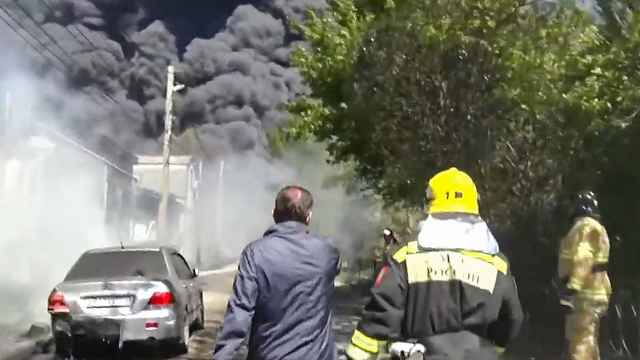
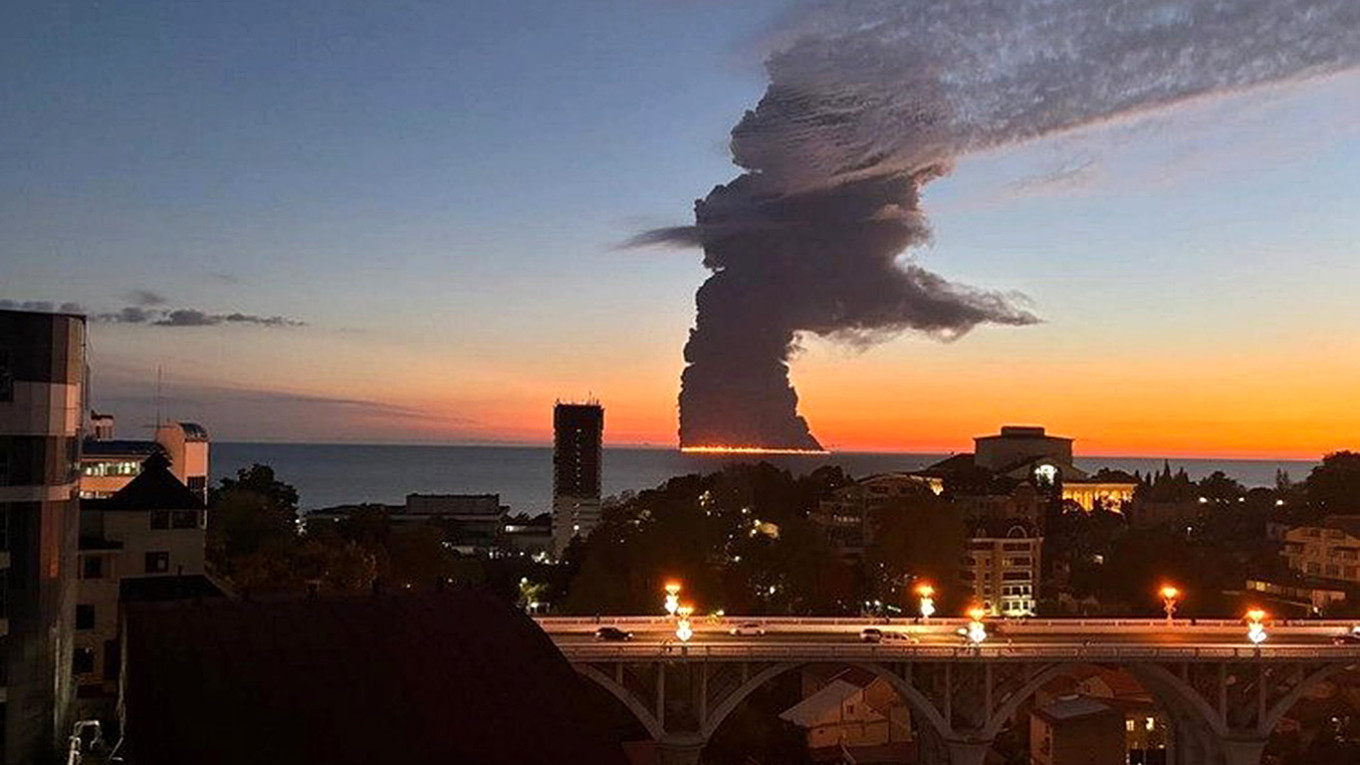
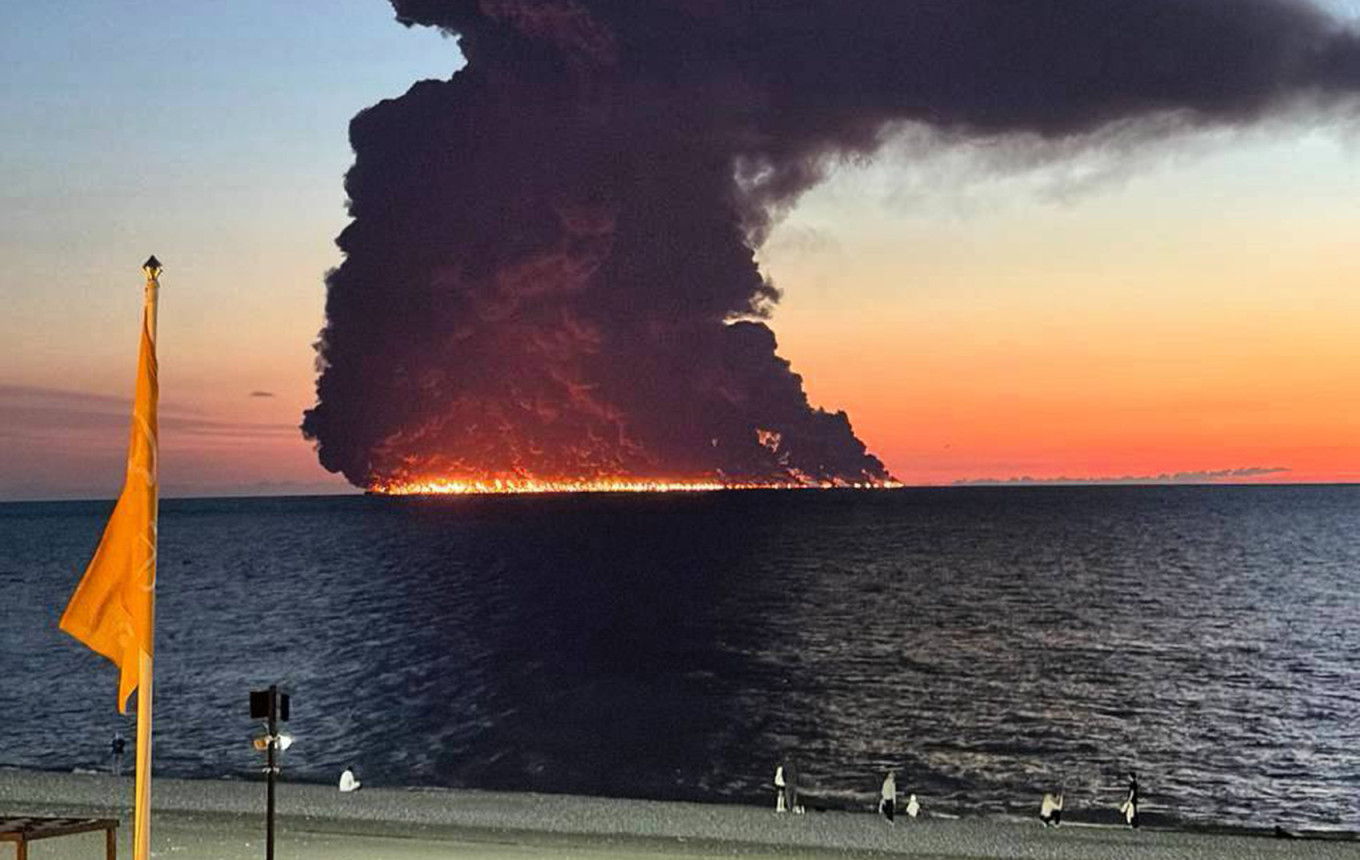
On the evening of Oct. 6, apocalyptic photos of a thick plume of smoke rising from the burning sea against a bright dusk sky flooded the Russian internet.
These images showed the result of one of Ukraine’s most successful drone attacks on the energy infrastructure along Russia’s Black Sea coast as the 247-meter, Liberian-flagged Afromax Rio oil tanker had been hit off the shore of the resort city of Sochi.
Environmental specialists were quick to sound the alarm over the fire's potentially catastrophic consequences, saying its ecological impact could exceed that of the massive 2024 spill near the resort city of Anapa, which left beaches coated in heavy fuel oil and mobilized thousands of volunteers.
Two weeks after the attack, as locals find oil-covered birds and pollution builds up along the coast, there are still more questions than answers.
‘Who is responsible?’
“I would be a bad expert if I were to outline the [exact environmental] consequences right now,” one prominent environmentalist told The Moscow Times. “Why? Because it is not known how much oil has spilled as a result of this attack. And that is the main problem.”
Though regional authorities initially denied that the attack had caused an oil spill, Krasnodar Governor Venyamin Kondratyev warned of a potential emergency in Gelendzhik and Novorossiysk one week after the attack.
The regional Emergency Situations Ministry also said it “detected minor oil spills” along the shoreline near Novorossiysk last week, but denied they were linked to the Aframax Rio.
The environmentalist, who requested anonymity for safety reasons, said officials’ reluctance to publicize details of the attack’s environmental impact comes amid mounting evidence of a spill and contradicts Russian legislation that “prohibits classifying information about the environment and environmental pollution.”
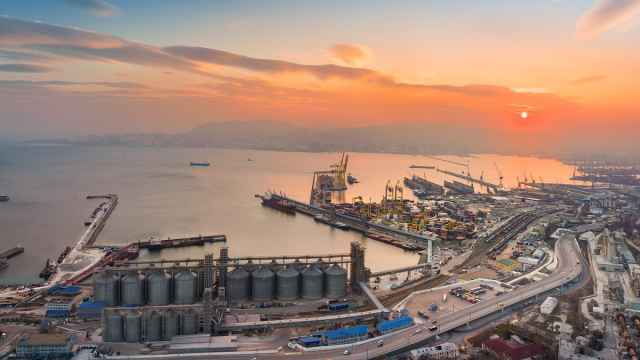
The Afromax Rio was towed to Novorossiysk, Russia’s largest Black Sea port, the day after the attack — a move decried by prominent local environmental campaigner Tatiana Tribat, who pointed to the already heavy environmental burden borne by the city.
Satellite images analyzed by Greenpeace showed the damaged vessel leaving an oil slick that covered around 25 square kilometers by Oct. 8.
Independent environmental monitor Prozrachny Mir also dentified an oil slick stretching along the coast from Novorossiysk toward the town of Arkhipo-Osipovka some 70 kilometers (43 miles) south in images dated Oct. 10.
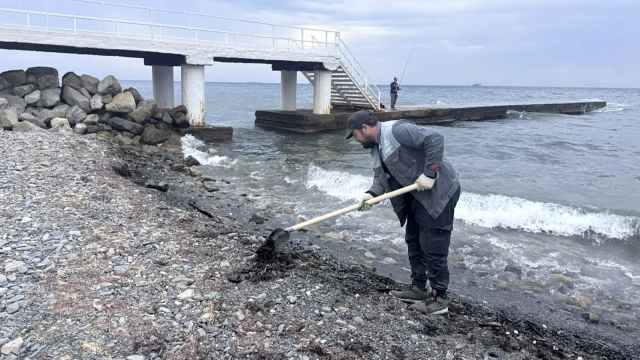
Meanwhile, residents of Novorossiysk, Sochi and smaller coastal towns along the tanker’s route have reported finding oil-covered birds and traces of pollution washing ashore.
“Every day we receive reports [of contamination] from Yuzhnaya Ozereevka, Limanchik, Dyurso and elsewhere. If it wasn’t the Aframax Rio that fouled the coastline, then who is responsible for the pollution?” Tribat told a local newspaper.
A cleansing fire
For coastal residents who remember the Anapa disaster, the images were causes for concern. Yet evidence available from local media and volunteers “suggest that the spill from Afromax Rio was, in fact, significantly smaller” than that disaster, the environmental expert told The Moscow Times.
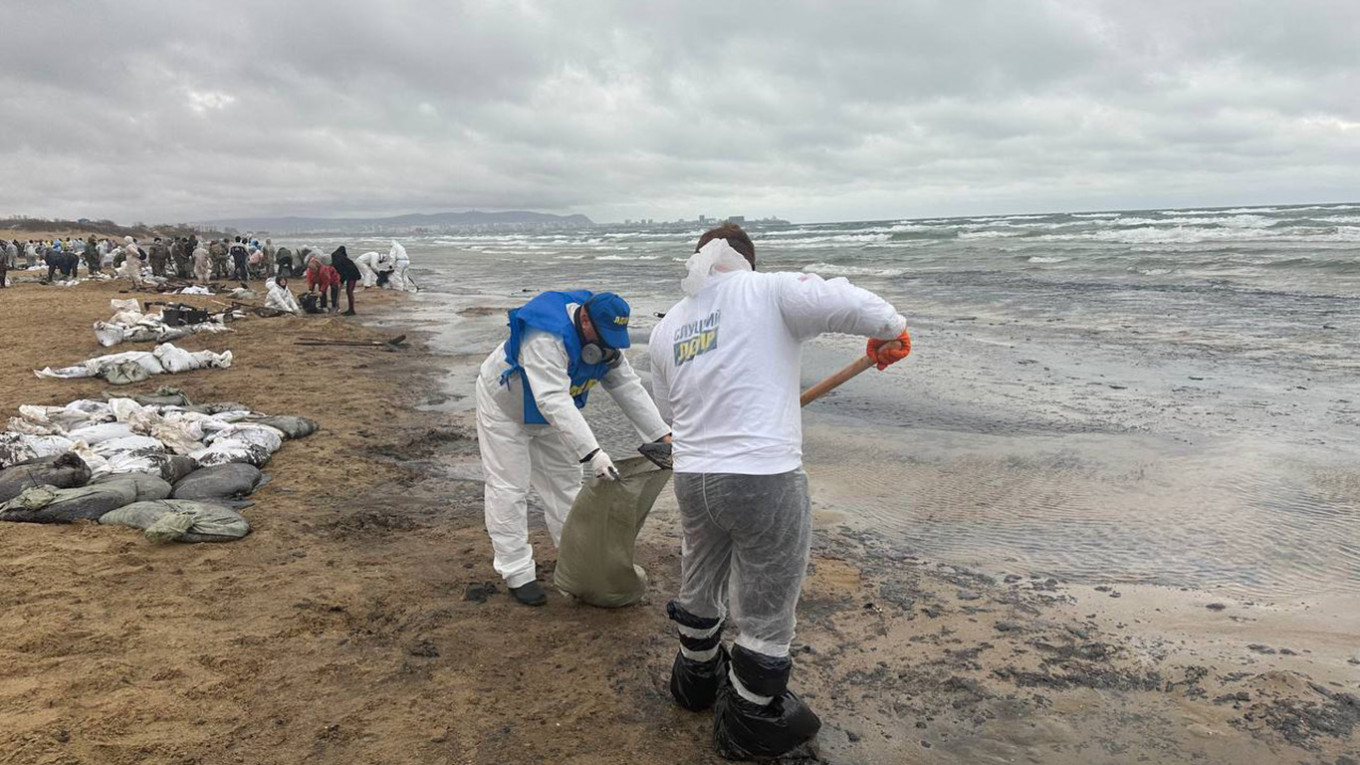
The Anapa spill happened in December 2024 when two Russian-flagged oil tankers were damaged during a storm, releasing over 9,000 tons of heavy fuel oil, known as mazut, into the Black Sea. Pollution from the spill stretched from annexed Crimea to Georgia, though Russia’s Krasnodar region was hit the worst.
“What we see now is incomparably smaller coastal pollution,” the Russia-based expert said.
“Back then, hundreds — even thousands — of birds were affected. In this instance, the number is in single digits. Back then, about 60 kilometers [37 miles] of coastline was covered in…a continuous strip of fuel oil,” he said.
Though the Afromax Rio can carry up to 100,000 metric tons of oil — nearly 10 times the combined load of the two tankers that caused the 2024 Anapa spill — this leak’s less pronounced impact on the environment is likely the result of the apocalyptic fire documented in the initial images.
“Of course, burning oil pollutes the air, then the combustion products…fall into the sea,” the expert said. “But this amount of damage and consequences are incomparable to what would have happened if all that oil poured out unburnt into the sea.”
The ghost of Anapa
Authorities reopened beaches affected by the 2024 Anapa spill this summer, but the disaster is far from over.
Images analyzed by satellite imagery monitor Sky Eye in July identified a fresh oil slick coming from the sunken bow of the Volgoneft-239 tanker in the Kerch Strait.
Meanwhile, authorities have long denied any ongoing leaks coming from the wreckage — sometimes in statements accompanied by photos of divers emerging from inspections covered in oil.
The consequences of the Afromax Rio spill could be shorter-lived, as some reports suggest authorities have already started pumping the remaining oil out of the tanker.
But the ongoing war in Ukraine, which has seen an escalation in maritime drone activity in recent months, means that a new oil disaster threatening the Black Sea’s ecosystem could be just around the corner.
“In recent months, Ukraine has significantly intensified its attacks on civilian vessels [in Black Sea], including tankers. While there do not appear to have been any major spills…some level of pollution has nonetheless occurred,” the expert said.
“And yet no damage from a military strike can compare to a disaster caused by negligence of officials and vessel operators, corruption and the like — which is precisely what led to the 2024 accident,” he said.
Photo of the Week
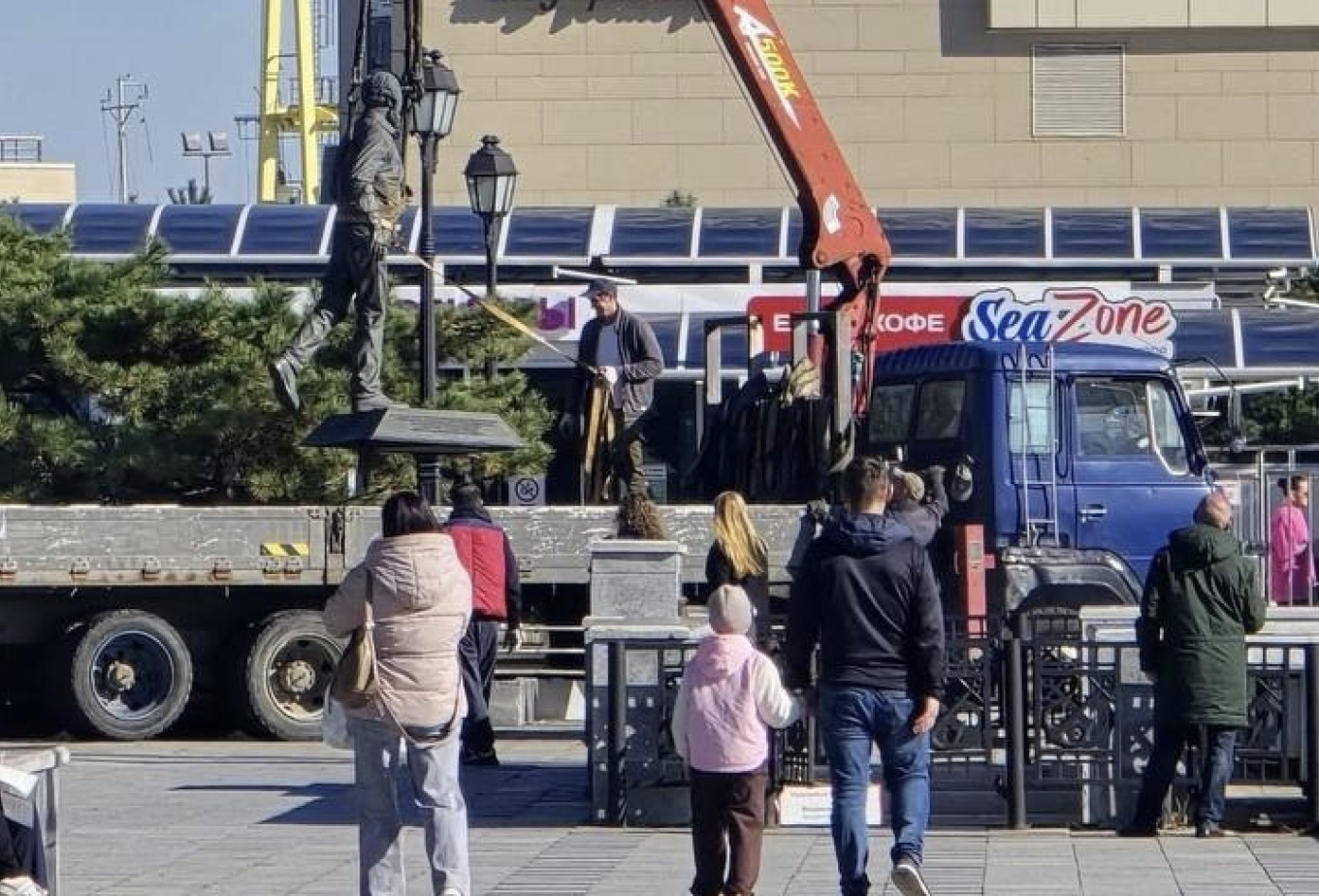
Authorities in the Far East port of Vladivostok removed a statue of Nobel Prize-winning writer Aleksandr Solzhenitsyn from the city’s central embankment on Tuesday to relocate it to the city outskirts.
Vladivostok city hall had ordered the Soviet dissident’s statue to be relocated earlier this year after deeming its presence among the warships “inappropriate.”
But just a day later, the 2.5-meter-tall monument reappeared on the embankment after it was found to be too large for its new location. It is unclear if the authorities will proceed with the plan after this week’s mishap.
- “Russia’s Green Party Helps Putin More Than the Environment” by Vladimir Slivyak
- “As Their Nationwide Pollution Problem Deepens, Russians Say They Have Bigger Worries” by Leyla Latypova
- “How This Russian Nuclear Waste Dump Became an Unlikely Victim of the Ukraine War” by Brawley Benson
A Message from The Moscow Times:
Dear readers,
We are facing unprecedented challenges. Russia's Prosecutor General's Office has designated The Moscow Times as an "undesirable" organization, criminalizing our work and putting our staff at risk of prosecution. This follows our earlier unjust labeling as a "foreign agent."
These actions are direct attempts to silence independent journalism in Russia. The authorities claim our work "discredits the decisions of the Russian leadership." We see things differently: we strive to provide accurate, unbiased reporting on Russia.
We, the journalists of The Moscow Times, refuse to be silenced. But to continue our work, we need your help.
Your support, no matter how small, makes a world of difference. If you can, please support us monthly starting from just $2. It's quick to set up, and every contribution makes a significant impact.
By supporting The Moscow Times, you're defending open, independent journalism in the face of repression. Thank you for standing with us.

Remind me later.