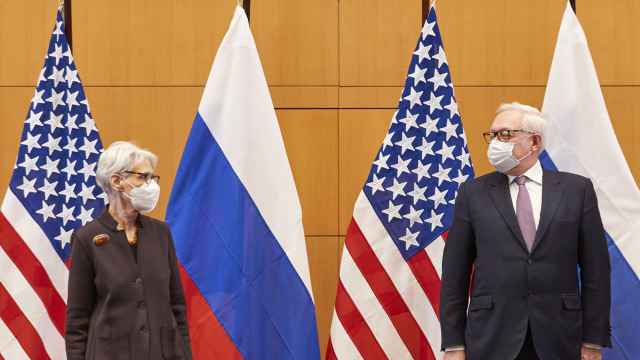
Russian and Ukrainian delegates gathered in Abu Dhabi on Tuesday for a new round of U.S.-mediated peace talks, though expectations for a breakthrough remain low as Russia appears determined to continue fighting rather than negotiate a settlement to the war, now in its fifth year.
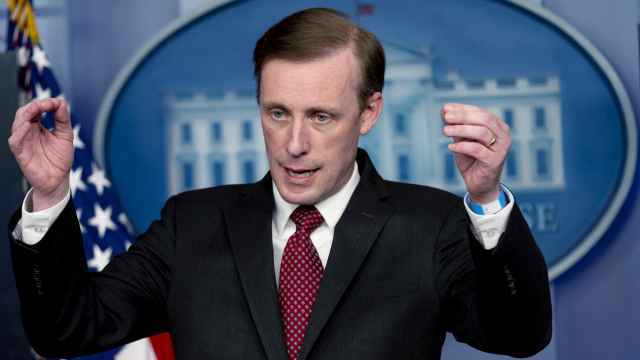
White House special envoys Steve Witkoff and Jared Kushner are once again mediating the talks, which last through Wednesday. Both men have held a series of meetings with officials across Europe and Russia in recent weeks as they engage in a renewed charge of shuttle diplomacy.
Delegates from Russia and Ukraine last met in Geneva in February, but further negotiations were put on hold following the outbreak of the U.S. Israel war against Iran. Since then, Ukraine and Russia have dramatically ramped up their attacks on each other’s territory, inflicting significant economic pain and a growing human toll.
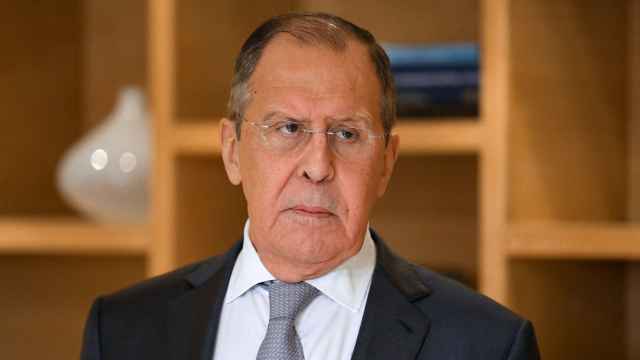
Kremlin adviser Vladimir Medinsky, an arch-conservative who previously served as Russia’s culture minister, is again serving as the chief negotiator of the Russian delegation. The team also includes Deputy Foreign Minister Sergei Ryabkov, as well as senior military and intelligence officials.
Shortly before Tuesday’s opening session with Russian officials, Ukrainian delegates and American mediators met with European and NATO representatives in Abu Dhabi. Ukraine’s chief negotiator, Rustem Umerov, posted a photo of the sit-down on Telegram, saying that officials gathered to “align our positions and coordinate steps ahead of the next phase of talks.”
The primary focus of the latest round of negotiations, Umerov wrote, includes a “cessation of hostilities, reliable post-war security guarantees, Ukraine’s economic recovery and development, as well as humanitarian steps.”
A source in Russia’s delegation told Reuters that Moscow hopes the Abu Dhabi talks will lay the groundwork for key elements of a post-war security framework for Europe.
U.S. officials also told the Financial Times that they are looking to resolve the Ukraine war and broader security arrangements for the continent in tandem, but emphasized that European officials should have a seat at the table, something that Moscow has so far rejected.
On Monday, Kushner, U.S. President Donald Trump’s son-in-law, described a potential framework for Europe in broad terms, saying the United States would seek “stronger consultation, reliable crisis communications, greater military transparency and reciprocal measures to reduce escalation risks.”
The shift toward post-war security arrangements and European involvement sets this latest round of talks apart from those that were held earlier, which focused largely on messy territorial disputes between Russia and Ukraine, as well as other issues directly related to the conflict.
European leaders, meanwhile, have increasingly sought a role in the Trump administration’s peace push. Last month, Norwegian Prime Minister Jonas Gahr Støre and Finnish President Alexander Stubb held a phone call with Russian President Vladimir Putin to discuss the war, a move that drew criticism from some of their European counterparts.
Reports suggest U.S. officials are now looking to persuade Moscow to include European representatives directly in future talks, especially given the growing emphasis on developing a long-term security architecture for the region. However, European consensus remains elusive, with persistent disagreements over how to engage Russia.
The focus on security also raises questions about the fate of Russia’s broader demands, including territorial concessions, demilitarization and major political changes in Kyiv.
Putin has shown no sign of backing away from his goal of seizing the entirety of eastern Ukraine’s Donetsk region, which, along with neighboring Luhansk, forms the Donbas.
Moscow considers the Donbas historical Russian land and has made full control a non-negotiable demand, with Putin vowing to secure it either by force or at the negotiating table in the form of a Ukrainian capitulation.
But Ukraine has rejected ceding any territory currently under its control as a prerequisite for peace. Ukrainian President Volodymyr Zelensky maintains that territorial matters can only be negotiated in a direct meeting with Putin, who, for his part, continues to question Zelensky’s legitimacy.
A Message from The Moscow Times:
Dear readers,
We are facing unprecedented challenges. Russia's Prosecutor General's Office has designated The Moscow Times as an "undesirable" organization, criminalizing our work and putting our staff at risk of prosecution. This follows our earlier unjust labeling as a "foreign agent."
These actions are direct attempts to silence independent journalism in Russia. The authorities claim our work "discredits the decisions of the Russian leadership." We see things differently: we strive to provide accurate, unbiased reporting on Russia.
We, the journalists of The Moscow Times, refuse to be silenced. But to continue our work, we need your help.
Your support, no matter how small, makes a world of difference. If you can, please support us monthly starting from just $2. It's quick to set up, and every contribution makes a significant impact.
By supporting The Moscow Times, you're defending open, independent journalism in the face of repression. Thank you for standing with us.

Remind me later.