
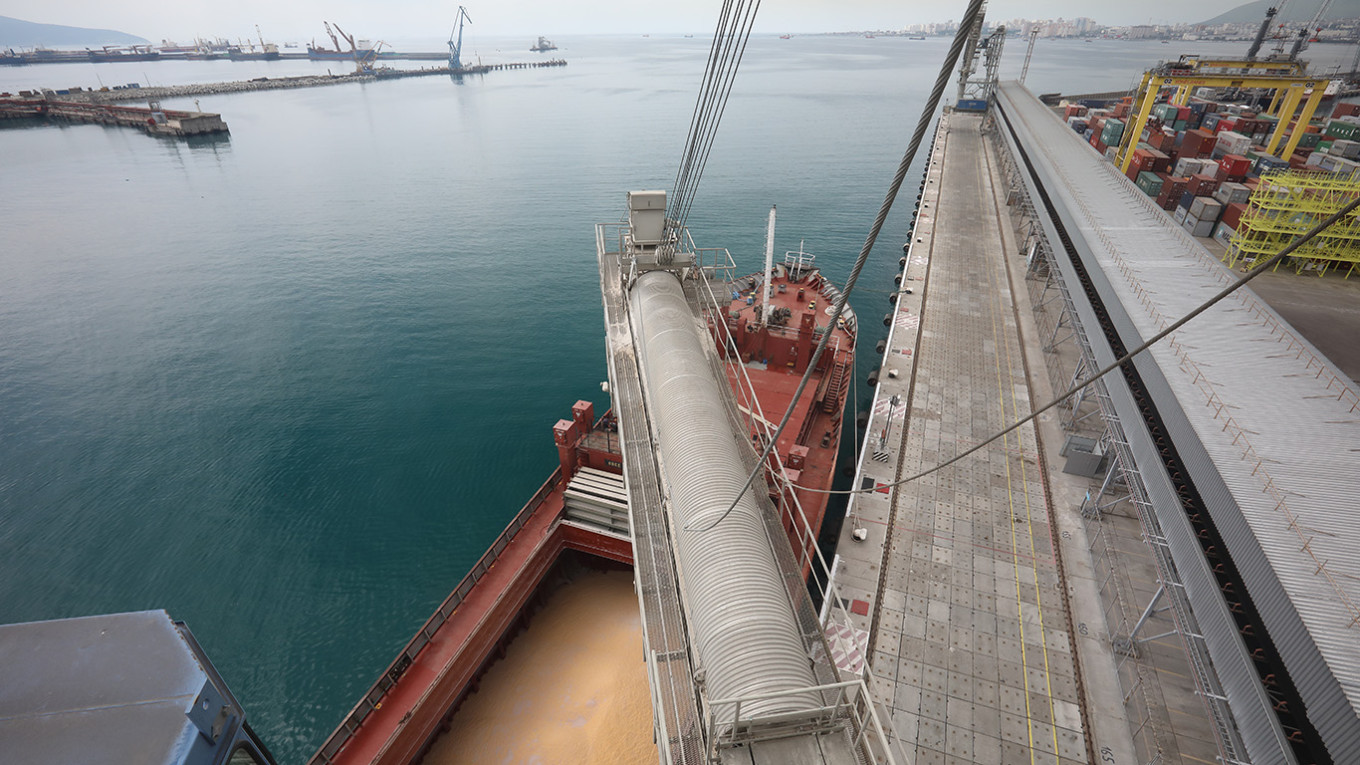
Russia said on Tuesday it is preparing to reroute grain shipments from the Sea of Azov after several vessels came under Ukrainian attacks in the sea last week, raising concerns over disruption to a route that handles about a quarter of its grain exports.
Shipping in the Sea of Azov remained restricted on Tuesday, according to Reuters sources, marking the biggest disruption to the Black Sea grain trade since the start of the war in Ukraine.
Russia's Agriculture Ministry said the situation would not affect export volumes or domestic food supplies since grain could be redirected through alternative ports.
"Given Russia's significant capacity for transshipping agricultural cargo in various regions, supply logistics will be redirected if necessary," the ministry said in a statement.
Neither the agriculture nor the transport ministry, which issued a separate statement, confirmed that the restrictions on traffic in the Sea of Azov were in place.
Grain exporters said that cargoes could instead be routed through deep-water grain terminals on the Black Sea or via Baltic Sea ports, although some of those have been attacked by Ukrainian drones.
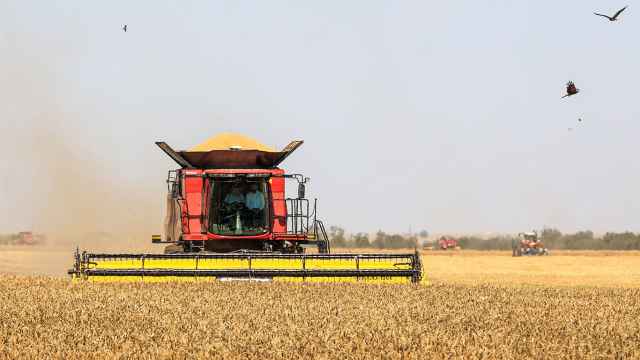
Russia has begun harvesting new crops in southern regions, but the new grain has not yet arrived in the seaports. Grain shipments from Russia typically slow in the months ahead of the harvesting campaign.
"The main goal of the work is to minimize the impact of temporary logistical difficulties on the sale of the new harvest by farmers," said local authorities in Rostov region, one of Russia's leading grain producers.
The latest disruption comes as Ukraine intensifies long-range strikes on Russian oil refineries and other energy infrastructure, which have led to fuel shortages across the country.
A Message from The Moscow Times:
Dear readers,
We are facing unprecedented challenges. Russia's Prosecutor General's Office has designated The Moscow Times as an "undesirable" organization, criminalizing our work and putting our staff at risk of prosecution. This follows our earlier unjust labeling as a "foreign agent."
These actions are direct attempts to silence independent journalism in Russia. The authorities claim our work "discredits the decisions of the Russian leadership." We see things differently: we strive to provide accurate, unbiased reporting on Russia.
We, the journalists of The Moscow Times, refuse to be silenced. But to continue our work, we need your help.
Your support, no matter how small, makes a world of difference. If you can, please support us monthly starting from just $2. It's quick to set up, and every contribution makes a significant impact.
By supporting The Moscow Times, you're defending open, independent journalism in the face of repression. Thank you for standing with us.

Remind me later.