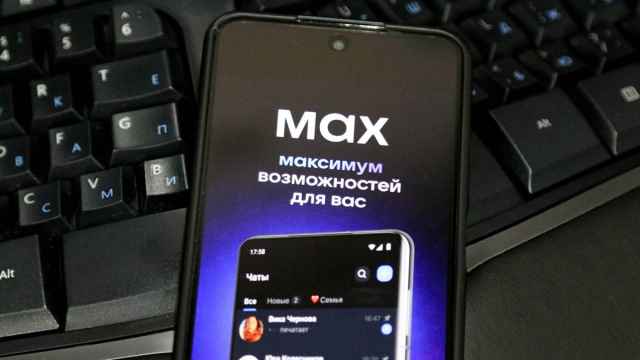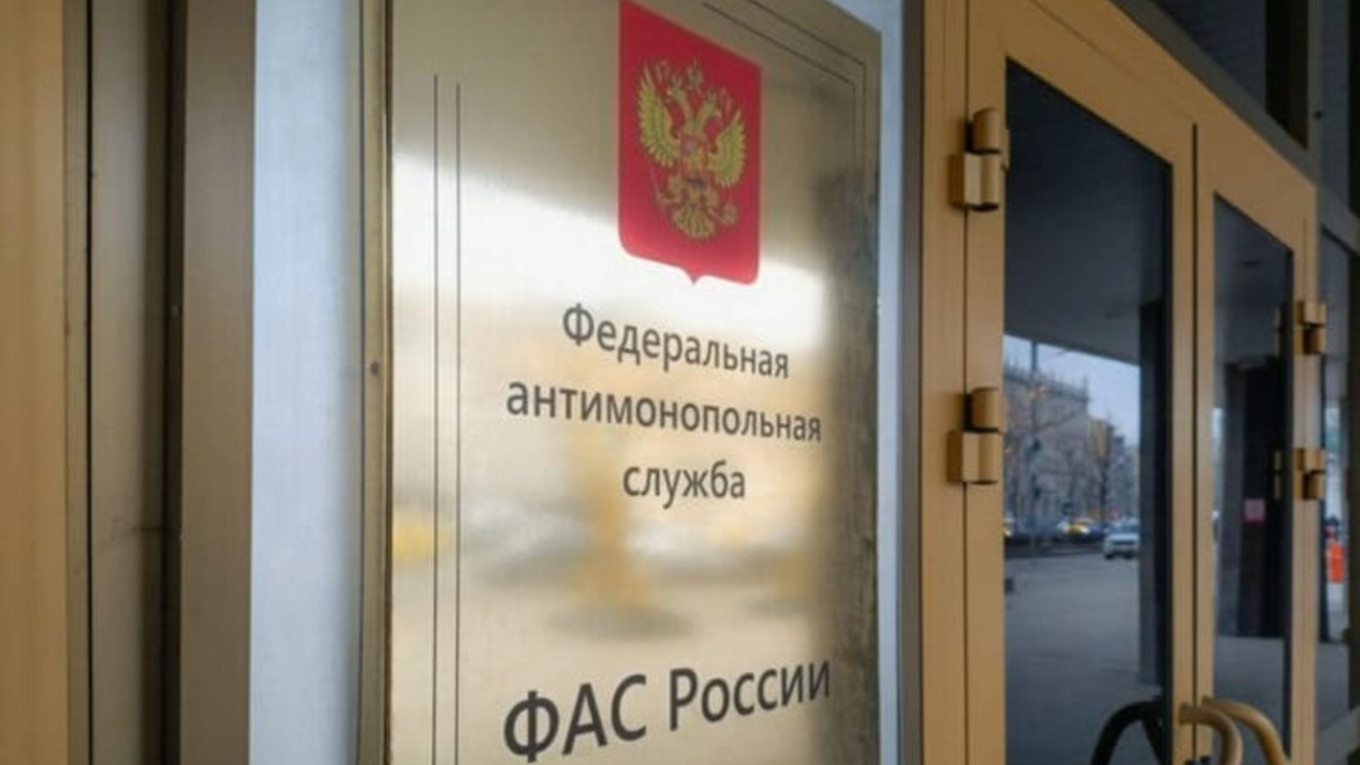
Russia’s Federal Anti-Monopoly Service has opened a case against Apple for allegedly refusing to preinstall the state-backed messaging app Max and domestic app store RuStore on its devices, the regulator said.
The case marks the latest clash between Apple and Russian authorities, which have sought to tighten state control over the country’s digital market and require foreign technology companies to give domestic services greater access to their platforms.
The Federal Anti-Monopoly Service (FAS) said it had previously warned Apple to remove what it described as discriminatory conditions affecting Russian search engines and to comply with requirements for domestic software to be preinstalled on devices running Apple’s iOS operating system.
Apple partially complied with the warning by allowing a Russian search engine to be preinstalled in an updated version of its software, the regulator said.
However, the company ignored the requirement covering what the FAS described as the “national messenger” and domestic app store, referring to Max and RuStore.
Apple could face a fine of up to 4 billion rubles ($49.6 million) if found to have violated Russian competition law.
The regulator warned Apple in early July that it had until July 15, 2026, to comply with the preinstallation requirements. Apple subsequently enabled the preinstallation of a Russian search engine in iOS 26.6, according to the FAS.
Apple removed Max from its iPhone App Store in late June.
The U.S. technology company suspended official sales and shipments to Russia in 2022 following Moscow’s full-scale invasion of Ukraine. Its phones and other devices remain available in the country through parallel imports.
Read this article in Russian at The Moscow Times' Russian service.
A Message from The Moscow Times:
Dear readers,
We are facing unprecedented challenges. Russia's Prosecutor General's Office has designated The Moscow Times as an "undesirable" organization, criminalizing our work and putting our staff at risk of prosecution. This follows our earlier unjust labeling as a "foreign agent."
These actions are direct attempts to silence independent journalism in Russia. The authorities claim our work "discredits the decisions of the Russian leadership." We see things differently: we strive to provide accurate, unbiased reporting on Russia.
We, the journalists of The Moscow Times, refuse to be silenced. But to continue our work, we need your help.
Your support, no matter how small, makes a world of difference. If you can, please support us monthly starting from just $2. It's quick to set up, and every contribution makes a significant impact.
By supporting The Moscow Times, you're defending open, independent journalism in the face of repression. Thank you for standing with us.

Remind me later.