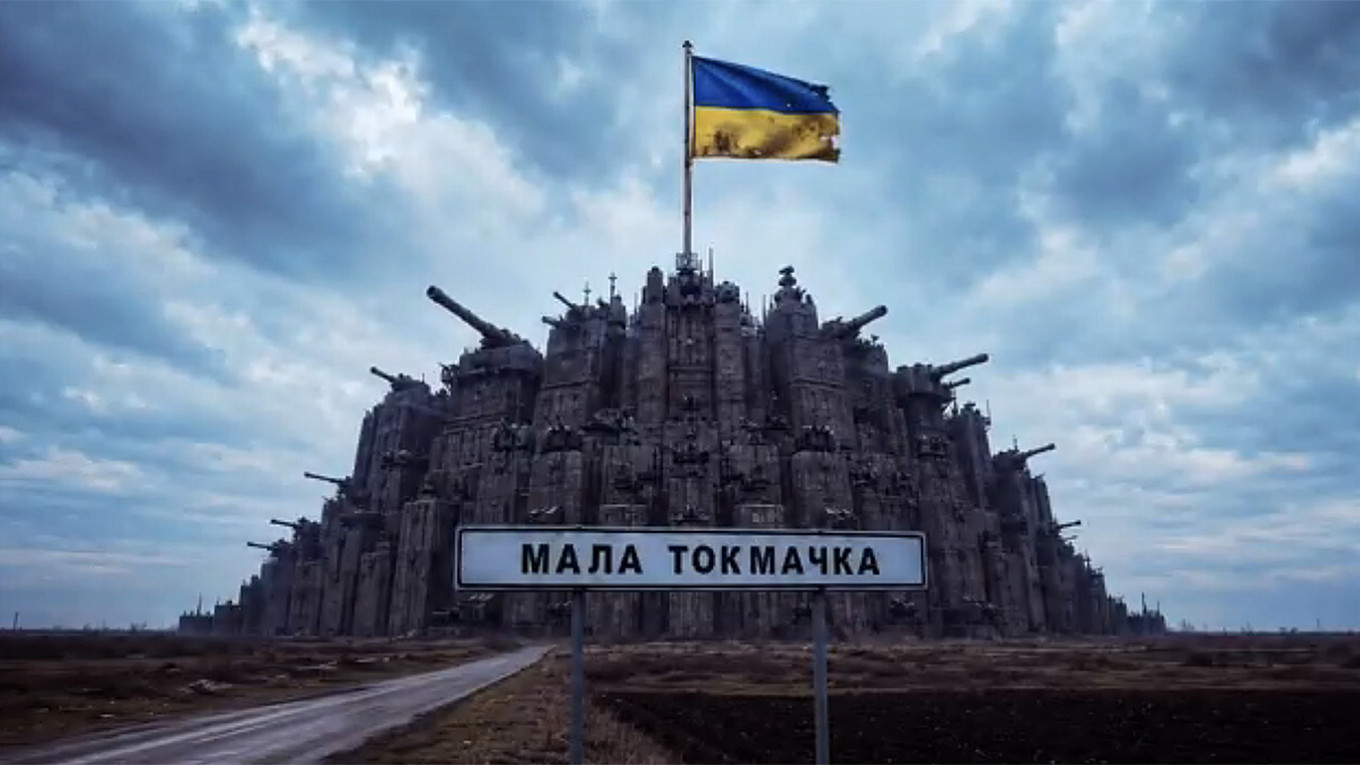
For some observers of Russia’s war on Ukraine, Mala Tokmachka has been mentioned so often in Russian military reports and pro-war Telegram channels lately that it has started to sound as though it were the key to victory in the entire war.
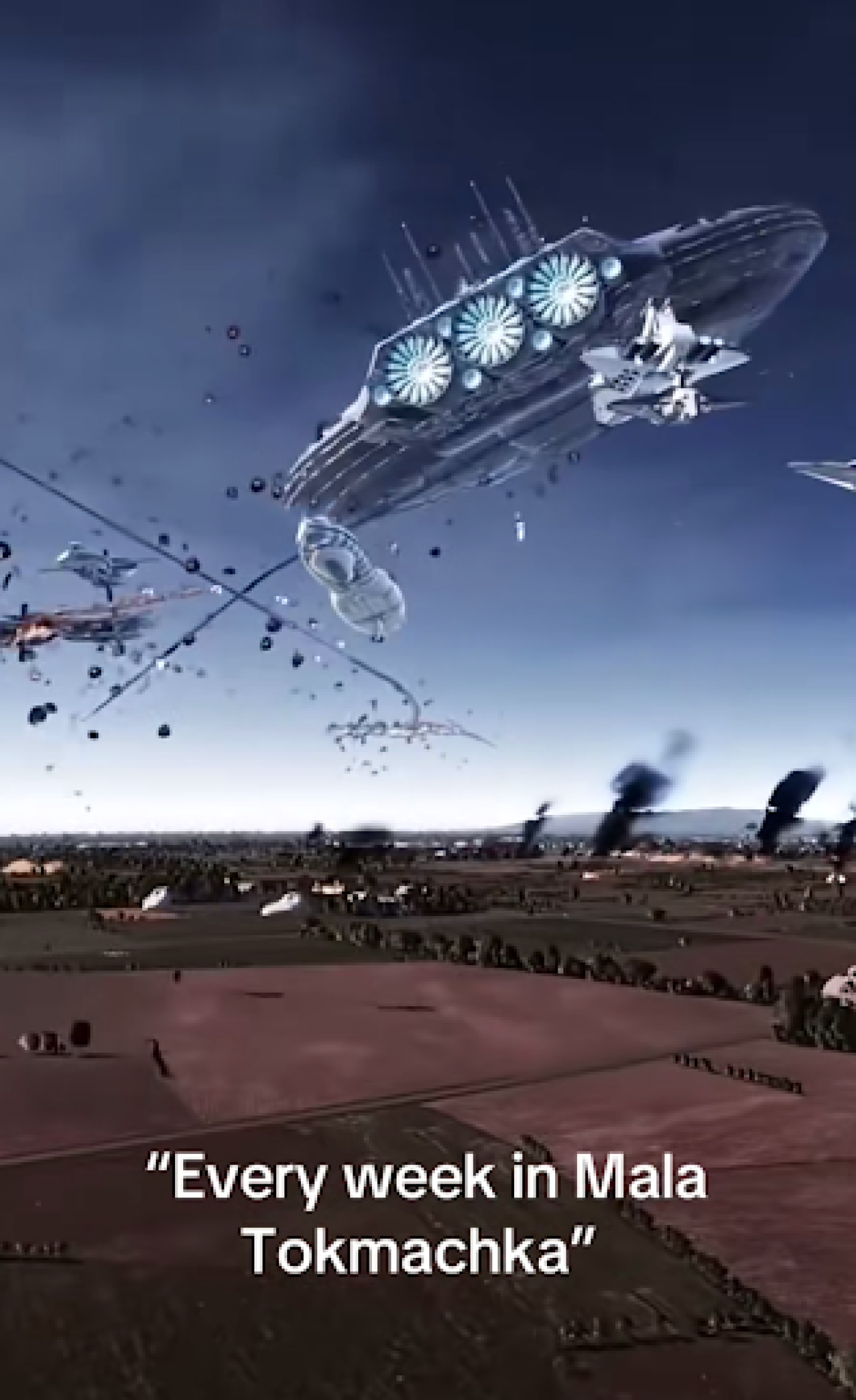
The long-running battle for this small Ukrainian village in the southeastern Zaporizhzhia region — and Moscow’s repeated claims of progress and victory there — has now become an unexpected meme.
It all started when a video compilation of pro-Kremlin military commentator Boris Rozhin’s repeated comments over the past year that Russian forces were “continuing to press” near the village went viral on the Russian internet.
Even pro-Kremlin military bloggers have chimed in on the video.
“Here are the results of ‘Kyiv in three days’,” the pro-war Telegram channel Alex Parker Returns quipped.
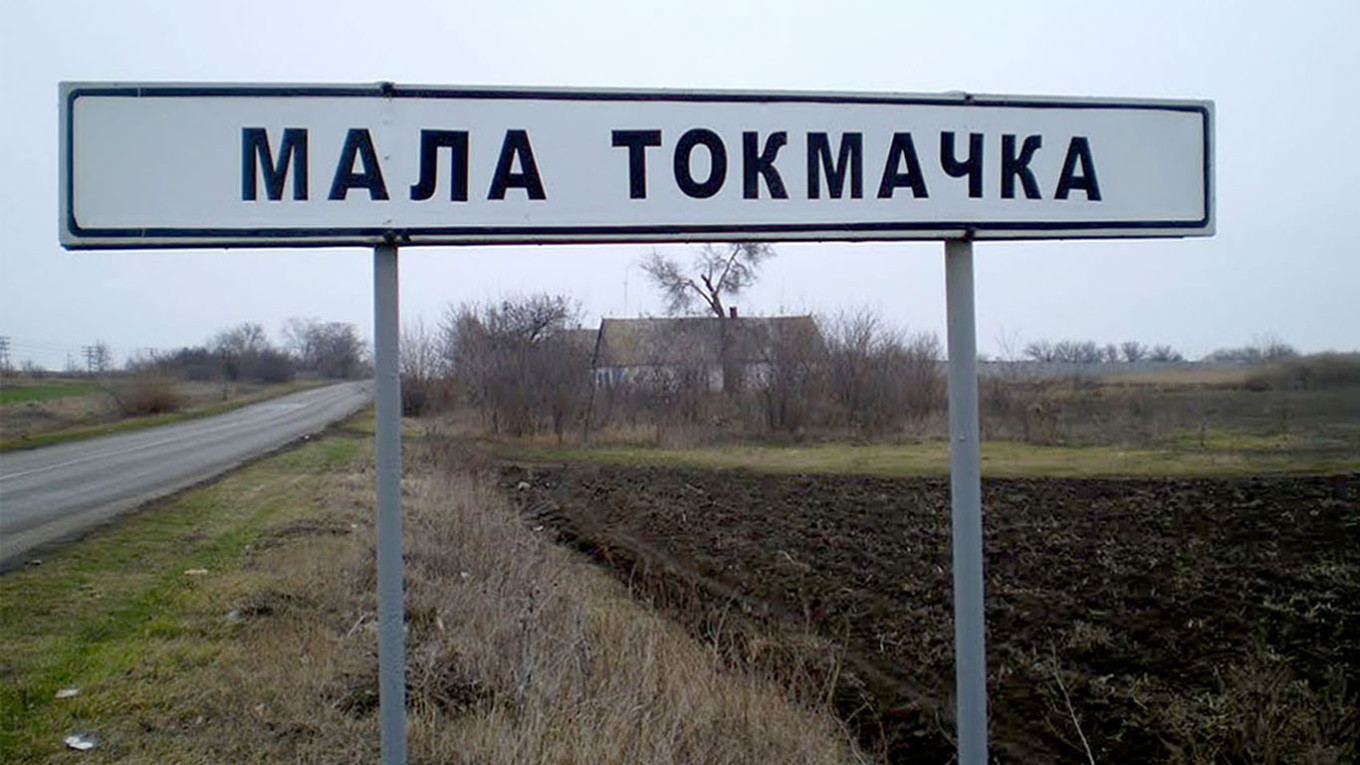
Mala Tokmachka, which had a pre-war population of about 3,000, sits on a route leading to Orikhiv, a key Ukrainian defensive hub in the Zaporizhzhia sector.
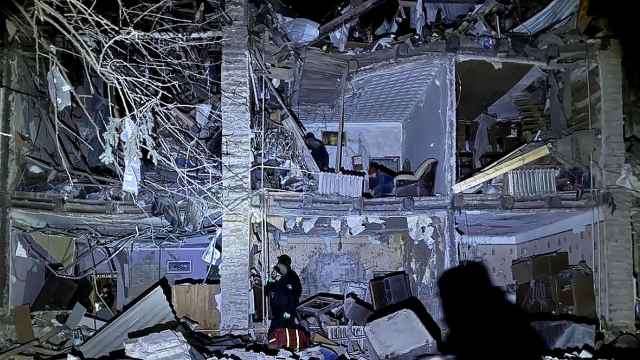
Ukrainian forces have built fortified positions and defensive lines around the village, turning it into a stronghold blocking Russian advances in the area. By 2025, Russian-installed authorities said only 10 residents remained.
Russia’s Defense Ministry first claimed control of the village in March 2022, during the opening phase of its full-scale invasion. By that summer, reports said Ukrainian troops had returned to the area.
From then on, Mala Tokmachka became a regular feature in Russian military updates, with the Defense Ministry and war correspondents alike repeatedly reporting strikes on Ukrainian positions there.
In May 2024, the Defense Ministry even staged an exhibition showcasing what it described as Ukrainian military “trophies” captured there.
In 2025, Russian military briefings reported that troops had begun direct combat operations in and around the village itself.
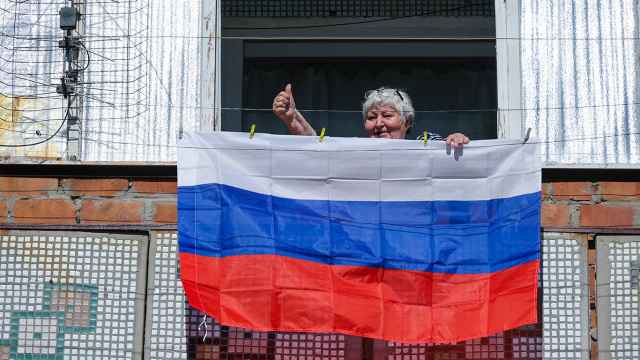
Then, in November, the Defense Ministry announced what it described as the village’s “liberation” for the second time since the start of the war.
Defense Minister Andrei Belousov congratulated Russia’s 42nd Guards Motor Rifle Division and called the capture “a major step toward victory.”
Yet by 2026, Russian officials and military commentators quietly dropped references to the village being under Russian control.
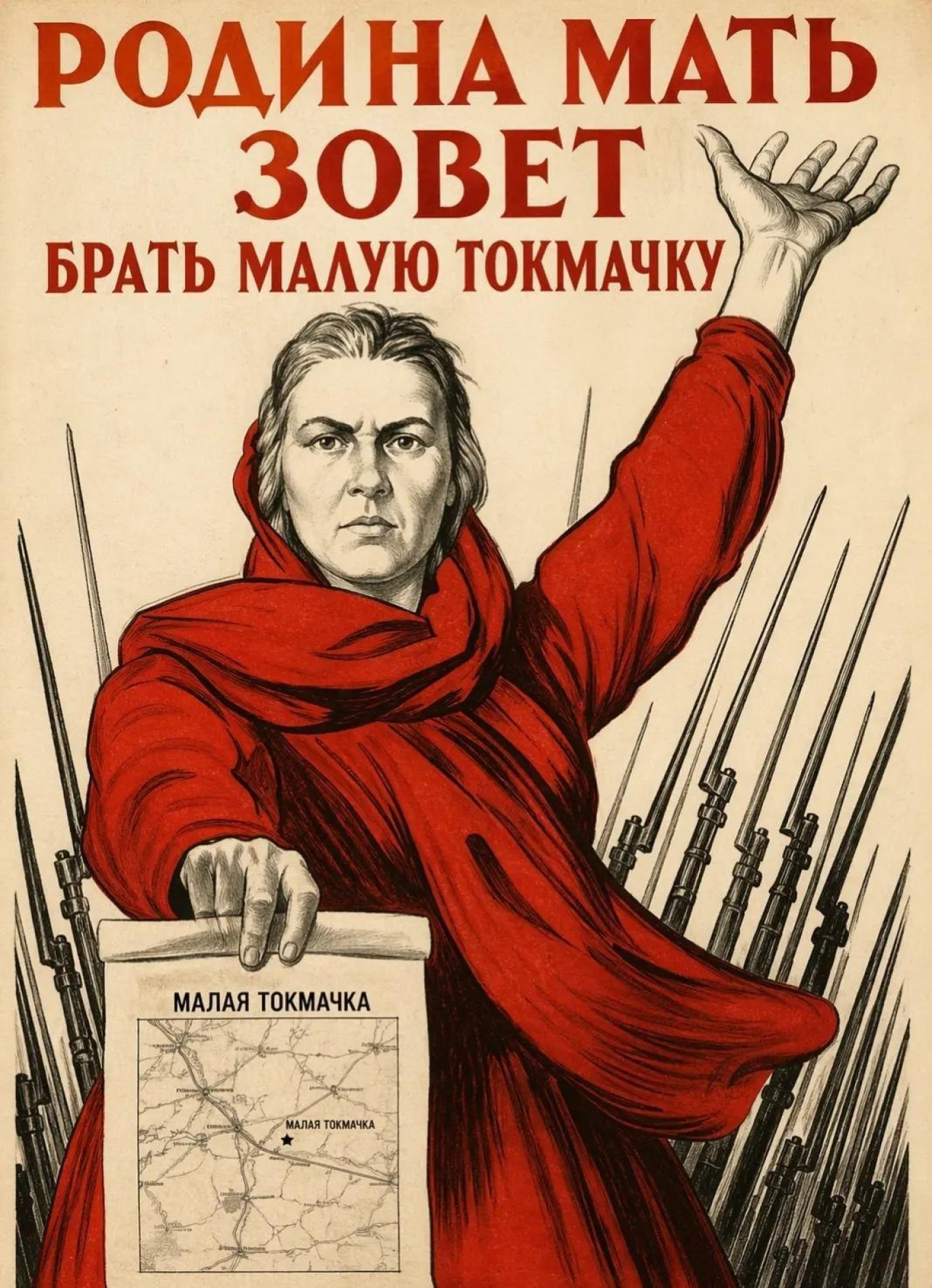
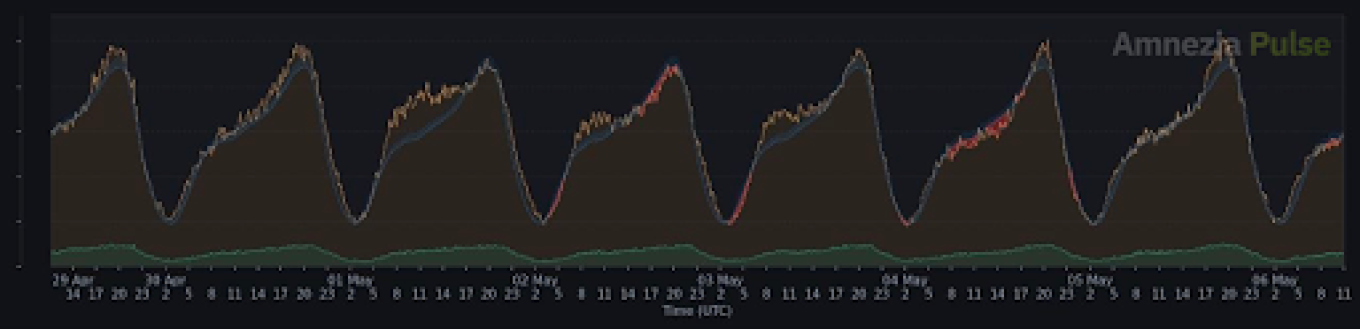
Pro-Kremlin media reported in April that “bloody battles” were underway in the area, while military commentators described efforts to bypass Orikhiv from the northwest and cut nearby supply routes.
According to maps published by the Russian military tracking project Lost Armor, Russian troops had reached a few streets into Mala Tokmachka as of May 21. DeepState, an online battlefield map run by Ukrainian military analysts, showed Russian forces on the outskirts of the village.
The back-and-forth has inspired an outpouring of memes in both Ukraine and Russia.
“Expectation: Kyiv in three days. Reality: spending an entire year ‘continuing to press’ near Mala Tokmachka,” Ukrainian journalist Denis Kazansky wrote on social media, referring to the Rozhin compilation video.
“If not for Mala Tokmachka, they’d already be in Berlin by now!” joked the Ukrainian Telegram channel Zabor Zaporizhzhia.
The jokes soon spread into Russia’s own nationalist and pro-war online circles, where some users used the village as shorthand for what they saw as exaggerated official narratives of battlefield success.
“Being reasonably intelligent by nature, and possessing at least some education, I quickly realized that Mala Tokmachka is something like Troy — or, in more modern terms, Verdun,” wrote Russian nationalist commentator Lev Vershinin.
The Battle of Verdun, one of the defining stalemates of World War I, lasted around 10 months. The cycle of reported advances, withdrawals and repeated “liberations” around Mala Tokmachka has now stretched far longer.
“It’s hilarious and depressing at the same time,” wrote Russian military Telegram channel, Reporter Filatov. “I get the need for propaganda. Back in the Soviet Union, under ‘wild and merciless censorship,’ they would simply say ‘local battles,’ even when there was a slaughter going on. But they didn’t spend a year and a half storming some random granny village. That army knew how to wage both war and propaganda.”
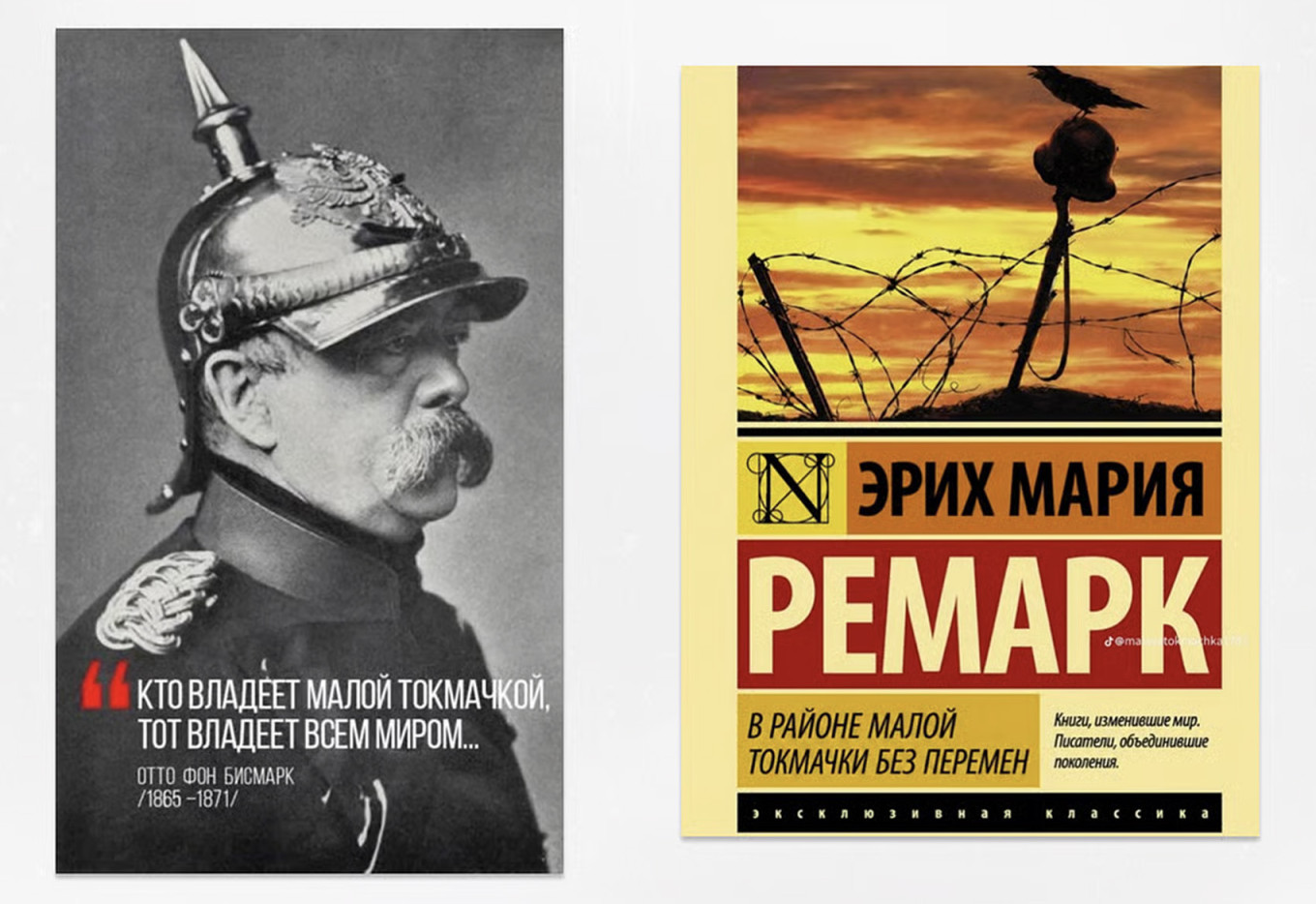
A parody Telegram channel called Has Mala Tokmachka Been Taken Yet? appeared soon after.
“Battles for Mala Tokmachka are ongoing. Today, Mala Tokmachka was not taken,” the channel said in one of its daily updates.
The Rozhin compilation was later picked up by prominent Russian opposition bloggers including Michael Naki and Maxim Katz before spreading to Russian-language Instagram and TikTok, where younger users started making memes about the village.
The fight for the village is symbolic of the wider battlefield dynamic. According to the U.S.-based Institute for the Study of War, Russian forces lost control of 116 square kilometers of territory in April 2026 alone.
The pace of Russian advances has been slowing since November 2025 amid Ukrainian counterattacks, strikes on logistics infrastructure and communications disruptions.
In comment sections under pro-war Telegram channels, users voice frustration and fatigue with what they see as endless declarations of progress without decisive results.
As one commenter put it: “No one gives a damn about yet another Mala Tokmachka.”
A Message from The Moscow Times:
Dear readers,
We are facing unprecedented challenges. Russia's Prosecutor General's Office has designated The Moscow Times as an "undesirable" organization, criminalizing our work and putting our staff at risk of prosecution. This follows our earlier unjust labeling as a "foreign agent."
These actions are direct attempts to silence independent journalism in Russia. The authorities claim our work "discredits the decisions of the Russian leadership." We see things differently: we strive to provide accurate, unbiased reporting on Russia.
We, the journalists of The Moscow Times, refuse to be silenced. But to continue our work, we need your help.
Your support, no matter how small, makes a world of difference. If you can, please support us monthly starting from just $2. It's quick to set up, and every contribution makes a significant impact.
By supporting The Moscow Times, you're defending open, independent journalism in the face of repression. Thank you for standing with us.

Remind me later.