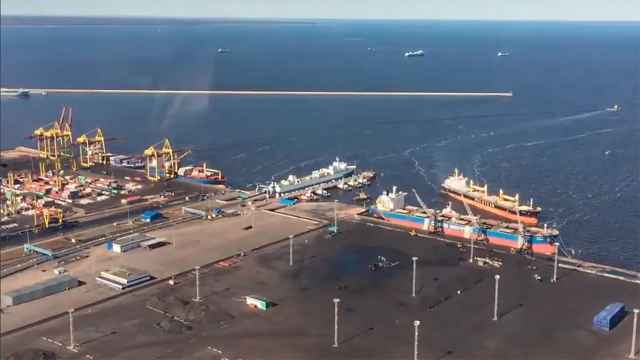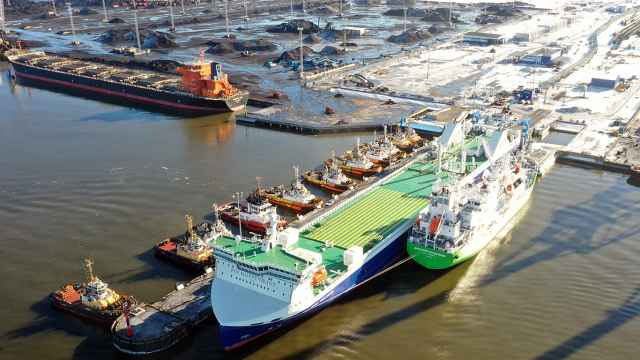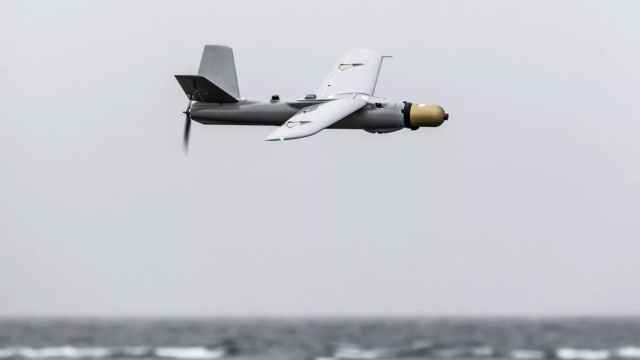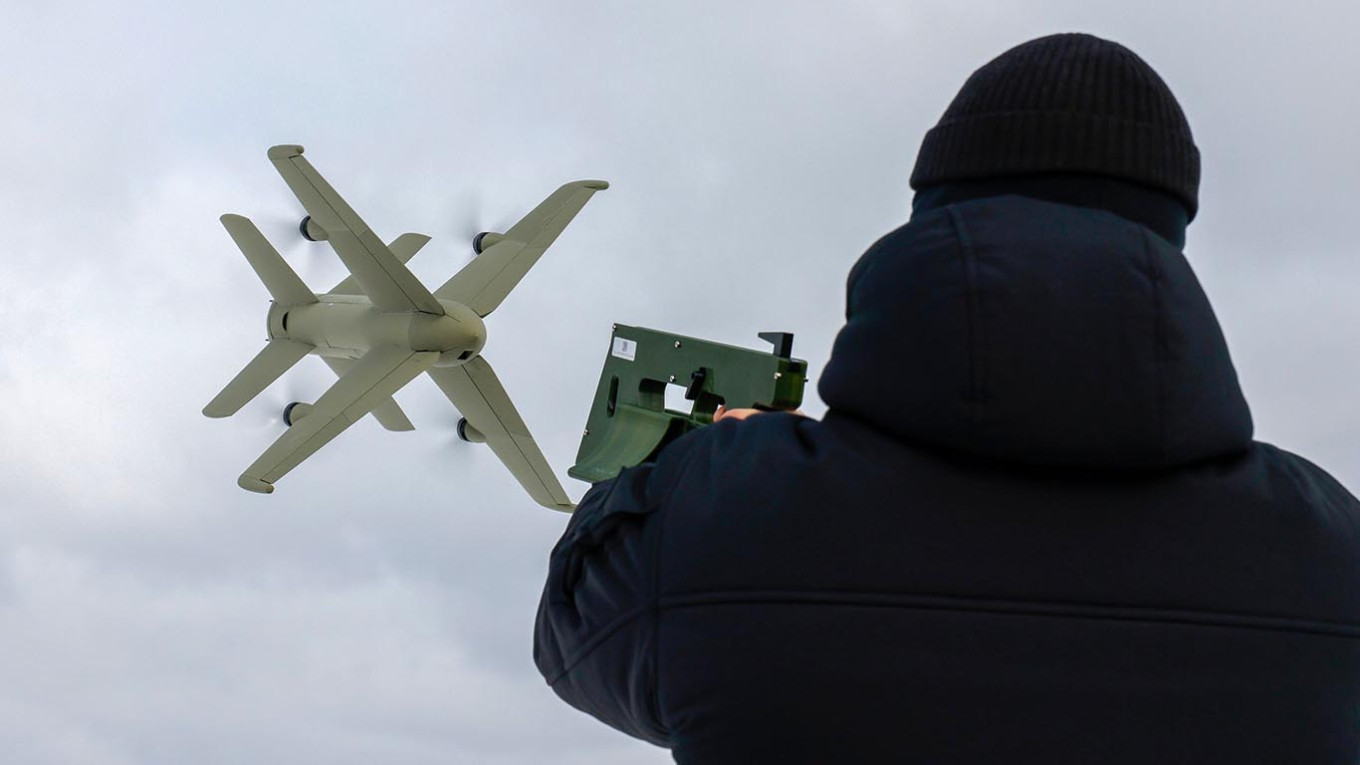
Authorities in northwestern Russia’s Leningrad region announced Friday a recruitment campaign for military reservists to bolster air defenses following a recent uptick in Ukrainian drone strikes on critical oil and export infrastructure.
Governor Alexander Drozdenko said new “mobile fire groups” will be stationed at key facilities to counter aerial threats. He urged veterans of the war in Ukraine, as well as former Soviet and Russian soldiers, to sign three-year contracts to man the units.
The region plans to add 54 of those air defense groups to its existing 80 units by June 1.
Drozdenko’s announcement follows repeated strikes on major oil export hubs in the Leningrad region since mid-March. The attacks were at one point estimated to have contributed to an overall 40% reduction in Russia’s oil export capacity, a key source of government revenue.
Since the start of the year, air defense systems have intercepted 243 drones in the Leningrad region, Drozdenko said this week.
“We have the longest border with the countries of the unfriendly NATO bloc,” the governor said, referring to Estonia and Finland. “Our region has become not only a border area, but also a frontline area.”
Senior federal officials, including Russian Security Council Secretary Sergei Shoigu and presidential aide Nikolai Patrushev, this week accused Finland and the Baltic states of allowing Ukraine to use their airspace for drone attacks against Russia.
Those countries have denied Russia’s accusation.
A Message from The Moscow Times:
Dear readers,
We are facing unprecedented challenges. Russia's Prosecutor General's Office has designated The Moscow Times as an "undesirable" organization, criminalizing our work and putting our staff at risk of prosecution. This follows our earlier unjust labeling as a "foreign agent."
These actions are direct attempts to silence independent journalism in Russia. The authorities claim our work "discredits the decisions of the Russian leadership." We see things differently: we strive to provide accurate, unbiased reporting on Russia.
We, the journalists of The Moscow Times, refuse to be silenced. But to continue our work, we need your help.
Your support, no matter how small, makes a world of difference. If you can, please support us monthly starting from just $2. It's quick to set up, and every contribution makes a significant impact.
By supporting The Moscow Times, you're defending open, independent journalism in the face of repression. Thank you for standing with us.

Remind me later.