Russia offered to stop its intelligence-sharing with Iran in exchange for the United States suspending intelligence support to Ukraine, but Washington rejected the offer, Politico reported Friday, citing people familiar with the matter.
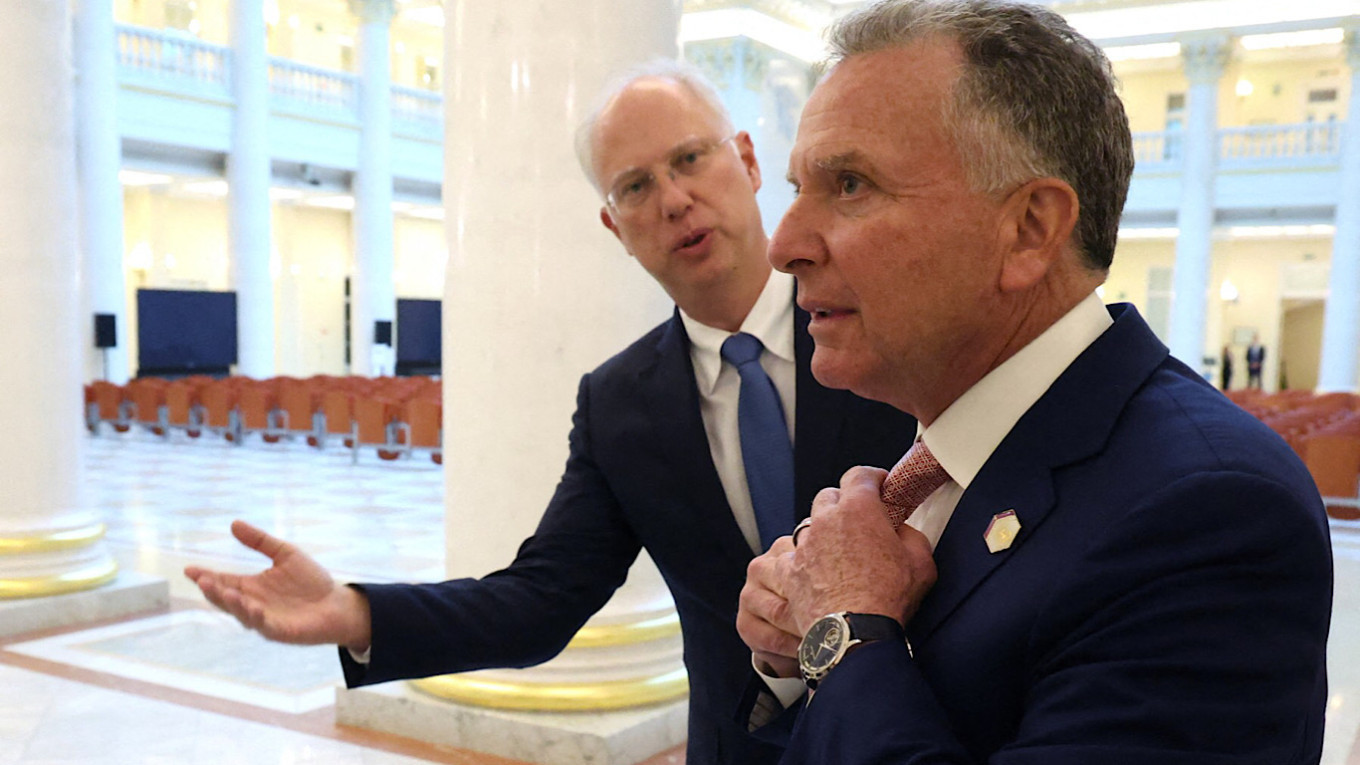
The quid pro quo proposal was delivered last week in Miami by Kremlin envoy Kirill Dmitriev to U.S. President Donald Trump’s special envoys Steve Witkoff and Jared Kushner, according to the report.
Politico said the proposal will likely deepen suspicions in Europe that the Witkoff-Dmitriev meetings are not aimed at advancing a Ukraine peace settlement, but rather at exploring bilateral arrangements that could sideline European partners.
A source familiar with the discussions told Politico that Russia put forward additional Iran-related proposals that Washington has also rejected, including the idea of transferring enriched uranium from Iran to Russia.
Russia has expanded intelligence-sharing and military cooperation with Iran since the U.S.-Israeli attack on Tehran on Feb. 28, the source added, citing Western intelligence assessments.
The Kremlin on Monday denied Politico’s report.
“We have certainly seen this report,” Kremlin spokesman Dmitry Peskov told reporters. “It falls into the category of untrue — or, more precisely, false — reports.”
The Wall Street Journal had earlier reported that Moscow supplied Tehran with satellite imagery and drone technology for strikes on U.S. forces in the region. The Kremlin also dismissed those reports as “fake news.”
Trump on Friday slammed NATO allies for refusing to send ships to the Strait of Hormuz, accusing them of failing to support what he described as a “simple military maneuver” to reopen the vital oil shipping lane.
“They complain about the high oil prices they are forced to pay, but don’t want to help open the Strait of Hormuz … COWARDS, and we will REMEMBER!” Trump wrote on Truth Social.
Despite scaling back other forms of support, the U.S. continues to share intelligence with Ukraine. Washington briefly froze intelligence-sharing with Kyiv last year following the Oval Office clash between Trump and Ukrainian President Volodymyr Zelensky.
One European diplomat who spoke to Politico sought to play down the risks of the Russian proposal, pointing to a January statement by French President Emmanuel Macron that France now provides “two-thirds” of the military intelligence supplied to Ukraine.
Read this story in Russian at The Moscow Times' Russian service.
A Message from The Moscow Times:
Dear readers,
We are facing unprecedented challenges. Russia's Prosecutor General's Office has designated The Moscow Times as an "undesirable" organization, criminalizing our work and putting our staff at risk of prosecution. This follows our earlier unjust labeling as a "foreign agent."
These actions are direct attempts to silence independent journalism in Russia. The authorities claim our work "discredits the decisions of the Russian leadership." We see things differently: we strive to provide accurate, unbiased reporting on Russia.
We, the journalists of The Moscow Times, refuse to be silenced. But to continue our work, we need your help.
Your support, no matter how small, makes a world of difference. If you can, please support us monthly starting from just $2. It's quick to set up, and every contribution makes a significant impact.
By supporting The Moscow Times, you're defending open, independent journalism in the face of repression. Thank you for standing with us.

Remind me later.