A Polish court on Wednesday ruled in favor of extraditing a Russian archaeologist who is wanted in Ukraine for conducting excavations on occupied territory.
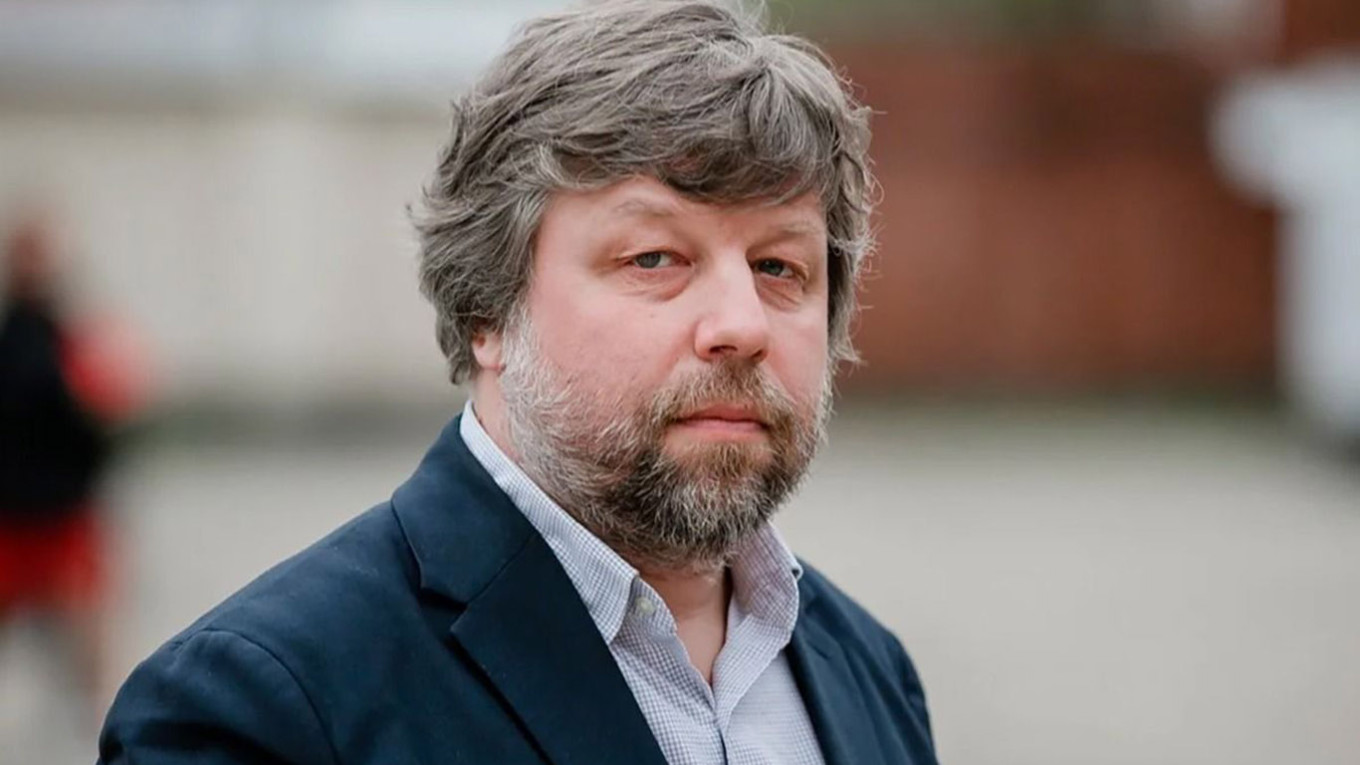
Alexander Butyagin, who heads the archaeology department at the renowned State Hermitage Museum in St. Petersburg, was arrested in Poland on Dec. 4 at Ukraine’s request.
The District Court in Warsaw recognized "the full admissibility" of the Ukrainian request for Butyagin's extradition, his lawyer, Adam Domanski, told reporters, adding that he would appeal the decision.
The court's extradition decision will go to Poland's justice minister for final approval if it is upheld following the appeal, Domanski said.
"This is a political trial that has no legal basis whatsoever," Russian Foreign Ministry spokeswoman Maria Zakharova told reporters at a briefing in Moscow on Wednesday.
"The Polish court's decision is interim ... and we will seek the swift return" of Butyagin to his homeland, she added.
Ukraine's Foreign Ministry spokesman Heorhii Tykhyi said Wednesday that Kyiv views the decision by the Polish court "positively."
"As for what awaits him in Ukraine, the law enforcement authorities who initiated the respective cases know that best," he added.
Butyagin faces up to 10 years in Ukrainian prison for "destroying cultural heritage sites" in Crimea and causing an estimated 200 million hryvnias (4 million euros, $4.6 million) in damage, according to Ukrainian security services.
In a press release at the time of his arrest, the Russian Foreign Ministry called Ukraine's accusations against the scholar "absurd" and "speculative in nature," summoning the Polish ambassador to lodge a complaint over his treatment.
Butyagin "obtained all the necessary authorizations from the competent authorities, including, before 2014, from the Ukrainian authorities," the Russian Foreign Ministry said at the time, demanding his "immediate release."
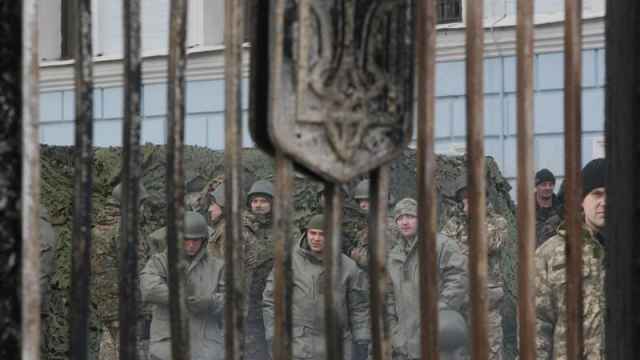
The Ukrainian peninsula of Crimea was annexed by Russia in March 2014 after an intervention by its special forces and a referendum on joining Russia that was denounced as illegal by Kyiv and Western countries.
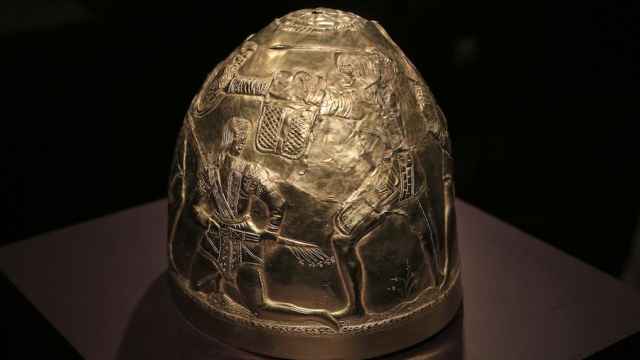
Crimea is home to numerous archaeological treasures, having been colonized over the centuries by the Greeks, Scythians, Byzantines, Venetians, Mongols, Ottomans and Russians.
A Message from The Moscow Times:
Dear readers,
We are facing unprecedented challenges. Russia's Prosecutor General's Office has designated The Moscow Times as an "undesirable" organization, criminalizing our work and putting our staff at risk of prosecution. This follows our earlier unjust labeling as a "foreign agent."
These actions are direct attempts to silence independent journalism in Russia. The authorities claim our work "discredits the decisions of the Russian leadership." We see things differently: we strive to provide accurate, unbiased reporting on Russia.
We, the journalists of The Moscow Times, refuse to be silenced. But to continue our work, we need your help.
Your support, no matter how small, makes a world of difference. If you can, please support us monthly starting from just $2. It's quick to set up, and every contribution makes a significant impact.
By supporting The Moscow Times, you're defending open, independent journalism in the face of repression. Thank you for standing with us.

Remind me later.