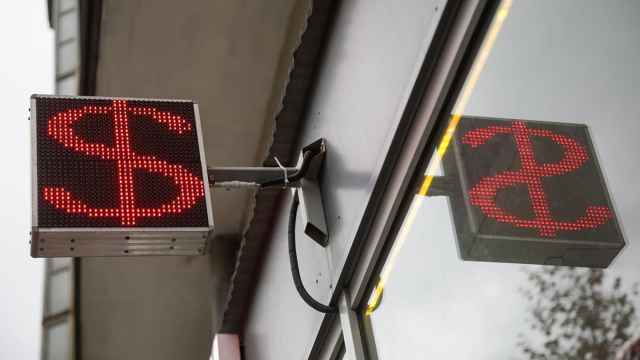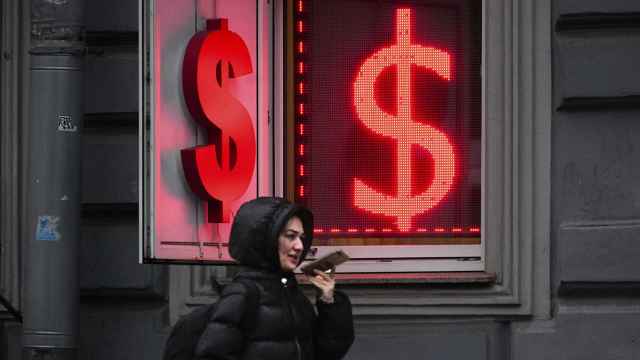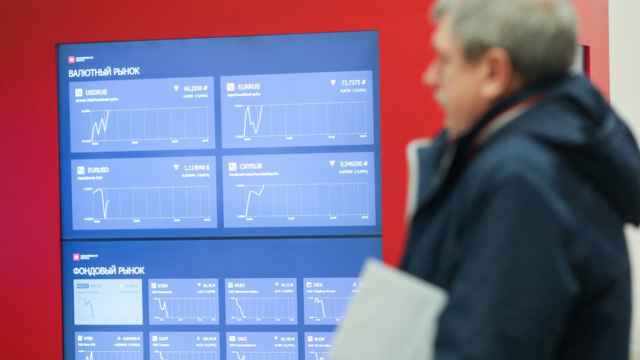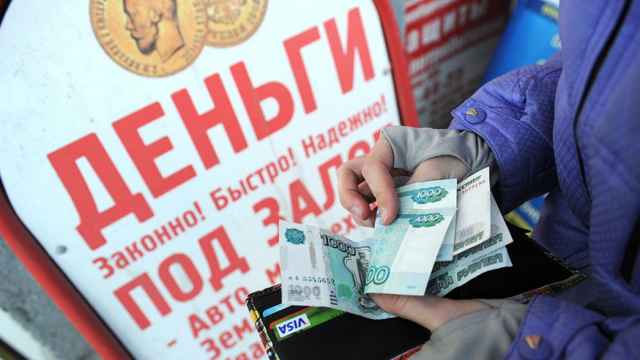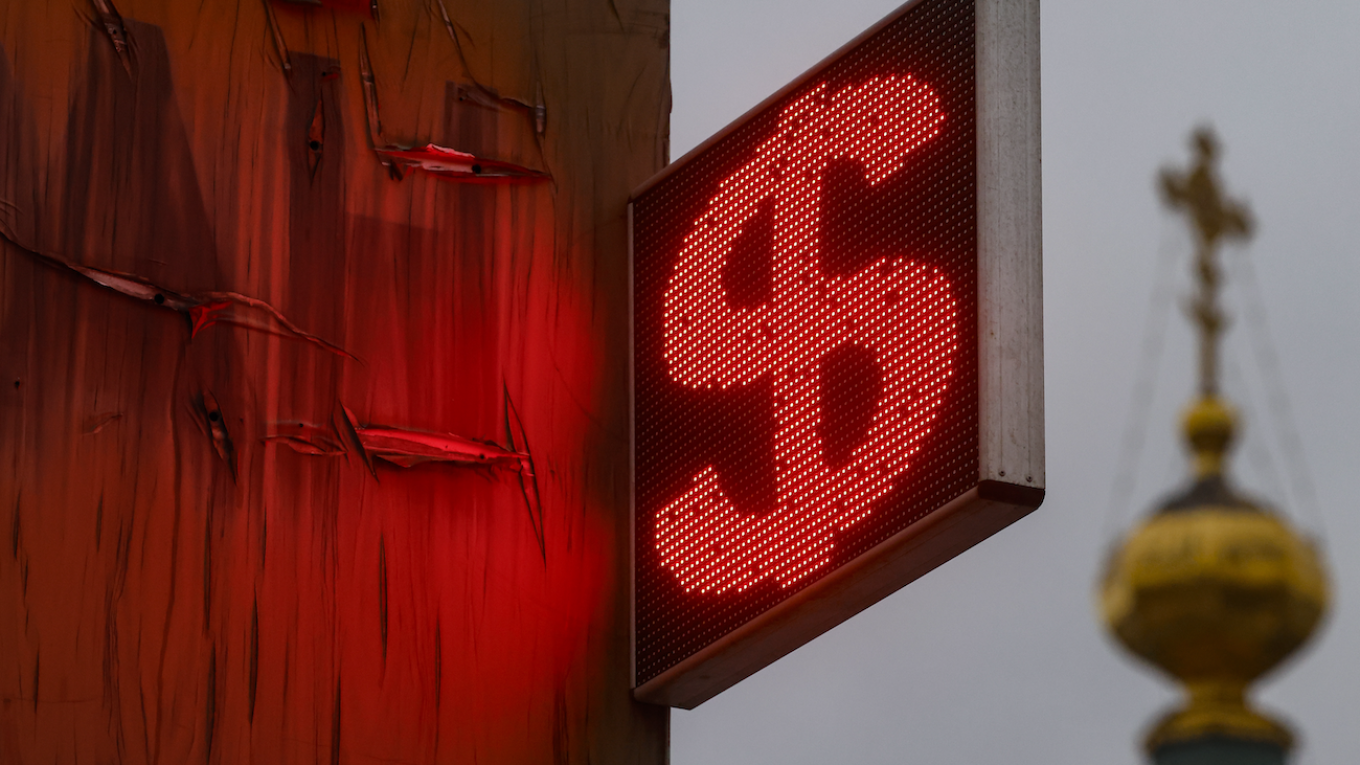
Russia’s ruble weakened against major currencies on Friday despite rising prices for the country’s oil exports, after the Finance Ministry halted foreign currency sales from the National Wealth Fund (NWF) that had been used to support the budget.
The yuan rose to 11.69 rubles on the Moscow Exchange, its highest level since Sept. 25. The dollar climbed to 80.66 rubles on the over-the-counter market, the strongest since Jan. 6, while the euro reached 92.47 rubles, a peak since Jan. 12.
The ruble has lost nearly 5% against the yuan and about 4% against the dollar since the start of March, marking its fourth straight week of declines — the longest losing streak since last summer.
The slide comes even as prices for Russia’s crude grades have climbed to about $70-$80 per barrel and the United States temporarily eased some sanctions on Russian oil shipments, developments that would normally support the currency.
Analysts say the main driver is the Finance Ministry’s recent decision to suspend foreign currency sales from the NWF, which in recent months had reached roughly $2 billion per month.
State lender VTB estimates the move could weaken the ruble by about 10% against the yuan while helping preserve the fund’s dwindling reserves.
The NWF’s liquid assets have shrunk sharply since the start of Russia’s war in Ukraine, with foreign currency holdings falling to their lowest level since the fund was created in 2008.
Russia’s widening budget deficit is also putting pressure on the currency. In January and February, the federal deficit reached 3.5 trillion rubles ($38 billion), with government revenues nearly half the level of spending.
Some analysts say the ruble could stabilize later in the spring if higher commodity prices boost export revenues and increase the supply of foreign currency in the market.
For now, however, weaker inflows have led to tighter yuan liquidity in the banking system, pushing interbank borrowing rates up to 7-11% from around 1% for most of last year.
Read this story in Russian at The Moscow Times' Russian service.
A Message from The Moscow Times:
Dear readers,
We are facing unprecedented challenges. Russia's Prosecutor General's Office has designated The Moscow Times as an "undesirable" organization, criminalizing our work and putting our staff at risk of prosecution. This follows our earlier unjust labeling as a "foreign agent."
These actions are direct attempts to silence independent journalism in Russia. The authorities claim our work "discredits the decisions of the Russian leadership." We see things differently: we strive to provide accurate, unbiased reporting on Russia.
We, the journalists of The Moscow Times, refuse to be silenced. But to continue our work, we need your help.
Your support, no matter how small, makes a world of difference. If you can, please support us monthly starting from just $2. It's quick to set up, and every contribution makes a significant impact.
By supporting The Moscow Times, you're defending open, independent journalism in the face of repression. Thank you for standing with us.

Remind me later.