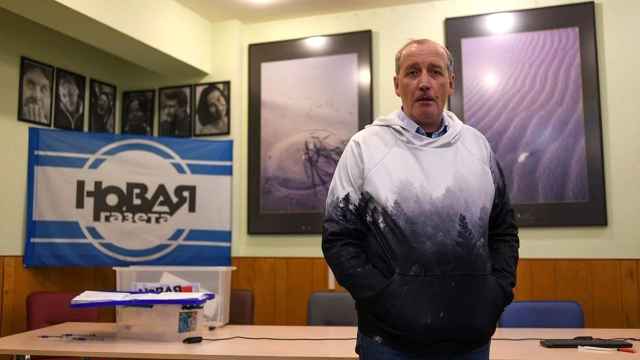
A court in Russia’s Sverdlovsk region has fined the country’s first person convicted of searching for extremist materials online by less than $40, the independent news website Mediazona reported Wednesday.
Sergei Glukhikh, 20, was arrested in September under a law that had come into force earlier that month, and which raised concerns about expanded surveillance and potential abuse by law enforcement.
Signed by President Vladimir Putin over the summer, the law introduced fines of up to 5,000 rubles ($65) for “knowingly” seeking out extremist materials online, including through VPN services.
A police officer involved in the case told the judge that an FSB officer noticed Glukhikh searching for extremist content while riding next to him on the bus, according to the Russian news outlet Daily Storm.
Glukhikh was initially accused of looking up information about Ukraine’s Azov Brigade and the Russian Volunteer Corps, but the judge sent it back for revision due to a mix-up involving Russia’s multiple databases of extremist materials.
Glukhikh was ultimately only tried for googling the Azov Brigade.
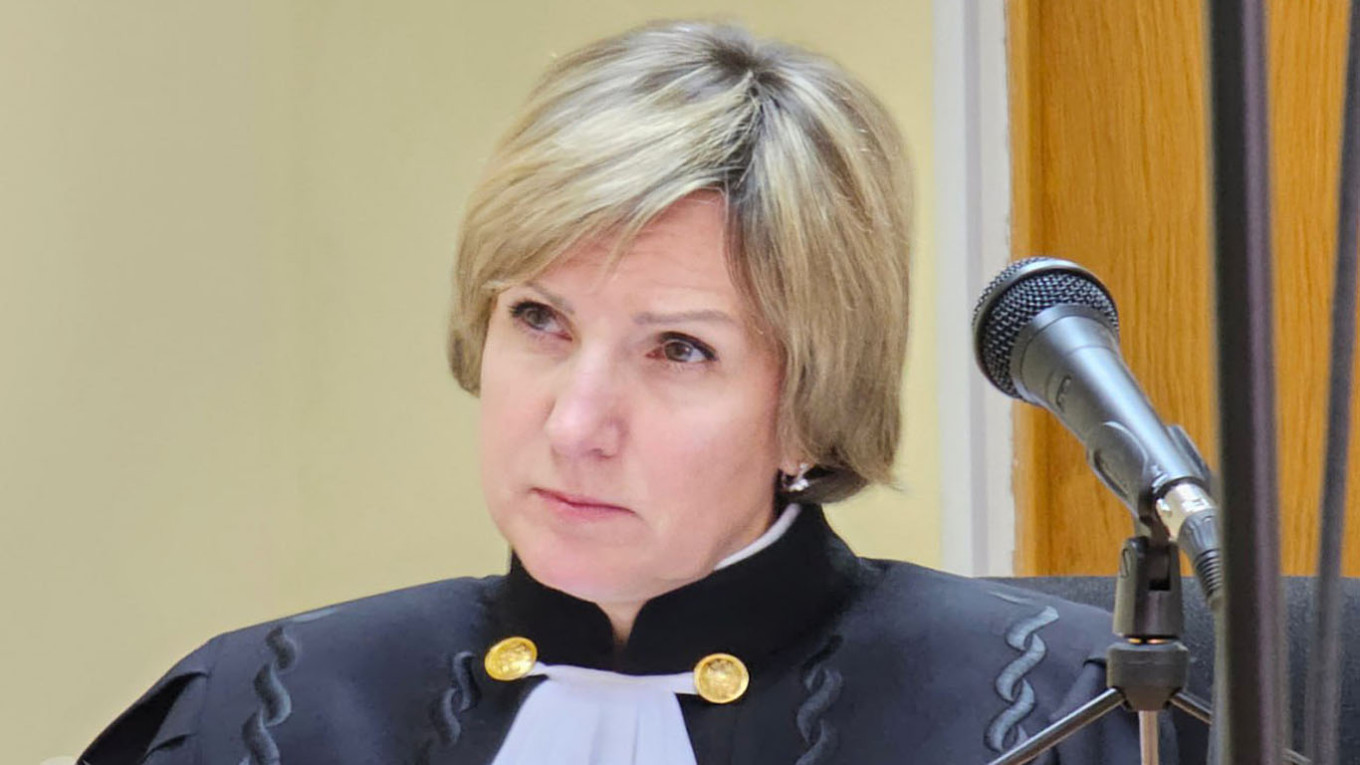
The Krasnogorsky District Court in the town of Kamensk-Uralsky on Wednesday found Glukhikh guilty and imposed a fine of 3,000 rubles ($38).
Glukhikh, who did not attend his sentencing hearing, has denied his guilt. He has accused the authorities of intimidation.
The Azov Brigade was formed in 2014 as a far-right volunteer paramilitary unit fighting against pro-Russian separatists in eastern Ukraine, but was later reformed and integrated into Ukraine’s national guard.
Russia’s Supreme Court declared it a “terrorist” organization in 2022, paving the way for the unit’s captured fighters to face lengthy prison terms in Russia.
Moscow has used Azov’s past extremist right-wing links to justify what it calls its “denazification” of Ukraine.
A Message from The Moscow Times:
Dear readers,
We are facing unprecedented challenges. Russia's Prosecutor General's Office has designated The Moscow Times as an "undesirable" organization, criminalizing our work and putting our staff at risk of prosecution. This follows our earlier unjust labeling as a "foreign agent."
These actions are direct attempts to silence independent journalism in Russia. The authorities claim our work "discredits the decisions of the Russian leadership." We see things differently: we strive to provide accurate, unbiased reporting on Russia.
We, the journalists of The Moscow Times, refuse to be silenced. But to continue our work, we need your help.
Your support, no matter how small, makes a world of difference. If you can, please support us monthly starting from just $2. It's quick to set up, and every contribution makes a significant impact.
By supporting The Moscow Times, you're defending open, independent journalism in the face of repression. Thank you for standing with us.

Remind me later.