
The past few weeks have seen a flurry of government seizures of Western companies in Russia. What’s (mostly) missing from the list of companies nationalized or taken under temporary administration?
American companies.
Since U.S. President Donald Trump’s 2025 second-term inauguration, Russia has expropriated a total of 20 foreign companies, only three of which were American. The list otherwise includes a recent frenzy of administration grabs at high-profile companies including Switzerland’s Nestlé, France’s Auchan and Germany’s Metro.
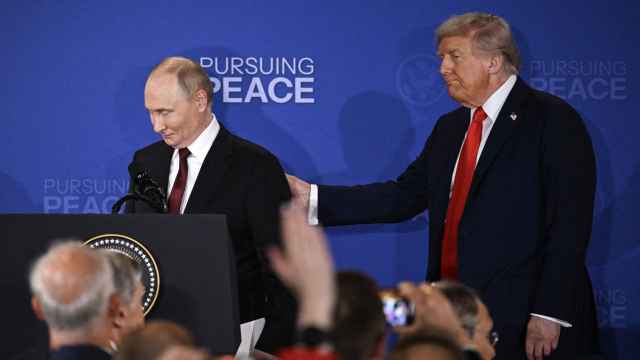
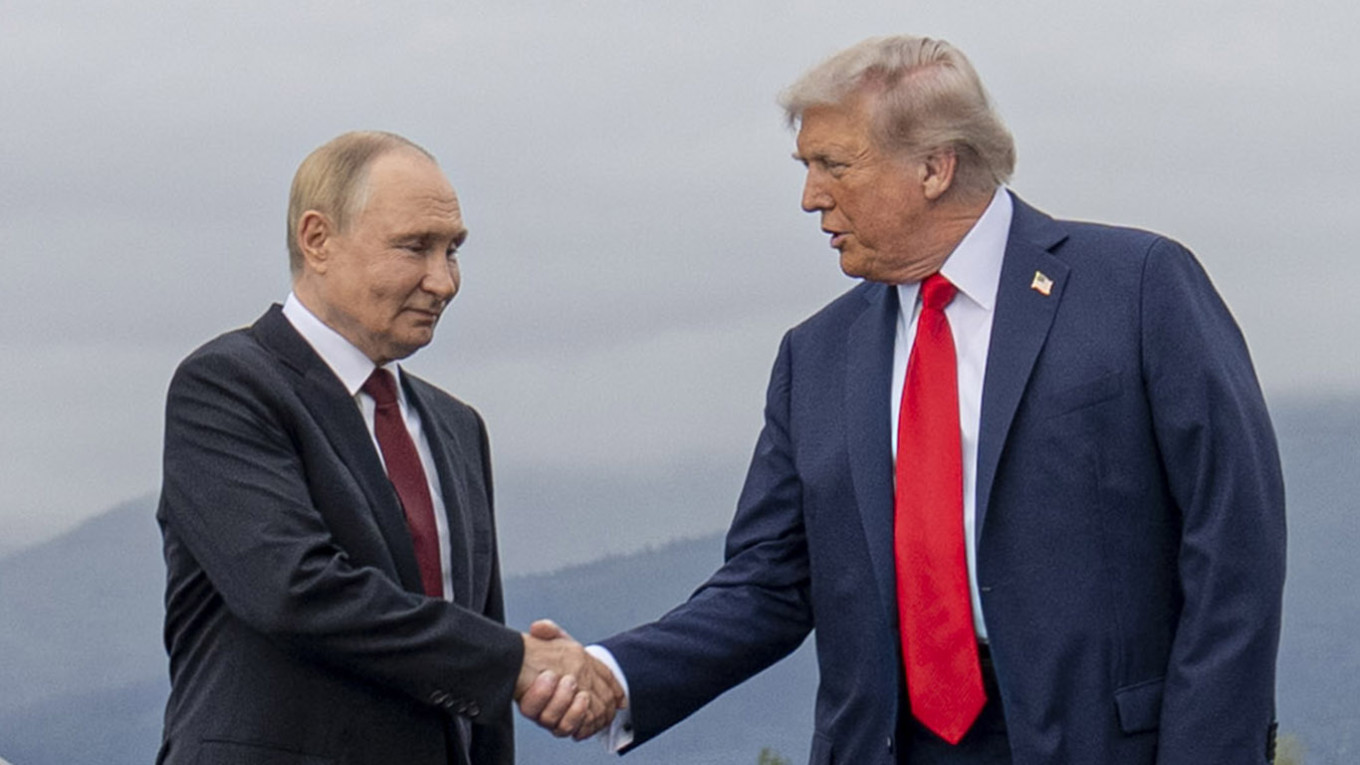
The glaring omission of U.S. companies — hundreds of which remain active in Russia — is a conspicuous reminder of ongoing attempts at a commercial rapprochement between Moscow and Washington. More specifically, President Vladimir Putin’s apparently more gracious treatment of U.S. business interests in Russia points to his ongoing use of commercial distractions to divert Trump’s attention from Moscow’s increasing violence against Ukraine.
Following U.S. and Israeli strikes on Iran and the closure of the Strait of Hormuz, Washington eased sanctions on Moscow to allow increased sales of Russian oil. The U.S. also recently agreed to buy a tiny yet emblematic amount of Russian diesel. Both moves were designed to signal Washington’s intent to ease pressure on U.S. petrol and diesel prices in the run-up to the midterm elections on Nov. 3. The cost of living in the U.S. is expected to deliver retribution against Republicans at the ballot box.
Putin last week released Stephen Hubbard, a U.S. citizen who had spent almost five years in a Russian prison on charges the State Department said were fabricated. U.S.-Russian shuttle diplomacy — which typically features a peace-making and commercial agenda — has also intensified in recent weeks.
The outward warming of relations between the White House and the Kremlin has Ukrainian politicians and U.S. opposition figures asking whether Trump has “switched sides” from Kyiv to Moscow in his stance toward the war. For the time being, at least, Putin is on a winning streak: White House sanctions relief, on top of Trump’s see-sawing support for Ukraine, has delivered significant foreign and military policy goals for the Kremlin.
Seizing U.S. companies would spoil the mood, wouldn’t it?
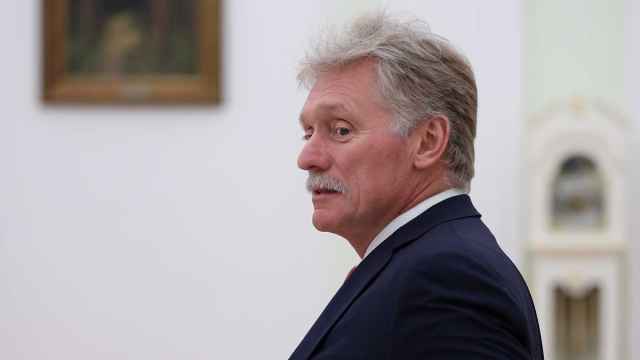
The stance toward American companies is a reminder of the vast gap between attitudes toward Russia in the White House and in Europe. If the White House seems hell-bent on normalizing relations with Russia, Europe remains firmly in punishment mode. Britain and the EU continue to support Ukraine financially and militarily; European sanctions, with a few significant exceptions, are still firmly in place. Kremlin spokesman Dmitry Peskov explained the seizure of European companies by saying they were from so-called “unfriendly countries” — Moscow’s label for countries that support Ukraine and sanction Russia. For the time being, while Europe remains an active adversary, Russia is happy to return the favor.
All of this carries a bit of irony. Over the past 30 years, including the go-go days of East-West trade and foreign direct investment, the U.S. conducted only a sliver of the business Europe did with Russia. And though statistics vary, more European than American companies remain in Russia today. In commercial terms, then, cozying up to the U.S. brings Putin very little financial benefit. Instead, the upside for Putin is both symbolic and militarily advantageous. He is once again at the international deal-making table with the world’s greatest military power. And every minute the U.S. spends negotiating business deals with Russia is one less minute spent working on behalf of Ukraine for peace.
So, Putin treats the smaller player preferentially. The recent seizure of a relatively unknown American pharmaceutical packaging company does not puncture the theory. Instead, it reinforces Putin’s leverage; he can still damage American economic interests if he wants.
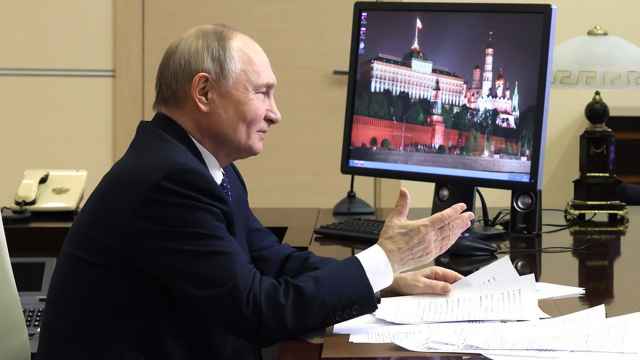
In a statement approaching satire, Putin last week declared that he is trying to create a favorable environment for European companies in Russia. Tell that to Nestlé and Auchan, whose businesses are now run by external, state-appointed managers. The process around Metro is slightly different; its external manager includes Metro Russia’s CEO. The company has reportedly made a 1-billion-ruble ($12.4 million) donation to a Kremlin-linked, pro-war foundation in the wake of its state takeover.
The U.S.’s status as a smaller commercial player in Russia — not to mention Trump’s desire to enrich himself and his commercial and political entourage — may be one of the drivers of Washington’s push toward normalization. Should the moment ever come for East and West to re-engage commercially, a proposition that remains an enormous open question, Trump wants to position U.S. companies toward the front of the queue. Potential deals include transactions in energy, critical minerals and Arctic exploration, among others. The Financial Times reported on a list of long-shot energy deals that would bring U.S. companies back into the Russian market, including a joint venture off the coast of Sakhalin.
Whether the U.S. and Russia can genuinely close any deals beyond their recent — and largely performative — diesel transaction remains to be seen. Russia is the world’s most sanctioned country; temporary waivers from the U.S. can’t alleviate the complexity caused by European sanctions that, for now, show no signs of budging. Even U.S. companies need to navigate the hurdles other countries’ sanctions regimes create. Trump is also restrained by the scope of sanctions relief he can offer.
While many of the United States’ most punishing sanctions against Russia were imposed by White House executive order and can be reversed by the President, another body of sanctions is embedded in U.S. legislation and cannot be lifted without congressional review.
Sanctions risk is only one obstacle. Companies re-engaging with Russia will have reputational risk to consider, particularly if they do business with Russia without any sort of durable peace agreement in the war on Ukraine.
Companies would equally ignore geopolitical and Russian domestic political risk at their peril. Putin has the autocratic power to make deals happen in Russia if he so desires. But Putin’s will is far from consistent; changes in external circumstances could undermine any move toward engagement. Neither Putin nor Trump’s official approval of a business deal acts as political risk insurance or any other sort of high-level backstop.
But what matters as much as the dollars and rubles is the messaging, the atmosphere, and the fact that Russia seems to be able to string the U.S. along at the mere prospect of commercial engagement.
A Message from The Moscow Times:
Dear readers,
We are facing unprecedented challenges. Russia's Prosecutor General's Office has designated The Moscow Times as an "undesirable" organization, criminalizing our work and putting our staff at risk of prosecution. This follows our earlier unjust labeling as a "foreign agent."
These actions are direct attempts to silence independent journalism in Russia. The authorities claim our work "discredits the decisions of the Russian leadership." We see things differently: we strive to provide accurate, unbiased reporting on Russia.
We, the journalists of The Moscow Times, refuse to be silenced. But to continue our work, we need your help.
Your support, no matter how small, makes a world of difference. If you can, please support us monthly starting from just $2. It's quick to set up, and every contribution makes a significant impact.
By supporting The Moscow Times, you're defending open, independent journalism in the face of repression. Thank you for standing with us.

Remind me later.