
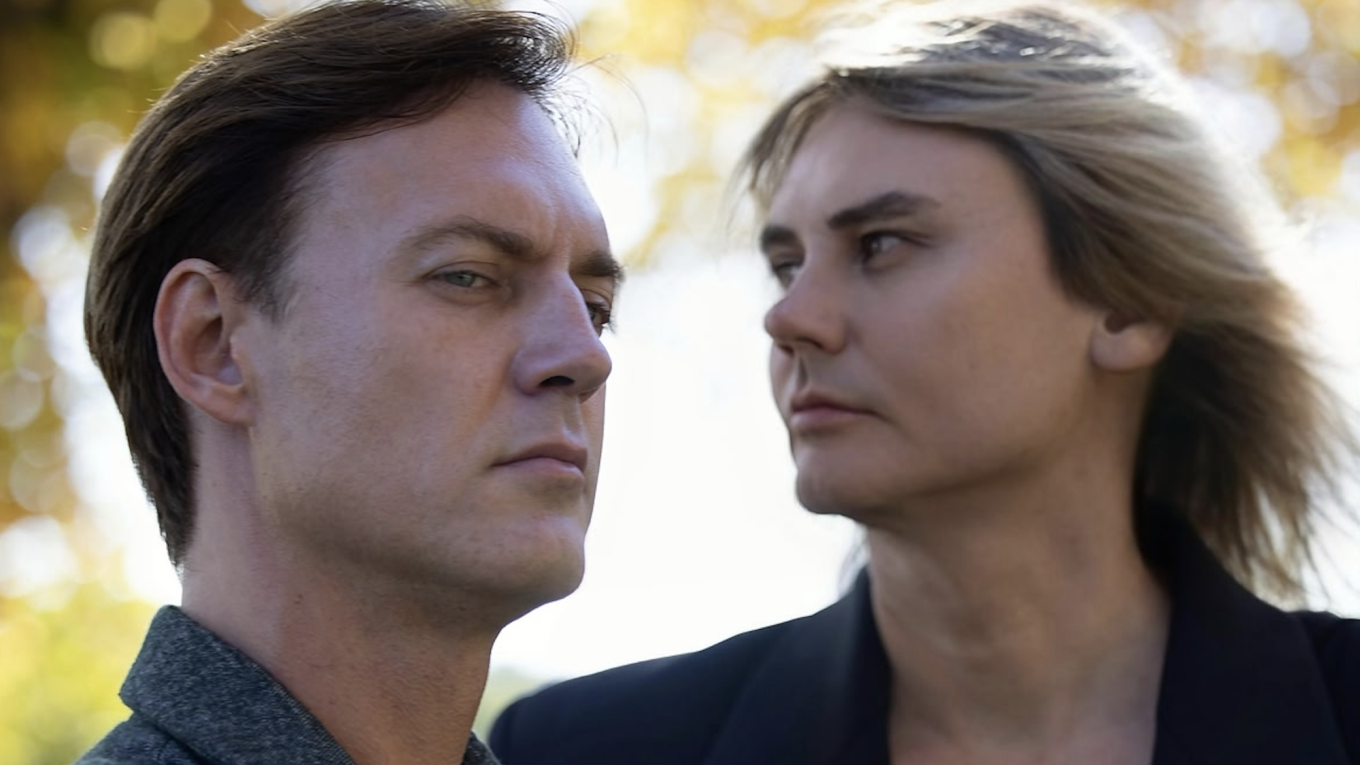
On Russia’s National Unity Day holiday, one question preoccupied social media users following the breakup of two Russian bloggers in Paris: Which of the men did their dog, Lucy, love more?
There were other things to argue about. Were the Birkin bags real? Who controlled the money from the couple’s videos? Who had cheated on whom?
Sergei Grey-Wiese and Andrei Grigoryev-Apollonov had spent years filming their lavish lives together. Now they were giving separate interviews about how it had fallen apart.
As the interviews racked up over 20 million views on YouTube, users joked that a gay couple’s divorce had done what the holiday promised — bringing Russians together on both sides of the border.
The fascination with their marriage comes three years after Russia’s Supreme Court declared the so-called “international LGBT movement” extremist, outlawing LGBTQ+ expression in any form.
To some observers, the viral drama offers proof of how little the Kremlin’s insistence on “traditional values” corresponds to Russians’ own views on LGBTQ+ people.
Yet others say it is the latest instance in which audiences embrace queer celebrities while holding on to prejudices in everyday life.
From a pop duo to Paris
Long before they started blogging in Paris, Grey-Wiese and Grigoryev-Apollonov tried to make it as a pop duo.
Grey-Wiese was born in the southern Russian city of Saratov and moved to Baden-Baden, Germany, as a young man. He studied management and economics, worked in the pharmaceutical industry and married a German man before leaving his job to pursue music.
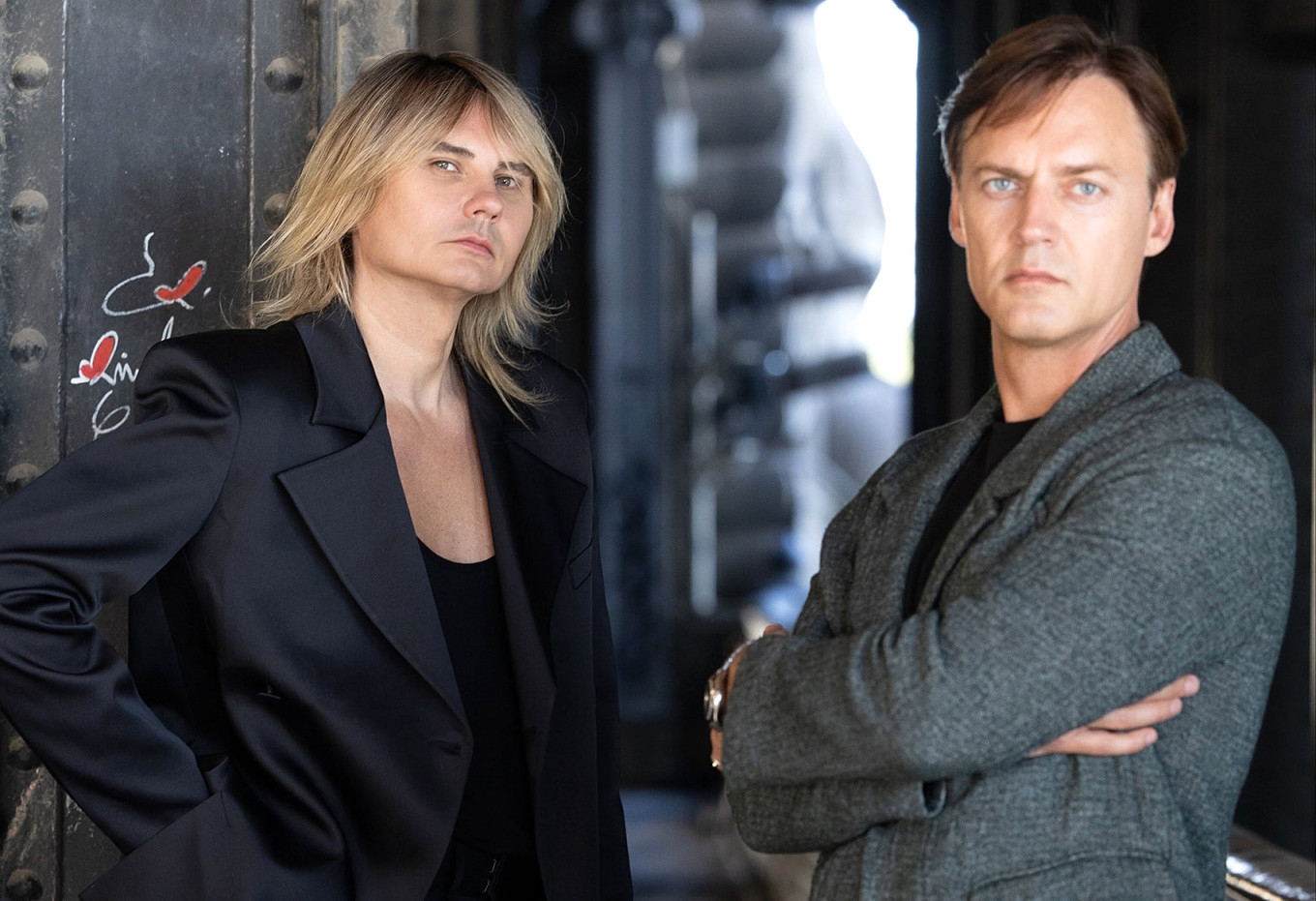
Grey-Wiese met Grigoryev-Apollonov in 2018 and the two formed the pop duo #APPolonovGang, performing mostly in Russia and appearing on talk shows. The music failed to take off, but the two became a couple.
They left Russia after the full-scale invasion of Ukraine in 2022 and married in Mexico, where they could hold the wedding without a Schengen visa for Grigoryev-Apollonov.
Once settled in Paris, they started blogging about their lives with Igor Sinyak, another Russian-speaking queer blogger. As they took trips to museums and flea markets, unboxed expensive clothes and drank tea in their living room, they offered viewers a mix of conspicuous luxury with self-deprecating humor and candor.
Grey-Wiese amassed 2.4 million followers on Instagram and nearly 900,000 subscribers on YouTube. In 2025, Deutsche Welle called him Europe’s most popular Russian-language blogger, and the queer media outlet Doberman named him its person of the year.
That September, media personality Ksenia Sobchak interviewed Grey-Wiese about his life in Europe, his experiences with homophobia and what it was like to live openly as a gay man in Russia.
She took the video down a month later after state censor Roskomnadzor flagged it for alleged “LGBT propaganda.” A copy of the interview on Grey-Wiese’s YouTube channel has drawn 4.6 million views.

A breakup goes viral
When Grigoryev-Apollonov went public with the divorce in a Nov. 2 interview with Sobchak, one could say it broke the internet.
He said Grey-Wiese had ended the marriage without warning, leaving him without financial support or a way to renew his visa. He linked the split to Grey-Wiese’s growing closeness with Sinyak and claimed that his former husband had controlled the income from their joint blogging project.
Grey-Wiese rejected that account in a video interview with Sinyak, instead accusing Grigoryev-Apollonov of infidelity, manipulation and physical and psychological abuse. He said he had brought up separating several times before finalizing the divorce remotely in Mexico.
As clips from the interviews went viral over the Nov. 4 National Unity Day holiday, viewers went back through old videos to look for clues to what had happened.
The Ruthless PR Man, a Telegram channel that received an award in 2024 from the state-backed Internet Development Institute, said viewers were looking for a respite from news about the war in Ukraine.
For at least a few days, they could argue about Hermès handbags and who had cheated on whom, rather than news of drone strikes and deaths, the channel said.
Sobchak herself wrote that Russians were tired of “state-imposed homophobia” and compared the frenzy to the popularity of the Brazilian soap opera “Slave Isaura” in Russia in the 1990s.
“It’s an extraordinary world for them, where the big questions are whether Sinyak’s Birkin bags are fake and why the dog loved Seryozha more than Andrei,” she wrote on Telegram, using a nickname for Sergei.
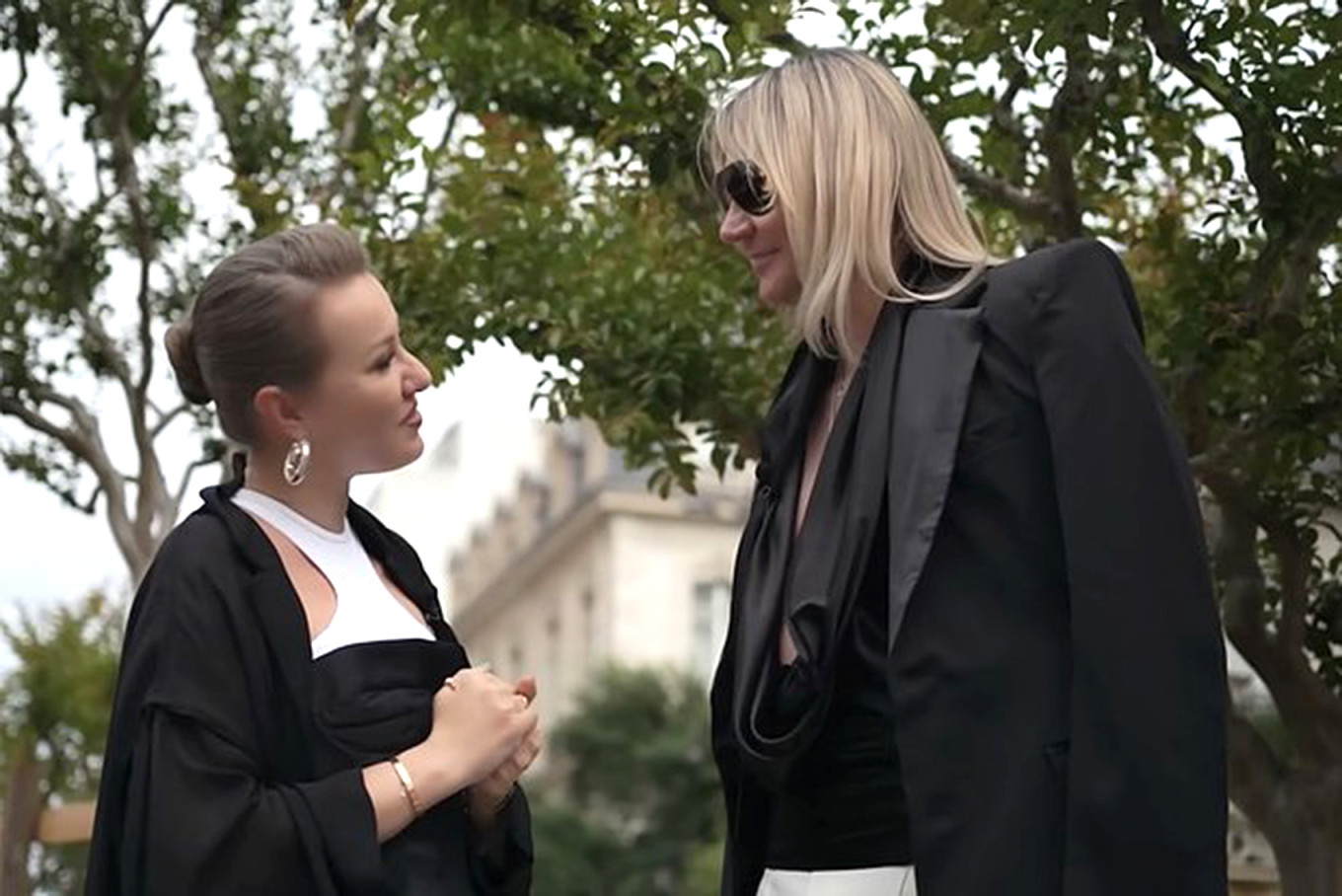
Viktoria Morozova, a journalist with the queer outlet Just Got Lucky, wrote that viewers tend to care less about someone’s sexuality or gender identity when they recognize their own problems in that person’s life.
Anna Mongayt, a journalist at the exiled broadcaster Dozhd (TV Rain), argued that the breakup had done more to counter homophobia in Russia than years of work by LGBTQ+ activists.
Millions of viewers saw two men dealing with things they knew from their own lives, from arguments at home to infidelity and a painful separation, she said.
When the cameras are off
Olga Doletskaya, an anthropologist studying contemporary queer lives in Russia, said the viral popularity of the Paris bloggers doesn’t say much about how their viewers would react to having a gay couple next door.
“People can go to a concert by someone like Boris Moiseyev and then kick their son out of the house for coming out to them,” Doletskaya told The Moscow Times, referring to the flamboyant pop singer who rose to fame in the Soviet era.
Doletskaya recalled Russia’s long-running enthusiasm for Eurovision, the song contest known for its camp and queer aesthetics that the country spent years trying to win before the invasion of Ukraine.
Russia’s participation reflected, in part, a desire to present itself to Western audiences as modern and culturally open, she said.
Polling on attitudes toward LGBTQ+ people has grown scarce since the 2023 court ruling. In one publicly available Levada Center survey, 30% of respondents supported equal rights for gay men and lesbians and 62% opposed them. Fifty-nine percent said they would reduce or cut off contact with an acquaintance if they learned that person was gay.
Some viewers might see their own relationships in the breakup. Doletskaya said the distance was part of the appeal, too. The men lived in Paris, bought designer clothes and aired the details of their divorce in interviews that millions of people watched.
For viewers in Russia, there was the added intrigue of hearing people speak openly about a relationship of the kind that had become harder to discuss in public.
“People just love drama. And they love it when it’s a little forbidden,” she said. “But I don’t think this drama does much to normalize queer life. If anything, it does the opposite.”
A Message from The Moscow Times:
Dear readers,
We are facing unprecedented challenges. Russia's Prosecutor General's Office has designated The Moscow Times as an "undesirable" organization, criminalizing our work and putting our staff at risk of prosecution. This follows our earlier unjust labeling as a "foreign agent."
These actions are direct attempts to silence independent journalism in Russia. The authorities claim our work "discredits the decisions of the Russian leadership." We see things differently: we strive to provide accurate, unbiased reporting on Russia.
We, the journalists of The Moscow Times, refuse to be silenced. But to continue our work, we need your help.
Your support, no matter how small, makes a world of difference. If you can, please support us monthly starting from just $2. It's quick to set up, and every contribution makes a significant impact.
By supporting The Moscow Times, you're defending open, independent journalism in the face of repression. Thank you for standing with us.

Remind me later.