
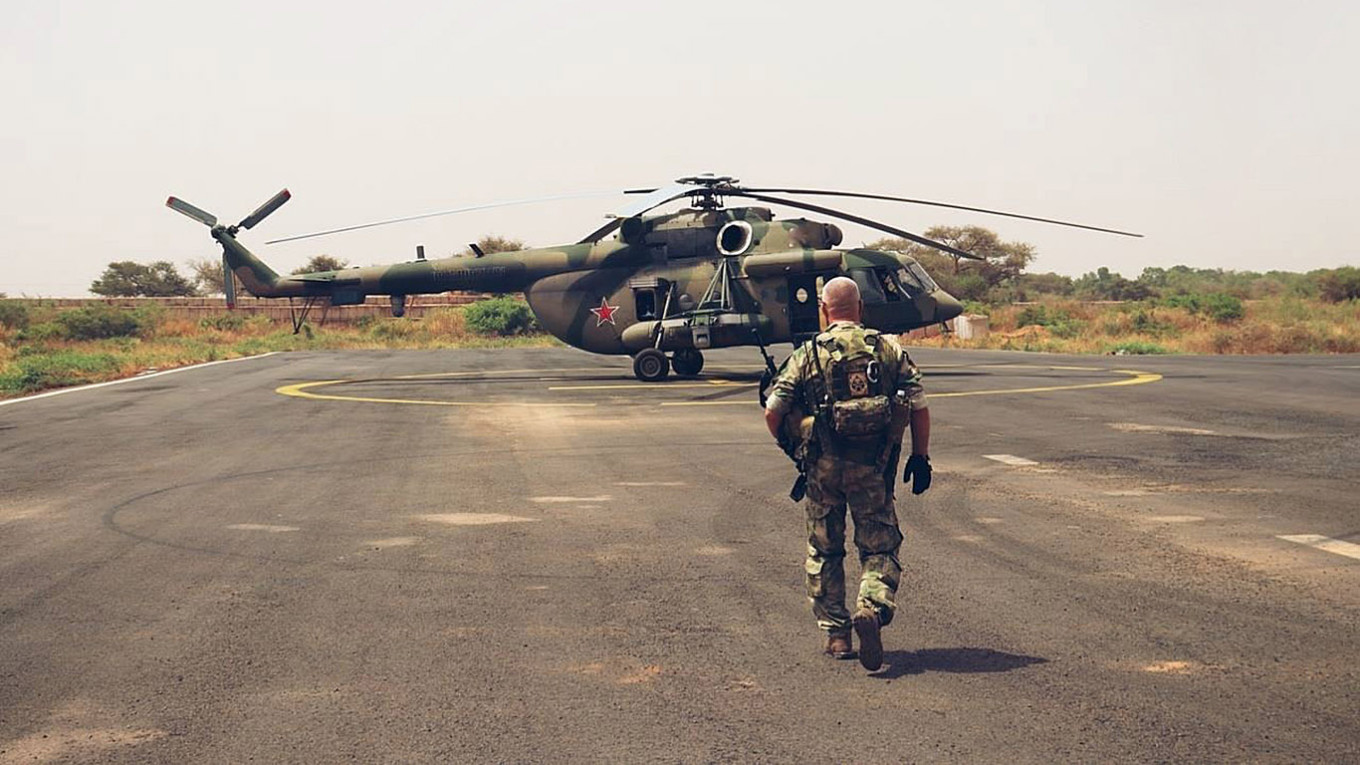
Russia is leveraging commercial assets to expand its military presence in Mali, bolstering a force that has come under scrutiny for perpetrating human rights abuses, according to a new report by Washington-based investigative organization The Sentry.
The report sheds new light on three major arms shipments that arrived in Mali last year. While their composition and origin has previously been reported, investigators were able to provide evidence that the equipment wound up in the hands of Russian mercenaries and identify the Russia-linked companies that facilitated the transfers.
One, which arrived in Mali in January 2025, contained approximately 50 transport vehicles, 60 armored combat vehicles, two boats and three artillery systems.
Less information was available about convoys in March and May, but open source reporting indicates that they contained missiles, civilian vehicles, artillery guns and additional armored vehicles, some of which were equipped with radio-jamming equipment.
“Taken together, the three convoys layer up a set of capabilities: base protection, artillery fire support, air support, and anti-aircraft coverage,” said Justyna Gudzowska, executive director of The Sentry.
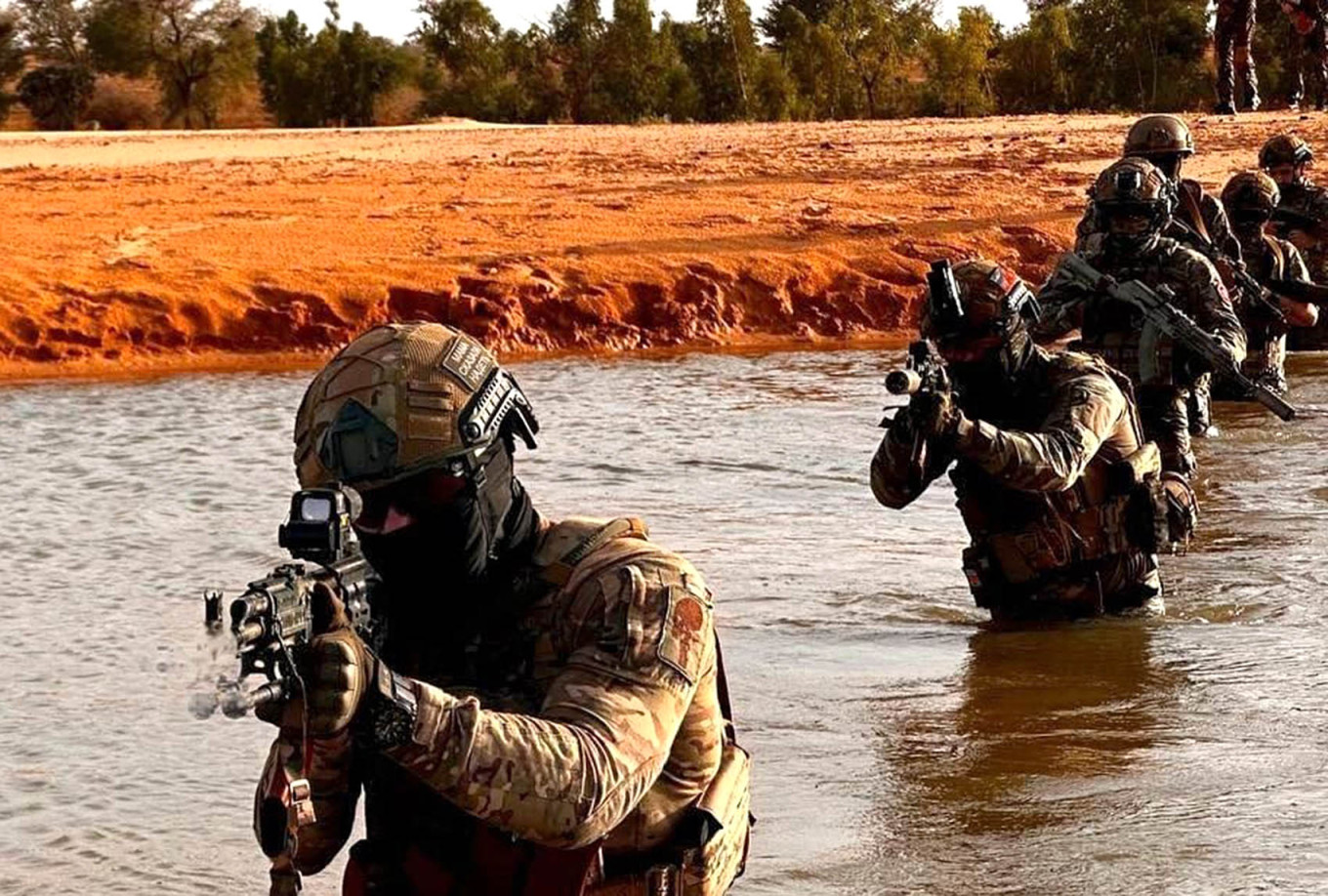
Mali, a landlocked country of some 26 million people, is a key Russian partner in West Africa.
The size and scale of these weapons shipments amount to a “sustained investment” in Mali and indicate that Russia could be looking to establish a long-term presence there, The Sentry’s report said.
“These convoys, and what preceded them, points toward a long-term posture rather than a bridging mission,” Gudzowska said. “The overall direction is consolidation and entrenchment, not drawdown.”
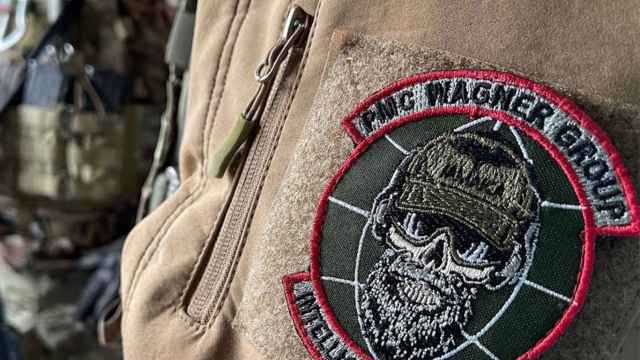
In public, officials claimed that the shipments were intended to be used by the Malian Armed Forces, but interviews conducted by The Sentry with military sources in the capital Bamako showed that their recipient was actually Russian mercenaries.
Another country in the region, Guinea, is a key enabler of the supply line, according to the investigation.
U.S.-sanctioned ships traveled directly from the northern Russian city of Murmansk to Guinean ports managed by Turkish conglomerate Albayrak Group’s local subsidiary in Conakry, the country’s capital.
They docked at terminals used for mineral shipments by subsidiaries of Russian aluminum giant Rusal, potentially pointing to a blending of business and military activities.
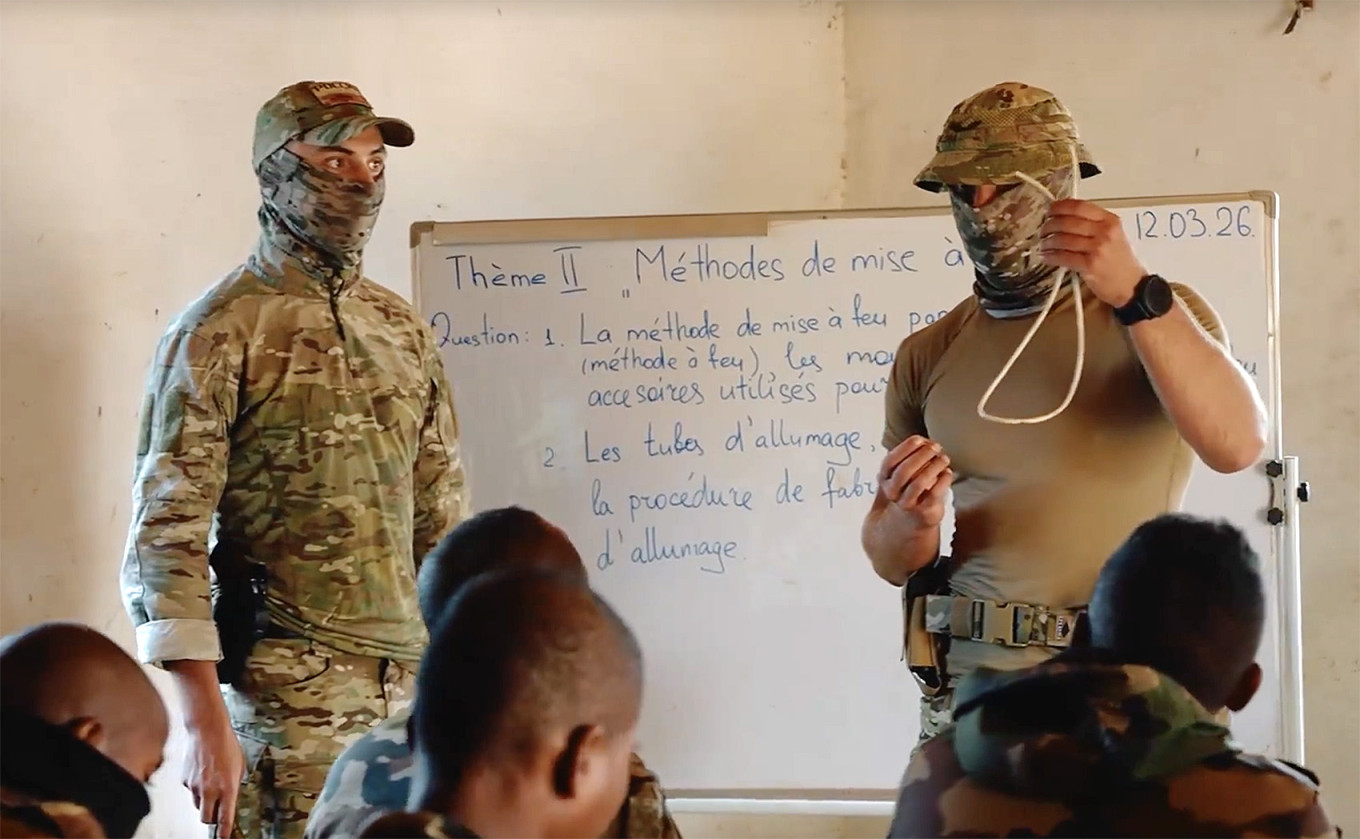
Rusal, through the subsidiaries, operates a railway terminal that was used to transport the military deliveries out of the port and onto Guinea’s highways, where they then traveled overland to Mali.
“Russia is now leveraging its commercial presence in Guinea for military purposes in a way that has no documented precedent from the Wagner era,” Gudzowska said.
The route through Conakry was used as recently as last month for arms shipments, according to France 24, which tracked the journey of a sanctioned ship from Russia’s Kaliningrad region.
Wagner mercenaries’ arrival in Mali in late 2021 coincided with an abrupt geopolitical realignment. A military coup had seen new leaders come to power who were skeptical of France, the country’s biggest ally in counterterrorism operations, believing that its soldiers had been ineffective.
After a breakdown in diplomatic relations, President Emmanuel Macron announced in 2022 that French soldiers would leave Mali, making Russia the country’s main military ally.
Wagner was brought in to combat Mali’s powerful armed extremist groups, but reports of violence against civilians quickly drew international condemnation.
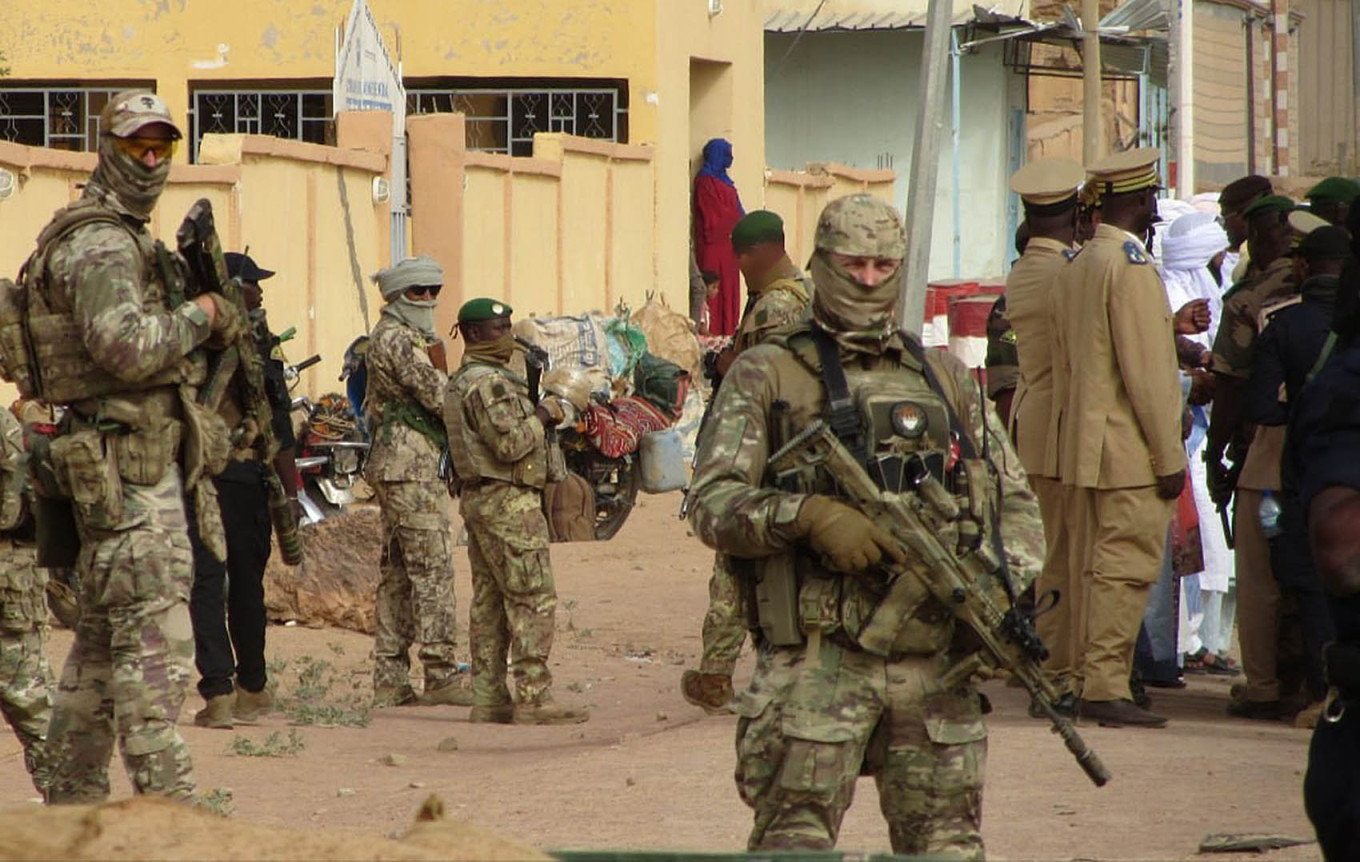
Last summer, as part of an effort to bring control of Wagner’s activities under the Defense Ministry, Russia replaced Wagner units with a new government-run paramilitary group, Africa Corps.
Analysts say that the new organization is just as violent as its predecessor.
“As Russia doubles down on — and potentially expands — its military presence in the Sahel, Malian civilians continue to pay the price,” The Sentry’s report said.
Reports on the size of Russia’s Africa Corps deployment in Mali vary, with estimates ranging from 2,000 to 2,500 troops. Around 70-80% of them used to work for Wagner, according to Reuters.
Sources said that the equipment from last year’s shipments is not suitable for offensive operations in desert terrain. Rather, it is likely intended to fortify the defense of Russia’s bases across Mali, reflecting the fact that Africa Corps is more cautious and risk-averse than Wagner was.
A Message from The Moscow Times:
Dear readers,
We are facing unprecedented challenges. Russia's Prosecutor General's Office has designated The Moscow Times as an "undesirable" organization, criminalizing our work and putting our staff at risk of prosecution. This follows our earlier unjust labeling as a "foreign agent."
These actions are direct attempts to silence independent journalism in Russia. The authorities claim our work "discredits the decisions of the Russian leadership." We see things differently: we strive to provide accurate, unbiased reporting on Russia.
We, the journalists of The Moscow Times, refuse to be silenced. But to continue our work, we need your help.
Your support, no matter how small, makes a world of difference. If you can, please support us monthly starting from just $2. It's quick to set up, and every contribution makes a significant impact.
By supporting The Moscow Times, you're defending open, independent journalism in the face of repression. Thank you for standing with us.

Remind me later.