
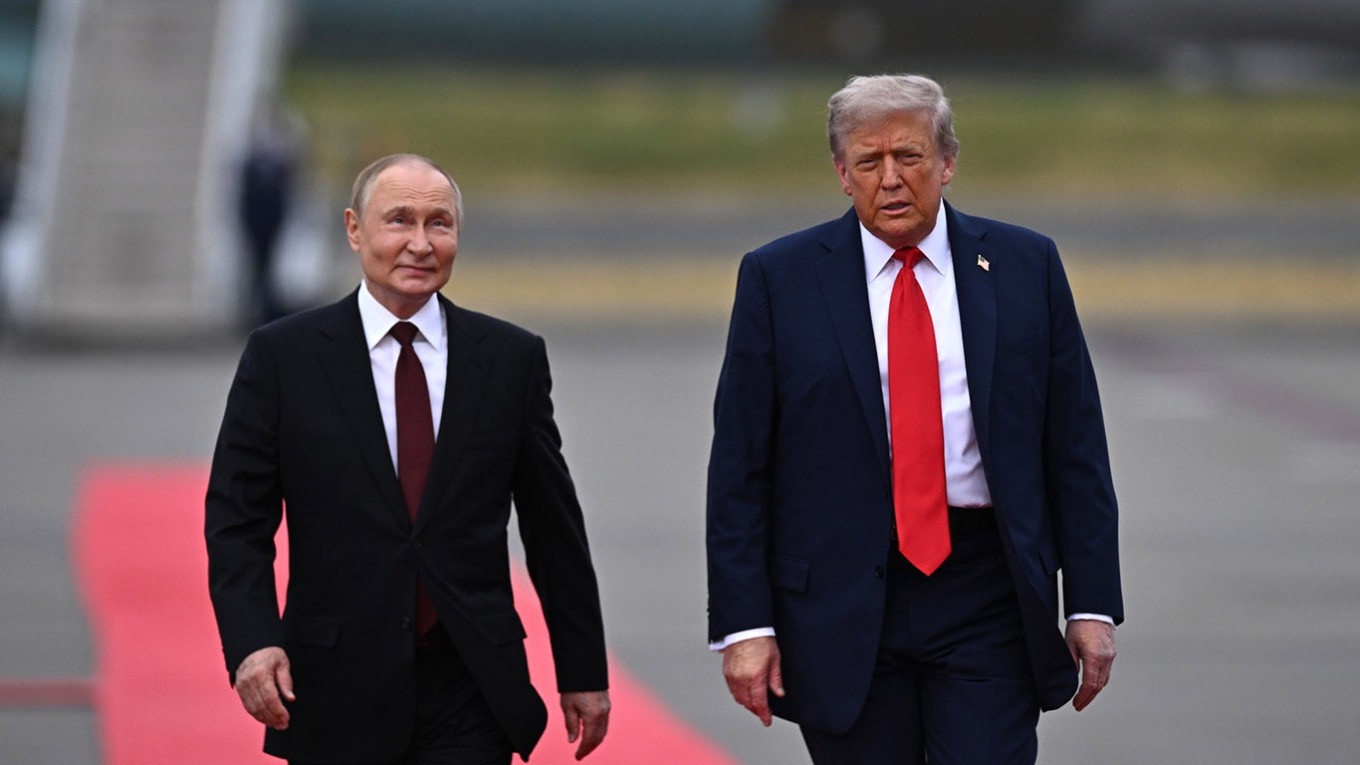
Even before Donald Trump’s presidency began, he claimed boldly he would end Russia’s war in Ukraine within 24 hours. Yet over one year later, peace remains nowhere in sight. On the contrary, rising global oil prices and even temporary easing of sanctions on Russia following the U.S.-Israeli attack on Iran only further fuel Moscow's aggression and determination.
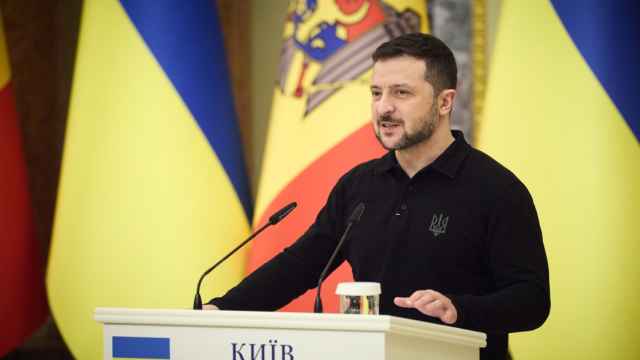
In an interview with Le Monde, Ukraine’s President Volodymyr Zelensky repeated the obvious: that there is no evidence that Moscow is genuinely willing to end the war. “The United States believes that Putin wants to end the war. Here, we have completely different views,” he said.
Manifestations can guide thinking, but they become dangerous when they substitute for reality; effective strategy begins with a clear-eyed assessment of facts rather than aspirations. And the facts suggest that the Kremlin is directing the White House into a trap.
The EU’s top diplomat Kaja Kallas has correctly identified this as a classic hallmark of Russia’s negotiating style, “demanding something that has never been theirs.” Russia is not seeking a genuine exit from war, but a favorable equilibrium from which it can sustain its destructive campaign against the West indefinitely.
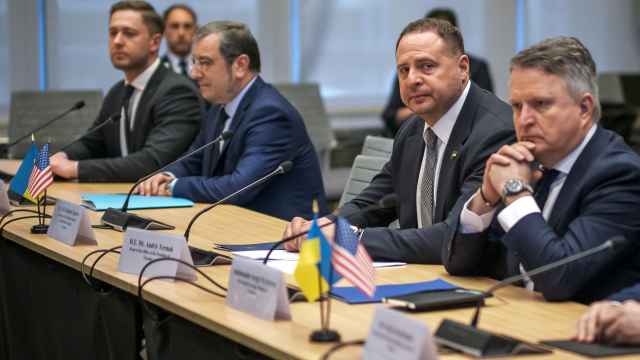
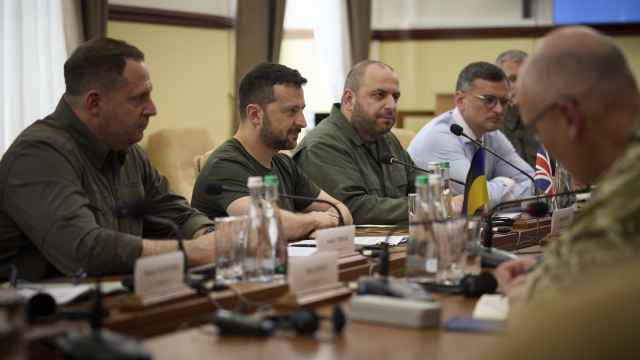
The three completed rounds of U.S.-mediated negotiations demonstrate a consistent pattern: process without progress. The first round established a trilateral framework but failed to bridge fundamental gaps on territory, ceasefire terms and security guarantees.
The second, in Geneva, was described as “difficult” and ended abruptly after only hours on the second day, with Kyiv accusing Moscow of deliberately dragging out talks while maintaining maximalist demands. The third round, shifting formats and locations, continued discussions but without Russia’s full engagement at times and without resolving core disputes.
Across all three, the central fault line remained unchanged — Russia’s insistence on territorial concessions versus Ukraine’s demand for security guarantees first. The United States has reportedly tied future security guarantees to Kyiv’s withdrawal from the Donbas region, while also seeking to avoid a congressional vote on guarantees. This stance became a strategic error of historic magnitude — one that mirrors the weak and delayed response to Russia’s aggression in 2014, which did not contain the threat but instead led to what some are calling the brink of World War III.
In the fifth year of Russia’s full-scale war in Ukraine and an escalating campaign of sub-threshold warfare against the West, how the world dealt with Moscow should look very different to where we stand today. The core strategic error was treating negotiations and pressure as sequential rather than simultaneous tools.
And, critically, that pressure should have been applied on Moscow, rather than trying to appeal to President Vladimir Putin.
Rapid passage and full enforcement of legislation like the Sanctioning Russia Act, combined with coordinated EU measures, would have imposed sweeping secondary sanctions on all entities purchasing Russian hydrocarbons. This should have been paired with maritime interdiction regimes against the shadow fleet and restrictions on insurance, logistics and port access. By collapsing export revenues early and ensuring Kyiv’s unrestricted capabilities for middle and long-range strikes, the West could have made the war financially unsustainable much earlier, forcing Moscow to negotiate under material constraint rather than political persuasion.
Instead, the Kremlin has partially broken out of diplomatic isolation, deepened cooperation with other anti-Western states, undermined trust in the U.S. as a security guarantor, protected its frozen assets from transfer to Ukraine and prevented Western participation in the Sky Shield initiative, leading to enormous human and economic losses all across Ukraine during an exceptionally harsh winter.
Temporary easing of sanctions on Russian oil could generate roughly $2 billion in additional revenue for Moscow. While U.S. Treasury Secretary Scott Bessent dismissed this as insignificant, the prolonged war in Iran is likely to amplify these gains. The positive impact of continued shadow fleet operations amid higher global oil prices, the shift from discounted to premium pricing, are undeniable relief to Russia’s war economy.
Ukraine, by contrast, enters 2026 with 42.3% of its military budget reliant on international partners. At the same time, the scale of Russian attacks is intensifying to over 1,000 drones and missiles. Ukrainians are living under constant threat — praised for resilience, but receiving limited help and rising pressure from Washington.
A core reason for this trajectory lies in Moscow’s success in the cognitive domain. Narratives that Russia cannot be defeated, that it is an immutable power, and that destabilization in Russia is better than the current aggressive dictatorship have taken hold. Most dangerously, the illusion persists that Russia can be separated from China in this historic period. Meanwhile, the Kremlin has already internalized Western hesitation and lack of resolve, leaving it with no meaningful incentive to stop.
The current U.S. approach reflects a projection of its own transactional mindset onto Moscow. But the Kremlin is not operating on deal-making logic alone. It is pursuing historical legacy and strategic dominance through the victory over the West — backed by a system with a far higher societal tolerance to costs than Western policymakers are willing to comprehend.
The White House appears to treat a Donbas settlement as a transactional land deal, when in reality it is a defining strategic inflection point. Ceding to the Kremlin the fortified territories it has failed to seize over 12 years would not end the war but set the stage for further occupation of Ukraine and a wider conflict in Europe — officially marking a decisive erosion of U.S. global leadership.
A Message from The Moscow Times:
Dear readers,
We are facing unprecedented challenges. Russia's Prosecutor General's Office has designated The Moscow Times as an "undesirable" organization, criminalizing our work and putting our staff at risk of prosecution. This follows our earlier unjust labeling as a "foreign agent."
These actions are direct attempts to silence independent journalism in Russia. The authorities claim our work "discredits the decisions of the Russian leadership." We see things differently: we strive to provide accurate, unbiased reporting on Russia.
We, the journalists of The Moscow Times, refuse to be silenced. But to continue our work, we need your help.
Your support, no matter how small, makes a world of difference. If you can, please support us monthly starting from just $2. It's quick to set up, and every contribution makes a significant impact.
By supporting The Moscow Times, you're defending open, independent journalism in the face of repression. Thank you for standing with us.

Remind me later.