
A Putin loyalist and one of Russia’s most famous singers is scammed into selling her apartment to an unwitting buyer. The two parties discover they’ve been deceived. After a complaint is lodged, a court rules that the apartment should be returned — but not the money.
Russia’s housing market gets flipped on its head.
The dramatic conclusion to this yearlong scandal bordering on the absurd has captured Russia’s attention in recent days, with hundreds of thousands tuning in to watch a final court hearing in the matter.
But as the grinding war in Ukraine nears the four-year mark, was the Dolina scandal a moment demonstrating that public outrage can still affect the actions of the state, or was it a sideshow?
What happened?
The story began in the spring of 2024.
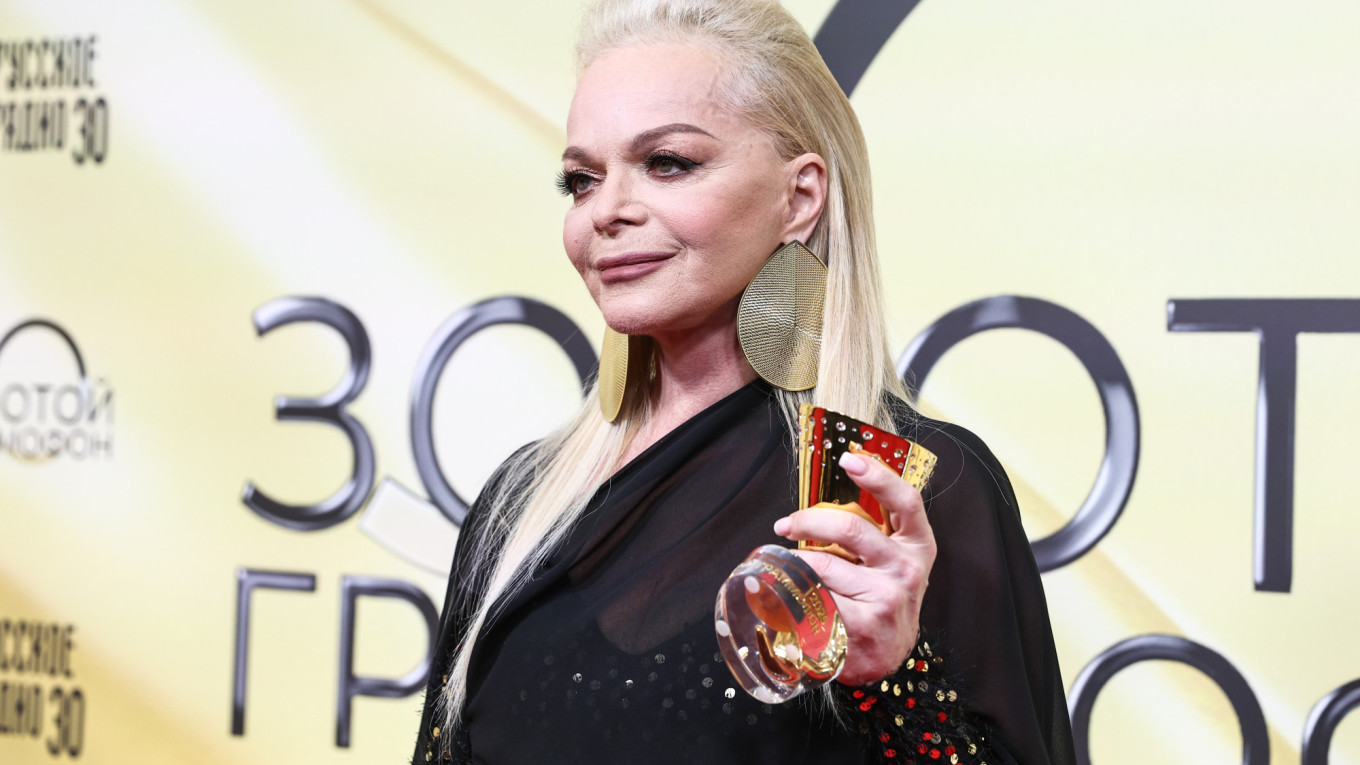
Larisa Dolina is a 70-year-old sanctioned pop star with platinum blonde hair and a glamorous wardrobe. Like many Russian celebrities, she saw early on the professional value in embracing political causes, joining the ruling, pro-Putin United Russia party in 2003. In recent years, Dolina has performed in the occupied Donetsk region.
When Federal Security Service (FSB) officers gave her a call last year claiming that they needed her help foiling criminal activity, she obliged.
Only these weren’t members of the FSB. They were scammers hoping to wring money from the aging singer.
As part of their plan, they spent months convincing Dolina that she needed to sell her luxury Moscow apartment, which they claimed was at risk of being stolen, and send the proceeds from the sale to a supposedly secure account.
The wrinkle in this story is that they were working with a real buyer, 35-year-old Moscow entrepreneur Polina Lurye, who paid 112 million rubles ($1.4 million) for the apartment.
Dolina discovered the scam and publicly announced in August 2024 that she had been the victim of fraud.
“Preliminary evidence indicates that the fraudsters are located in Ukraine,” Dolina claimed, without providing evidence. In a criminal case this January, the fake FSB agents were ordered to pay her nearly 70 million rubles ($875,000).
But what about Lurye and the money she lost?
Three courts ruled in favor of Dolina, finding that the seller was misled and invalidating the sale. This meant that Dolina would keep the apartment while Lurye had no way to get back her money.
Lurye protested. As public outrage over the scandal ballooned, the case worked its way up to Russia's Supreme Court, which on Tuesday overturned the decisions of the lower courts in a livestreamed hearing that was viewed by over 230,000 people.
The Supreme Court determined that Lurye was the apartment’s rightful owner.
In its final say on the situation, the Court said that Dolina’s actions can be attributed to a “change in mental state” which made it impossible for her to understand the scam “or to predict the possible consequences of her actions in legally significant circumstances.”
Why does it matter?
The initial announcement that Dolina would keep her apartment set off a loud public reaction.
Russians took to social media to criticize the perceived injustice committed against Lurye, with whom many sympathized as an honest buyer and single mother. According to a survey conducted by news website Lenta.ru, more than 95% of respondents condemned Dolina in the case.
The scandal has gone from being fodder for water-cooler talk to having a real impact on Russia’s real estate market, dubbed the “Dolina effect.”
The thinking goes like this: If Russia’s courts have set a precedent that property sellers can make a deal and, after filing a complaint, come away with both the money for the sale and the property, then there is a huge risk for buyers.
Court cases over such incidents have increased by 15-20% over the last year, according to information from the Russian Guild of Realtors cited by national media.
“Indeed, the number of court cases involving disputed apartment purchase and sale agreements has increased,” Anzhelika Alshaeva, commercial director of the KVS Group of Companies, told a St. Petersburg real estate industry publication. “Most often, the sellers are elderly women who either genuinely suffered under pressure from fraudsters or were themselves involved in fraudulent schemes.”
Fueling public perception that the issue is widespread, Russians across the country’s 11 time zones spoke out to share that they, too, had experienced something akin to the “Dolina effect.”
The Kotkov family from the Volgograd region was one of them. After buying an apartment in Moscow for 9 million rubles ($113,000) in cash, they learned that the former owner claimed he had been tricked by scammers into selling the apartment, according to local media. The family is now in a legal battle over ownership of the property.
What’s next?
The Supreme Court’s decision to side with Lurye may quell some uncertainty in the housing market. But for Dolina, it’s shaping up to be a bad end of the year.
Lurye, who is now in control of the apartment, reportedly asked for the prior owner to be evicted. Authorities announced that they had set the date of Dec. 25 for a hearing in the matter.
Dolina may choose to leave on her own. In that situation, the eviction claim would likely be dismissed, according to the RBC news website.
Meanwhile, the four scammers who orchestrated the apartment sale are sitting in jail, having been sentenced to between four and seven years.
Who is to blame in all of this? Many believe Dolina is at fault, if not for instigating the issue then demonstrating how elites receive favorable treatment from the state in modern Russia.
But according to authorities, amid Russia’s brutal war in Ukraine, even a dispute over an apartment could be blamed on the country’s conflict with the West.
“We need to look at this story, among other things, from the perspective of what our enemies, our foes, want to do to us,” Foreign Ministry spokeswoman Maria Zakharova said in an interview last week. “One of the methods they're now deciding to try is to pit people against each other.”
A Message from The Moscow Times:
Dear readers,
We are facing unprecedented challenges. Russia's Prosecutor General's Office has designated The Moscow Times as an "undesirable" organization, criminalizing our work and putting our staff at risk of prosecution. This follows our earlier unjust labeling as a "foreign agent."
These actions are direct attempts to silence independent journalism in Russia. The authorities claim our work "discredits the decisions of the Russian leadership." We see things differently: we strive to provide accurate, unbiased reporting on Russia.
We, the journalists of The Moscow Times, refuse to be silenced. But to continue our work, we need your help.
Your support, no matter how small, makes a world of difference. If you can, please support us monthly starting from just $2. It's quick to set up, and every contribution makes a significant impact.
By supporting The Moscow Times, you're defending open, independent journalism in the face of repression. Thank you for standing with us.

Remind me later.