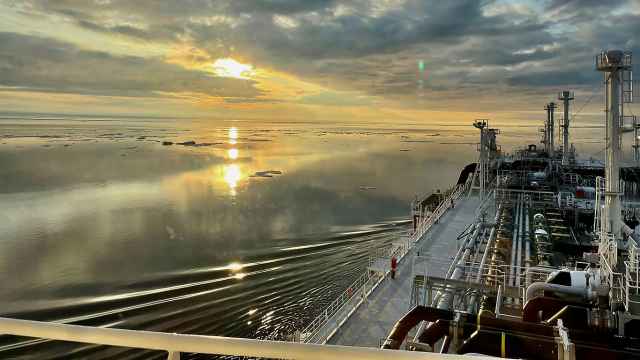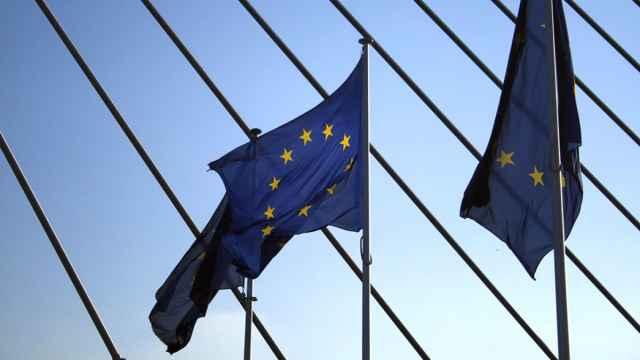
The European Union on Monday imposed a new round of sanctions on 23 individuals and entities linked to Russia’s so-called “shadow fleet” of oil tankers, as well as figures accused of spreading disinformation and carrying out cyberattacks against EU member states.
Among those targeted is Murtaza Lakhani, a Pakistani-Canadian oil trader described by Bloomberg as a key facilitator of Russian crude exports despite Western sanctions.
On Monday, Lakhani said he would step down from all managerial roles at companies he owns, calling the EU’s measures “unfounded.”
Bloomberg reported in 2023 that he had helped Rosneft CEO Igor Sechin establish a network of companies to keep Russian oil flowing to global markets.
Four other individuals, including two Azerbaijani nationals, were sanctioned for their roles in companies facilitating Russian oil exports. The EU also added four firms to the blacklist, two of which are based in the United Arab Emirates, while the others are located in Vietnam and Russia.
In a separate tranche of sanctions, the EU targeted individuals accused of being involved in disinformation and cyber operations. Among them is John Mark Dougan, a former U.S. Marine and Florida deputy sheriff who fled to Russia in 2016 and later obtained Russian citizenship.
European intelligence documents cited last year by The Washington Post said Dougan had worked with Russia’s GRU military intelligence service to spread information aimed at undermining former Vice President Kamala Harris’ presidential bid last year.
Eleven other Russian nationals were sanctioned for their alleged roles in Kremlin-aligned media platforms, think tanks or a GRU-linked cyber unit accused of attacks on European targets.
The EU also designated Russia’s 142nd Separate Electronic Warfare Battalion, which it accused of manipulating GPS signals in several European countries.
The sanctions list further includes the International Russophile Movement, which EU officials said has amplified “destabilizing narratives” globally on the Kremlin’s behalf.
Those targeted face asset freezes within the European Union, and EU citizens and companies are barred from conducting business with them.
A Message from The Moscow Times:
Dear readers,
We are facing unprecedented challenges. Russia's Prosecutor General's Office has designated The Moscow Times as an "undesirable" organization, criminalizing our work and putting our staff at risk of prosecution. This follows our earlier unjust labeling as a "foreign agent."
These actions are direct attempts to silence independent journalism in Russia. The authorities claim our work "discredits the decisions of the Russian leadership." We see things differently: we strive to provide accurate, unbiased reporting on Russia.
We, the journalists of The Moscow Times, refuse to be silenced. But to continue our work, we need your help.
Your support, no matter how small, makes a world of difference. If you can, please support us monthly starting from just $2. It's quick to set up, and every contribution makes a significant impact.
By supporting The Moscow Times, you're defending open, independent journalism in the face of repression. Thank you for standing with us.

Remind me later.