
The way events unfold in Russia today bears little resemblance to the way those same events are portrayed in the media.
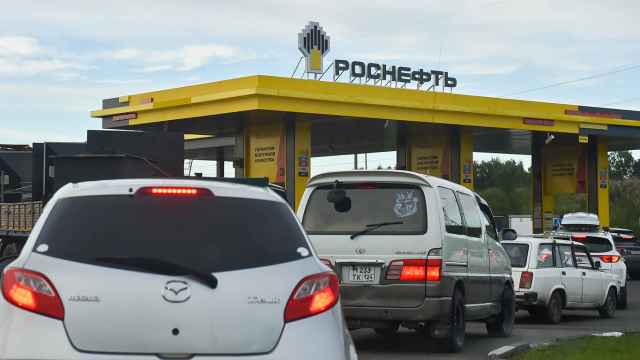
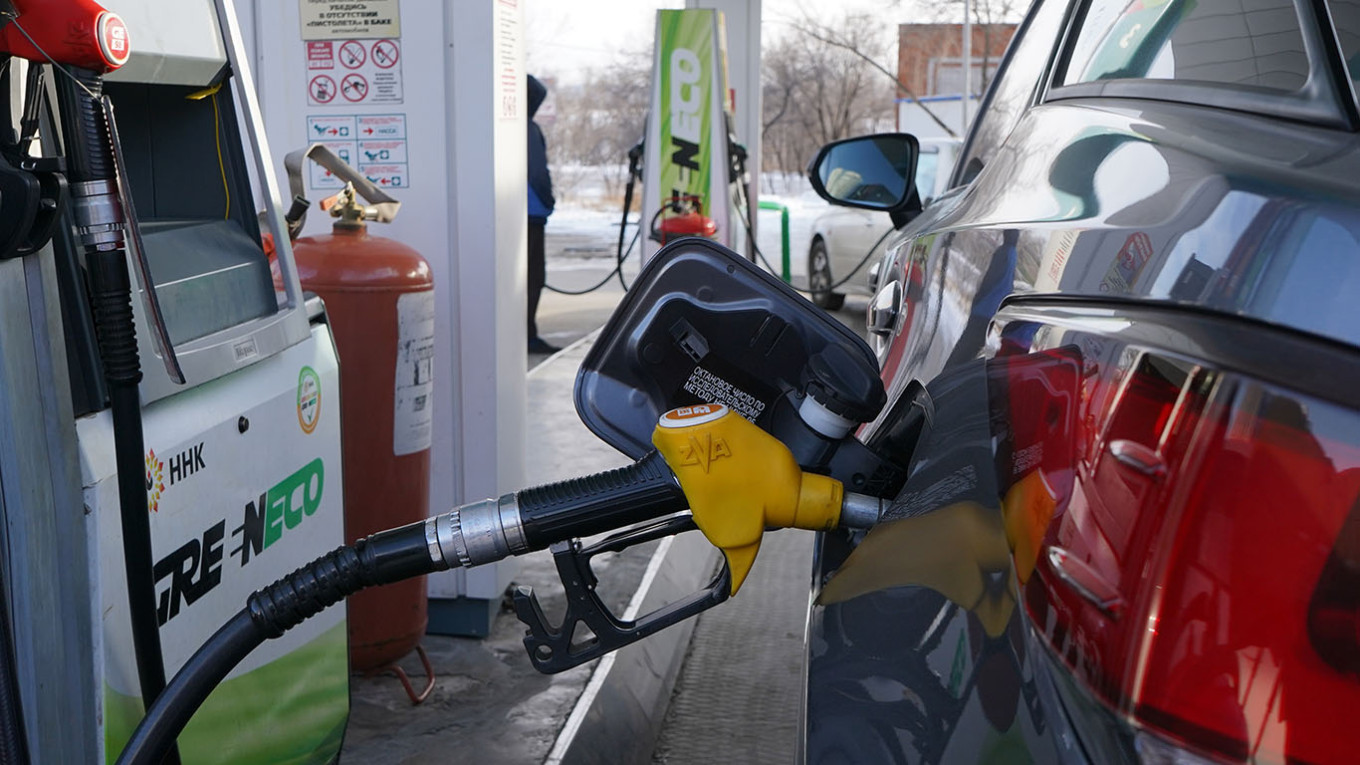
As headlines started declaring “a gasoline crisis in Russia” this summer, it became genuinely difficult to understand whether the country was facing any meaningful fuel problems affecting a substantial share of the population — or whether a handful of isolated disruptions had been inflated into a national emergency through sheer media amplification.
To get a clearer picture, the CASE research group commissioned a nationwide telephone survey. It asked Russians whether, over the previous three months, they had encountered empty pumps, long lines or limits on how much fuel they could buy.
The sample consisted of 1,600 respondents across the country, including in annexed Crimea and Sevastopol. After excluding those who do not drive personal vehicles, the analysis covered 1,158 respondents. The socio-demographic structure of the sample closely matched the broader population.
What the data actually show
The results require some context.
The period in question fell during the vacation season, when many Russians travel more widely than usual. Much of the increased car travel in 2025 flowed precisely into the regions most often mentioned in media reports of fuel problems — which was, in fact, the main reason shortages developed there. Many people from unaffected regions only encountered difficulties while on holiday.
Nationwide, 24% of respondents had encountered the absence of their preferred gasoline grade at a station during the past three months. Eleven percent experienced this once or twice, 7% three to five times and 6% more than five times.
Only 10% of those who ran into a shortage — 2.4% of the entire sample — were unable to find gasoline anywhere that same day. Most people simply filled up at the next station.
Eighteen percent had encountered unusually long lines, though nearly half of those waited less than 20 minutes — hardly the stuff of crisis and more likely a reflection of how media narratives shape perception.
Meanwhile, only 6% had experienced purchase limits, and fewer than 1% had faced them more than five times.
In most regions, there was no physical fuel shortage at all. The problems were concentrated among small, struggling gas-station chains, some of which soon closed.
Where real problems did occur
The picture was different in annexed Crimea and Sevastopol, where 70% of respondents had encountered empty pumps, 26% had faced shortages more than five times and nearly half of those affected could not find gasoline anywhere that same day.
Sixty-one percent had experienced purchase limits, and 40% had faced unusual lines.
These results come with a large margin of error, as the territories made up only 1.5% of the sample. They nonetheless confirm that unlike the rest of the country, Crimea did experience a genuine gasoline crisis. Still, the relatively small share of people reporting repeated problems suggests the disruptions were not long-lasting.
A separate group of 13 regions that appeared frequently in media reports of fuel shortages also showed higher rates of disruption compared with the rest of the country. But even there, the patterns aligned neatly with where seasonal travel had spiked.
Who felt it most
The survey data also reveal some modest but telling demographic differences.
Among those who waited in unusually long lines, people without higher education and low-income respondents were more likely to have waited over 45 minutes.
Men reported every type of problem significantly more often than women, particularly when it came to having to visit multiple stations before finding fuel.
Why these differences exist is open to interpretation. But their presence underscores that the experience of “crisis” is neither uniform nor easily mapped onto the media narrative.
The crisis that wasn’t
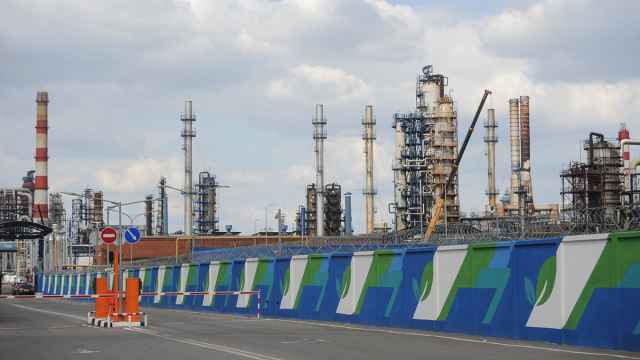
At the height of claims that fuel shortages were caused by Ukrainian strikes on Russian oil refineries, it was already clear that the situation would resolve itself within one or two months for seasonal reasons alone. And that is exactly what happened. Reports of shortages have faded from the news cycle, and gasoline prices have been falling for three weeks.
But the conversation will almost certainly be back next year as August approaches again. Despite all logic, many outlets will again blame refinery strikes for what are largely predictable seasonal dynamics.
Even if the war ends, localized fuel shortages during the vacation season will likely continue. Perhaps the media will again look to last year’s attacks for an explanation.
At least now, when the next “crisis” arrives, we’ll have a point of comparison.

A Message from The Moscow Times:
Dear readers,
We are facing unprecedented challenges. Russia's Prosecutor General's Office has designated The Moscow Times as an "undesirable" organization, criminalizing our work and putting our staff at risk of prosecution. This follows our earlier unjust labeling as a "foreign agent."
These actions are direct attempts to silence independent journalism in Russia. The authorities claim our work "discredits the decisions of the Russian leadership." We see things differently: we strive to provide accurate, unbiased reporting on Russia.
We, the journalists of The Moscow Times, refuse to be silenced. But to continue our work, we need your help.
Your support, no matter how small, makes a world of difference. If you can, please support us monthly starting from just $2. It's quick to set up, and every contribution makes a significant impact.
By supporting The Moscow Times, you're defending open, independent journalism in the face of repression. Thank you for standing with us.

Remind me later.