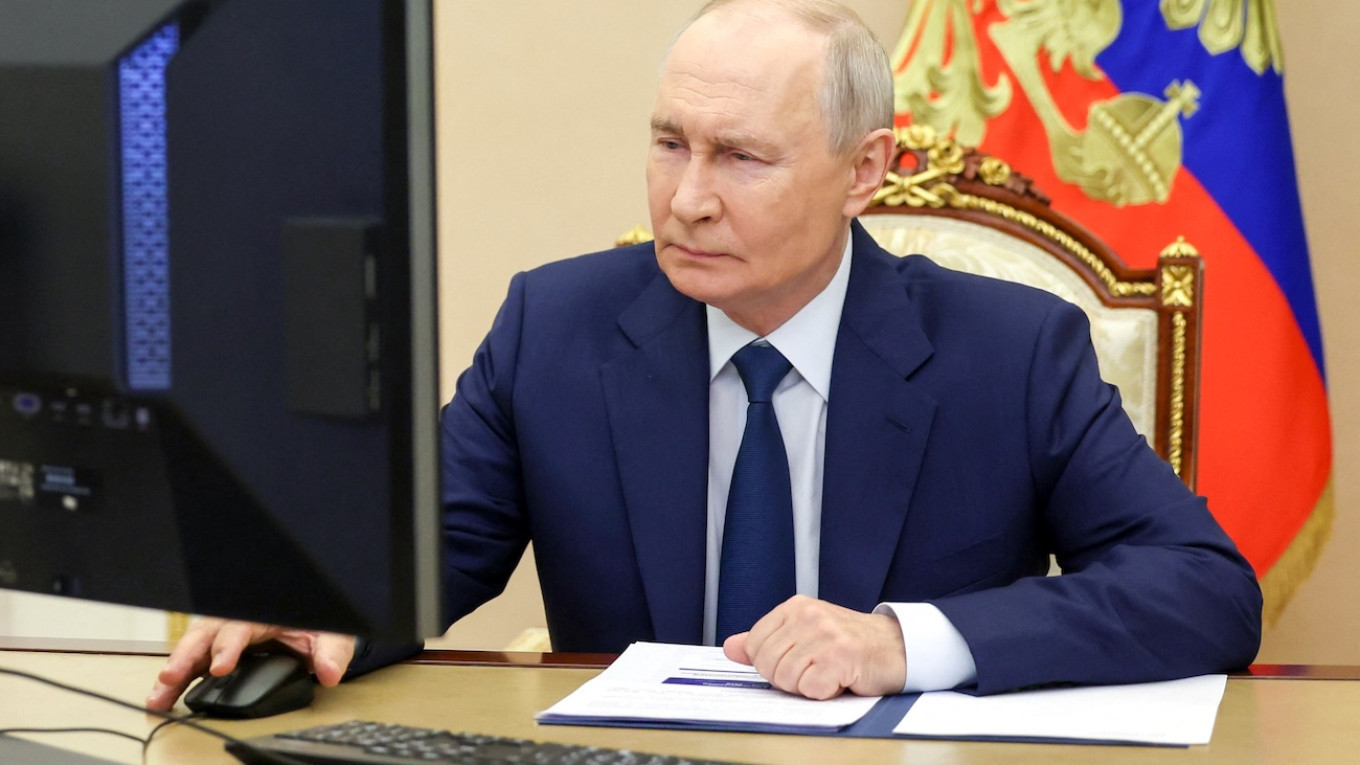
President Vladimir Putin said governments should exert influence over social media in the interests of security, pointing to protests in France as justification for greater state oversight of online platforms.
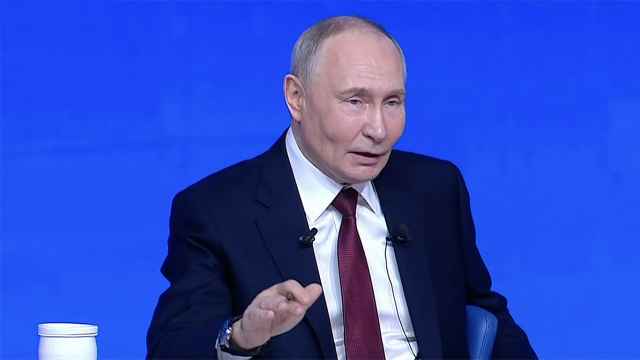
Speaking to representatives of African countries visiting Moscow for the Russia-Africa summit, Putin said French authorities had struggled to control the role of foreign-owned social networks in unrest in their country.
“The French leadership also points out that social media platforms that are not sovereign to France are influencing the events now taking place in major French cities,” Putin said. “They have difficulty influencing how social media operates in their country, or have no influence at all.”
“I think it would be right for all of us to have influence over this and think about security,” he added, without specifying what form that influence should take.
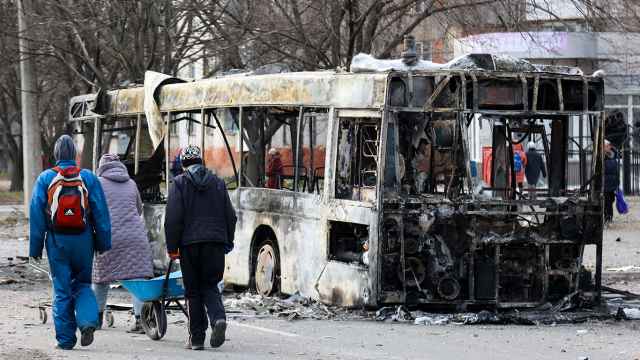
Hundreds of thousands of people have taken to the streets in France in recent weeks to protest rising prices and declining living standards.
Russia-linked disinformation networks have themselves been accused of exploiting the French protests. Researchers at Alliance4Europe identified a coordinated campaign linking anger over living costs to France’s support for Ukraine, though they found no evidence that foreign actors were behind the protests themselves.
Russia scored four out of 100 in an internet freedom ranking compiled by technology research company Cloudwards, placing it alongside Iran, China and Pakistan. Only North Korea ranked lower, with zero points.
The researchers said Russia systematically blocks or restricts major international platforms, including YouTube, X, Instagram, Facebook and TikTok, as well as messaging services WhatsApp and Telegram and independent news outlets.
Russian authorities have also effectively banned opposition street protests at home, using restrictive assembly laws and lingering coronavirus measures to prevent or disperse demonstrations.
This article was translated with the help of artificial intelligence and was reviewed by a Moscow Times editor before publication. Learn more about our newsroom's AI policy here.
Read this article in Russian at The Moscow Times' Russian service.
A Message from The Moscow Times:
Dear readers,
We are facing unprecedented challenges. Russia's Prosecutor General's Office has designated The Moscow Times as an "undesirable" organization, criminalizing our work and putting our staff at risk of prosecution. This follows our earlier unjust labeling as a "foreign agent."
These actions are direct attempts to silence independent journalism in Russia. The authorities claim our work "discredits the decisions of the Russian leadership." We see things differently: we strive to provide accurate, unbiased reporting on Russia.
We, the journalists of The Moscow Times, refuse to be silenced. But to continue our work, we need your help.
Your support, no matter how small, makes a world of difference. If you can, please support us monthly starting from just $2. It's quick to set up, and every contribution makes a significant impact.
By supporting The Moscow Times, you're defending open, independent journalism in the face of repression. Thank you for standing with us.

Remind me later.