
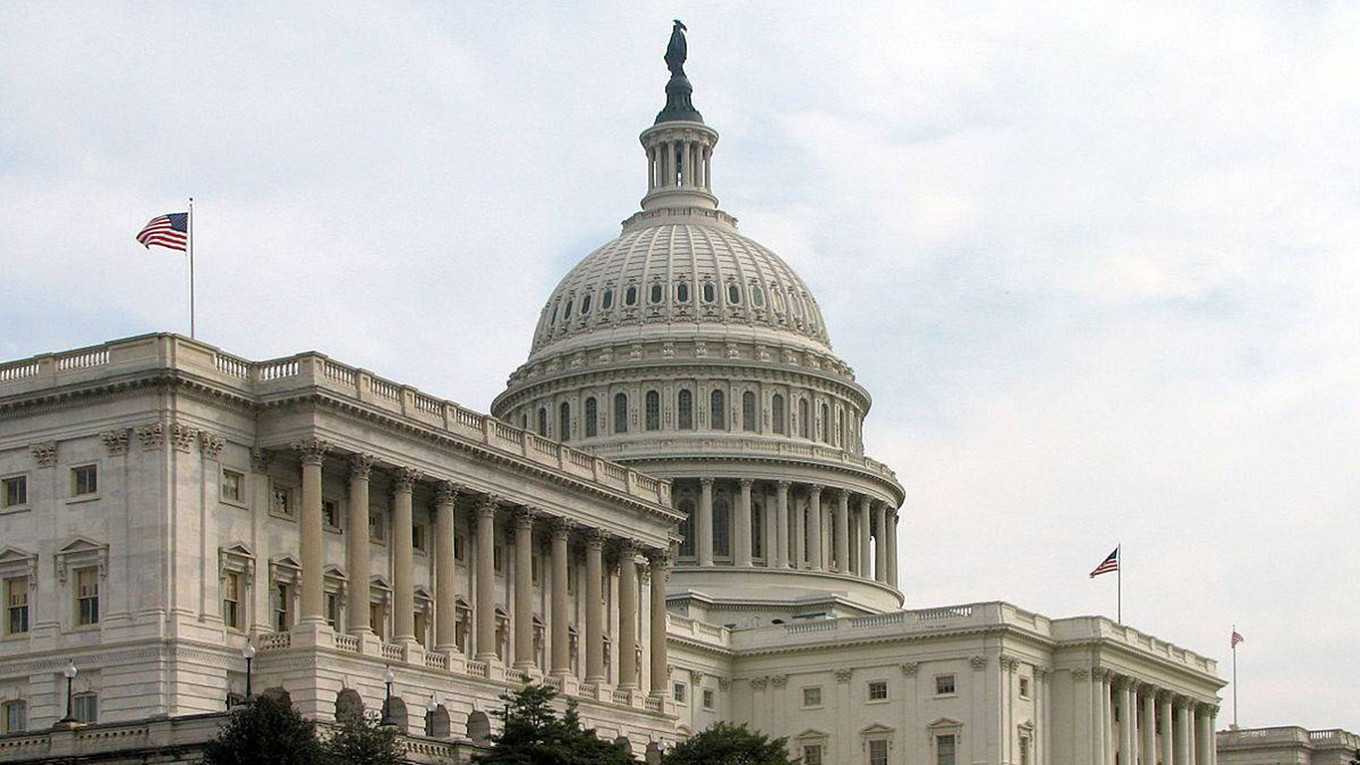
The U.S. House of Representatives on Wednesday passed a sweeping sanctions and tariff bill intended to increase economic pressure on Russia over its invasion of Ukraine, sending the bill to U.S. President Donald Trump to sign into law more than a year after the late Senator Lindsey Graham first introduced it.
The bill, now called the "Lindsey O. Graham Sanctioning Russia and Iran Act of 2026" to honor the South Carolina Republican, passed the Senate last month. The House passed it by 262 to 159, as 58 Democrats broke with party leaders to join all but seven Republicans in favor.
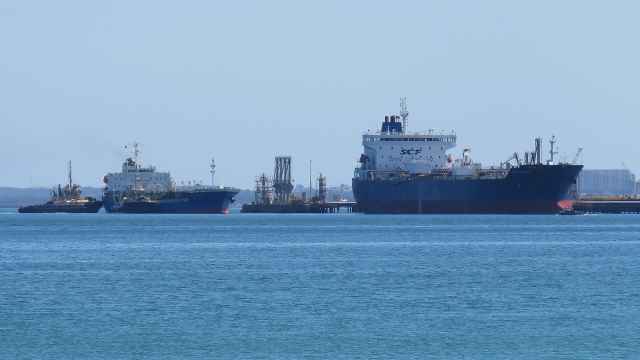
The legislation targets Russia's energy and defense industries, as well as its "shadow fleet" of tankers that evade existing sanctions, in order to deprive Moscow of funds used to pay for its war against Ukraine.
Kremlin spokesman Dmitry Peskov said on Thursday that further U.S. sanctions against Russia would make it harder to reach a peace deal in Ukraine.
"We are, of course, monitoring the progress of this bill. It falls under the category of unfriendly actions, and of course the imposition of any additional sanctions by the U.S. would certainly complicate efforts to find a peace settlement in Ukraine," Peskov told reporters.
The legislation faced opposition from House Democrats because it also authorizes Trump to impose stiff tariffs of up to 100% on China, India and other countries to reduce their dependence on Russian oil and gas, as well as to extend sanctions on Iran. They argue that Trump already has the authority he needs to impose sanctions on Russia, but has chosen not to do so.
Democrats likewise say the bill makes it too easy for the U.S. president not to impose sanctions by declaring that doing so is not in the national interest, a much broader presidential power than in most sanctions bills.
House Democratic Leader Hakeem Jeffries said the legislation had so many loopholes that sanctions harming Russia might not be applied. "What this legislation will do is give Donald Trump, perhaps, unfettered authority to unleash tariffs on the American people," the New York lawmaker said as he announced he would vote no.
But backers said the bill, a rare piece of legislation to pass with significant support from both parties, will send an essential message to Russia — and the world — that Washington continues to support Ukraine, helping to force Moscow to negotiate.
"Today, we are now one step closer to securing Lindsey's vision of enduring peace in Ukraine and beyond," Republican Representative Michael McCaul of Texas, a lead sponsor of the legislation, told the press conference after the House vote.
A Message from The Moscow Times:
Dear readers,
We are facing unprecedented challenges. Russia's Prosecutor General's Office has designated The Moscow Times as an "undesirable" organization, criminalizing our work and putting our staff at risk of prosecution. This follows our earlier unjust labeling as a "foreign agent."
These actions are direct attempts to silence independent journalism in Russia. The authorities claim our work "discredits the decisions of the Russian leadership." We see things differently: we strive to provide accurate, unbiased reporting on Russia.
We, the journalists of The Moscow Times, refuse to be silenced. But to continue our work, we need your help.
Your support, no matter how small, makes a world of difference. If you can, please support us monthly starting from just $2. It's quick to set up, and every contribution makes a significant impact.
By supporting The Moscow Times, you're defending open, independent journalism in the face of repression. Thank you for standing with us.

Remind me later.