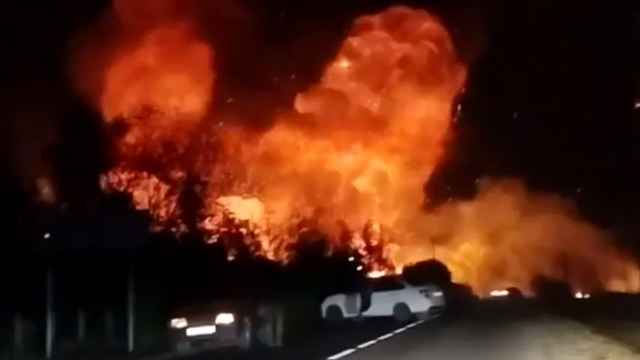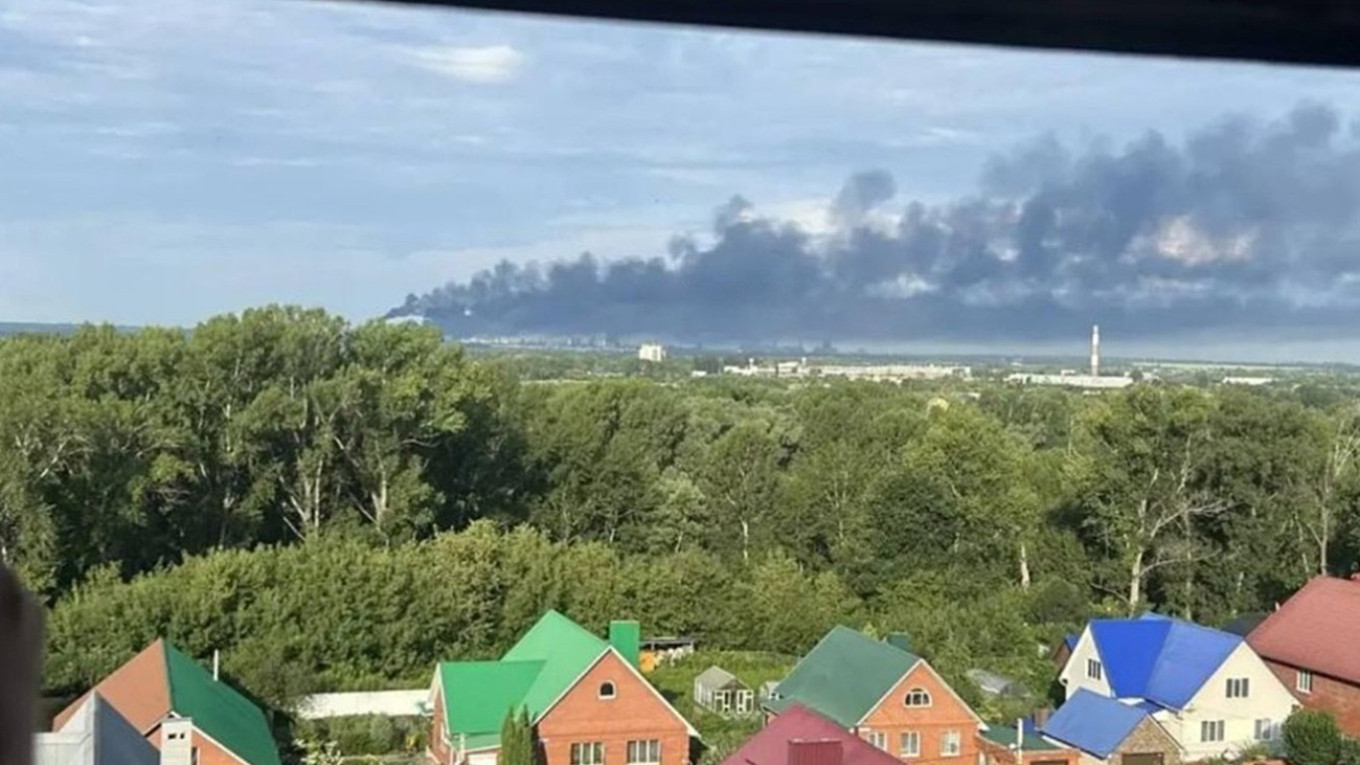
Fires broke out at two oil refineries in Russia after Ukrainian drones struck them early Tuesday morning, local authorities said.
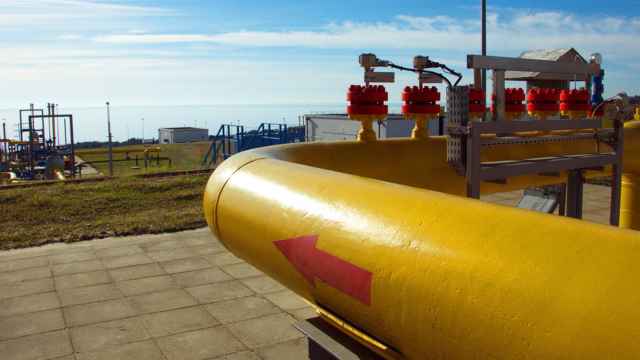
In the republic of Bashkortostan, regional head Radiy Khabirov said the Gazprom-operated Neftekhim Salavat oil refinery, one of Russia’s largest refining and petrochemical facilities, was damaged in an attack on the city of Salavat.
“The main facilities were not damaged. There is some damage to the cable bridges and utility trestles that carry resources and power lines,” Khabirov said in a post on Telegram.
He said several fires that broke out at the oil refinery had been extinguished and that no one was hurt.
“I expect the facility to return to its normal production volumes within a few days,” Khabirov said, adding that security measures at the refinery would be strengthened to prevent future attacks.
Independent media reports suggested that a Rosneft fuel depot was also targeted in the attack on Salavat, which is located around 1,300 kilometers (810 miles) east of Russia’s border with Ukraine.
In the southern Krasnodar region, local authorities said a fire broke out at the Afipsky refinery, which has been struck multiple times since the full-scale invasion of Ukraine in February 2022.
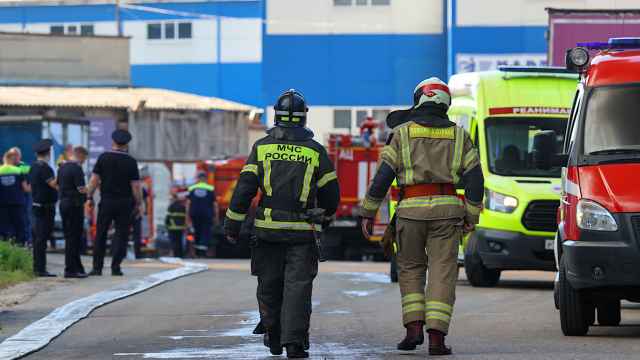
Authorities in Krasnodar later reported that firefighters extinguished the blaze. At least two people were injured in the attack.
Russia’s Defense Ministry said Monday that it intercepted 288 Ukrainian drones in Russia and annexed Crimea between Monday night and Tuesday morning.
In annexed Crimea, Kremlin-installed authorities said a Ukrainian attack on energy sites caused a partial blackout in the port city of Sevastopol.
A state of emergency remains active in Crimea following previous Ukrainian strikes against energy infrastructure in the region last month.
Meanwhile, the Kremlin-installed head of the partially occupied Donetsk region said late Monday that Ukrainian drone attacks killed eight people, including a family of four.
Ukraine has struck most of Russia’s oil refineries in recent months, leading to acute gasoline shortages in some parts of the country. Most Russian regions have introduced fuel rationing measures since early June as authorities try to ensure the domestic market remains supplied.
Reuters reported this week that the Syzran oil refinery on the Volga River halted operations after a Ukrainian drone attack on July 12 damaged a primary processing unit.
A Message from The Moscow Times:
Dear readers,
We are facing unprecedented challenges. Russia's Prosecutor General's Office has designated The Moscow Times as an "undesirable" organization, criminalizing our work and putting our staff at risk of prosecution. This follows our earlier unjust labeling as a "foreign agent."
These actions are direct attempts to silence independent journalism in Russia. The authorities claim our work "discredits the decisions of the Russian leadership." We see things differently: we strive to provide accurate, unbiased reporting on Russia.
We, the journalists of The Moscow Times, refuse to be silenced. But to continue our work, we need your help.
Your support, no matter how small, makes a world of difference. If you can, please support us monthly starting from just $2. It's quick to set up, and every contribution makes a significant impact.
By supporting The Moscow Times, you're defending open, independent journalism in the face of repression. Thank you for standing with us.

Remind me later.