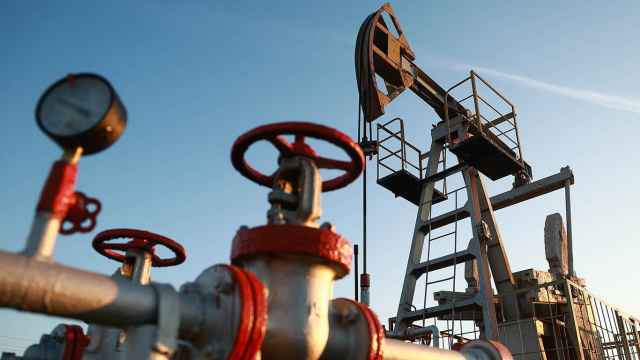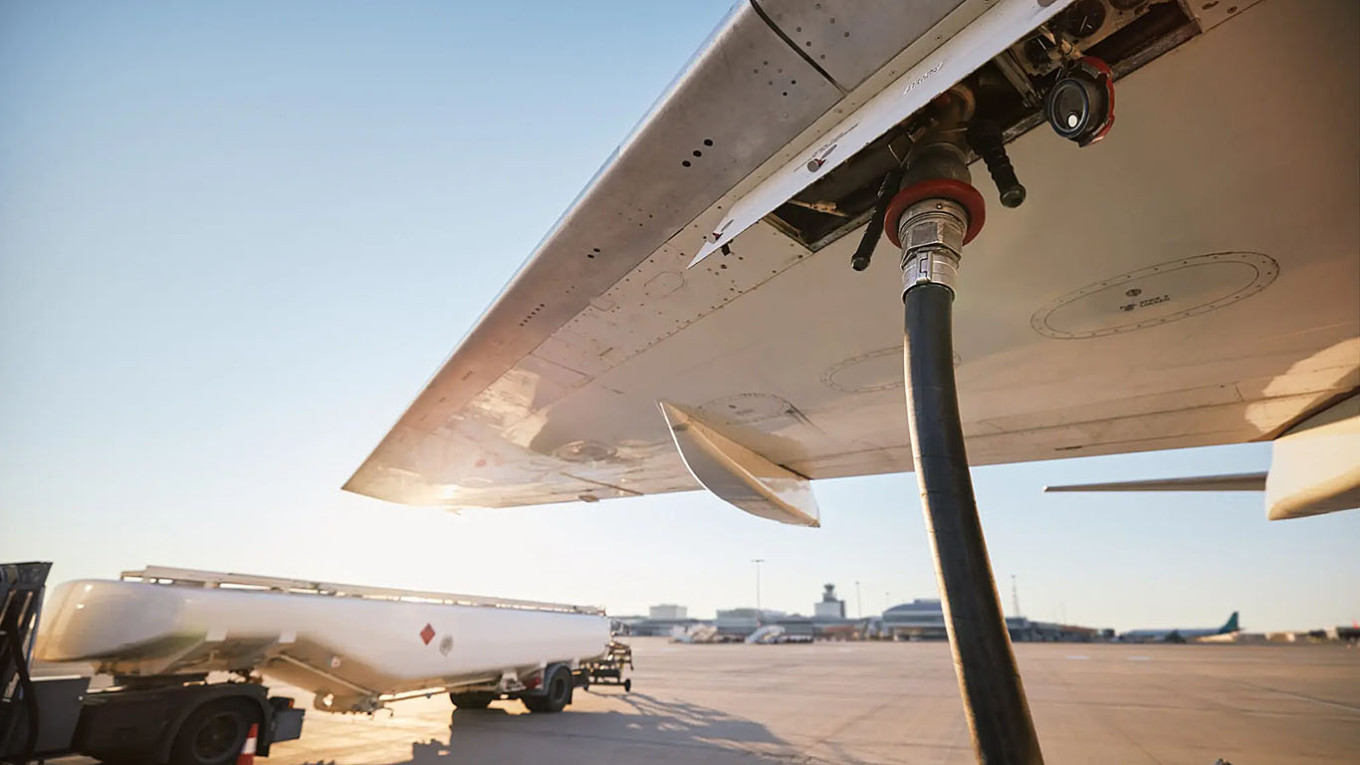
The British government has relaxed sanctions on Russian energy imports, allowing it to buy jet fuel and diesel refined from Russian crude oil in third-party countries as the war in the Middle East continues to roil energy markets.
The new trade license, published late Tuesday by the Department for Business and Trade, took effect on Wednesday. The measure will last for an "indefinite duration" and will be reviewed periodically.
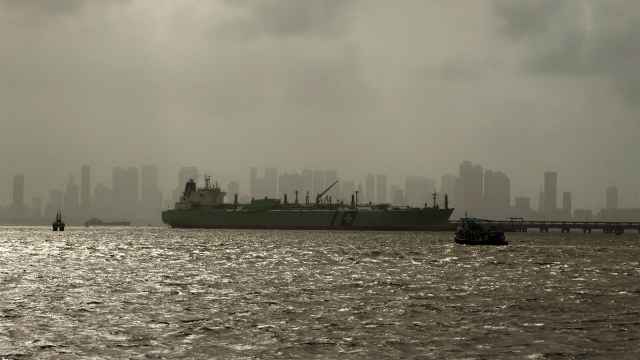
The carve-out effectively enables the United Kingdom to resume fuel shipments from major hubs like India and Turkey, which process discounted Russian crude and re-export it.
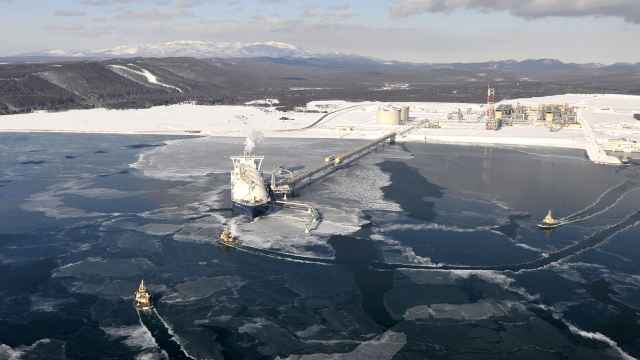
In addition, the United Kingdom issued a separate temporary license running until Jan. 1, 2027, that permits the maritime transport, financing and brokering of Russian liquefied natural gas originating from the major Sakhalin-2 and Yamal production plants.
The trade licenses come a day after the U.S. Department of the Treasury issued a 30-day extension of a sanctions waiver that allows countries to purchase Russian seaborne oil
Defending the sanctions easing, U.K. Treasury Minister Dan Tomlinson insisted the government was acting pragmatically to insulate British citizens from the economic fallout of the Middle East conflict.
"The government has announced yesterday this time-limited change to the rules around oil and refining given the extremes of the impacts of the conflict in Iran, and the impact of it washing up on our shores," Tomlinson told Sky News.
Conservative opposition leader Kemi Badenoch denounced the move.
"After 18 months of 'standing up to Putin,' the Labor [government] quietly issued a license allowing imports of Russian oil refined in third countries," Badenoch wrote in a post on X.
Oil markets remain volatile as movement through the Strait of Hormuz remains significantly hampered. Around a fifth of the world’s oil and gas supplies passed through the vital waterway before its effective closure at the beginning of March.
The price of Urals crude surged to around $120 per barrel in early April. Before the war in Iran, Russian oil had been sold at wide discounts due to U.S. sanctions over the full-scale invasion of Ukraine.
AFP contributed reporting.
A Message from The Moscow Times:
Dear readers,
We are facing unprecedented challenges. Russia's Prosecutor General's Office has designated The Moscow Times as an "undesirable" organization, criminalizing our work and putting our staff at risk of prosecution. This follows our earlier unjust labeling as a "foreign agent."
These actions are direct attempts to silence independent journalism in Russia. The authorities claim our work "discredits the decisions of the Russian leadership." We see things differently: we strive to provide accurate, unbiased reporting on Russia.
We, the journalists of The Moscow Times, refuse to be silenced. But to continue our work, we need your help.
Your support, no matter how small, makes a world of difference. If you can, please support us monthly starting from just $2. It's quick to set up, and every contribution makes a significant impact.
By supporting The Moscow Times, you're defending open, independent journalism in the face of repression. Thank you for standing with us.

Remind me later.