
Major arms producers the United States and Russia look set to oppose a push at a global meeting in Geneva this week to launch negotiations on legally binding rules for autonomous weapons, diplomats and rights groups said.
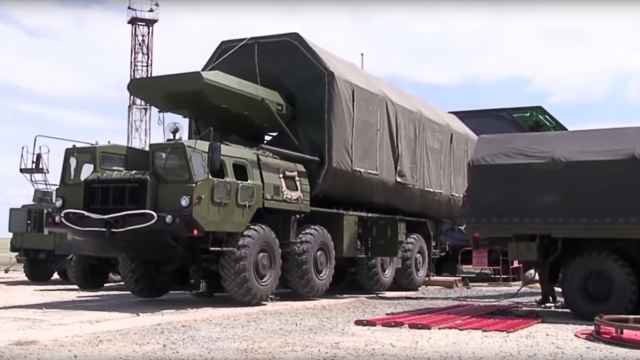
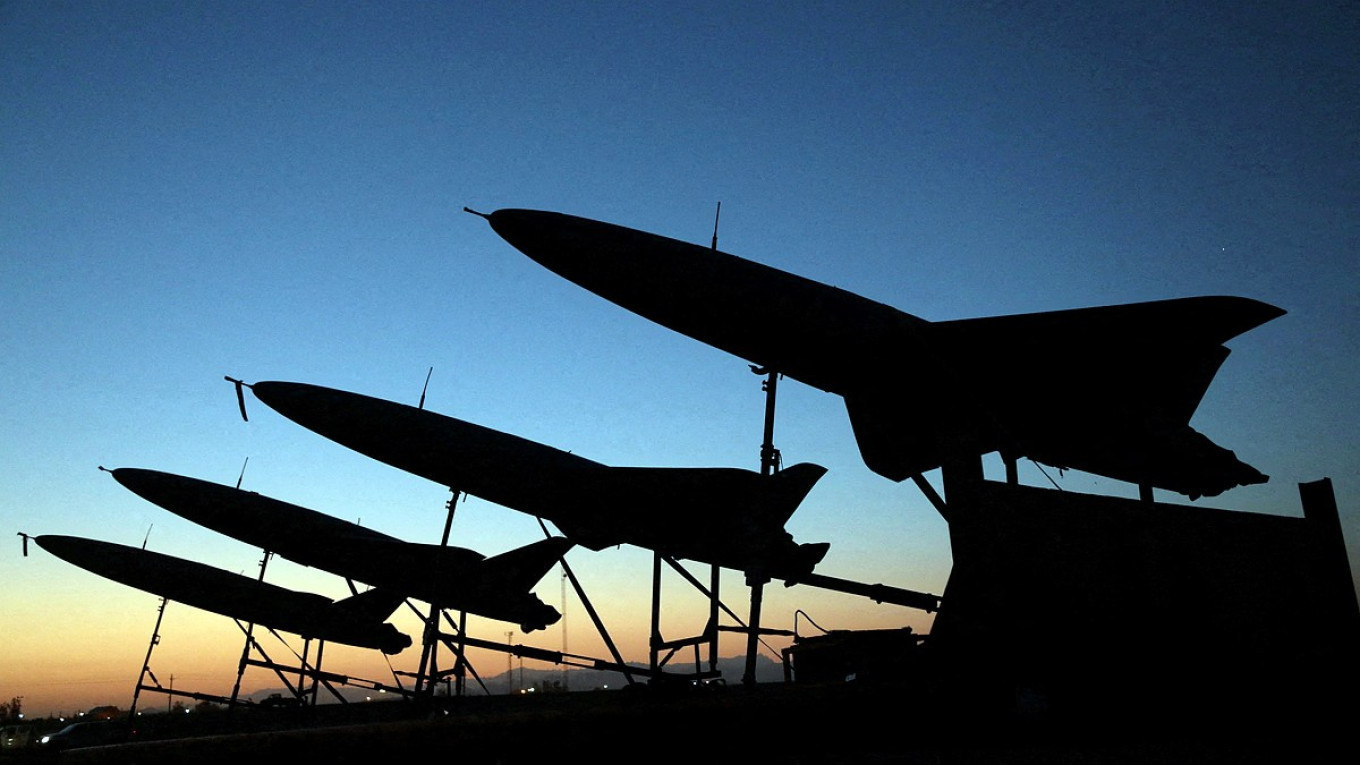
The rise of artificial intelligence has boosted development of drones, robots, tanks, submarines and other military hardware capable of killing without human involvement. Semi-autonomous, AI-assisted weapons have already been used in Ukraine, Sudan and the Middle East, despite ethical concerns.
The UN-hosted meeting from Monday is due to decide whether to start talks for a legally binding pact on prohibitions and regulations for Lethal Autonomous Weapons Systems (LAWS).
But while most of the 128 states party to the Convention on Certain Conventional Weapons support that, major military nations including the U.S., Russia and Israel oppose it, arguing that existing humanitarian law is sufficient.
In a video message, the UN secretary-general urged states to agree to move towards negotiating a legally binding instrument including clear prohibitions and restrictions.
"The nature of warfare is changing. New technologies — including autonomous weapon systems — present new humanitarian, legal, ethical and security challenges," Antonio Guterres said.
But Russia stymied the start of talks on Monday with its objection to a procedural rule allowing observers, including the EU and non-governmental organizations, to take the floor. Delegates including Ireland and Canada opposed that.
The International Committee of the Red Cross, along with the pope, has also warned of the dangers from autonomous weapons.
'Dystopian reality'
“Machines should never be allowed to decide who lives and dies on a battlefield but that is the dystopian reality that is fast approaching,” said Verity Coyle from Human Rights Watch, which is also urging the Review Conference to take firm action.
Two diplomats told Reuters the discussions would be challenging but that a compromise may be found by the end of the week. All options are on the table, from legally binding to non-legally binding, as well as a hybrid agreement with both elements, one of the diplomats said.
Campaigners say autonomous weapons systems can behave unpredictably, raising the risk of fatal errors.
Anna Hehir, head of military AI governance at the Future of Life Institute — a U.S.-based nonprofit organization focused on reducing the risks of advanced technologies, including AI — said LAWS were no longer science fiction, pointing to media reporting of early use of fully autonomous systems in Ukraine.
The U.S. favors guidelines over binding rules on LAWS, arguing that international law already provides a framework to govern warfare. It has proposed a five-year mandate for talks towards a non-binding agreement.
Hehir told Reuters the U.S. and Russia would probably seek to water down any outcome as they did in September with a text about autonomous weapons and their potential for harm.
The chair of this week's talks has proposed a two-year mandate to negotiate a legally binding protocol.
The U.K., Germany and France propose negotiations on an instrument that leaves open whether it would be legally binding or not, Coyle told Reuters.
A Message from The Moscow Times:
Dear readers,
We are facing unprecedented challenges. Russia's Prosecutor General's Office has designated The Moscow Times as an "undesirable" organization, criminalizing our work and putting our staff at risk of prosecution. This follows our earlier unjust labeling as a "foreign agent."
These actions are direct attempts to silence independent journalism in Russia. The authorities claim our work "discredits the decisions of the Russian leadership." We see things differently: we strive to provide accurate, unbiased reporting on Russia.
We, the journalists of The Moscow Times, refuse to be silenced. But to continue our work, we need your help.
Your support, no matter how small, makes a world of difference. If you can, please support us monthly starting from just $2. It's quick to set up, and every contribution makes a significant impact.
By supporting The Moscow Times, you're defending open, independent journalism in the face of repression. Thank you for standing with us.

Remind me later.