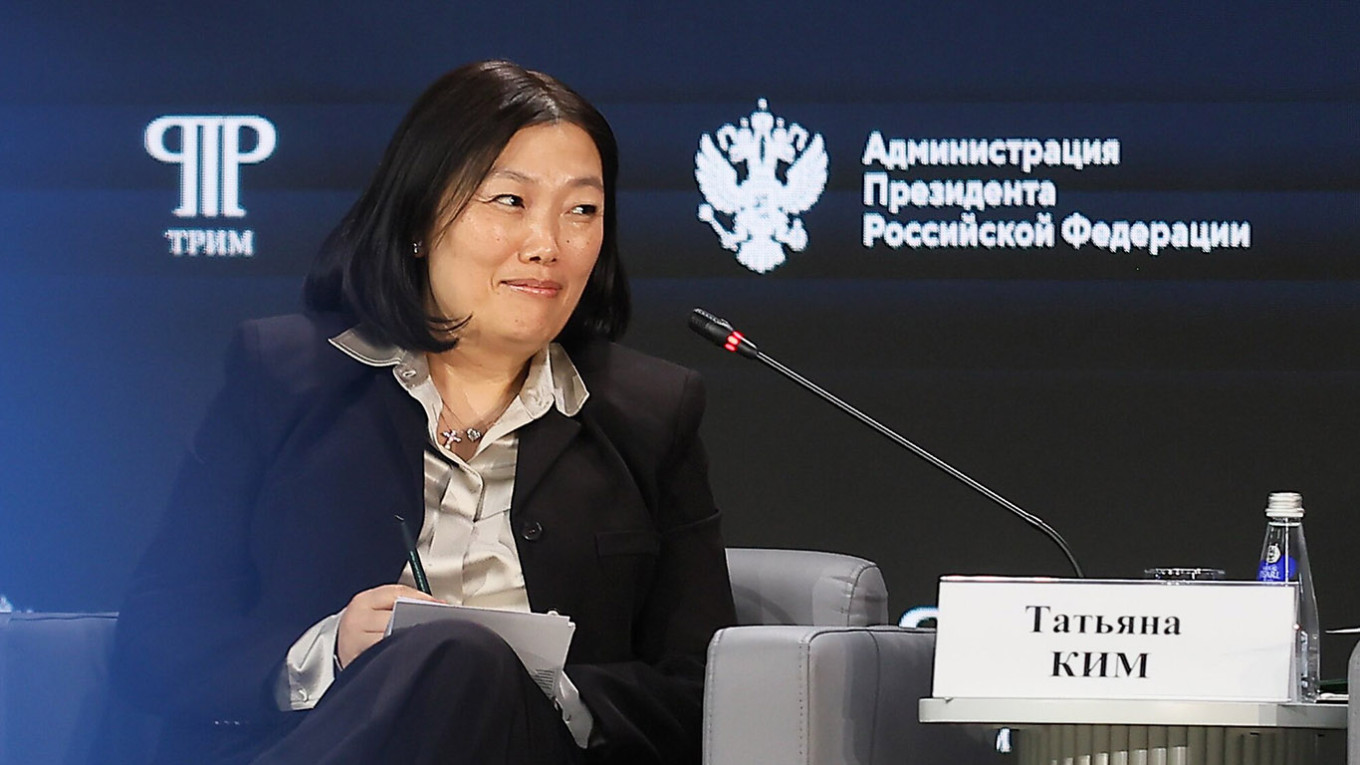
Russian e-commerce giant Wildberries dismissed new EU sanctions on its billionaire founder and CEO Tatiana Kim on Monday, saying the travel ban and asset freeze would not impact its operations.
Kim, whose net worth is estimated at more than $8 billion, was among 12 people and 101 entities that the EU blacklisted over Russia’s war in Ukraine. Brussels argued that Kim is materially and financially supporting and benefiting from Russia’s military and industrial complex.
“Our customers and partners will not notice any changes,” the press service of RWB, the parent company of Wildberries, told the state-run TASS news agency.
“The company has no assets in the European Union and does not conduct business in EU countries,” RWB said.
The EU said Wildberries, which controls nearly half of Russia’s online retail market and is one of the country’s largest taxpayers, “operates as a supply network for the Russian military by facilitating the sale of military and dual-use goods.”
Ukraine has used the same argument to justify its drone campaign against Wildberries warehouses since July. Both Kim and the Kremlin have denied that Wildberries facilities are used to supply the Russian military.
Beyond Wildberries, the EU’s sanctions package targeted major figures and firms across Russia’s e-commerce, banking, energy and shadow fleet sectors.
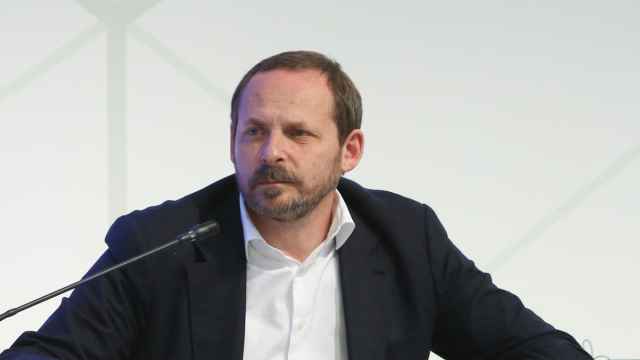
They include Alexander Chachava, who controls a majority stake in Wildberries’ main competitor Ozon and holds a stake in Russian tech giant Yandex, whose data centers were targeted in Ukrainian drone attacks last month.
Nearly 20 Russian energy companies and oil refineries and almost 50 regional Russian banks and financial institutions were also blacklisted.
The measures also targeted trading firms registered in the UAE, China, the Seychelles and Oman accused of transporting or buying Russian oil via its so-called “shadow fleet” of aging vessels in circumvention of existing sanctions.
The EU has sanctioned more than 4,600 individuals and entities since Russia invaded Ukraine in 2022. EU diplomats are also preparing a broader 22nd package of sectoral sanctions expected to be presented next week.
A Message from The Moscow Times:
Dear readers,
We are facing unprecedented challenges. Russia's Prosecutor General's Office has designated The Moscow Times as an "undesirable" organization, criminalizing our work and putting our staff at risk of prosecution. This follows our earlier unjust labeling as a "foreign agent."
These actions are direct attempts to silence independent journalism in Russia. The authorities claim our work "discredits the decisions of the Russian leadership." We see things differently: we strive to provide accurate, unbiased reporting on Russia.
We, the journalists of The Moscow Times, refuse to be silenced. But to continue our work, we need your help.
Your support, no matter how small, makes a world of difference. If you can, please support us monthly starting from just $2. It's quick to set up, and every contribution makes a significant impact.
By supporting The Moscow Times, you're defending open, independent journalism in the face of repression. Thank you for standing with us.

Remind me later.