
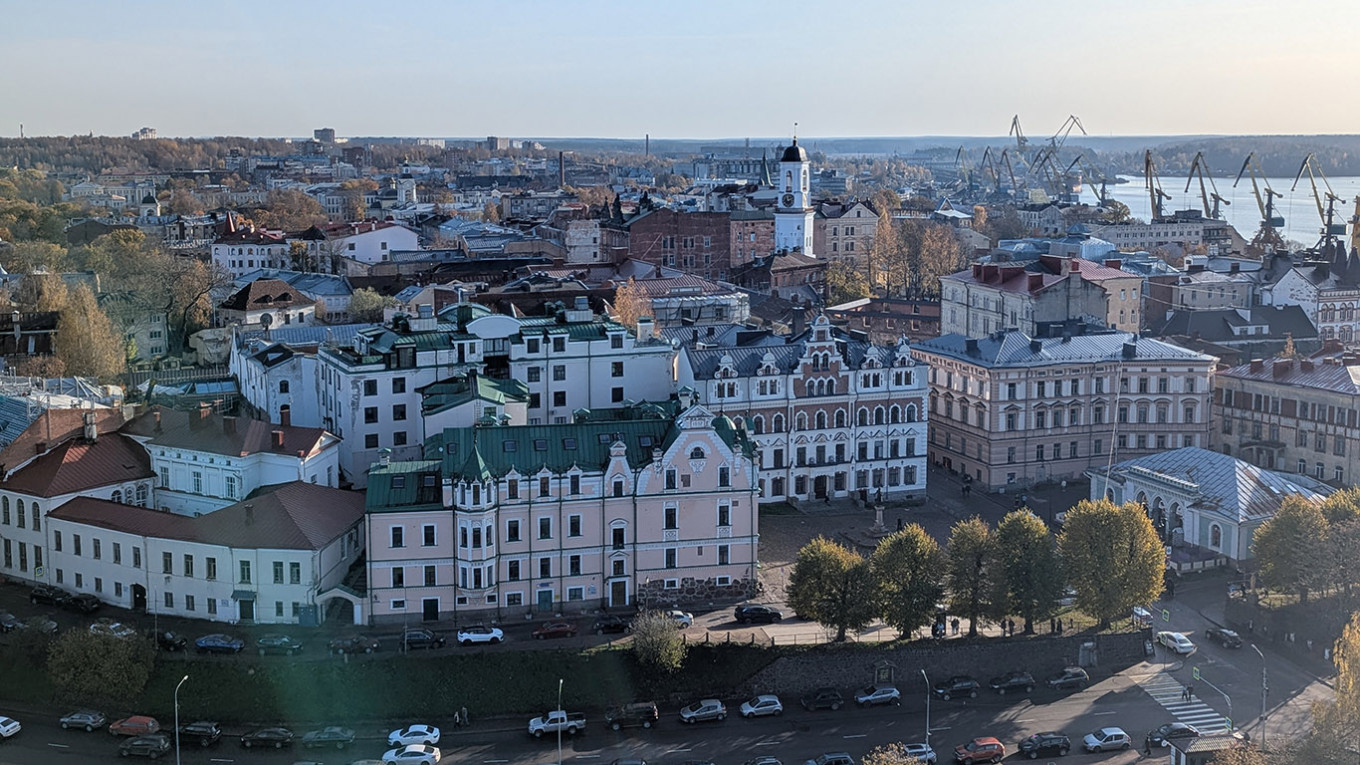
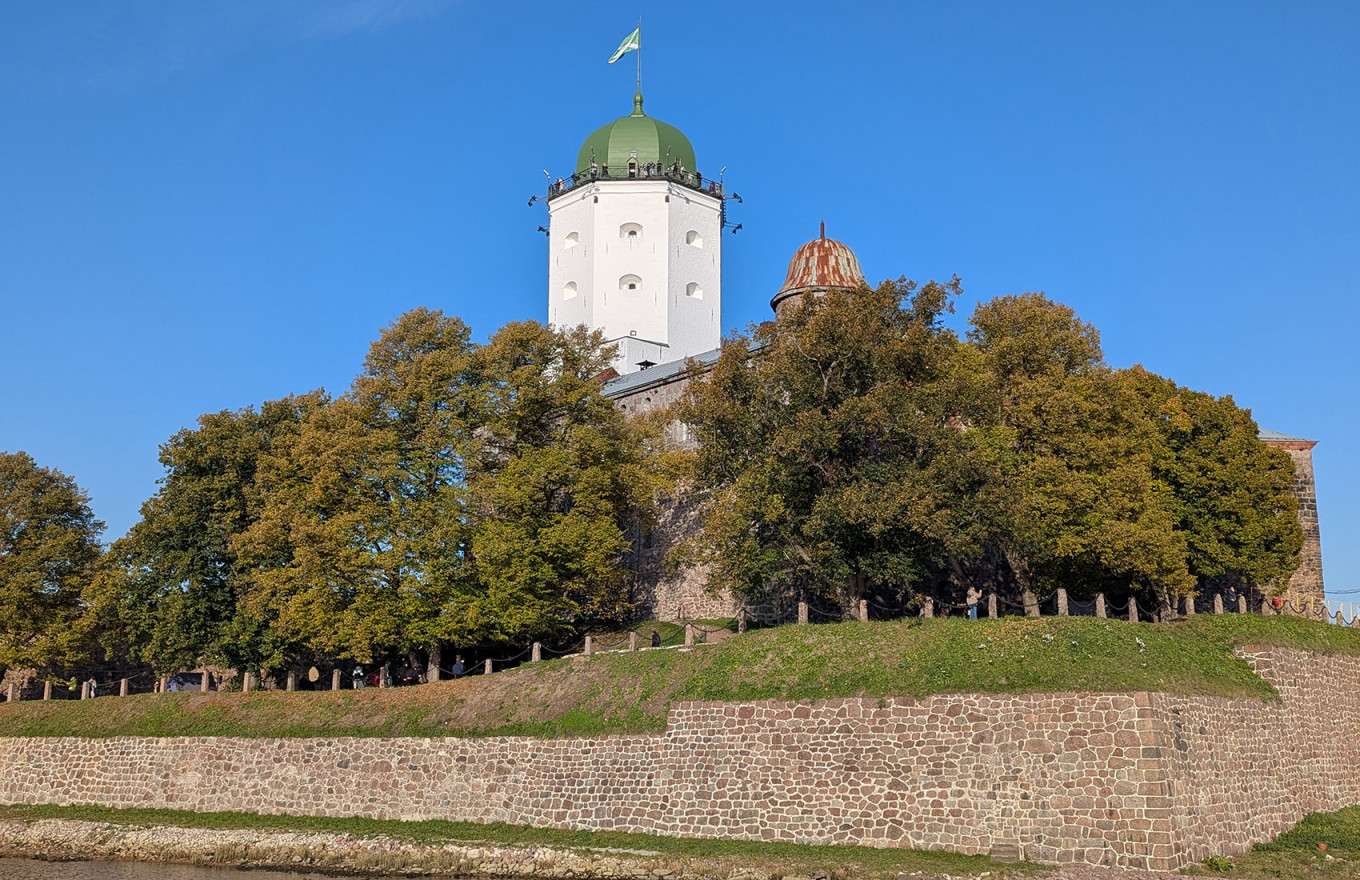
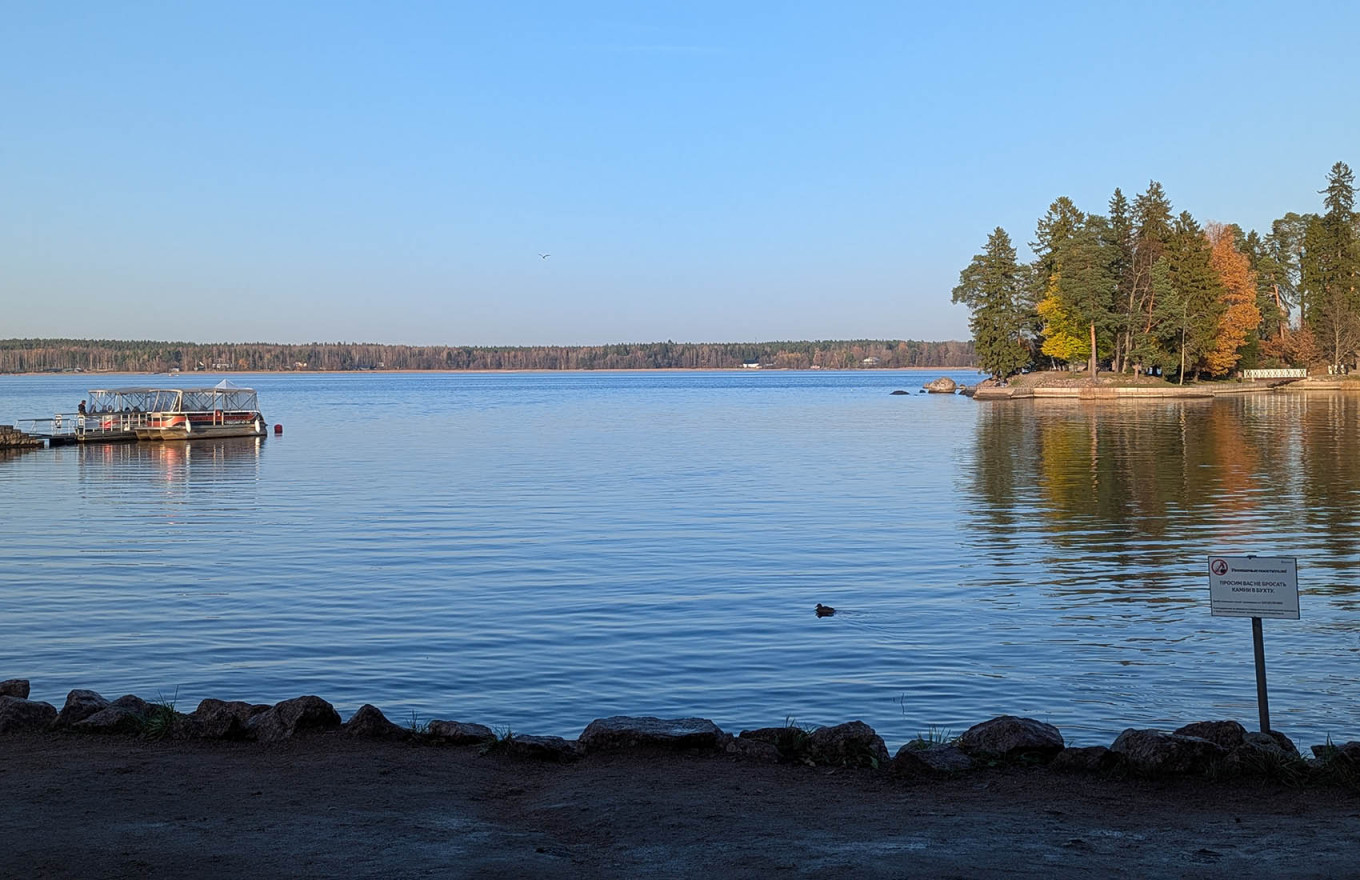
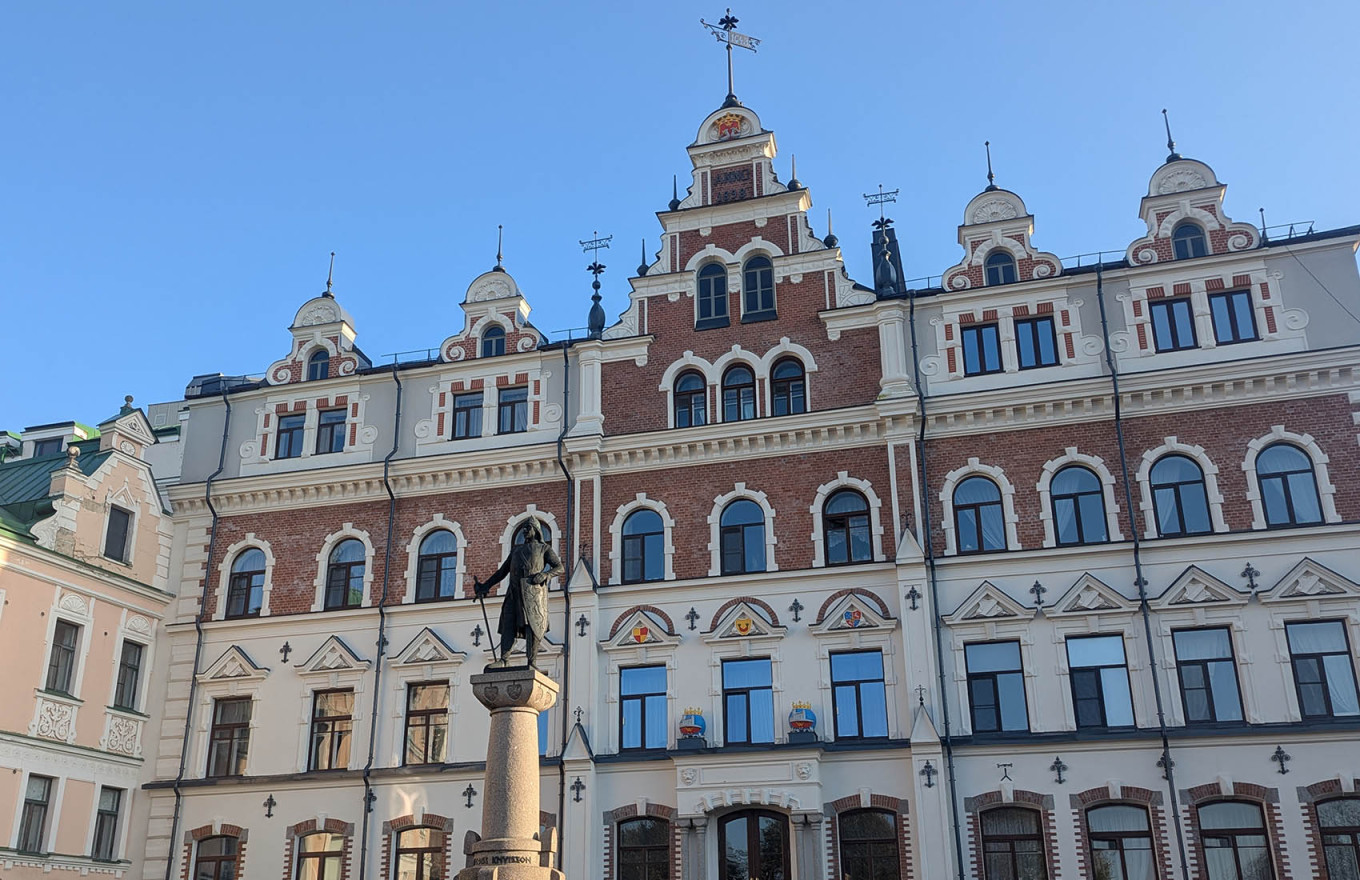
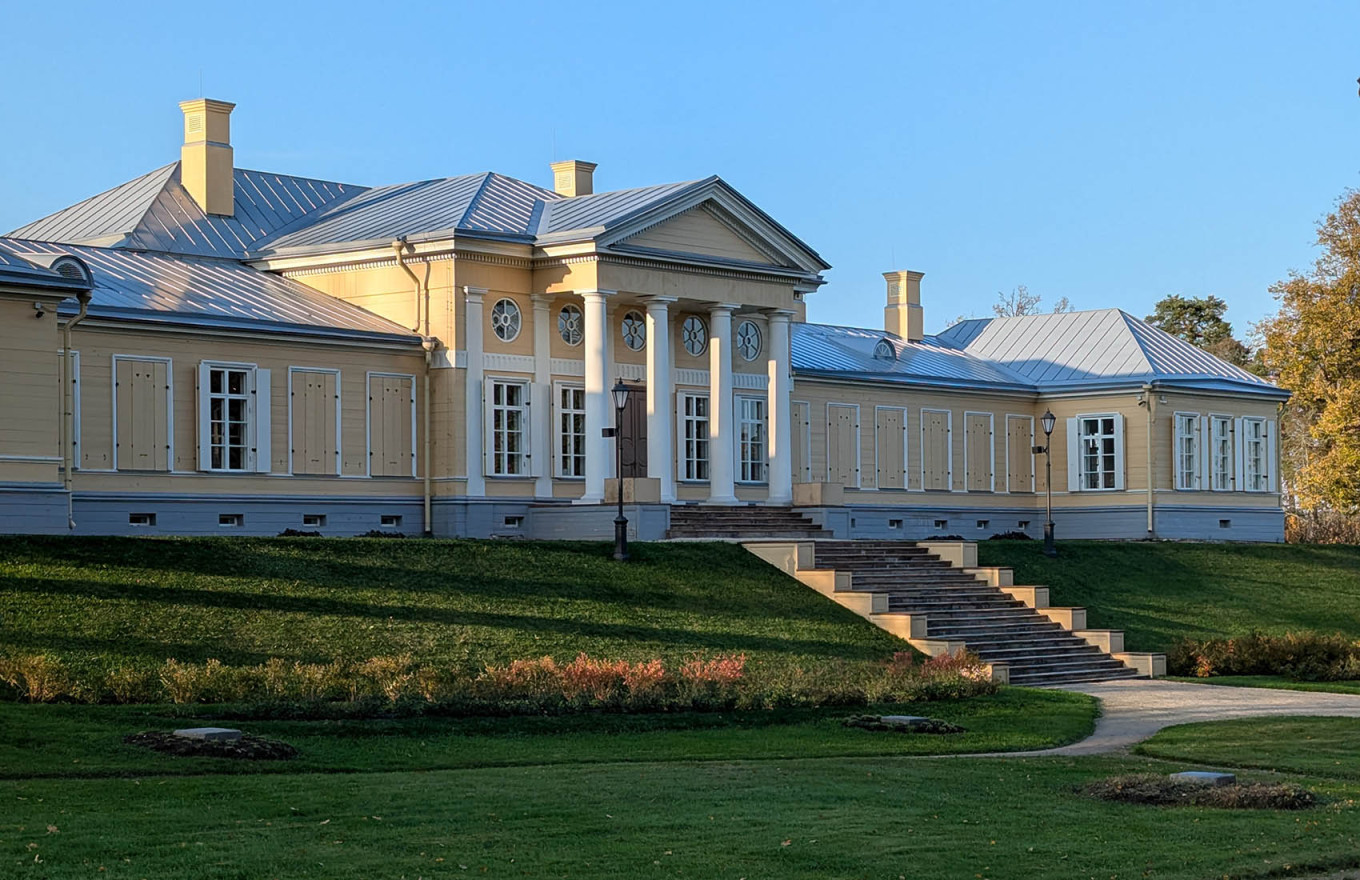
VYBORG, Russia — With its storybook architecture, Swedish-built castle, English landscape park and medieval town walls, you could be forgiven for thinking you were in a Nordic country.
In reality, this is Vyborg, a small city northwest of St. Petersburg whose Swedish and Finnish heritage has long drawn visitors seeking a taste of life across the border.
Now, as visa and entry restrictions imposed following Moscow’s full-scale invasion of Ukraine make it harder for Russians to travel to Europe, Vyborg is enjoying a tourism boom.
According to local authorities, annual visitor numbers rose from 1.3 million in 2022 to 1.9 million in 2025, and are projected to reach 2.1 million in 2026.
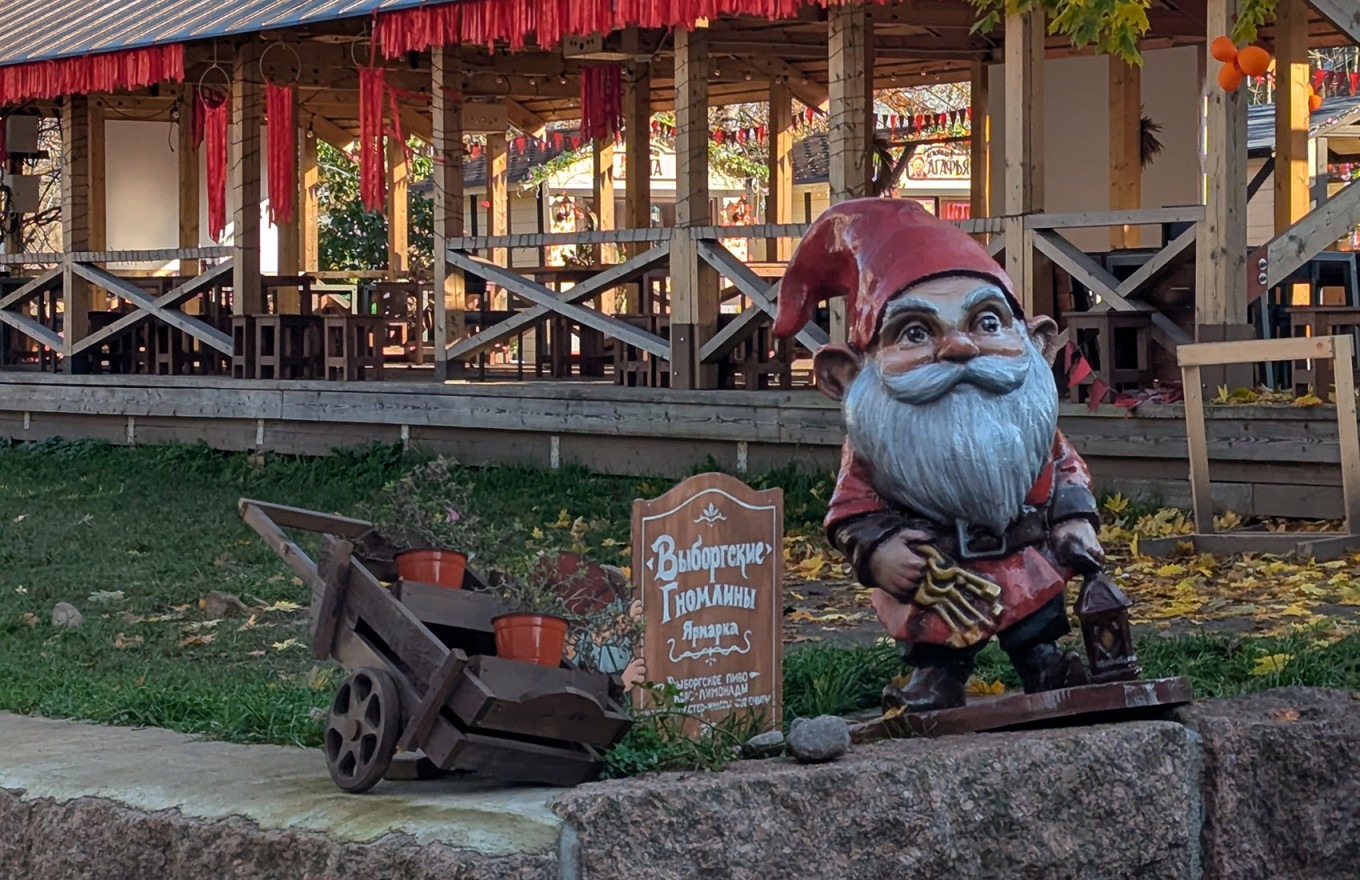
Hotel bookings for the winter holidays are up 22% from a year earlier, the Russian Union of Travel Industry said. Jousting tournaments, fairs and medieval-style treats offer visitors the atmosphere of a European Christmas without leaving Russia.
But reminders of the war in Ukraine are never far away, and tensions between Russia and NATO member Finland — whose border lies just 30 kilometers (18 miles) away — loom over life in this otherwise picturesque city.
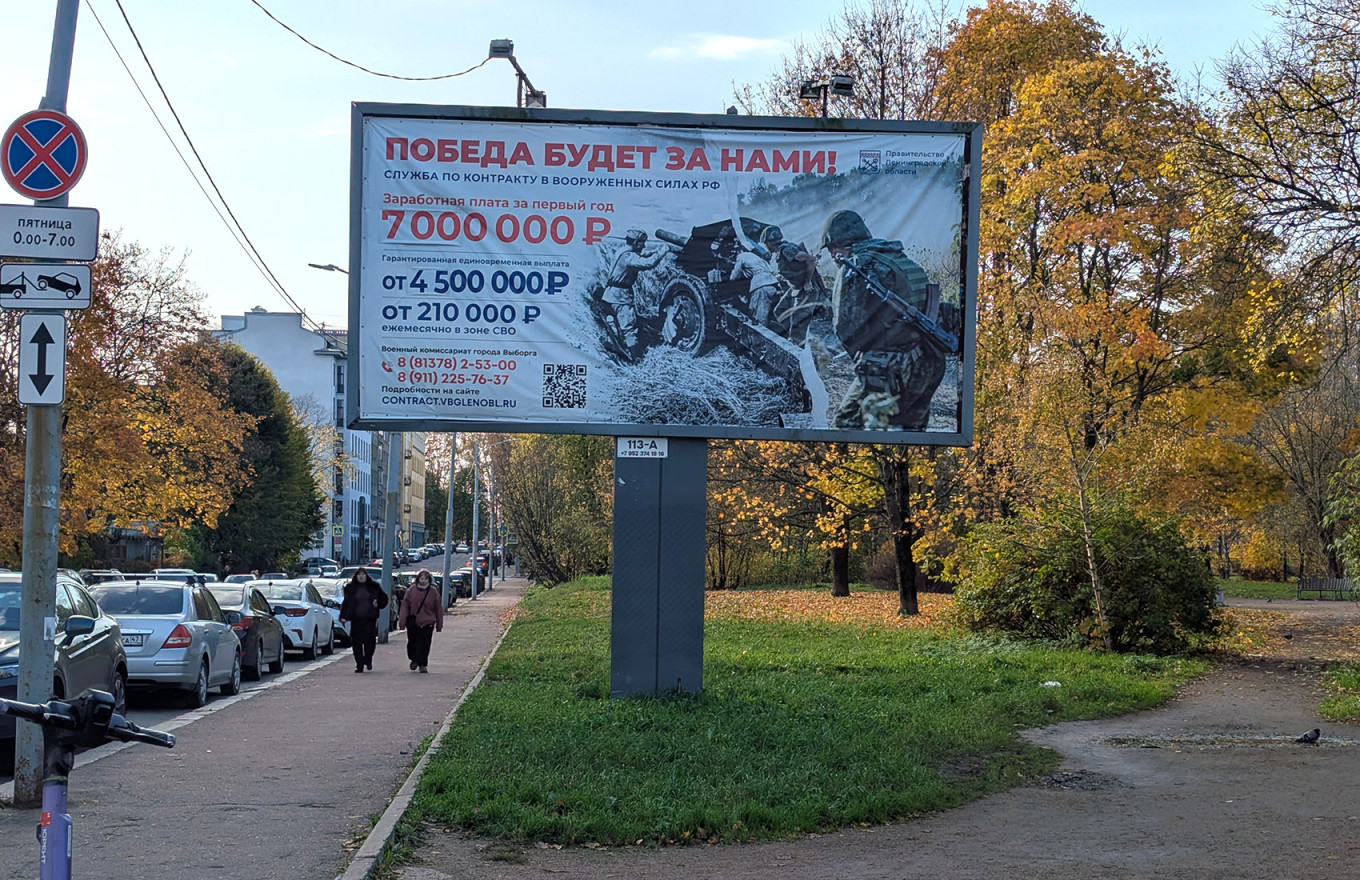
Just a few blocks from the train station, a military recruitment billboard greets visitors with images of Soviet soldiers from World War II alongside Russian troops fighting in Ukraine.
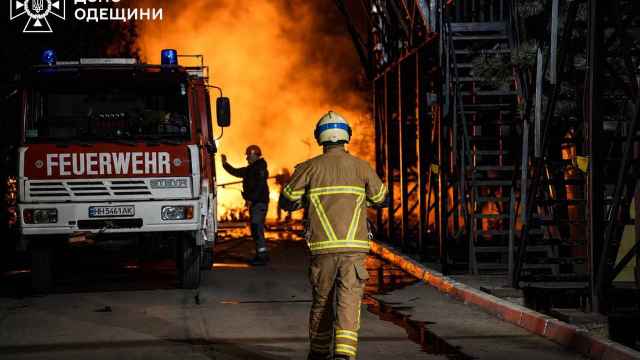
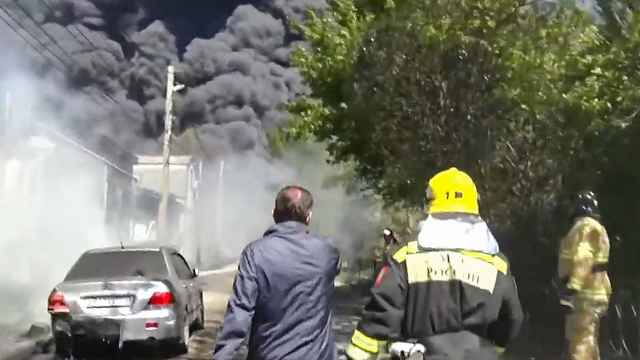
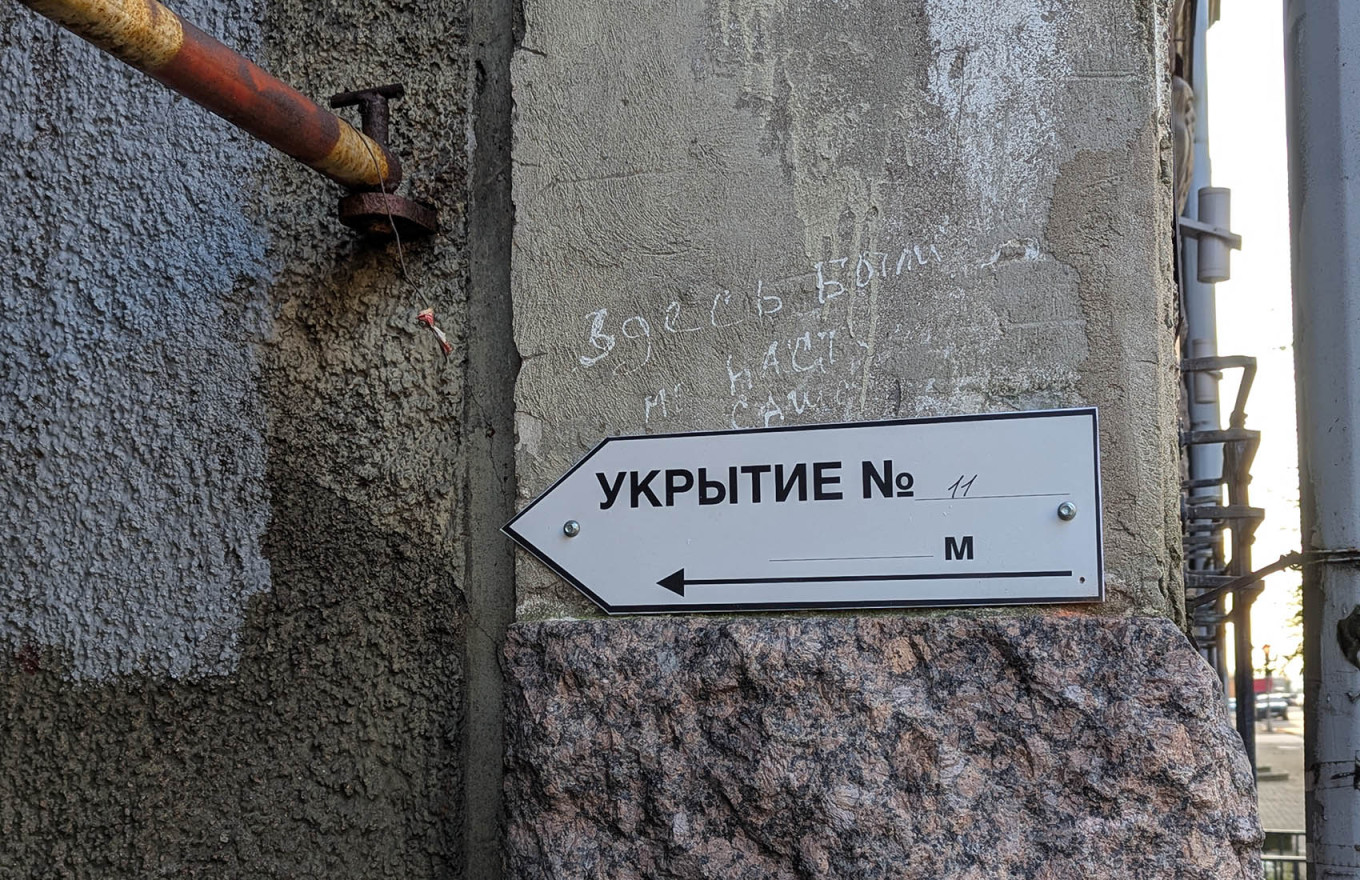
In March, Vyborg came under Ukrainian drone attack for the first time. The roof of a historic Finnish-era building and a patrol icebreaker being built for the Federal Security Service (FSB)'s Coast Guard were reportedly damaged in the attack.
“Lately, the mobile internet sometimes goes down during [drone] attacks. But otherwise, things are pretty normal,” said a young woman working as a barista at the Penka coffee shop.
Swedish, Finnish and Soviet heritage
Vyborg has repeatedly changed hands over the centuries. Founded by Swedish crusaders in 1293 as a fortress on the Gulf of Finland, it was captured by Peter the Great’s forces in 1710 during the Great Northern War.
In 1812, it became part of the Grand Duchy of Finland, an autonomous territory within the Russian Empire. When Finland declared independence in 1917, Vyborg, known in Finnish as Viipuri, stayed within its borders and became the country’s second-largest city after Helsinki.
Finland ceded Vyborg to the Soviet Union in 1940 after the Winter War, which began with a Soviet invasion the previous year.
Finnish troops retook it in 1941 as Finland fought alongside Nazi Germany against the Soviet Union, but Soviet forces captured the city again in 1944. Its Finnish population was evacuated and forced to abandon their homes for good.
The displacement bears resemblance to scenes in eastern Ukraine today, where advancing Russian forces have driven tens of thousands of people from their homes.
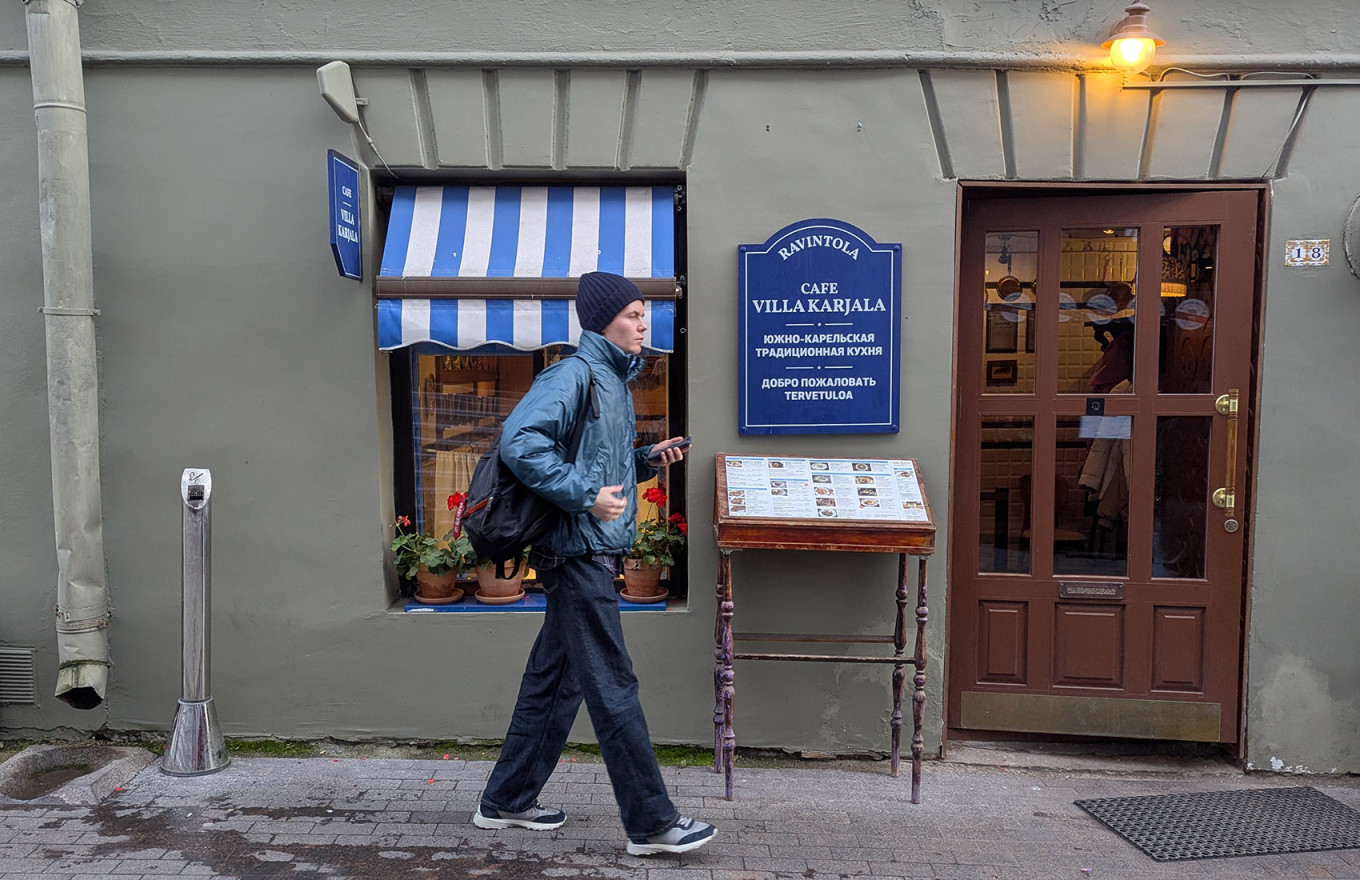
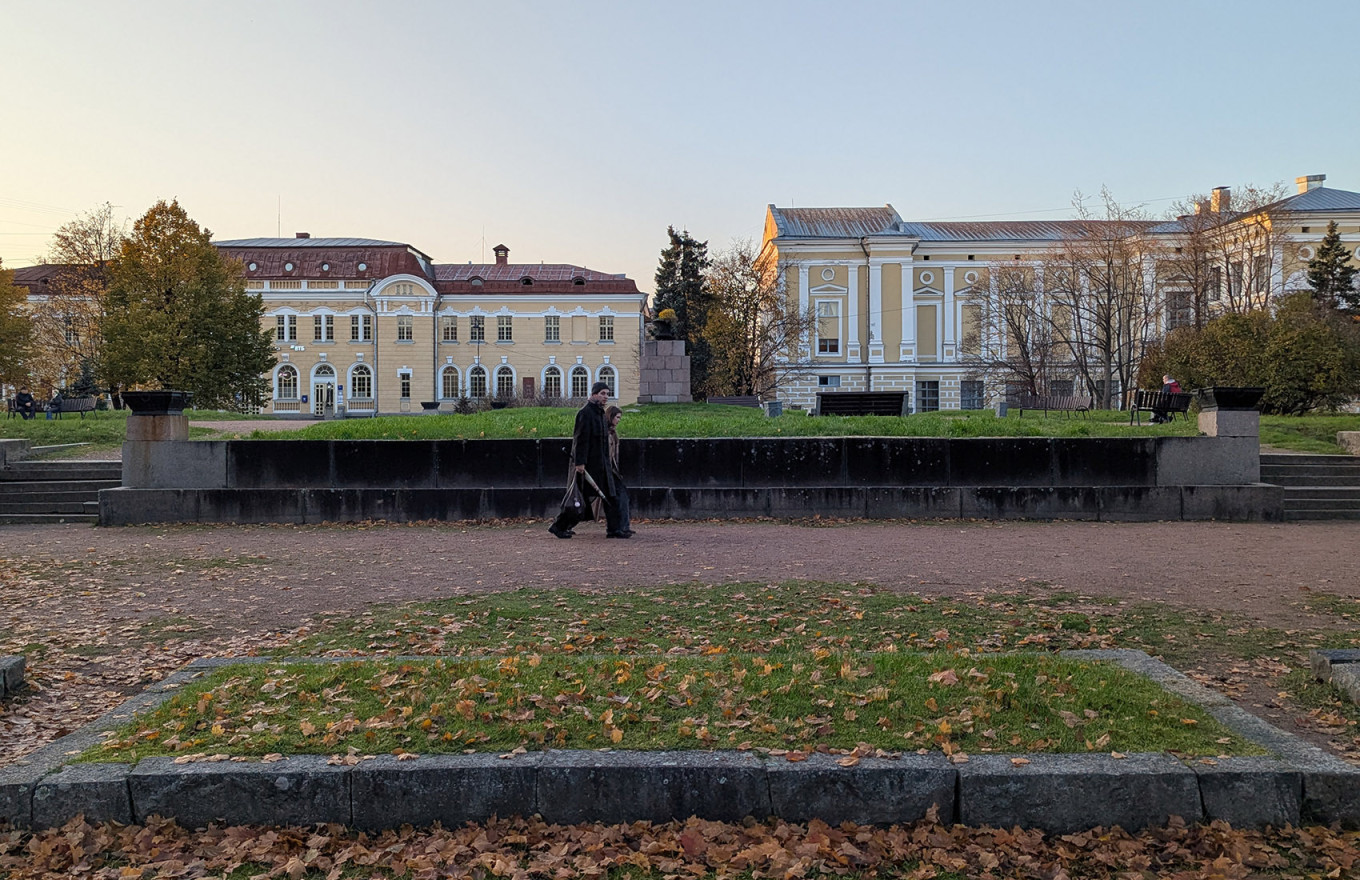
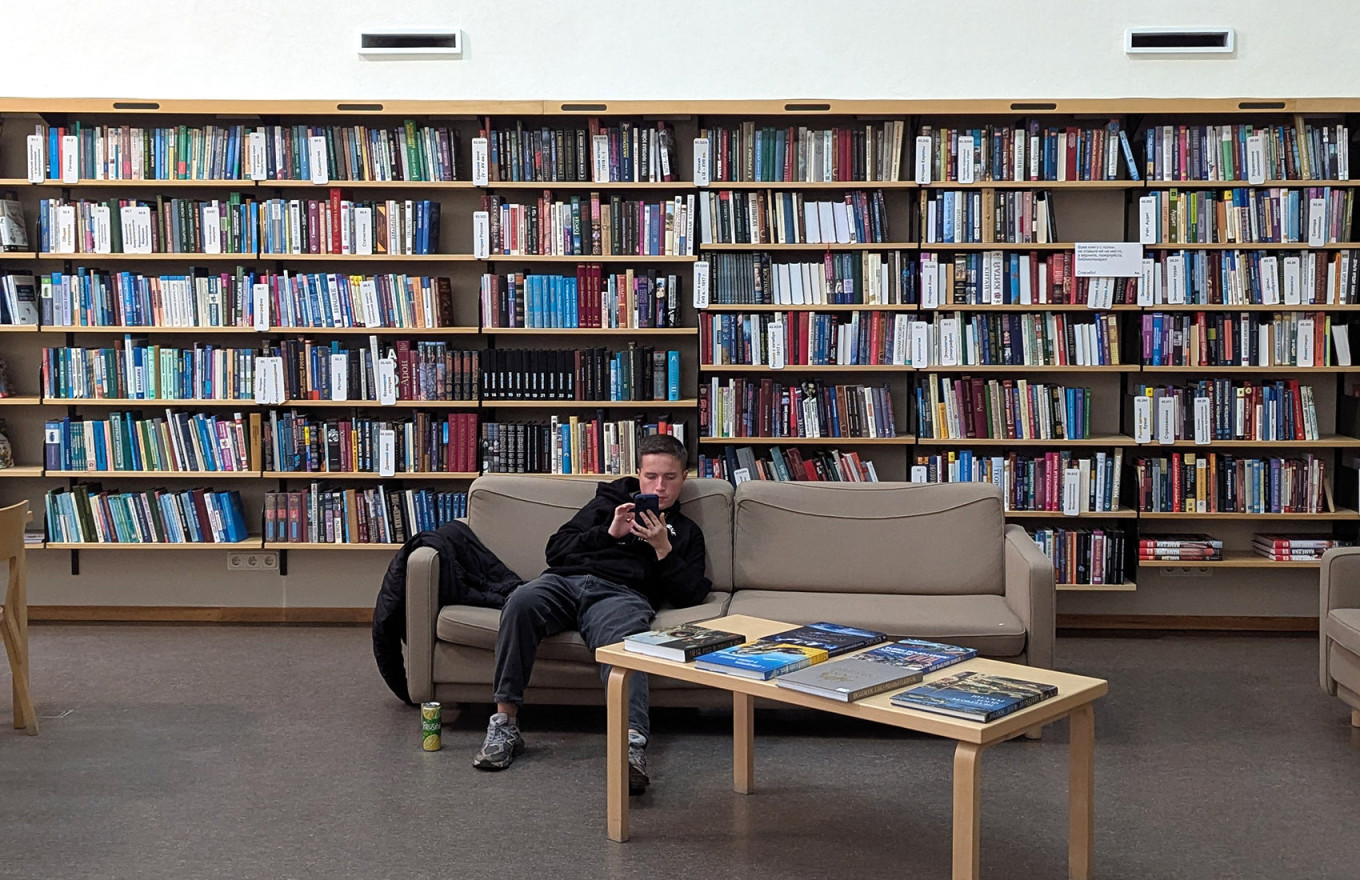
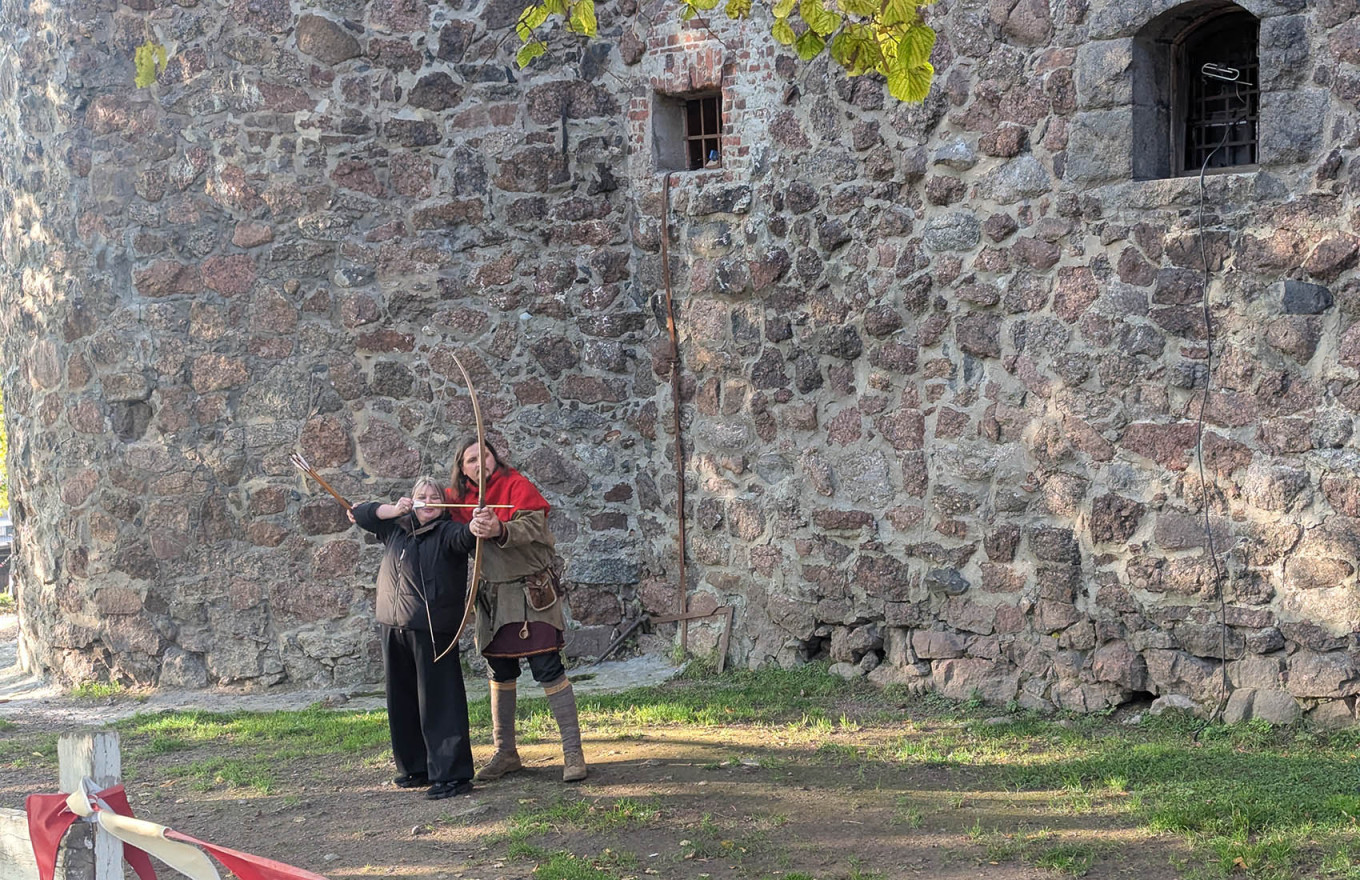
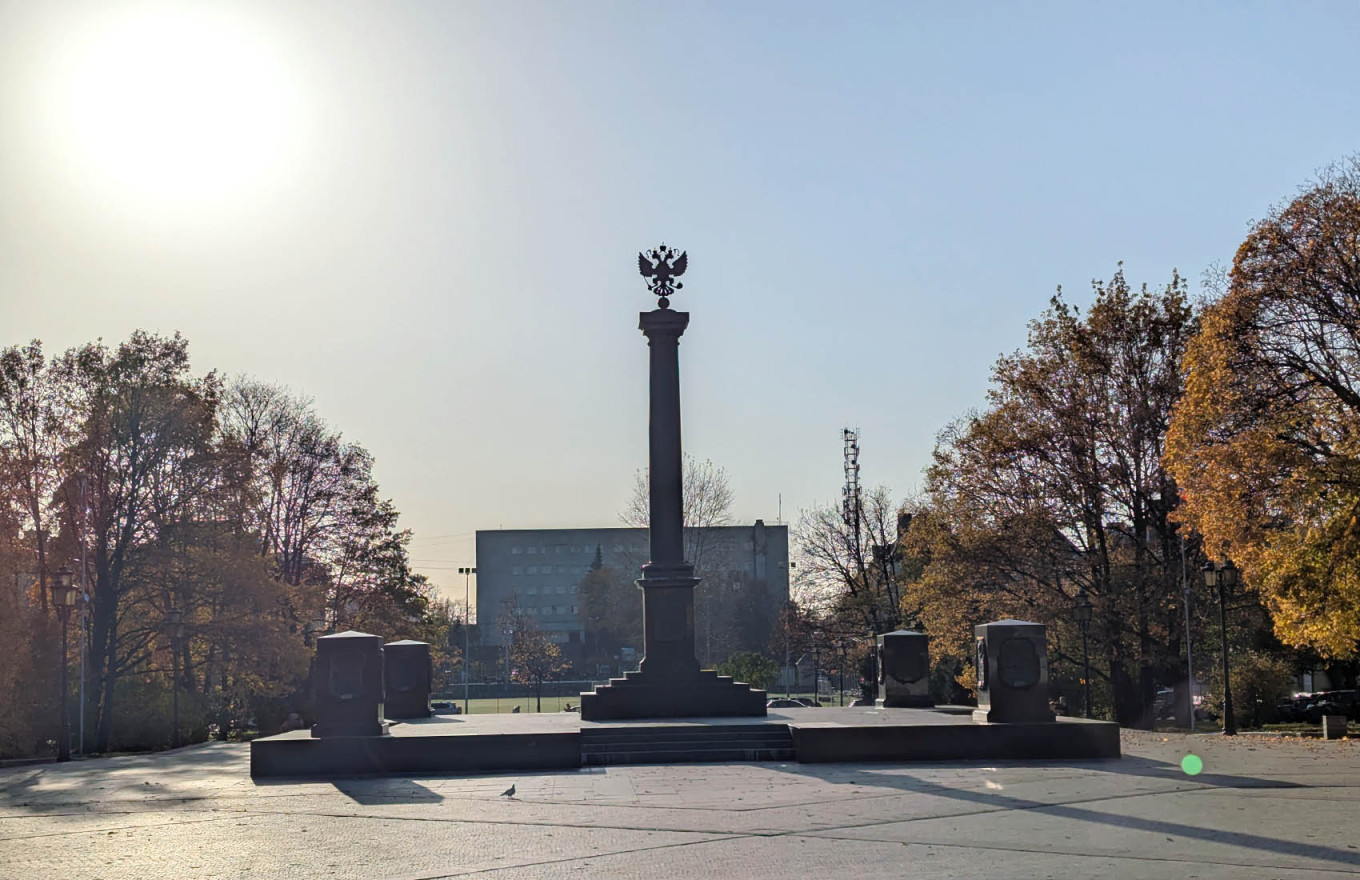
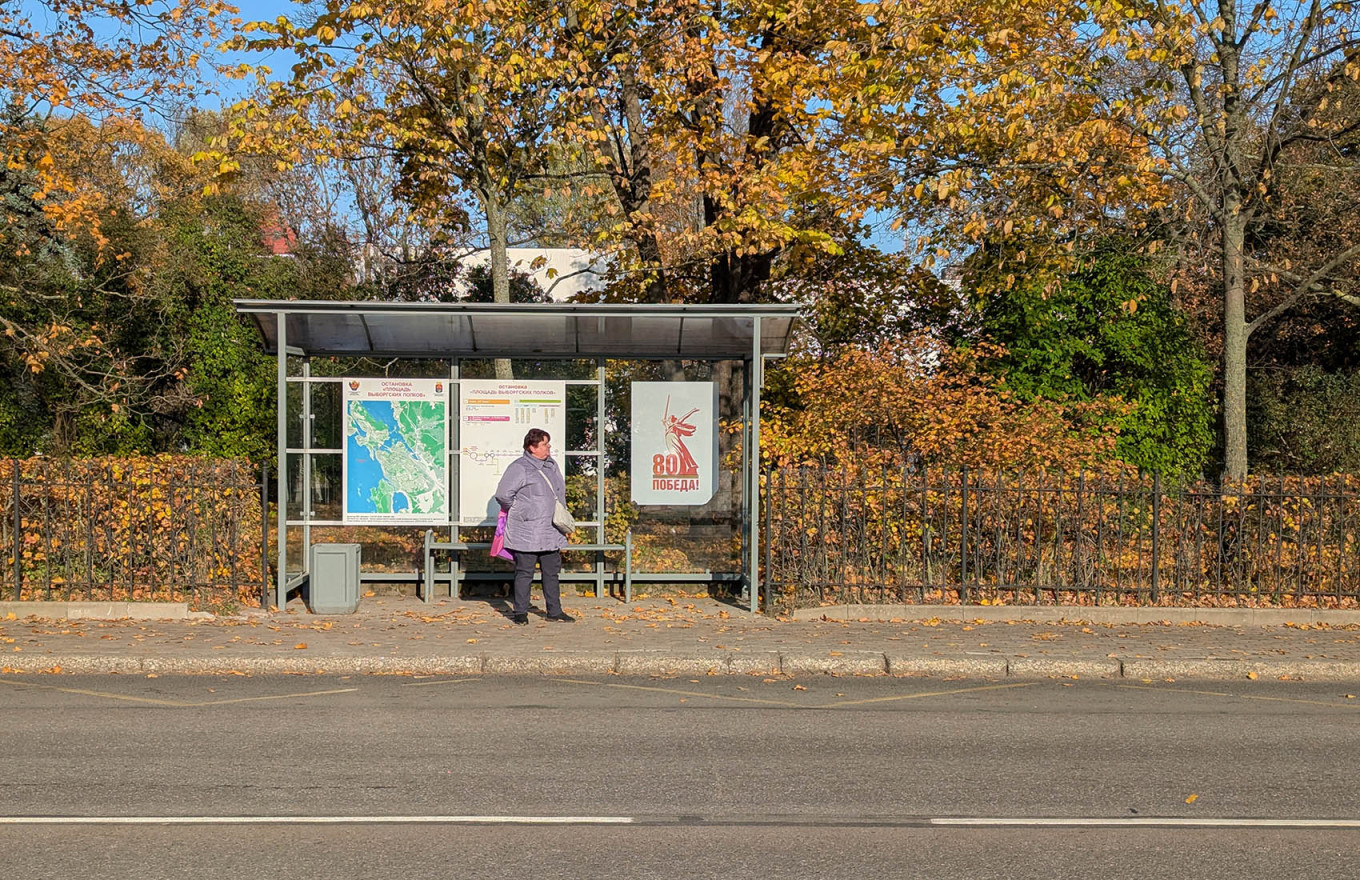
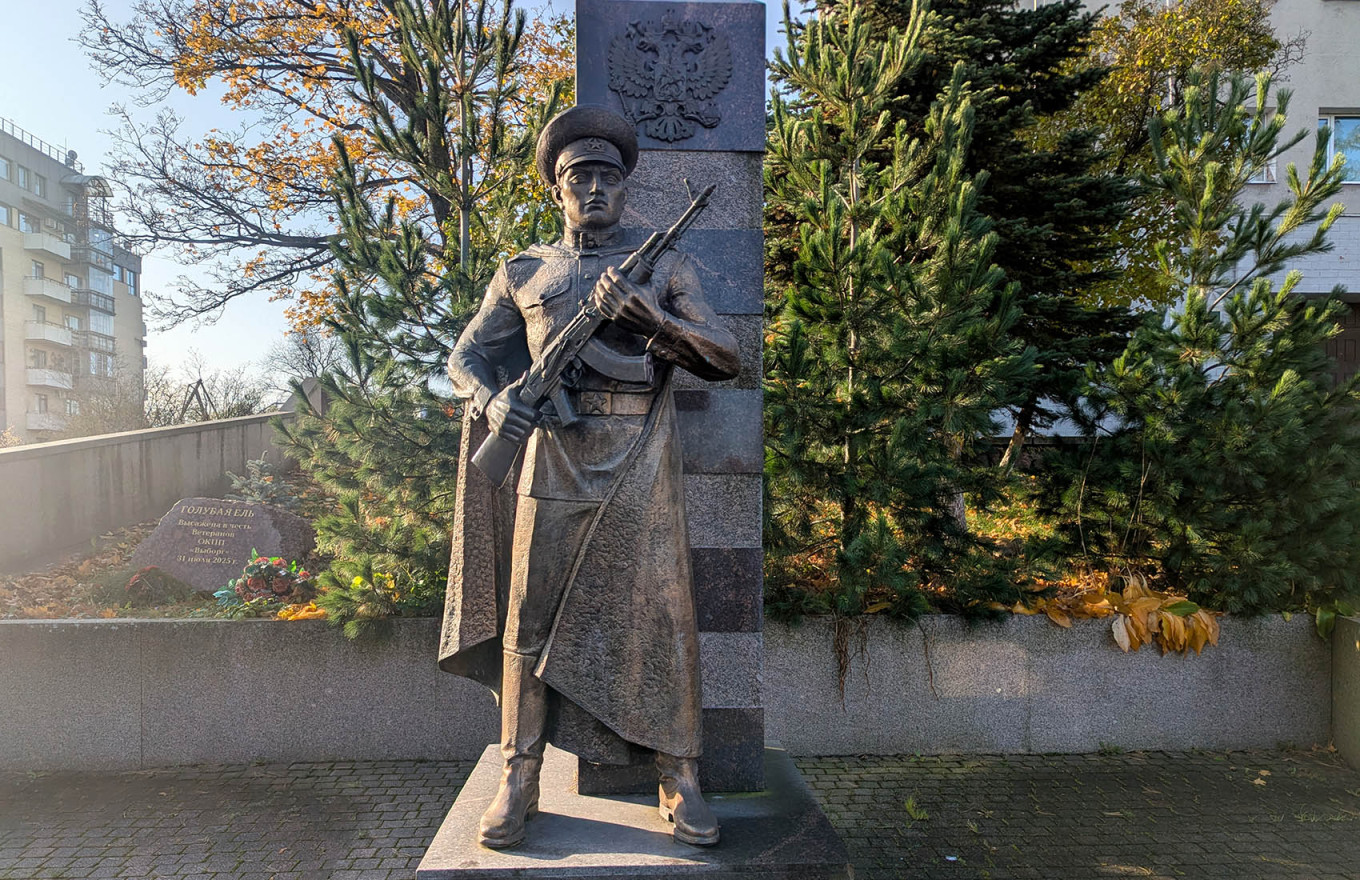
The Soviet invasion of Finland is often downplayed in Russia’s official historical narrative.
“When Finland … handed this city over to us,” a guide leading a group of schoolchildren said, pausing as she searched for the right word, “they took away many precious artifacts from the museums. Absolutely nothing was left here.”
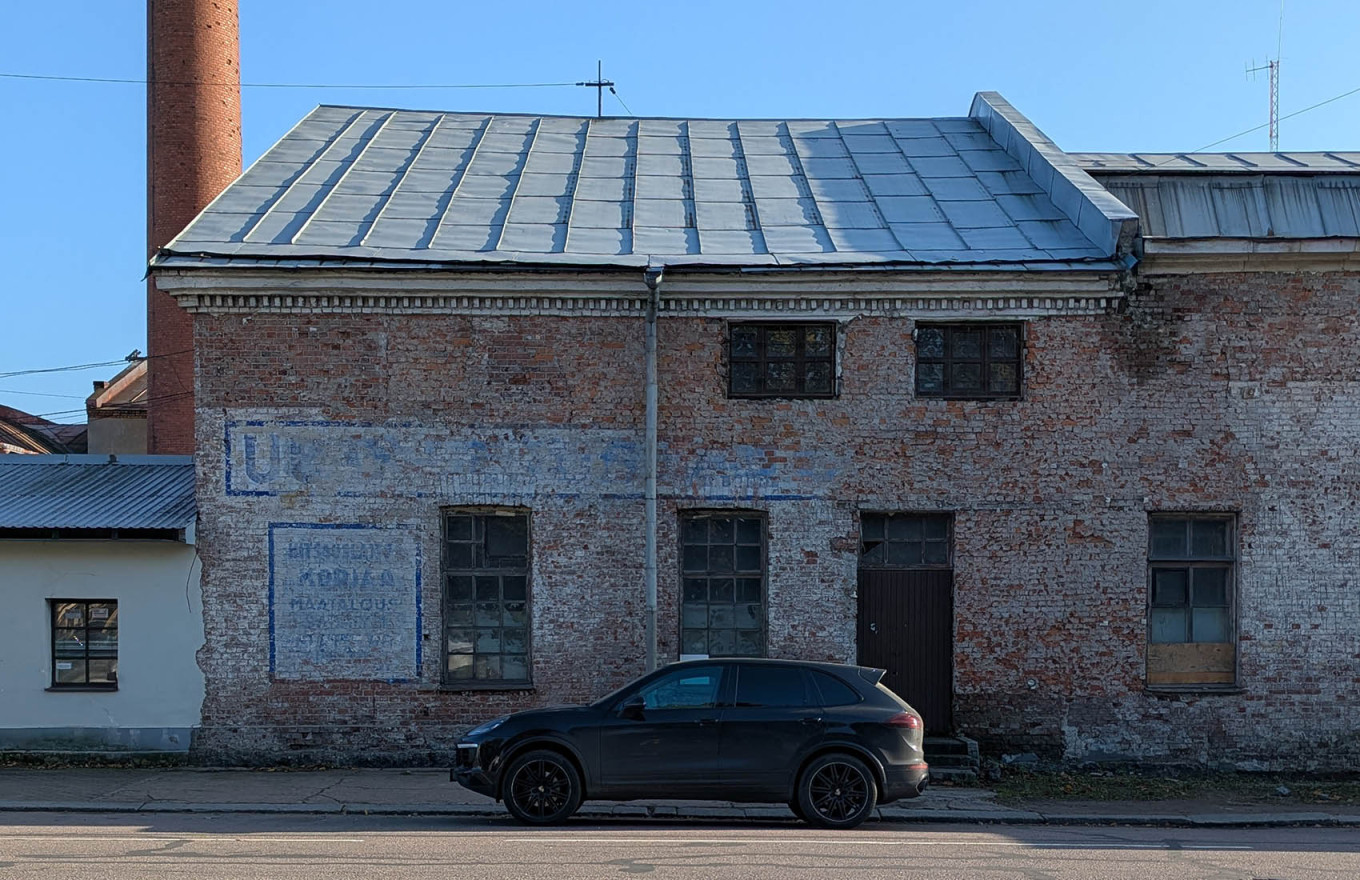
Traces of Vyborg’s Finnish past can still be found on its streets. A faded advertisement for the Finnish company Uuttaus Oy survives on the brick wall of an old factory.
The city’s library, designed by Finnish architect Alvar Aalto and a landmark of 1930s Nordic functionalism, was restored by Russian and Finnish specialists in a joint project completed in 2013. Its local history section contains many jointly published Russian-Finnish books.
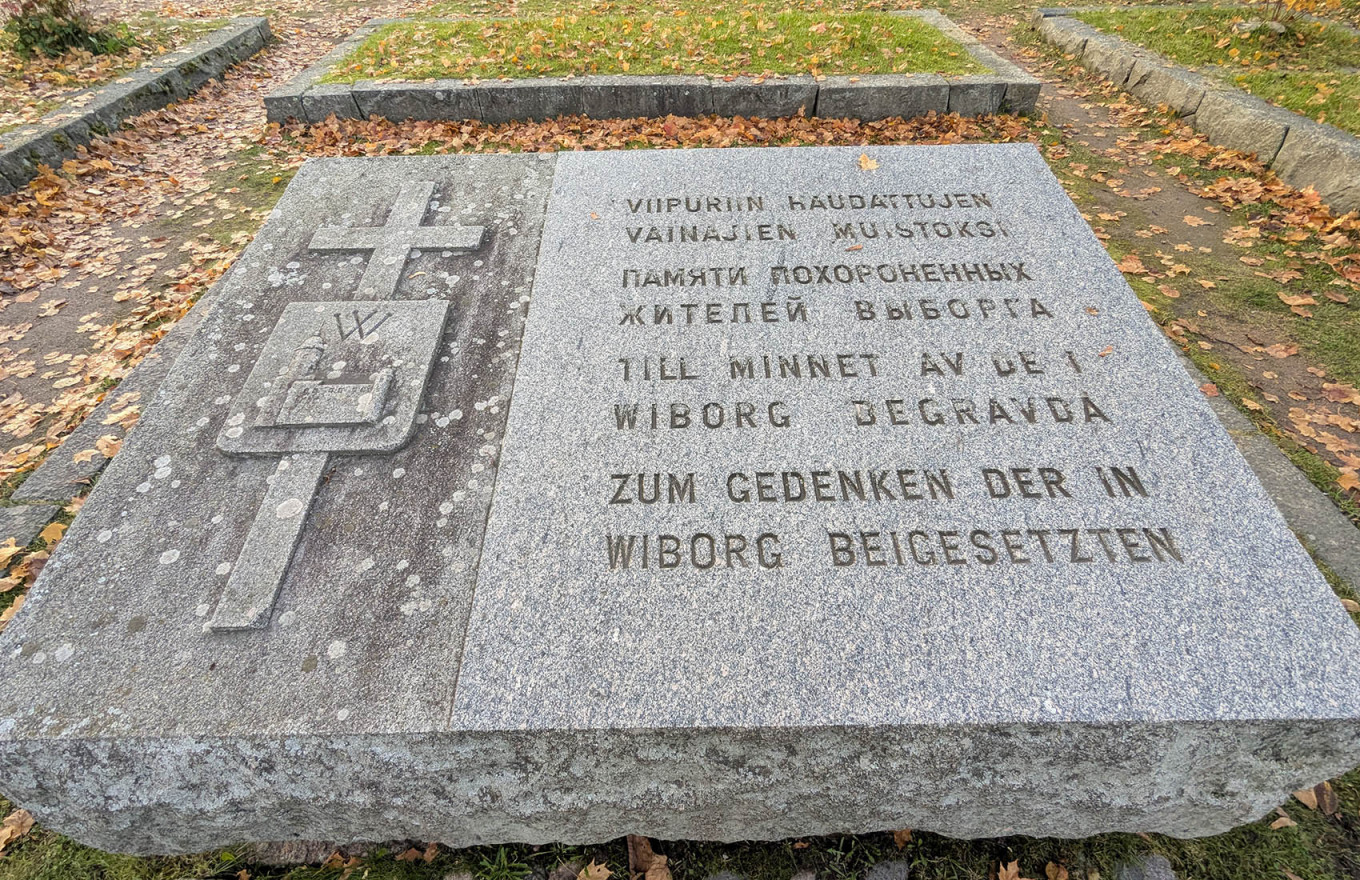
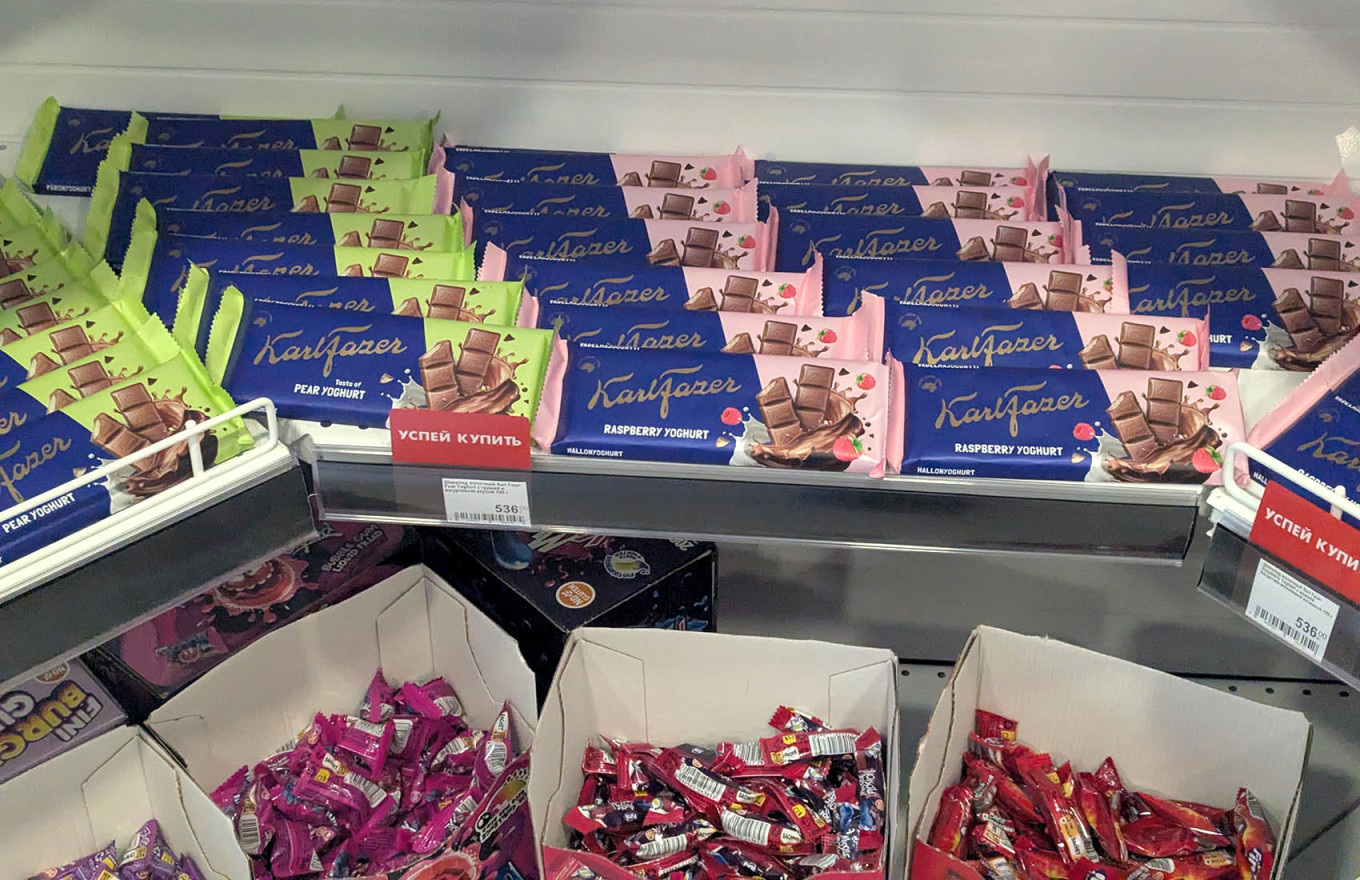
Finnish soldiers’ graves lie in an old cemetery, while some shops still sell Finnish products brought into Russia despite sanctions.
As recently as a few years ago, it wasn’t uncommon to hear people speaking Finnish on Vyborg’s narrow streets.
Tourist cruises from Lappeenranta, Finland, to Vyborg were popular, as Finns with Vyborg roots arrived to see their ancestors’ homeland. Many Finns would also drive across the border for cheaper gasoline than they could get at home.
“We used to go to Finland to buy fish and other goods on one-day bus tours from St. Petersburg,” said Anna, 26, who asked that her surname be withheld for safety reasons. “It wasn’t hard to get a visa before 2022. The Finns welcomed us warmly.”
“It was a different world, more open and friendly,” she said.
Maria, 23, also lamented the loss of these cross-border ties.
“There are a lot of Finnish-Russian families in Lappeenranta, just across the border. And there used to be so many cars with Finnish license plates in Vyborg itself,” she said, also withholding her surname.
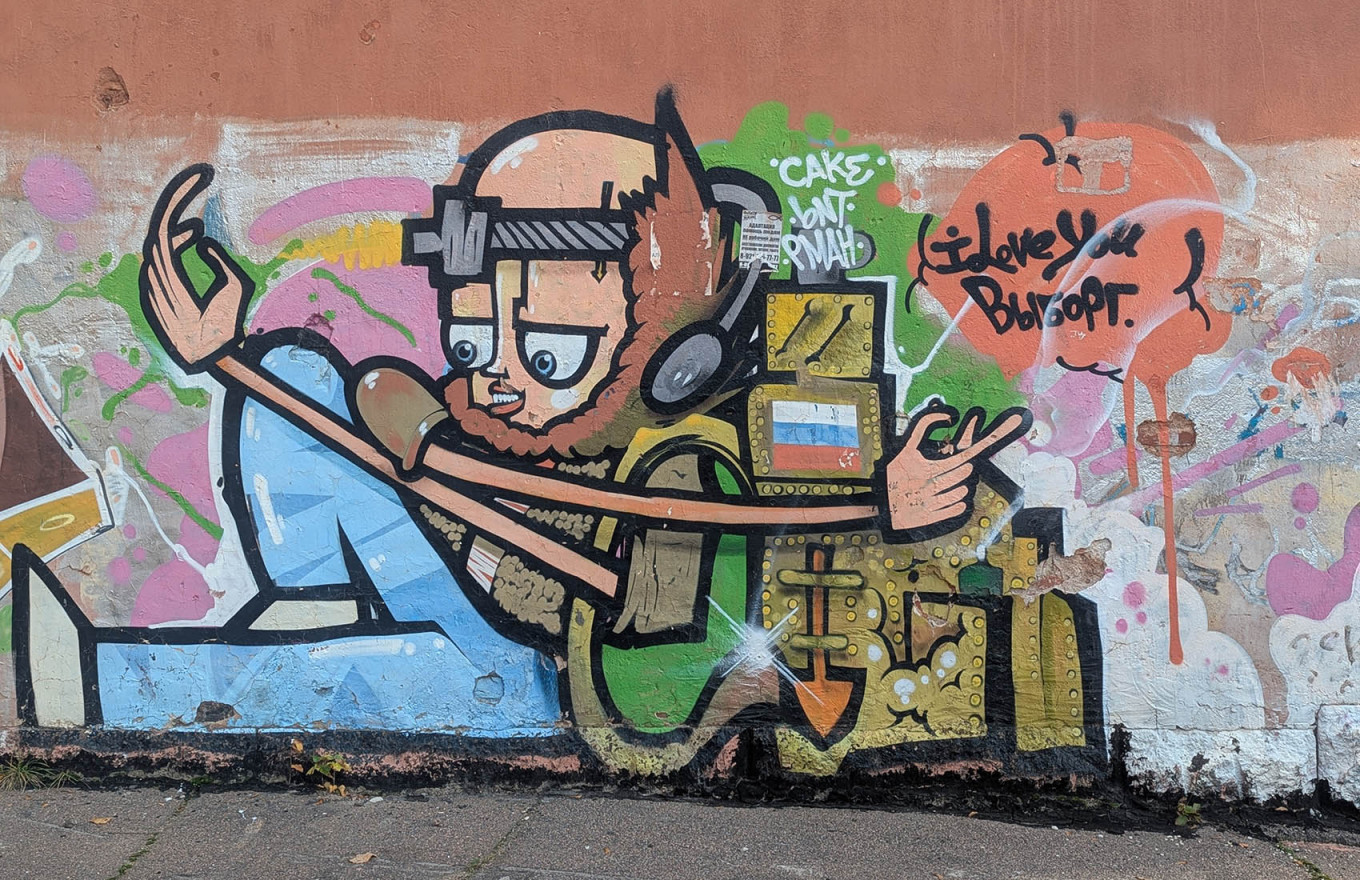
Maria’s parents bought a plot of land near Vyborg shortly before the full-scale invasion.
“Dad thought he’d be going to Finland to get croissants for Mom. Then the war started,” she said.
Today, Vyborg’s tourist crowd is overwhelmingly Russian. Chinese tourists arriving on day trips from St. Petersburg make up the bulk of the foreigners who do visit.
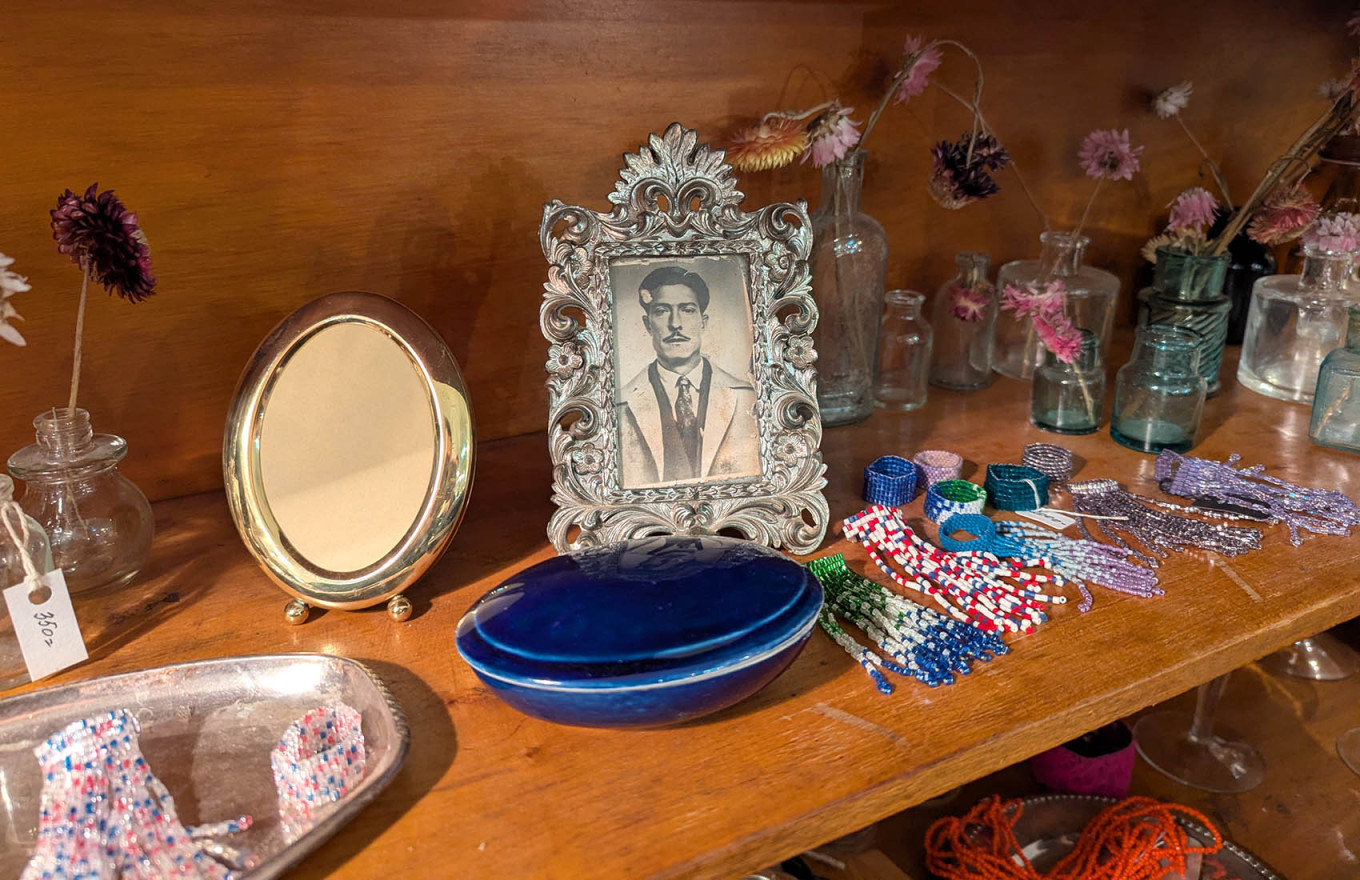
Still, some of the city’s Finnish connections remain. Anna said it’s still possible to find Finnish glassware, ceramics and other antiques in Vyborg.
This summer, she also encountered a Finnish man who was visiting to trace his family’s roots.
“He bought himself a beer, waited for the bus and headed off to look for his family home,” she said. “It was very sweet.”
These kinds of interactions have become increasingly rare as border closures and deteriorating relations have severed many connections between the two countries.
A border that divides
The full-scale invasion of Ukraine prompted Finland to join NATO in 2023, and Helsinki later closed its land borders with Russia over a surge in migrant arrivals that the Nordic country blamed on Moscow.
Restrictions on Russian tourists have further curtailed travel between the two countries.
Since then, tensions between the two countries have only escalated.
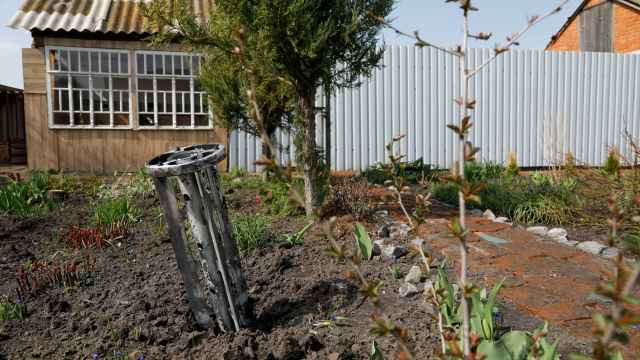
Four Ukrainian drones targeting Russia strayed off course and crashed in Finland in March and April. And in May, a drone alert temporarily halted flights at Helsinki Airport.
More than 5,000 troops from seven NATO countries took part in the Northern Star exercise in Finland’s Kainuu region that month, while Finland held its own Karelian Sword drills.
In September, Finland announced that it had finished constructing 200 kilometers (125 miles) of fencing along sections of its border with Russia.
Another security scare came this month, when Finnish authorities disclosed suspected intrusions at the homes of several members of parliament.
While the incidents prompted speculation about possible Russian intimidation of Finnish politicians who support military aid to Ukraine, authorities had not publicly identified those responsible or established a motive.
Despite the estrangement, Anna said she hopes the border will eventually become a place of exchange again.
“I believe that sooner or later relations will warm up, and we’ll start traveling to Finland again,” she said.
For Maria, the rupture is felt in the loss of ordinary family visits.
“We bought groceries and household appliances there. Everything was good quality. Mom also has a friend there who’s married to a Finn. But since the war started, we haven’t been able to go,” she said.
“Will I ever be able to go there again? That depends on one person whose last name starts with ‘P’,” she said.
A Message from The Moscow Times:
Dear readers,
We are facing unprecedented challenges. Russia's Prosecutor General's Office has designated The Moscow Times as an "undesirable" organization, criminalizing our work and putting our staff at risk of prosecution. This follows our earlier unjust labeling as a "foreign agent."
These actions are direct attempts to silence independent journalism in Russia. The authorities claim our work "discredits the decisions of the Russian leadership." We see things differently: we strive to provide accurate, unbiased reporting on Russia.
We, the journalists of The Moscow Times, refuse to be silenced. But to continue our work, we need your help.
Your support, no matter how small, makes a world of difference. If you can, please support us monthly starting from just $2. It's quick to set up, and every contribution makes a significant impact.
By supporting The Moscow Times, you're defending open, independent journalism in the face of repression. Thank you for standing with us.

Remind me later.