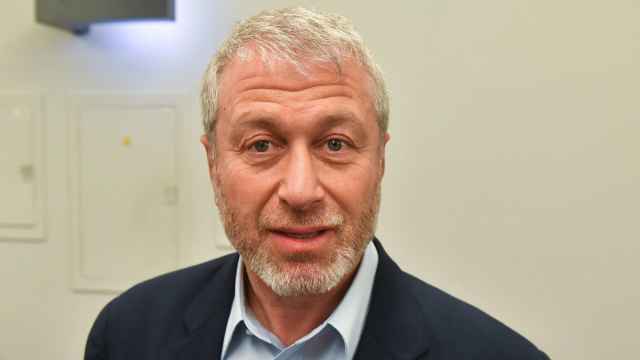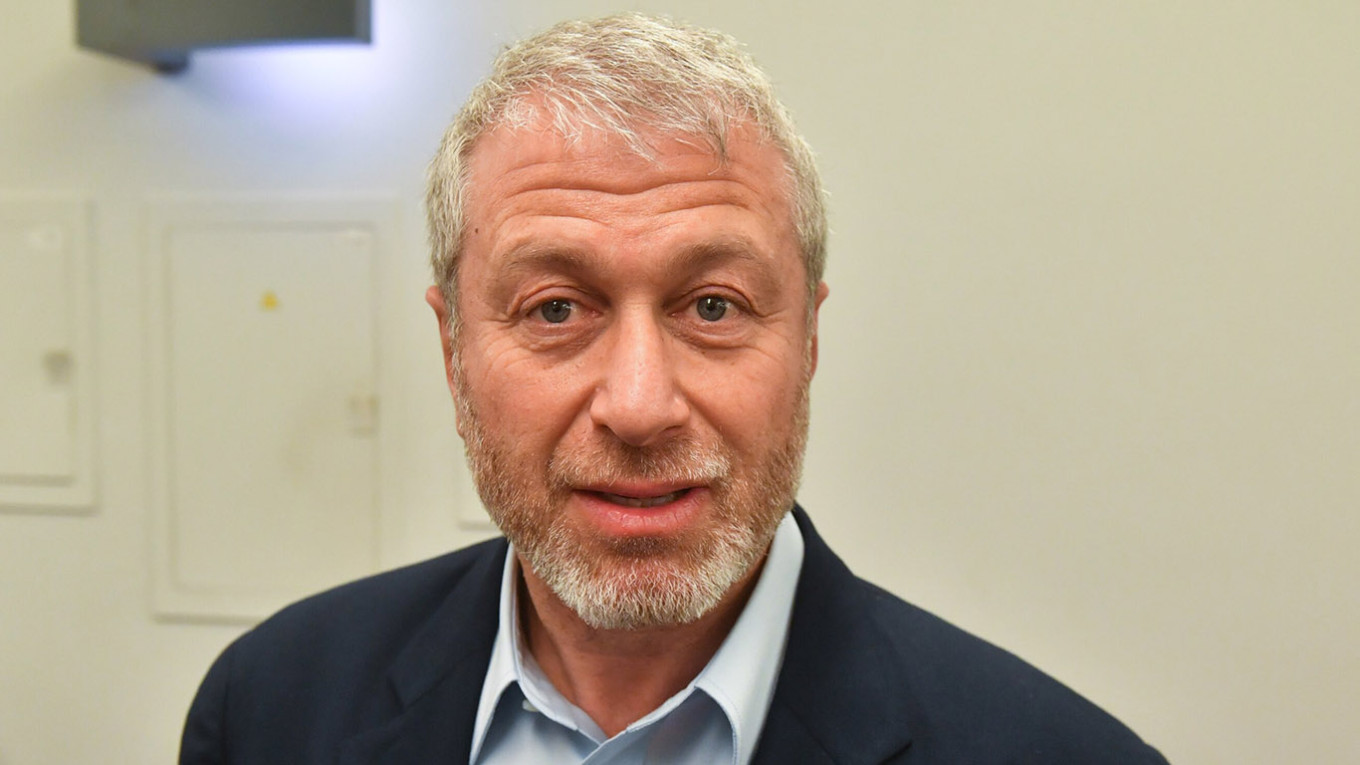
The European Union’s General Court on Wednesday rejected Russian billionaire Roman Abramovich’s latest attempt to overturn sanctions that freeze his assets and bar him from entering or traveling through the bloc.
Abramovich had challenged the EU Council’s decisions to renew the measures and sought damages. The court upheld the decisions and ruled that the criteria used to impose the sanctions were proportionate.
It was the third time the EU court had rejected a challenge from Abramovich, following rulings in December 2023 and September 2025.
Abramovich argued that he had been sanctioned because of his public profile. The court rejected that claim, saying the restrictions were based on his stakes in major Russian companies.
Abramovich is the majority shareholder in Evraz, one of Russia’s leading steel and mining groups. He also owns shares in Norilsk Nickel, a major producer of palladium and nickel. The court said both companies operate in sectors that provide substantial revenue to the Russian government.
British authorities have linked Evraz to Russia’s military-industrial complex since Moscow invaded Ukraine. When sanctioning Abramovich in March 2022, Britain said the company could have supplied steel to the Russian military for use in tank production.
Britain sanctioned Evraz itself in May 2022, saying the company produced 28% of Russia’s railway wheels and 97% of its rails. It said Russia used rail infrastructure to transport troops and military supplies to the front.
The Organized Crime and Corruption Reporting Project reported in 2022 that an Evraz subsidiary had supplied $1.4 million worth of steel to Russian tank manufacturer Uralvagonzavod under a 2018 contract.
Evraz has denied supplying products to the Russian military.
The total value of Abramovich’s assets frozen in the EU has not been disclosed. Forbes estimated that France had frozen $340 million worth of his property on the French Riviera and the Caribbean island of St. Barts. Portuguese authorities have also frozen a villa belonging to him in the Algarve valued at about 10 million euros.
This article was translated with the help of artificial intelligence and was reviewed by a Moscow Times editor before publication. Learn more about our newsroom's AI policy here.
Read this article in Russian at The Moscow Times' Russian service.
A Message from The Moscow Times:
Dear readers,
We are facing unprecedented challenges. Russia's Prosecutor General's Office has designated The Moscow Times as an "undesirable" organization, criminalizing our work and putting our staff at risk of prosecution. This follows our earlier unjust labeling as a "foreign agent."
These actions are direct attempts to silence independent journalism in Russia. The authorities claim our work "discredits the decisions of the Russian leadership." We see things differently: we strive to provide accurate, unbiased reporting on Russia.
We, the journalists of The Moscow Times, refuse to be silenced. But to continue our work, we need your help.
Your support, no matter how small, makes a world of difference. If you can, please support us monthly starting from just $2. It's quick to set up, and every contribution makes a significant impact.
By supporting The Moscow Times, you're defending open, independent journalism in the face of repression. Thank you for standing with us.

Remind me later.