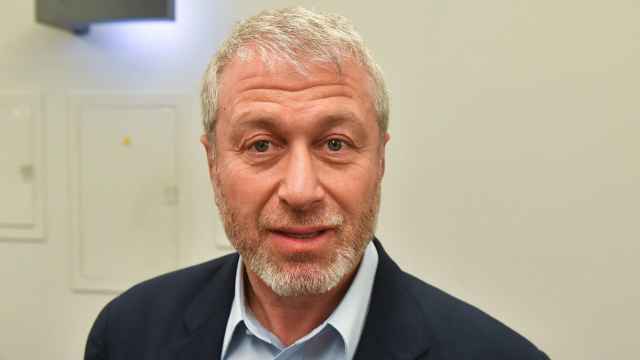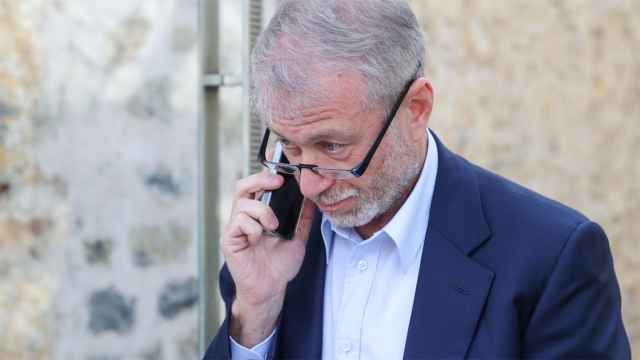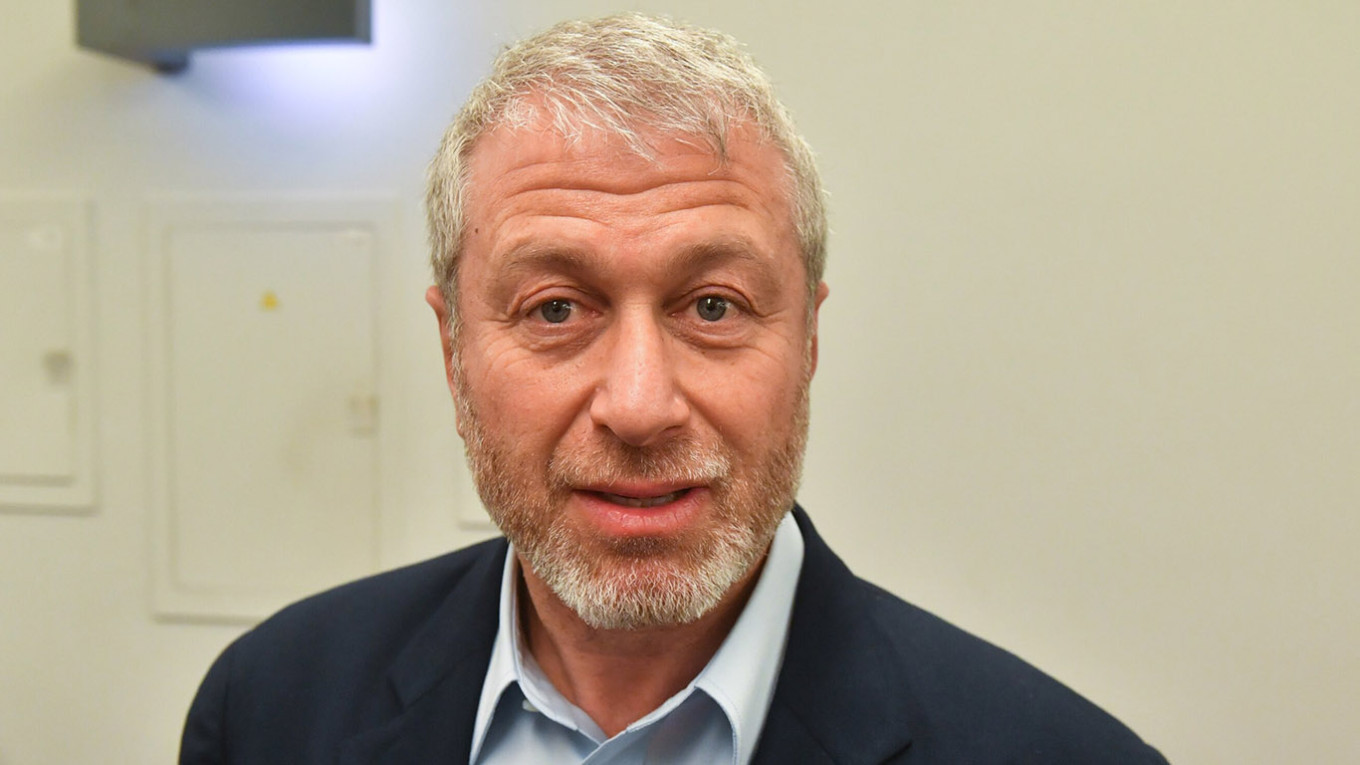
Aides to Russian billionaire Roman Abramovich, including employees of accounting firm Deloitte Cyprus, allegedly backdated more than 1,000 documents to conceal assets and help his businesses avoid taxes, according to an investigation published Monday.
The Guardian and the Bureau of Investigative Journalism examined corporate records from the Cyprus Confidential leak, a collection of more than 500,000 documents that includes internal correspondence.
The investigation describes an alleged scheme spanning at least 1999 to 2013, in which documents for more than 100 companies linked to Abramovich were backdated, sometimes by as much as five years. Deloitte Cyprus signed off on financial statements based on those records, the report said.
Abramovich and his longtime aide Eugene Tenenbaum deny wrongdoing.
The investigation identified Tenenbaum and Demetris Ioannides, the former chairman of Deloitte Cyprus, as central figures in the alleged arrangements. Ioannides later founded Meritservus, which served as Abramovich’s main financial adviser for nearly two decades.
One case involved Kravin Investments, a Cyprus-registered company that received about $3 billion from the sale of shares in Russian oil producer Sibneft in May 2003 and retained roughly $2 billion.
The money generated interest that should have been subject to tax in Cyprus, according to the investigation.
In correspondence from 2005, Ioannides said Kravin’s financial statements for 2003 and 2004 needed to be amended. Documents were subsequently produced showing that Kravin was merely holding the money on behalf of Kelvedon Worldwide, a company registered in the British Virgin Islands.
Those documents were dated 2003 despite having been created at least two years later, the investigation said. The arrangement removed the $2 billion from Kravin’s balance sheet, along with the associated tax liability.
Another case concerned the transfer of $98 million out of Cyprus-based companies holding Sibneft shares in 2000.
Backdated consultancy agreements purported to show that an intermediary had earned the money by advising on share purchases and would pass 99.9% of it to Abramovich as an agency commission, the report said. The share transactions had taken place a year earlier.
The leaked records included 50 promissory notes, with repayment applications bearing Abramovich’s signature.
The journalists also examined records relating to about $650 million in property and luxury assets, including the Fyning Hill estate in England’s West Sussex, a London penthouse, a French chateau, aircraft, helicopters, yachts and cars.
Those assets disappeared from the accounts of Cyprus-based Amiscan Investments after documents were produced suggesting they had been transferred to another company in early 2003, according to the investigation.
The report also raised questions about evidence presented during a 2008 legal dispute involving Abramovich and his former Sibneft-Yugra business partner, Shalva Chigirinsky.
Tenenbaum told the High Court of England and Wales that he had not known the details of the disputed transactions before spring 2004. The leaked correspondence, however, indicated that he had approved agreements in 2003, including the transfer of Sibneft-Yugra shares to an Abramovich-owned company, the investigation said.
Some documents submitted to support Abramovich’s position also appeared to have been backdated, according to the report. The court ultimately declined to hear the merits of Chigirinsky’s claim, which exceeded $5 billion.
Deloitte Cyprus said it complied with applicable laws and could no longer access the decades-old correspondence.
This article was translated with the help of artificial intelligence and was reviewed by a Moscow Times editor before publication. Learn more about our newsroom's AI policy here.
Read this article in Russian at The Moscow Times' Russian service.
A Message from The Moscow Times:
Dear readers,
We are facing unprecedented challenges. Russia's Prosecutor General's Office has designated The Moscow Times as an "undesirable" organization, criminalizing our work and putting our staff at risk of prosecution. This follows our earlier unjust labeling as a "foreign agent."
These actions are direct attempts to silence independent journalism in Russia. The authorities claim our work "discredits the decisions of the Russian leadership." We see things differently: we strive to provide accurate, unbiased reporting on Russia.
We, the journalists of The Moscow Times, refuse to be silenced. But to continue our work, we need your help.
Your support, no matter how small, makes a world of difference. If you can, please support us monthly starting from just $2. It's quick to set up, and every contribution makes a significant impact.
By supporting The Moscow Times, you're defending open, independent journalism in the face of repression. Thank you for standing with us.

Remind me later.