
For decades, Memorial has worked to safeguard the memory of the victims of Soviet repression and defended people facing political persecution in modern Russia.
Today, one of the country’s oldest human rights and historical research organizations, which was awarded the 2022 Nobel Peace Prize, operates from exile.
Following a court ruling that labeled the organization as “extremist” this year, the group was forced to cease its operations in Russia to protect its activists.
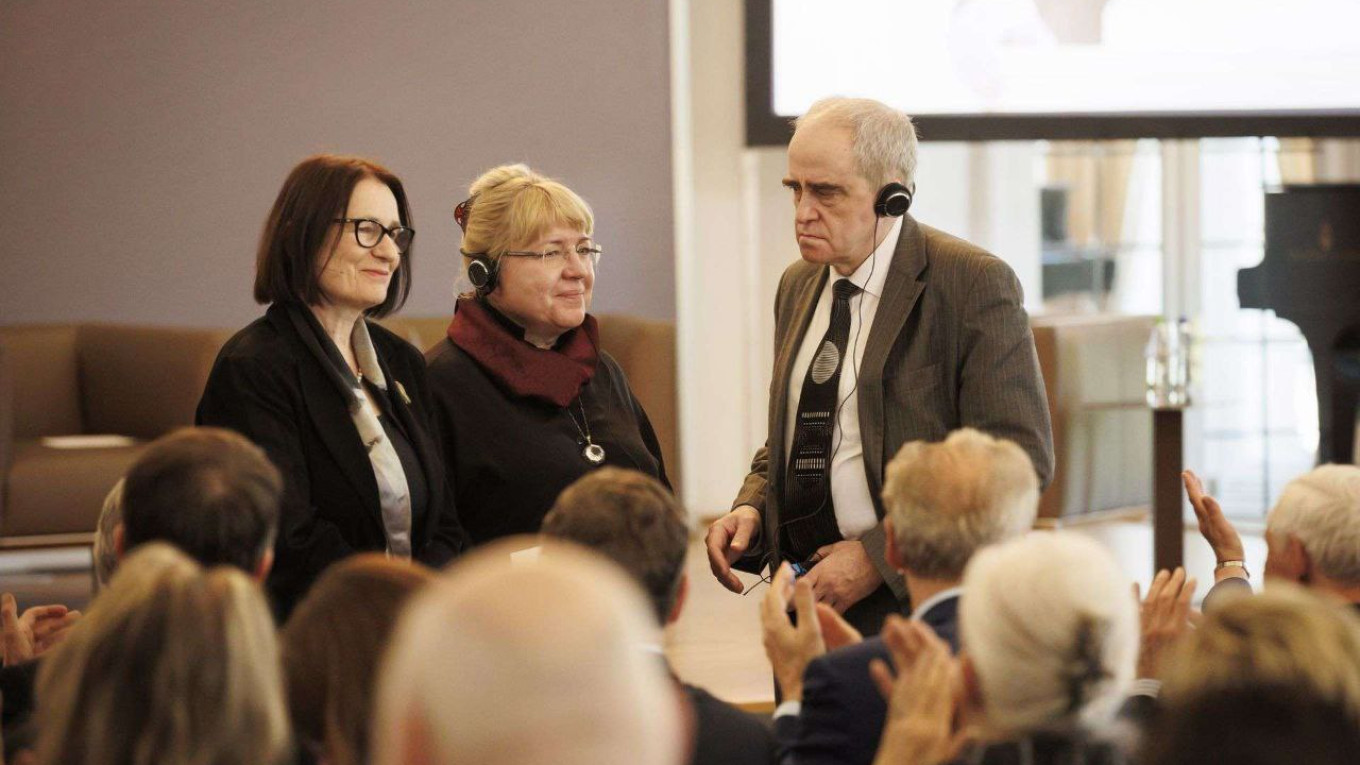
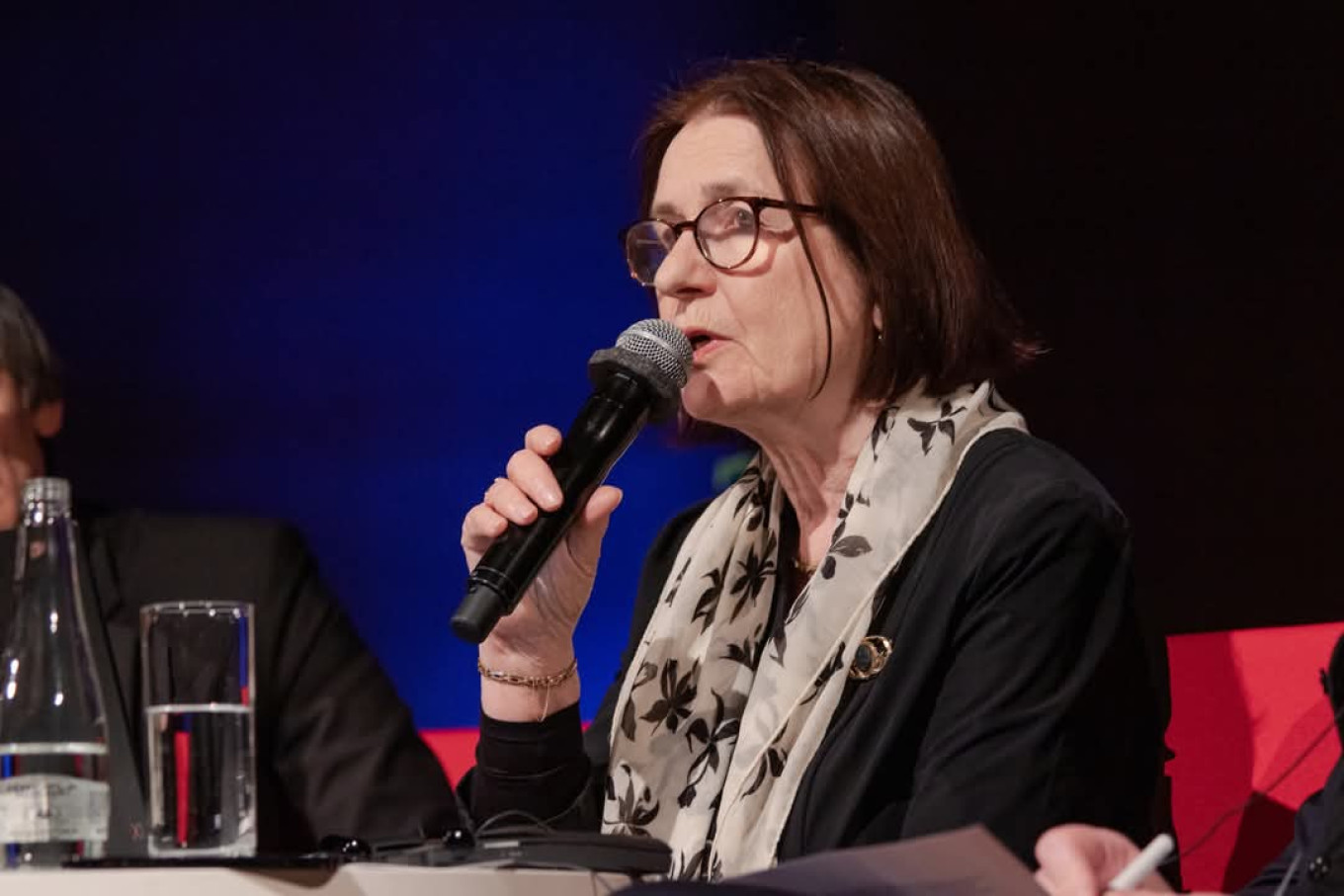
But the work of preserving the memory of those persecuted has not stopped and Memorial’s historical and archival projects continue from abroad, said Irina Shcherbakova, chair of the board of the Berlin-based Zukunft-Memorial and one of Memorial’s founders.
“Our work is about every human life. Every person has value, every person matters. Every person has his experience and his biography,” Shcherbakova told The Moscow Times.
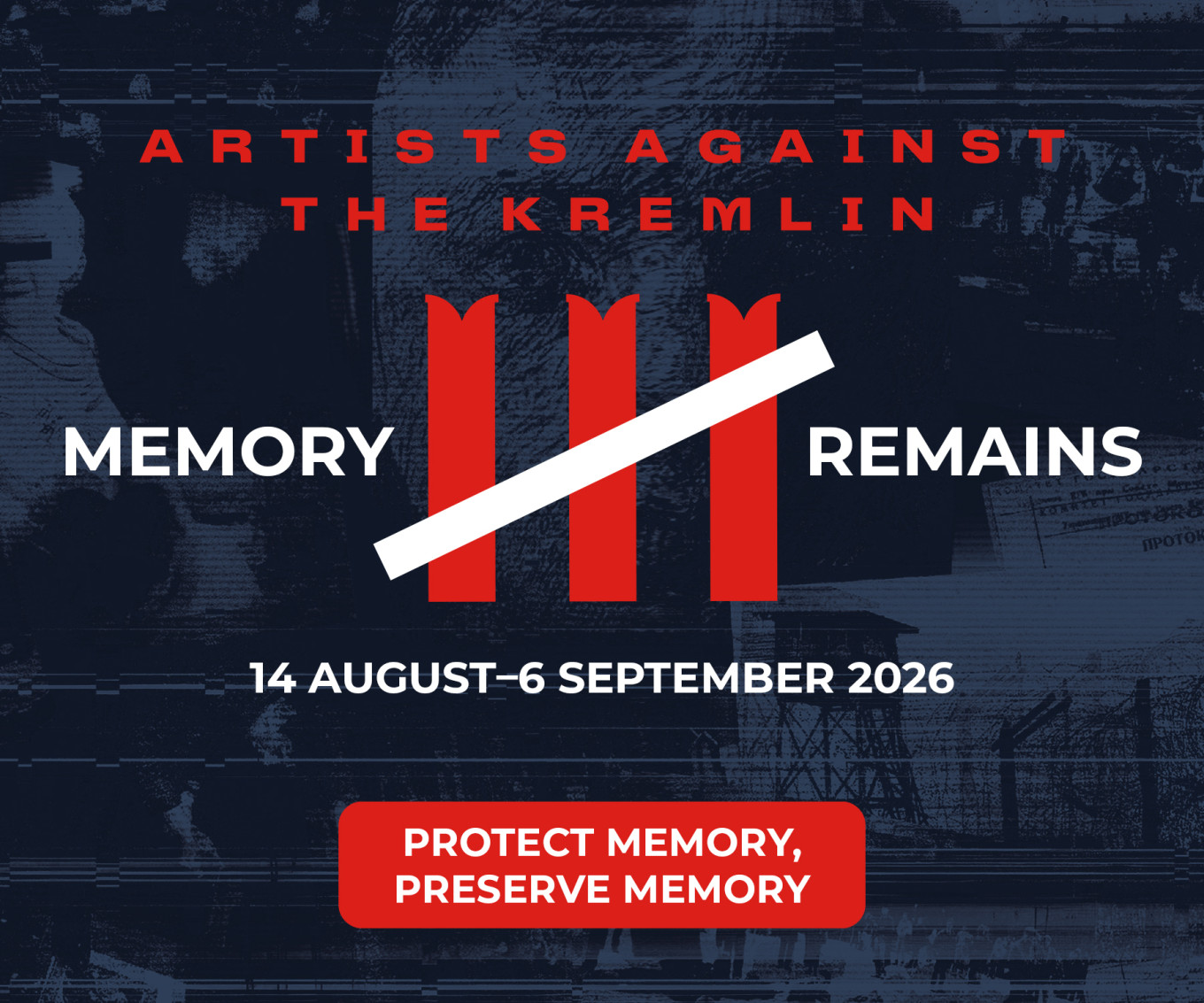
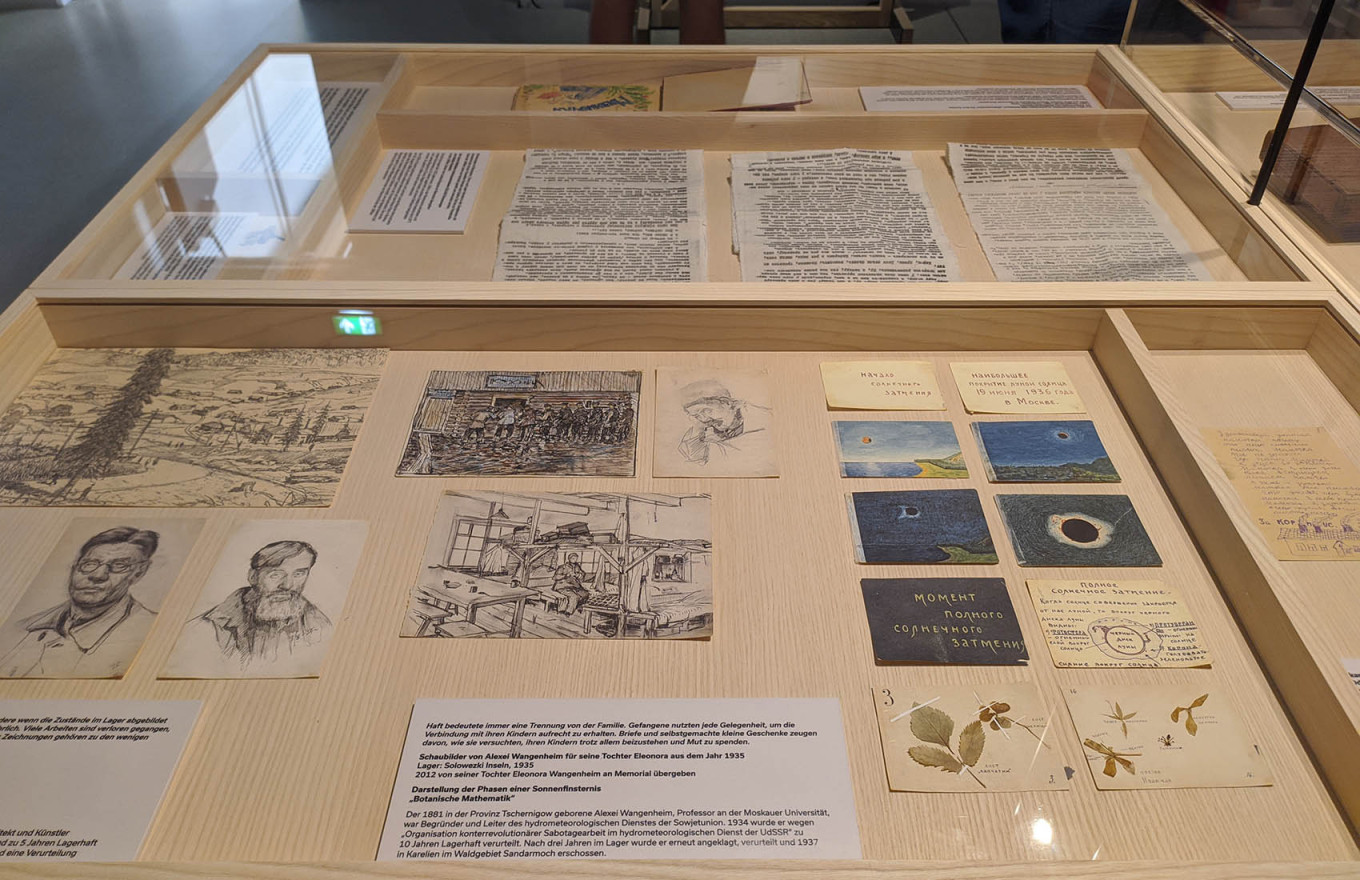
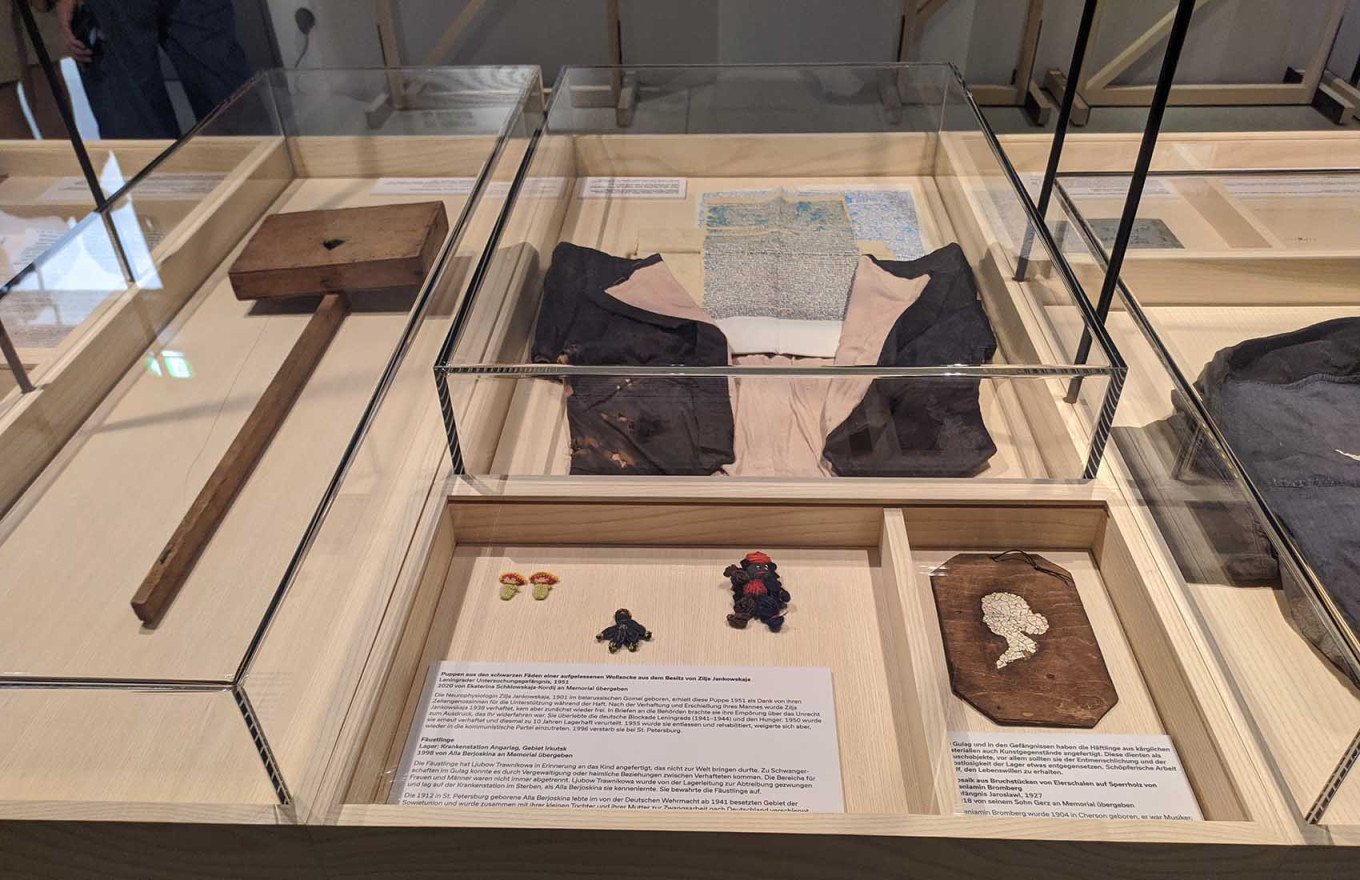
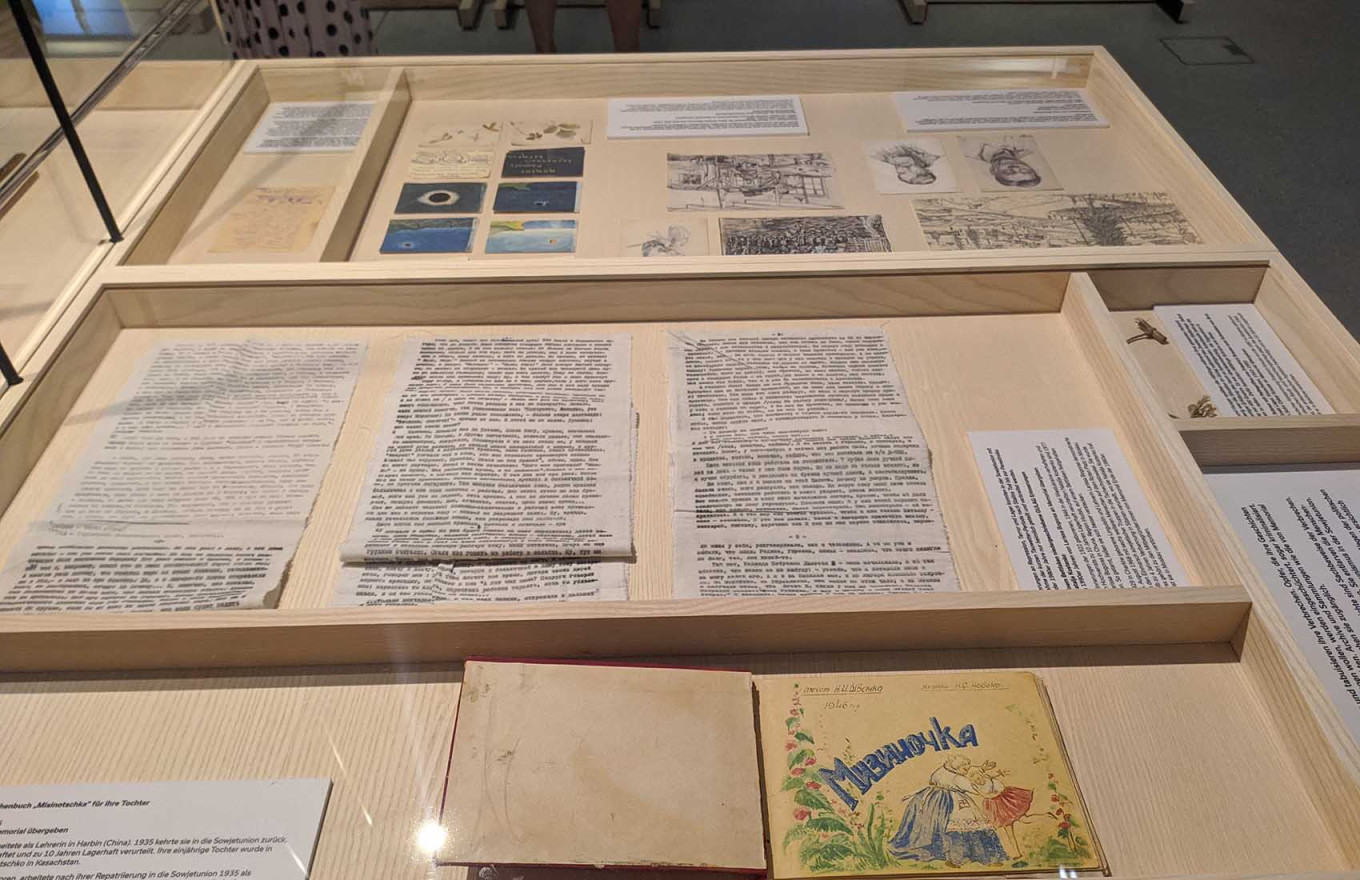
Memorial’s exhibition The Other Russia, which explores 35 years of the organization’s archival research and documentation of state violence and resistance, will be displayed during this year’s Artists Against the Kremlin exhibition, Memory Remains, from Aug. 14 to Sept. 6 at De Balie in Amsterdam.
Athough the crackdown on Memorial made its work extraordinarily difficult, “because this is about history — about its being trampled on, completely distorted and destroyed — we have to do everything on our side to make sure that this does not happen,” Shcherbakova said.
Russia’s campaign against Memorial intensified in the years before its full-scale invasion of Ukraine which prompted a major crackdown on human rights organizations.
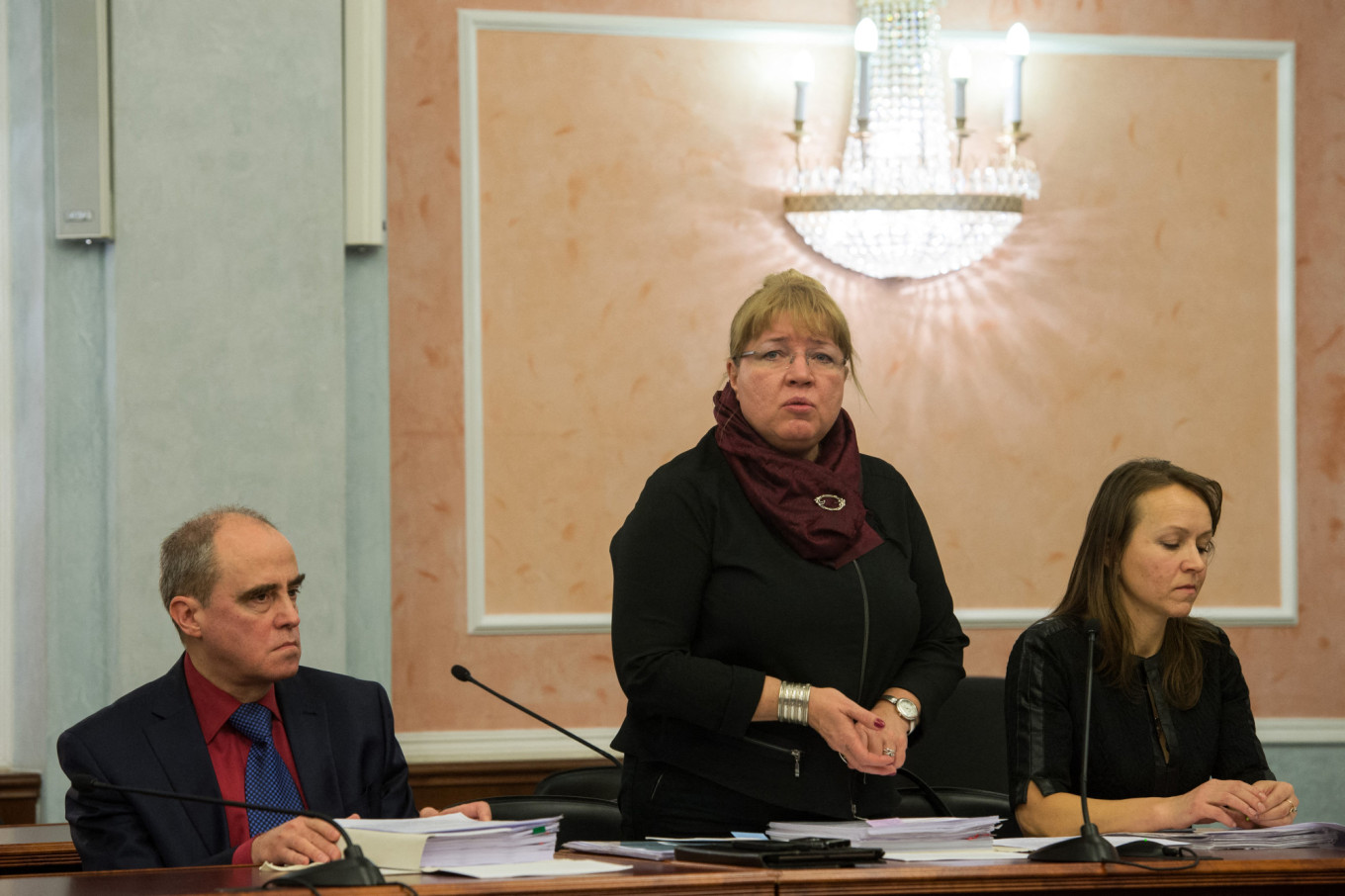
Russia called "extremist" the “Memorial international public movement,” an umbrella designation that the group itself notes has no formal legal entity. This designation allows authorities to shutter any remaining projects or “structural divisions” linked to its name, as well as bring criminal charges against Russian citizens who cooperate with Memorial’s network in exile, share its content or provide it with financial support.
Before that, Memorial had been labeled a “foreign agent” in 2016, and in 2021, Russian courts ordered the shutdown of its key historical-educational and human rights branches.
Founded in 1987, Memorial had worked not only to document Soviet repression but also to encourage a broader reckoning with the history of the Soviet Union and modern Russia.
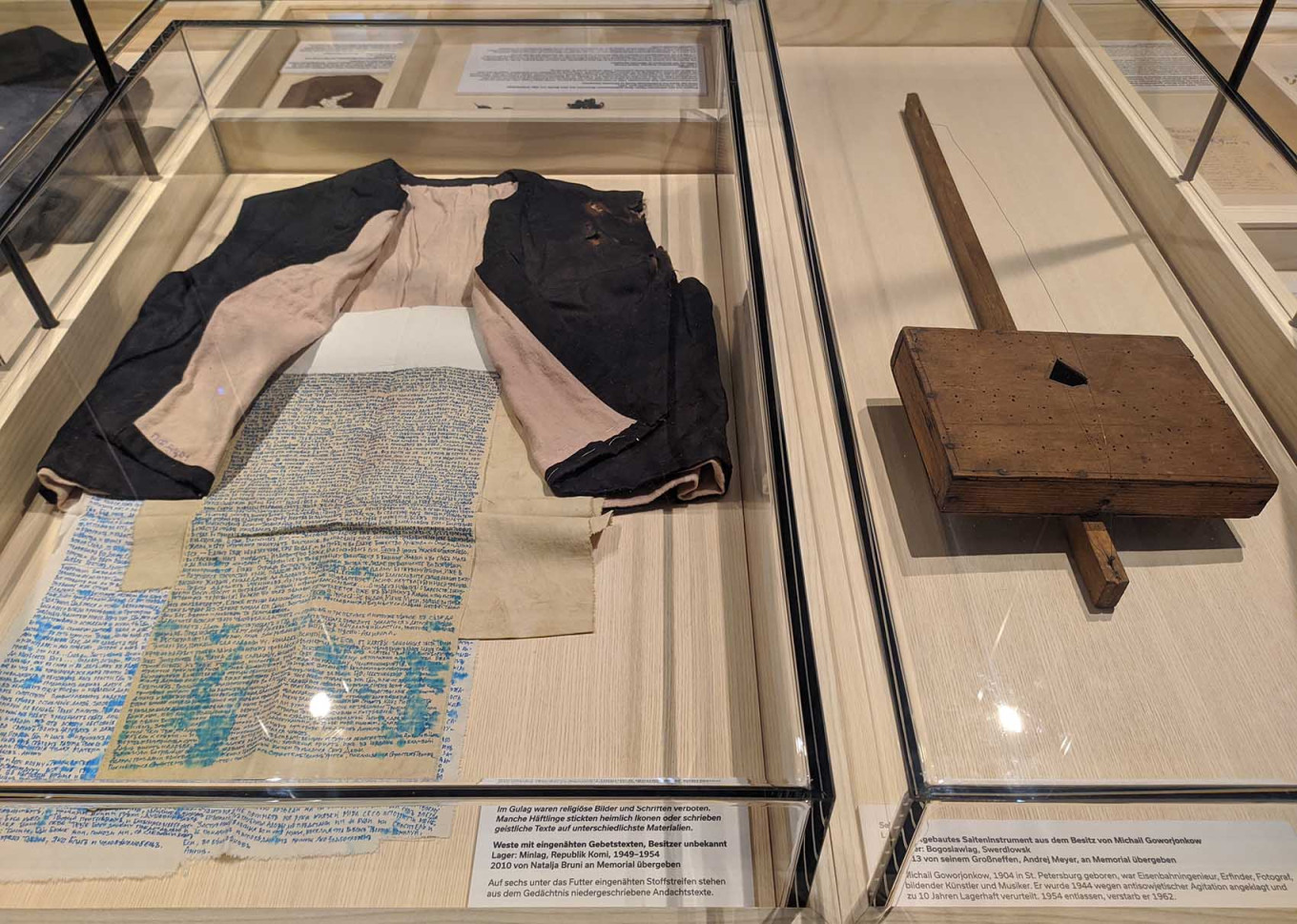
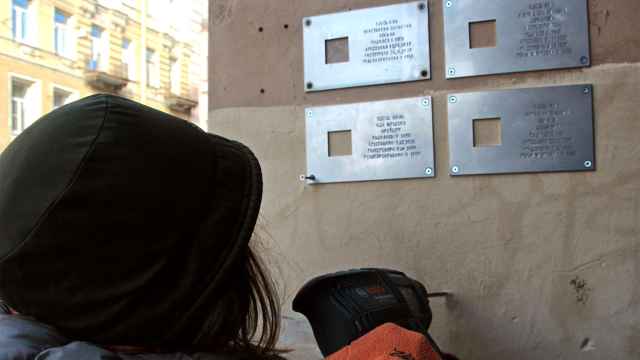
Its projects included collecting and preserving archival documents and personal testimonies, researching the victims of political repression, identifying people who had been executed or imprisoned and bringing those stories to the public.
Memorial said that up to 11.5 million people are eligible for rehabilitation under Russia’s law on victims of political repression. Memorial’s name-by-name database contained the information of around 4 million victims.
This work increasingly clashed with the Kremlin’s efforts under President Vladimir Putin to promote a more positive image of the Soviet past, presenting it as a source of national pride, while downplaying or reframing the Stalin-era purges and the Soviet rule of neighboring countries.
Russia justified the “extremist” label by alleging that Memorial aimed to “erode historical, cultural, spiritual and moral values” while undermining the “fundamental pillars of Russian statehood.”
For Memorial’s researchers, the ban came as part of a broader campaign against institutions and people working to preserve the country’s history, including the human rights Sakharov Center and Moscow’s Gulag History Museum, which were also forced to close shortly after the start of the war against Ukraine.
The head of Memorial’s Karelia branch, gulag historian Yury Dmitriev, had helped uncover Sandarmokh, one of the largest known execution and burial sites of the Stalin-era repressions.
He was sentenced to 15 years in prison in 2021 on a controversial child sex charge that Memorial said appeared to be punishment for "his activity in preserving the memory of political repressions."
Two years later, Russia opened a criminal case against former Memorial members on charges of “rehabilitating Nazism” in 2023 and searched their apartments. The case centered on Memorial’s database of victims of Soviet political terror. Investigators alleged that three people listed in the database had been Nazi collaborators, accusing Memorial of spreading false information about the Soviet Union’s role in World War II, which the organization denied.
The crackdown on civil society “is exactly what Memorial had been warning about for many years,” said Memorial co-founder Elena Zhemkova, who now serves as executive director of Zukunft-Memorial.
“None of us expected such a terrible turn of events” such as the full-scale invasion of Ukraine, Zhemkova said. “But we warned about the threat.”
“Nowadays far more people have come to understand that history can become a terrible weapon — and that it has become one. We can see that the Russian leadership uses history to motivate and justify its aggressive policies,” Zhemkova said.
Preserving history became increasingly important as the Russian authorities sought to promote their own version of the past, Zhemkova said.
Putin has also repeatedly invoked historical narratives to explain and justify the war in Ukraine, portraying Russians and Ukrainians as part of a common historical nation and questioning Ukraine’s sovereignty and independent statehood.
“Let’s not underestimate the fact that there are clever and intelligent people in power. They are evil, they are unkind and they are intelligent,” Zhemkova said.
“History — our past — is a very powerful weapon and they understand that perfectly well. This manipulation of people, this distortion of the past and construction of myths — they didn’t start doing this yesterday,” she said.
“They have been building it up systematically, over a long period of time,” she said.
She pointed to Memorial’s 2005 campaign to mark the 60th anniversary of the Soviet victory over Nazi Germany which sought to draw attention to the human cost of the war and to challenge the celebratory way in which the victory was being presented.
By then, “victory was increasingly no longer being presented as a story of tragedy — of what it took to end the war, the enormous human cost and the sacrifices that were made,” Zhemkova said.
Instead, she said, it was “transformed into a myth and a terrible weapon, which was first unleashed” against Ukraine less than 10 years later, in 2014, when Russia annexed Crimea and backed separatists in eastern Ukraine.
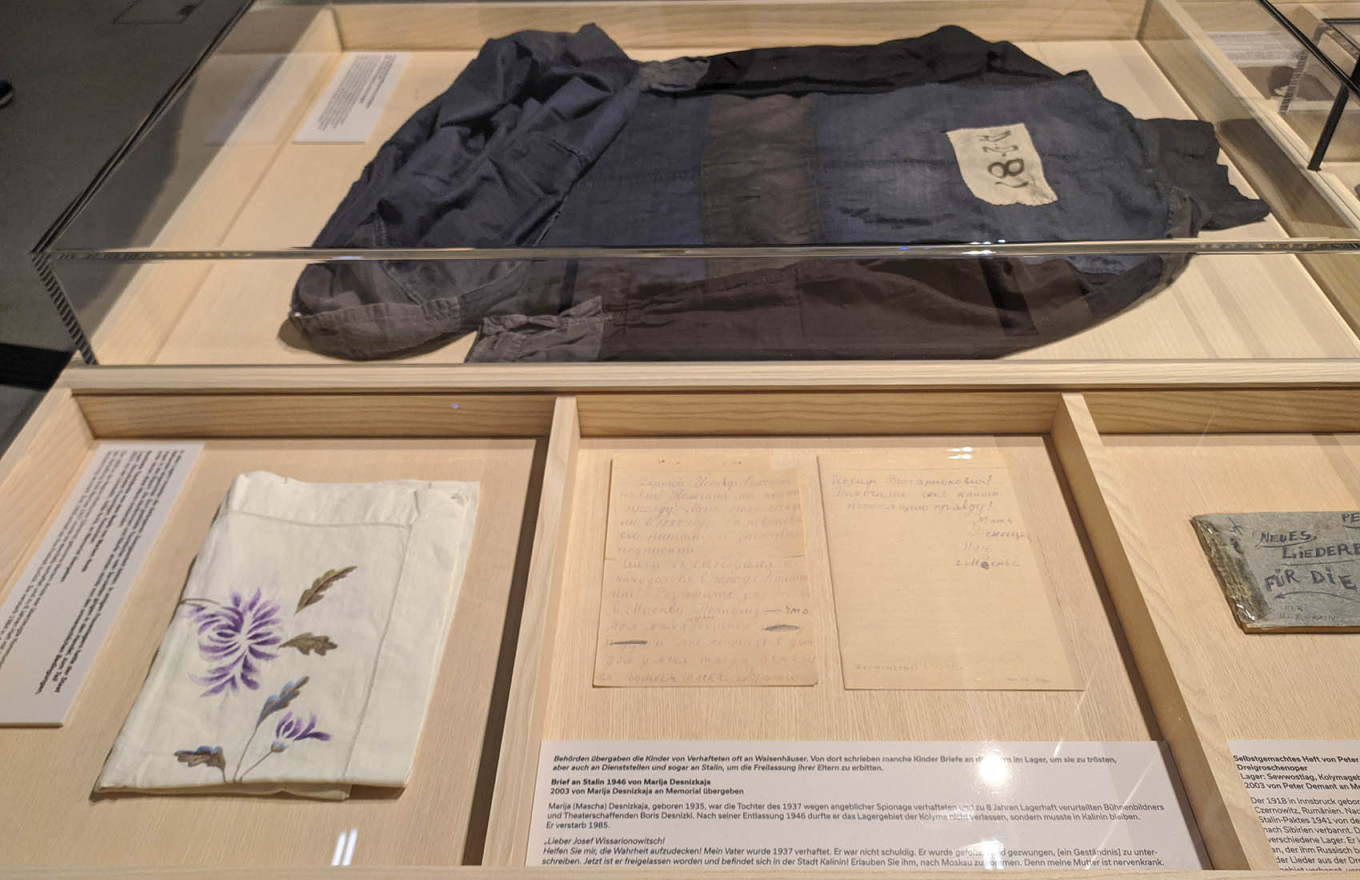
Today, Memorial continues to document evidence of Russia’s past from exile, said Shcherbakova, including collecting items from those who left the country and took documents and family archives with them.
“We know how this evidence was destroyed in Russia, how the traces were erased. So we tried to collect everything we could: record interviews and personal stories, gather memoirs and preserve whatever artifacts we could find,” Shcherbakova said.
But it also hopes to set human memory and personal histories against the official record preserved in state archives.
“When change comes to Russian society again, I am sure that one of the signs will be a renewed reassessment of the way Russia looks at what it has gone through over the decades,” Shcherbakova said.
A Message from The Moscow Times:
Dear readers,
We are facing unprecedented challenges. Russia's Prosecutor General's Office has designated The Moscow Times as an "undesirable" organization, criminalizing our work and putting our staff at risk of prosecution. This follows our earlier unjust labeling as a "foreign agent."
These actions are direct attempts to silence independent journalism in Russia. The authorities claim our work "discredits the decisions of the Russian leadership." We see things differently: we strive to provide accurate, unbiased reporting on Russia.
We, the journalists of The Moscow Times, refuse to be silenced. But to continue our work, we need your help.
Your support, no matter how small, makes a world of difference. If you can, please support us monthly starting from just $2. It's quick to set up, and every contribution makes a significant impact.
By supporting The Moscow Times, you're defending open, independent journalism in the face of repression. Thank you for standing with us.

Remind me later.