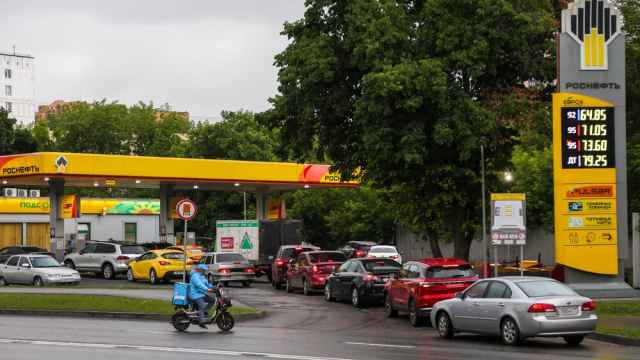
Major gas station chains in some Russian regions have begun rolling back gasoline purchase limits, with the easing of rationing measures mostly concentrated in central and southern Russia.
Gazprom lifted all purchase restrictions across its gas stations in the Krasnodar, Rostov, Volgograd, Stavropol and Astrakhan regions, as well as along the M-4 highway connecting Moscow to the southern Black Sea coast, the pro-Kremlin newspaper Izvestia reported Tuesday.
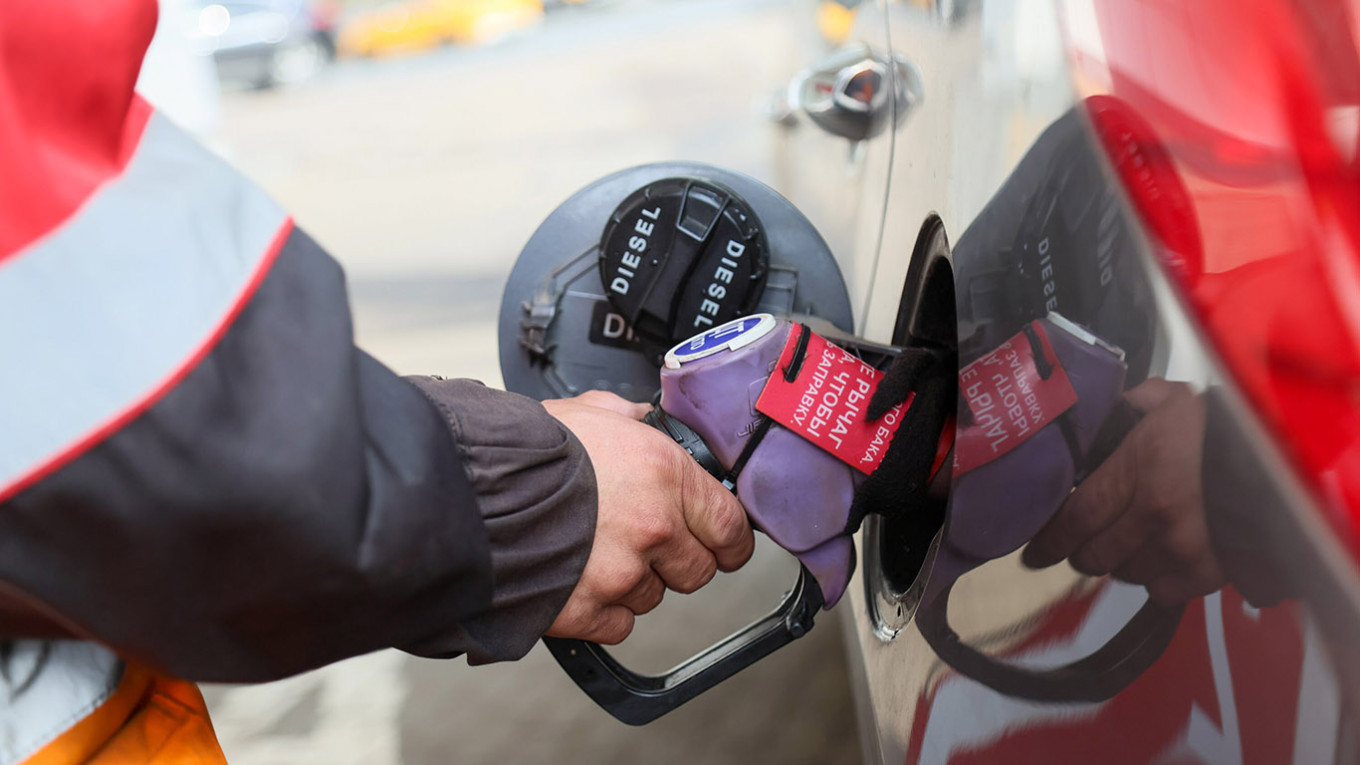
However, the company continues to enforce purchase limits ranging from 30 to 50 liters (8-13 gallons) for gasoline and 60 to 100 liters (16-26 gallons) for diesel in regions including Vladimir, Voronezh, Kaluga, Lipetsk, Nizhny Novgorod, Oryol and Tula.
Rosneft and its subsidiary Bashneft raised their gasoline limit from 30 to 50 liters per vehicle.
Meanwhile, Lukoil and its subsidiary Teboil lifted all fuel purchase limits in Moscow, St. Petersburg and the surrounding Leningrad region. A Lukoil customer service representative told Izvestia that restrictions and odd-even rationing systems remain in effect in certain regions depending on local government directives and station-level inventory.
Authorities in both the Omsk and Kaliningrad regions announced Tuesday an end to all fuel purchase limits at local gas stations.
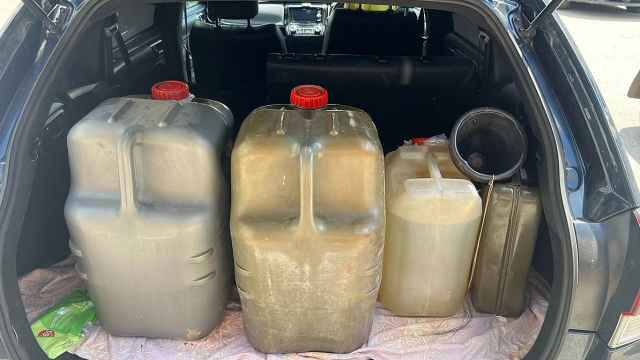
At Gazprom Neft stations in Moscow, a 30-liter cap remains in place for fuel purchased via its mobile app, though the limit is not enforced for in-person purchases. To prevent hoarding, filling up fuel canisters remains banned at gas stations operated by Gazprom, Rosneft, Lukoil and Tatneft, according to Izvestia.
Dozens of Russian regions have faced fuel shortages this summer after months of Ukrainian drone strikes on oil refineries and storage hubs. Industry analysts have warned that supplies will remain tight across much of the country until peak summer travel demand subsides in the fall.
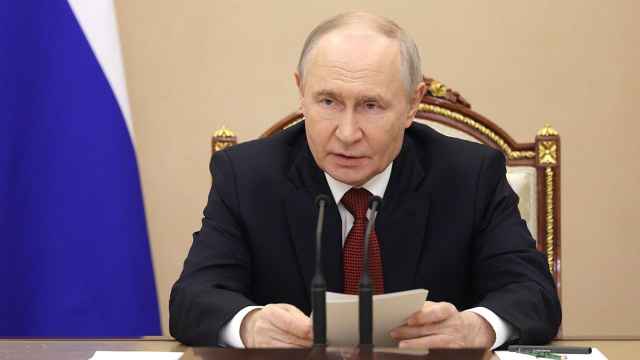
The gradual easing of fuel rationing measures comes after Deputy Prime Minister Alexander Novak said last week that the domestic market was showing signs of “partial stabilization.”
Over the weekend, Novak said Russia would extend its ban on gasoline exports through the end of 2026. On Monday, he said several oil refineries had returned to service after undergoing repairs. However, he cautioned that some regions, especially those in Siberia, still face fuel shortages.
The average price of gasoline in Russia has climbed 18.3% since the start of the year, with a single-week increase pushing the national average to 77.31 rubles per liter ($3.72 per gallon) as of July 20.
A Message from The Moscow Times:
Dear readers,
We are facing unprecedented challenges. Russia's Prosecutor General's Office has designated The Moscow Times as an "undesirable" organization, criminalizing our work and putting our staff at risk of prosecution. This follows our earlier unjust labeling as a "foreign agent."
These actions are direct attempts to silence independent journalism in Russia. The authorities claim our work "discredits the decisions of the Russian leadership." We see things differently: we strive to provide accurate, unbiased reporting on Russia.
We, the journalists of The Moscow Times, refuse to be silenced. But to continue our work, we need your help.
Your support, no matter how small, makes a world of difference. If you can, please support us monthly starting from just $2. It's quick to set up, and every contribution makes a significant impact.
By supporting The Moscow Times, you're defending open, independent journalism in the face of repression. Thank you for standing with us.

Remind me later.