Russia’s economy contracted in the beginning of the year as weak business activity and declining oil and gas revenues strained public finances.
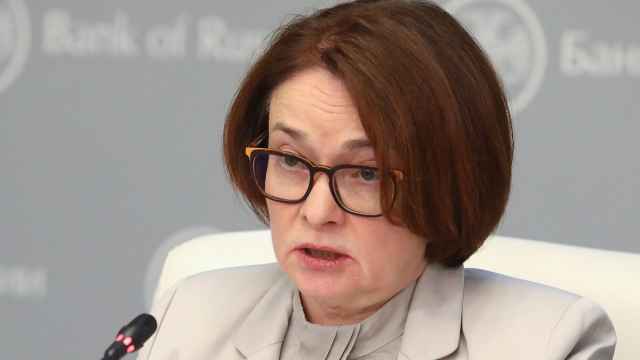
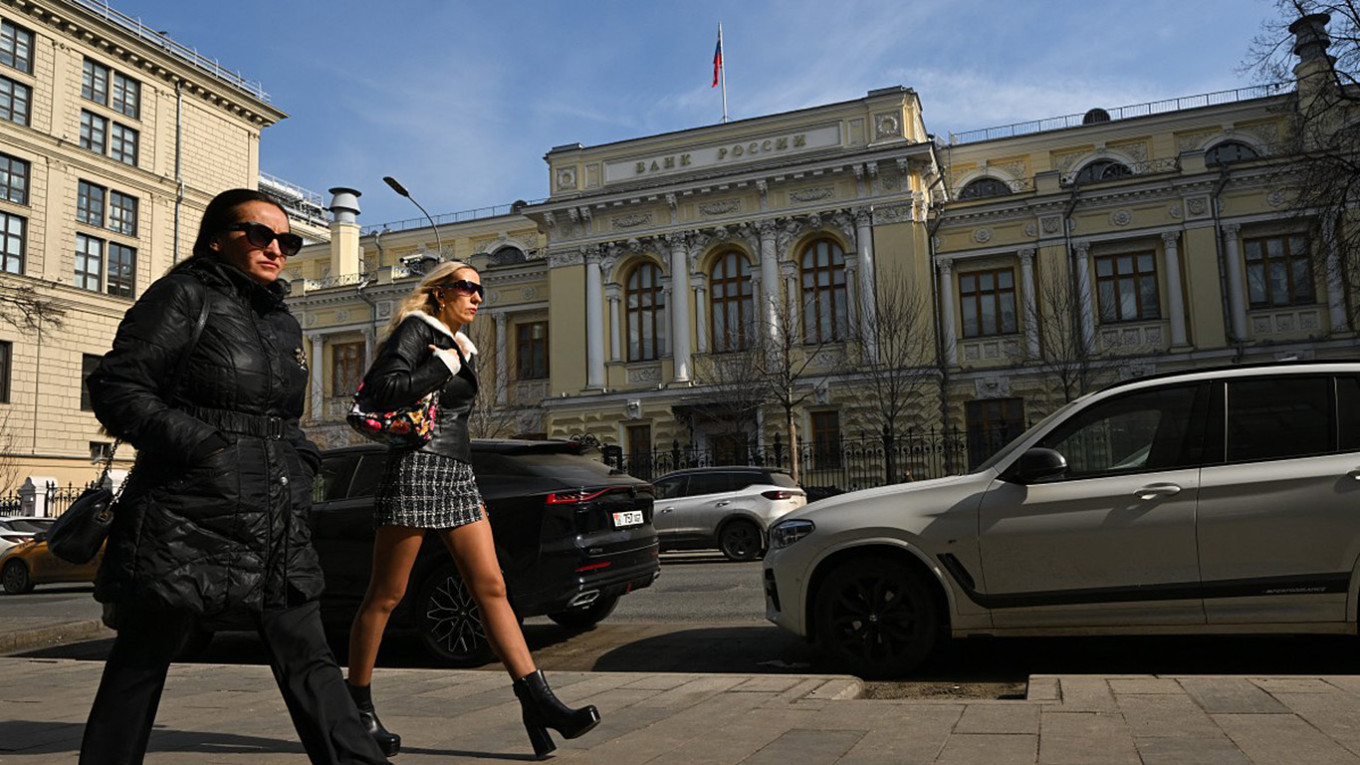
Gross domestic product, which measures all the goods and services produced in the economy, fell by 0.5% year-on-year between January and March, according to a medium-term forecast published on Thursday by the Central Bank.
The decline significantly missed the bank’s earlier projection of 1.6% annualized growth for the period. Policymakers attributed the slump to a value-added tax increase at the start of the year, “unfavorable weather conditions,” as well as three fewer working days in January and February than last year.
In April, President Vladimir Putin said some of those reasons were insufficient in explaining why the economy is performing worse than expected and called for urgent measures to revive growth.
The slump comes as the Central Bank gradually cuts its key interest rate from a two-decade high. Punishingly high borrowing costs over the last two years have stifled manufacturing and business investment, even as policymakers struggle to rein in inflation that continues to erode domestic purchasing power.
Russia’s Central Bank said in its medium-term forecast that it expects economic activity to rebound in the second quarter, forecasting 0.9% growth between April and June due to a higher number of working days in the period compared to last year.
For the full year, policymakers maintained their 2026 GDP growth forecast at a modest 0.5-1.5%, citing subdued consumer demand and investment activity.
The Central Bank also indicated it is now “more cautious” about lowering its key interest rate, pointing to inflationary risks tied to “external conditions and budget policy parameters,” a reference to the war in Iran and its impact on energy markets.
First-quarter inflation was 5.9%, slightly lower than the 6.3% previously forecast. Policymakers attributed this to weaker domestic demand and slower price growth for volatile goods.
The Central Bank set a target range of 4.5% to 5.5% for inflation in 2026, with the goal of returning to its 4% target next year.
A Message from The Moscow Times:
Dear readers,
We are facing unprecedented challenges. Russia's Prosecutor General's Office has designated The Moscow Times as an "undesirable" organization, criminalizing our work and putting our staff at risk of prosecution. This follows our earlier unjust labeling as a "foreign agent."
These actions are direct attempts to silence independent journalism in Russia. The authorities claim our work "discredits the decisions of the Russian leadership." We see things differently: we strive to provide accurate, unbiased reporting on Russia.
We, the journalists of The Moscow Times, refuse to be silenced. But to continue our work, we need your help.
Your support, no matter how small, makes a world of difference. If you can, please support us monthly starting from just $2. It's quick to set up, and every contribution makes a significant impact.
By supporting The Moscow Times, you're defending open, independent journalism in the face of repression. Thank you for standing with us.

Remind me later.