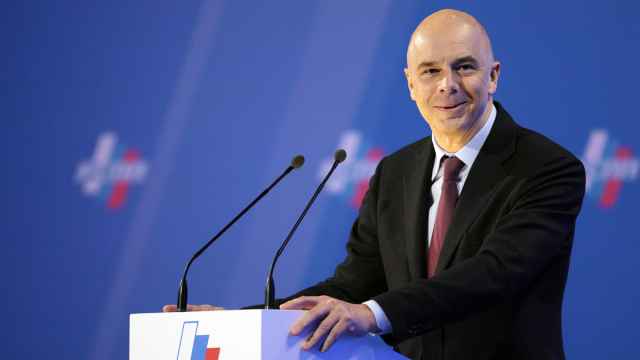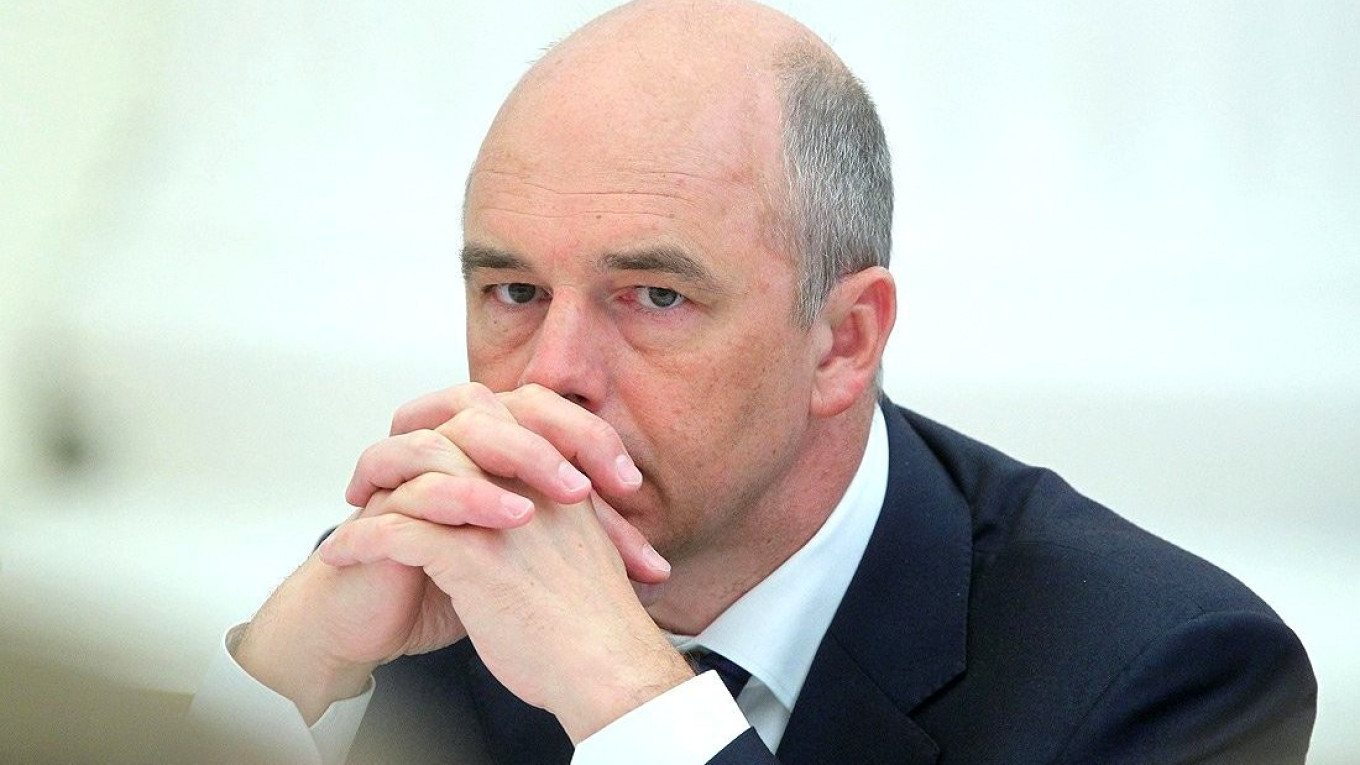
Russia’s regional budget deficits, which hit a record high last year, are set to widen further in 2026 as slowing economic growth, weaker corporate profits and heavy spending obligations strain local finances, Finance Minister Anton Siluanov said Monday.
Speaking at a meeting of the Presidium of the Council of Legislators, Siluanov said the situation facing regional budgets was “difficult,” with the consolidated deficit of Russia’s federal subjects rising sharply last year from what he described as a typical range of 200 billion to 300 billion rubles ($2.7 billion to $4.0 billion) to 1.5 trillion rubles ($20.0 billion).
He said the combined shortfall was expected to grow by another 400 billion rubles ($5.3 billion) this year, reaching 1.9 trillion rubles ($25.3 billion), and called on regional authorities to pursue fiscal consolidation to bring the deficit back down to around 1 trillion rubles ($13.3 billion).
The warning underscores mounting financial pressure on Russia’s regions as the wartime economy slows and revenues from key taxes weaken, even as local governments continue to shoulder high social spending and help fund military recruitment tied to Moscow’s war in Ukraine.
Siluanov said the largest deficits last year emerged in regions that had previously been considered net contributors to the federal budget, largely because of a drop in corporate profit tax receipts.
Regional budgets collected 480 billion rubles ($6.4 billion) less in profit tax revenue overall, an 8.3% decline compared with 2024, he said.
Profit tax receipts fell by half in the republic of Komi, while collections dropped 40% in the Orenburg region and 38% in the Yamal-Nenets autonomous district.
Revenue fell by more than 30% in the Tyumen, Arkhangelsk and Kemerovo regions, as well as the republics of Ingushetia and Karelia.
Analysts at rating agency Expert RA said the decline reflected slower economic growth and weaker export income.
By the end of last year, industrial production had fallen in half of Russia’s regions and construction volumes had declined, while every third region reported a contraction in agriculture.
The number of regions seeing falling investment doubled from 23 to 46, and consumer demand slowed in 80 of Russia’s federal subjects, according to Expert RA.
To cover budget gaps, regions spent about 1 trillion rubles ($13.3 billion) of accumulated funds held in bank accounts and increased their total debt to 3.5 trillion rubles ($46.6 billion), the highest level in 15 years, Expert RA said.
The agency said regional governments were unlikely to see a recovery in corporate profit tax revenues this year, citing continued pressure on company finances from high borrowing costs, logistics expenses and labor shortages.
At the same time, regional spending is expected to remain elevated. Alongside social obligations, regions are also being forced to finance military recruitment, which Expert RA estimates costs around 1 trillion rubles ($13.3 billion) annually.
Read this article in Russian at The Moscow Times' Russian service.
A Message from The Moscow Times:
Dear readers,
We are facing unprecedented challenges. Russia's Prosecutor General's Office has designated The Moscow Times as an "undesirable" organization, criminalizing our work and putting our staff at risk of prosecution. This follows our earlier unjust labeling as a "foreign agent."
These actions are direct attempts to silence independent journalism in Russia. The authorities claim our work "discredits the decisions of the Russian leadership." We see things differently: we strive to provide accurate, unbiased reporting on Russia.
We, the journalists of The Moscow Times, refuse to be silenced. But to continue our work, we need your help.
Your support, no matter how small, makes a world of difference. If you can, please support us monthly starting from just $2. It's quick to set up, and every contribution makes a significant impact.
By supporting The Moscow Times, you're defending open, independent journalism in the face of repression. Thank you for standing with us.

Remind me later.