
The Free Russia Foundation has published a report on the criminal prosecution of crimes committed by Russia against Ukrainian civilians and prisoners of war.
It is important to clarify at the outset that in modern international law, the criminally liable party is not the state but the individual. A state can also bear responsibility under international law, but not criminal responsibility. Rather, it bears international legal responsibility, which more closely resembles civil liability.
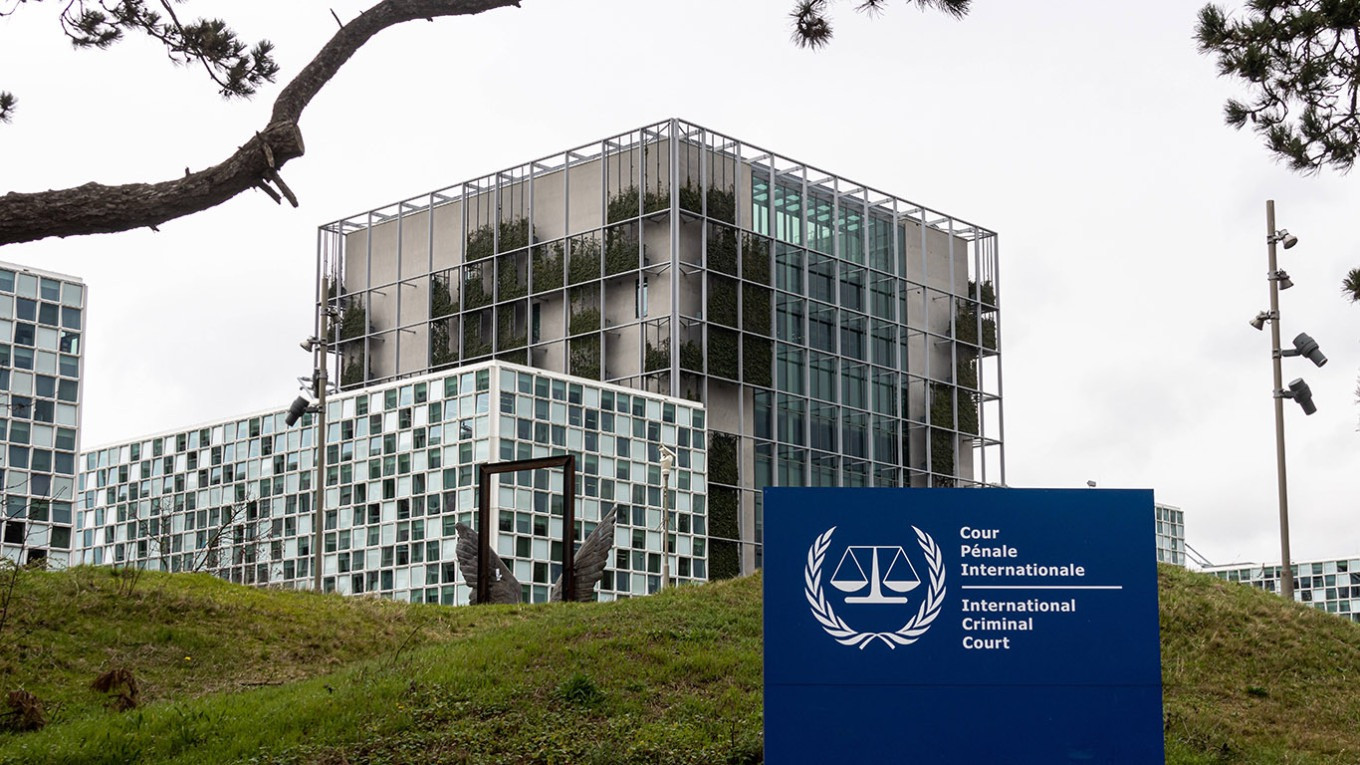
The report’s authors are aware of this distinction, specifying “Russian actors” from the first paragraph. While outlining the current state of efforts to hold these actors criminally accountable in the International Criminal Court and in Ukrainian courts, it rightly emphasizes the role of universal jurisdiction — the national criminal jurisdiction of countries that are not themselves (nor their citizens) direct victims of grave crimes under international law, such as war crimes, genocide and crimes against humanity.
The possibility of exercising such jurisdiction depends on whether the relevant procedures are provided for in domestic criminal law.
The report presents statistics on cases investigated and tried under universal jurisdiction in recent years, showing that the number has grown over the decades. It would have benefited from examples of such cases and from highlighting the countries most effective at bringing cases — Germany’s Code of Crimes against International Law is often cited as a particularly successful model. As the report notes, in one form or another, universal jurisdiction exists in the criminal law of the overwhelming majority of European Union member states — 23 out of 27 — and recommends that these states prepare to exercise their powers.
Drawing attention to the issue of universal jurisdiction is to be welcomed, and one can hope that these recommendations will be heard by states. Ensuring accountability not just in words but in practice is a shared endeavor, and there is room in it for a wide range of actors.
However, one important contradiction — overlooked by the report’s authors — is the tension between calling for accountability and the existing sanctions policy.
Although some jurisdictions allow for trials in absentia, it is clear that it is far preferable for both victims and justice as a whole that criminal proceedings take place with the personal participation of the accused. For that, they must be physically present in the relevant jurisdiction. That’s hard to achieve when personal sanctions bar the entry of certain individuals from entering the European Union or when there are calls to bar all participants in the Ukraine war from the Schengen Area.
One must choose: either allow people to cross their borders and prosecute those who are guilty, or deny them entry. It is no coincidence that one of the few successful examples of prosecution under universal jurisdiction of a former Russian combatant for war crimes in Ukraine after the accused entered the European Union illegally.
At the same time, it is important to remember that universal jurisdiction is not a panacea. The difficulties of collecting and analyzing evidence are well understood. For instance, in 2023, a Swiss court acquitted a Belarusian national accused of enforced disappearances of Belarusian politicians in the late 1990s, despite his own confessions.
Finally, without diminishing the importance of investigating such crimes against Ukrainian prisoners of war and civilians and holding those responsible accountable, it is equally important not to overlook other crimes under international law, including those committed against Russian citizens within Russia’s own borders.
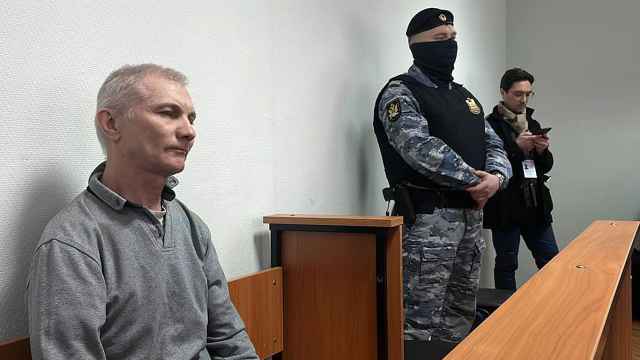
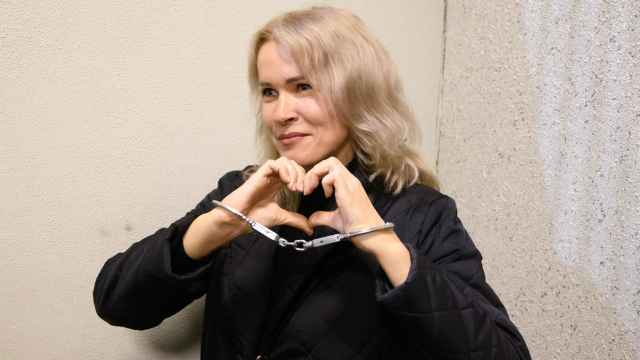
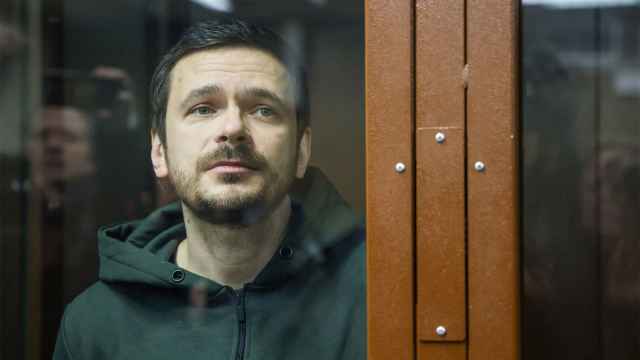
The focus on the war, though entirely justified and appropriate, should not come at the expense of remembering the victims of President Vladimir Putin’s regime: political prisoners, those labeled “foreign agents” and “extremists” and other prisoners of conscience who face torture, loss of rights and discrimination — for whom deportation from the country (itself a crime against humanity) often appears to be the least bad option.
A Message from The Moscow Times:
Dear readers,
We are facing unprecedented challenges. Russia's Prosecutor General's Office has designated The Moscow Times as an "undesirable" organization, criminalizing our work and putting our staff at risk of prosecution. This follows our earlier unjust labeling as a "foreign agent."
These actions are direct attempts to silence independent journalism in Russia. The authorities claim our work "discredits the decisions of the Russian leadership." We see things differently: we strive to provide accurate, unbiased reporting on Russia.
We, the journalists of The Moscow Times, refuse to be silenced. But to continue our work, we need your help.
Your support, no matter how small, makes a world of difference. If you can, please support us monthly starting from just $2. It's quick to set up, and every contribution makes a significant impact.
By supporting The Moscow Times, you're defending open, independent journalism in the face of repression. Thank you for standing with us.

Remind me later.