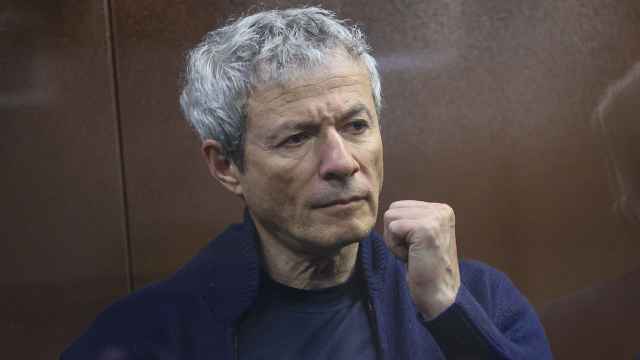
The vice governor of the southern Krasnodar region was placed in pre-trial detention on Tuesday, as authorities detailed corruption allegations involving land zoning violations and illegal business mergers.
Andrei Korobka, who has supervised the region’s agro-industrial complex since 2015, was arrested on fraud charges. The Leninsky District Court ruled he must remain in custody until at least June 6, pending an investigation into an alleged land-rezoning scheme.
Investigators claim that Korobka accepted 15 million rubles ($190,600) in January from an unidentified developer to illegally authorize residential construction on land designated for industrial use.
“Korobka failed to fulfill the undertaken obligations and embezzled the funds,” the regional court system’s press service said.
Investigators had argued that Korobka, given his high-ranking position, could pressure witnesses or destroy evidence if released from custody.
The arrest comes after the same court on Monday ordered the seizure of assets belonging to Korobka, his family and associates.
Those assets are said to include 135 land plots, 100 buildings and lease rights for 12,500 hectares of farmland.
While the nominal value of shares in 12 linked companies was placed at 6.5 billion rubles ($82.6 million), the business newspaper Kommersant reported the total market value could exceed $1.2 billion.
The case names 20 individuals and three agro-industrial companies as part of what the court described as an “illegal merger of business and government” that boosted private enterprise values by over 10 billion rubles.
State prosecutors told the court that Korobka tried to hide evidence before his arrest. They alleged that trucks transported property away from his home in the town of Dinskaya shortly before police arrived.
A subsequent search of Korobka’s home uncovered the equivalent of millions of dollars in cash in various currencies, including U.S. dollars, euros and rubles, according to prosecutors.
If convicted of fraud committed by an organized group, he faces a maximum sentence of 10 years in prison.
In his role as vice governor, Korobka has been the primary official overseeing the Krasnodar region’s vital agro-industrial sector, which produces a large percentage of Russia’s grain.
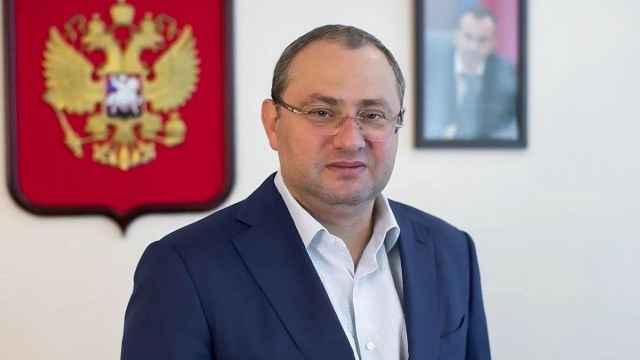
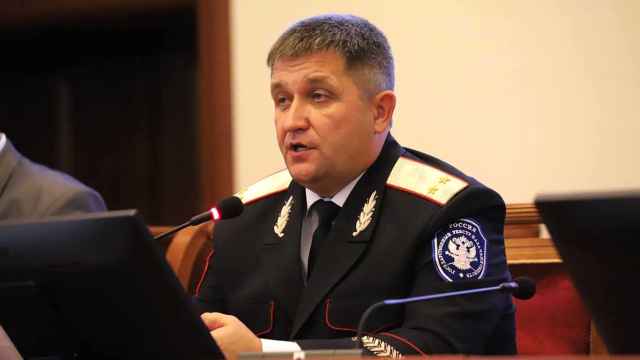
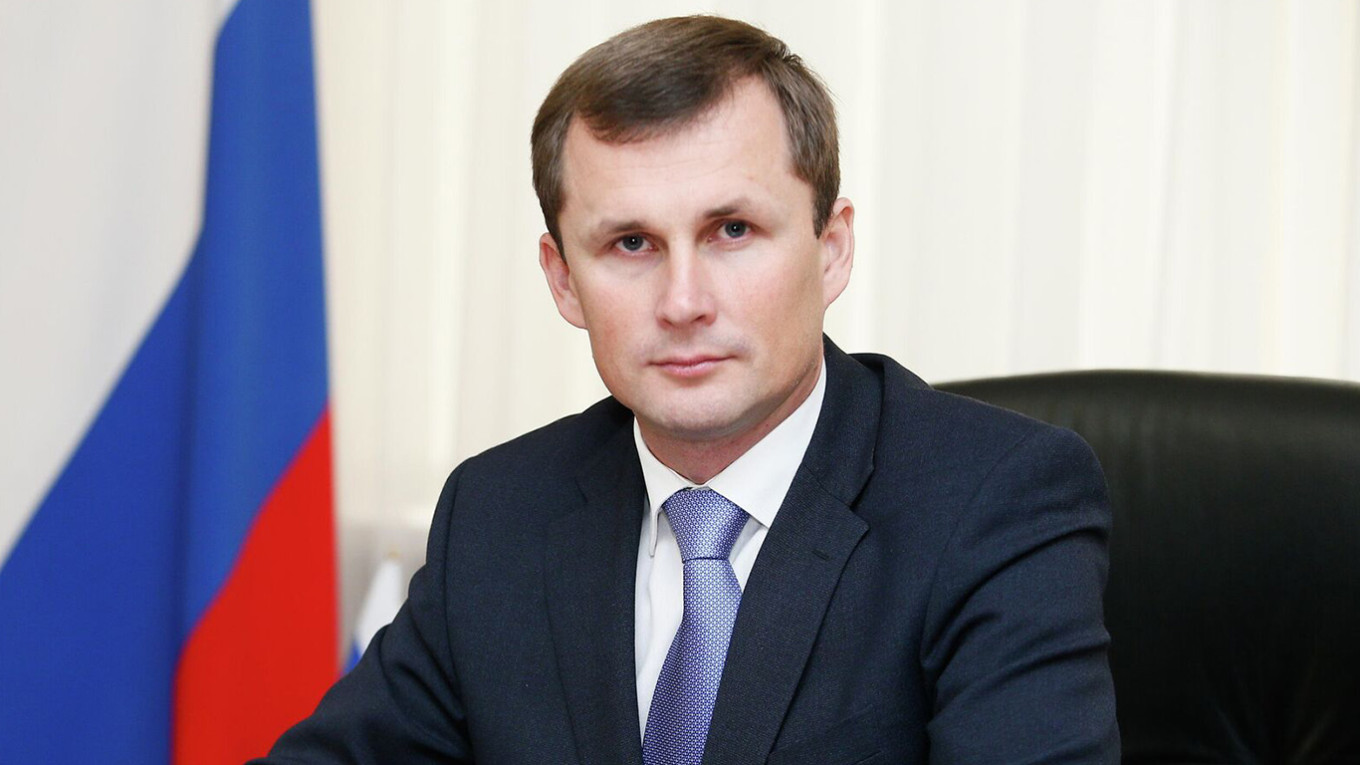
His arrest comes after a number of high-ranking officials in the Krasnodar region have faced criminal prosecution over the past year, including former deputy governors Alexander Vlasov and Alexander Kainov, suggesting a pattern of intensified pressure on regional elites.
A Message from The Moscow Times:
Dear readers,
We are facing unprecedented challenges. Russia's Prosecutor General's Office has designated The Moscow Times as an "undesirable" organization, criminalizing our work and putting our staff at risk of prosecution. This follows our earlier unjust labeling as a "foreign agent."
These actions are direct attempts to silence independent journalism in Russia. The authorities claim our work "discredits the decisions of the Russian leadership." We see things differently: we strive to provide accurate, unbiased reporting on Russia.
We, the journalists of The Moscow Times, refuse to be silenced. But to continue our work, we need your help.
Your support, no matter how small, makes a world of difference. If you can, please support us monthly starting from just $2. It's quick to set up, and every contribution makes a significant impact.
By supporting The Moscow Times, you're defending open, independent journalism in the face of repression. Thank you for standing with us.

Remind me later.