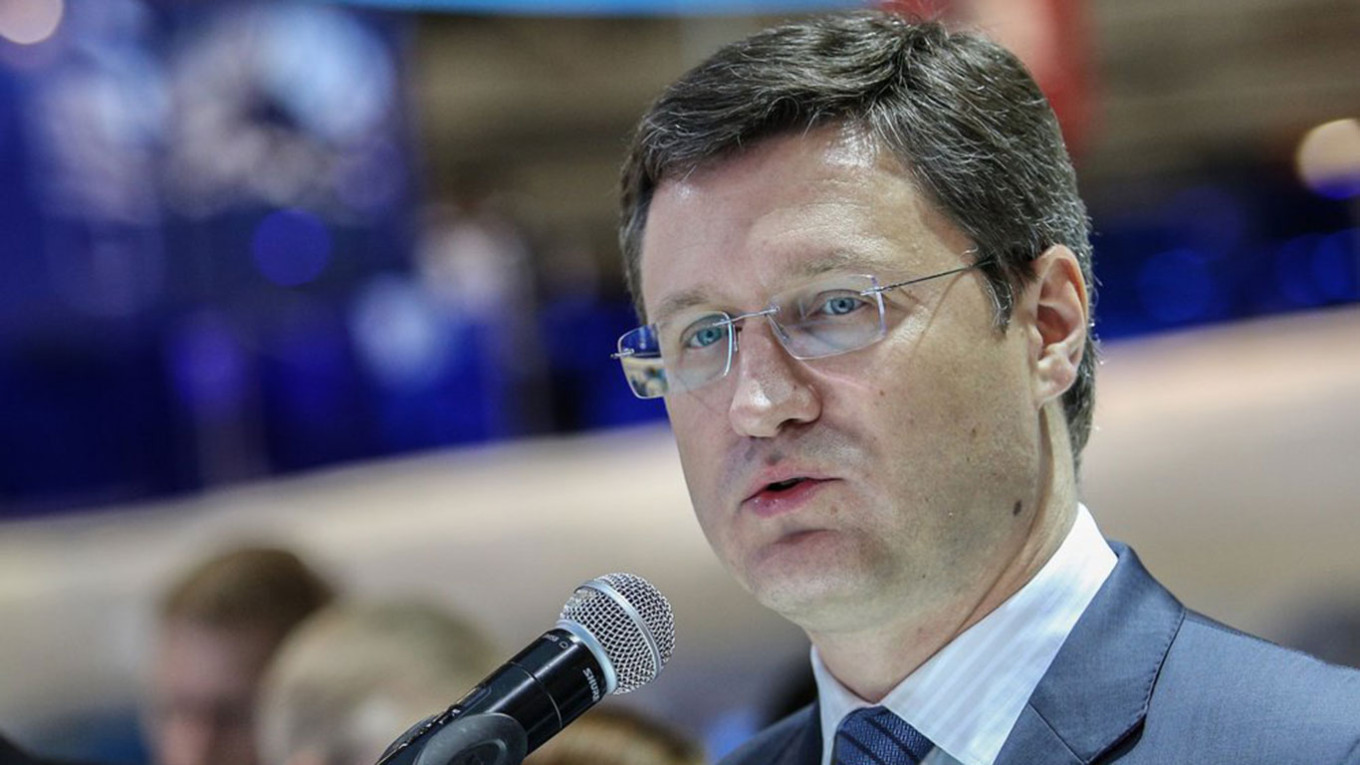
Russia’s largest oil producer Rosneft reported a 70% year-on-year drop in net profit in the first three quarters of the year, according to its IFRS financial statements published Friday.
The company earned 277 billion rubles ($3.6 billion) in January-September 2025, down from 926 billion rubles ($11.9 billion) over the same period last year.
Revenue fell 18% to 6.28 trillion rubles ($80.8 billion), while EBITDA — earnings before interest, taxes, depreciation and amortization — dropped 29% to 1.64 trillion rubles ($21 billion).
Profit declines accelerated over the course of 2025, with the first quarter generating 170 billion rubles ($2.2 billion), the second 74 billion ($952 million) and the third only 32 billion ($411.6 million), marking an 80% fall compared with July-September 2024.
“Factors behind the decline include weak Russian oil prices, a widening discount of Russian crude versus international benchmarks, new sanctions on the tanker fleet and partly the strengthening ruble,” said Natalia Milchakova, lead analyst at Freedom Finance Global.
Analysts at Alfa Bank noted that Rosneft’s latest report omitted cash flow data including operating cash inflows, investment and financial outflows and changes in cash and cash equivalents.
This data had been partially disclosed in previous quarterly reports.
For the first half of 2025, the company generated 916 billion rubles ($11.8 billion) in operating cash flow, almost entirely spent on capital investments (760 billion rubles, or $9.8 billion) and financial obligations such as loans (135 billion rubles, or $1.7 billion), leaving only 22 billion rubles ($283 million) added to cash reserves.
CEO Igor Sechin in a statement linked the results to a “deteriorating macroeconomic environment,” including lower prices amid rising oil supply.
He also cited additional pressures from above-inflation increases in natural monopoly tariffs, higher spending on anti-terror security, the Central Bank's high key interest rate and ruble appreciation since the start of the year.
Rosneft’s cash flow was negative in the first quarter and returned to positive in the second. In the third quarter, when it started withholding detailed data, the company reported generating 418 billion rubles ($5.4 billion) of free cash flow.
The source of these funds remains unclear.
“The lack of disclosure of cash flow makes it difficult, and in some cases impossible, to verify and reconcile the management’s reported figures,” Alfa Bank analysts said.
A Message from The Moscow Times:
Dear readers,
We are facing unprecedented challenges. Russia's Prosecutor General's Office has designated The Moscow Times as an "undesirable" organization, criminalizing our work and putting our staff at risk of prosecution. This follows our earlier unjust labeling as a "foreign agent."
These actions are direct attempts to silence independent journalism in Russia. The authorities claim our work "discredits the decisions of the Russian leadership." We see things differently: we strive to provide accurate, unbiased reporting on Russia.
We, the journalists of The Moscow Times, refuse to be silenced. But to continue our work, we need your help.
Your support, no matter how small, makes a world of difference. If you can, please support us monthly starting from just $2. It's quick to set up, and every contribution makes a significant impact.
By supporting The Moscow Times, you're defending open, independent journalism in the face of repression. Thank you for standing with us.

Remind me later.